

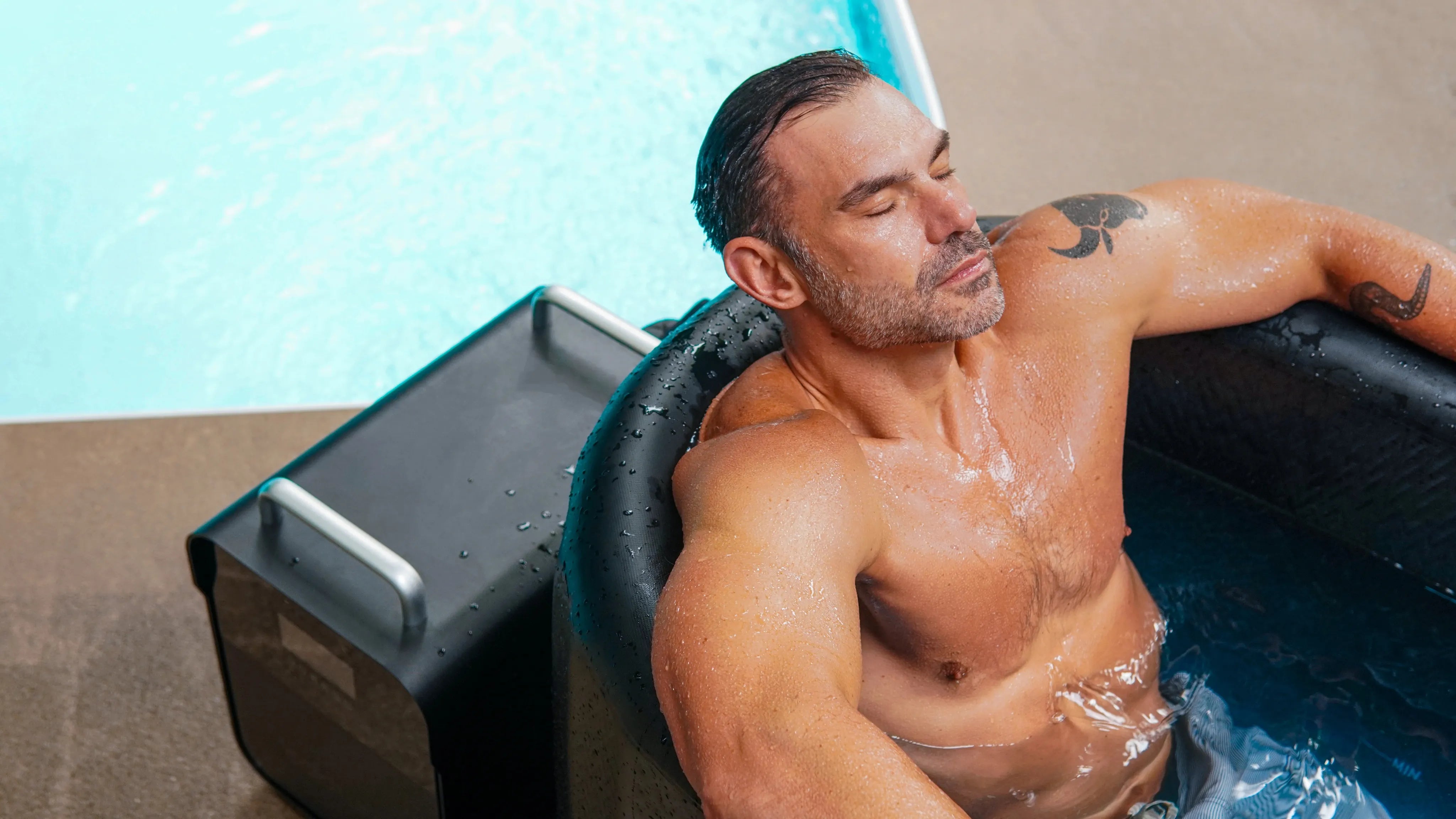
Cold therapy has become a staple in athletic recovery routines, but many athletes don’t realize it can both enhance and hinder performance depending on how it’s used. While cold therapy reduces muscle soreness and inflammation, timing and method matter significantly. Some protocols accelerate recovery and mental clarity, while others can blunt muscle growth when applied incorrectly. This guide cuts through the confusion, explaining exactly how to use cold therapy to maximize your performance benefits in 2026. You’ll learn the science behind cold exposure, optimal timing strategies, and practical protocols that align with your training goals.
Table of Contents
- Understanding How Cold Therapy Affects Your Performance
- The Timing And Methods Of Cold Therapy: What Science Says
- Maximizing Performance With Cold Therapy: Practical Tips And Combined Strategies
- Cold Therapy Protocols And Ideal Equipment For 2026 Athletes
- Enhance Your Recovery With Premium Cold Therapy Solutions
- FAQ
Key takeaways
| Point | Details |
|---|---|
| Cold therapy reduces soreness | Immersion decreases inflammatory markers and speeds metabolic recovery after intense training sessions. |
| Timing affects muscle growth | Immediate post-workout cold exposure can reduce protein synthesis, but delaying 1+ hour preserves gains. |
| Mental and immune benefits | Cold exposure stimulates hormone release that enhances focus, stress resilience, and immune function. |
| Optimal protocols matter | Temperature of 10-15°C for 10-15 minutes provides maximum recovery benefits without excessive drawbacks. |
Understanding how cold therapy affects your performance
Cold therapy works through multiple physiological pathways that directly impact athletic performance and recovery. When you immerse yourself in cold water, your body triggers vasoconstriction, temporarily reducing blood flow to extremities and muscles. This response decreases metabolic activity in tissues, which helps control inflammation and reduces the accumulation of metabolic waste products after intense exercise. The cooling effect also lowers tissue temperature, which slows down cellular processes that contribute to secondary muscle damage.
Research shows cold plunges reduce inflammation by decreasing specific inflammatory markers like creatine kinase and pro-inflammatory cytokines. These biochemical changes translate to less soreness and faster return to training capacity. However, the same mechanisms that reduce inflammation can also dampen the mTOR signaling pathway, which plays a crucial role in muscle protein synthesis. This means cold exposure immediately after resistance training may reduce the adaptive response your muscles need for growth.
The benefits extend beyond physical recovery. Cold exposure stimulates the release of norepinephrine and endorphins, neurotransmitters that enhance mental clarity, focus, and mood. Athletes report improved stress resilience and better sleep quality when incorporating regular cold therapy. The hormonal response also activates brown fat tissue, which can improve metabolic health over time.
Key physiological effects include:
- Reduced oxidative stress and faster clearance of metabolic byproducts
- Decreased perception of muscle soreness through nerve signal modulation
- Enhanced parasympathetic nervous system activation for better recovery
- Improved immune cell circulation and function
Pro Tip: Monitor your body’s response during the first few cold therapy sessions. Start with shorter durations and gradually increase as your cold tolerance improves to avoid excessive stress on your system.
“The key to effective cold therapy isn’t just the temperature, it’s understanding how your body responds and adapting protocols to match your specific training phase and goals.”
The timing and methods of cold therapy: what science says
When you apply cold therapy matters just as much as whether you use it at all. Studies reveal that cold water immersion can reduce muscle hypertrophy and strength gains when applied immediately after resistance training. The mechanism involves reduced satellite cell activity and blunted protein synthesis during the critical post-workout window. For athletes prioritizing muscle growth, this timing consideration becomes essential.

Research specifically shows cold showers and muscle hypertrophy effects are most pronounced in the first hour after training. Delaying cold exposure by at least 60 minutes allows the anabolic processes to initiate before introducing the anti-inflammatory effects of cold. This timing strategy lets you capture recovery benefits without sacrificing adaptation. For endurance athletes or those in competition phases focused on performance rather than growth, immediate cold therapy remains highly effective.
The optimal protocol involves water temperature between 10-15°C (50-59°F) for 10-15 minutes. Colder temperatures don’t necessarily provide better results and can increase injury risk. Longer durations beyond 15 minutes show diminishing returns and may cause excessive stress. The benefits of daily cold plunging accumulate over time, but frequency should match your training load and recovery needs.
| Method | Best For | Pros | Cons | | — | — | — | | Cold Water Immersion | Reducing soreness, inflammation control | Fast recovery, mental benefits, full body coverage | May blunt muscle growth if timed poorly | | Active Recovery | Muscle growth phases, light training days | Maintains blood flow, supports adaptation | Less effective for acute inflammation | | Contrast Therapy | Competition prep, injury recovery | Combines benefits of both approaches | Time intensive, requires equipment |
Active recovery methods like light movement and stretching sometimes outperform cold therapy when muscle building is the primary objective. These approaches maintain blood flow and don’t interfere with anabolic signaling. However, for managing high training volumes, reducing accumulated fatigue, or preparing for competition, cold therapy offers superior benefits.
Pro Tip: Track your training phase and adjust cold therapy timing accordingly. Use immediate cold exposure during high-volume endurance blocks, but delay it during strength and hypertrophy phases to preserve adaptation.
Maximizing performance with cold therapy: practical tips and combined strategies
Integrating cold therapy effectively requires aligning it with your broader recovery strategy and training priorities. Start by identifying whether your current training phase emphasizes muscle growth, power development, endurance capacity, or competition performance. This determines your cold therapy timing and frequency. During hypertrophy blocks, delay cold exposure by 2-4 hours post-workout or use it on non-training days. During competition prep or high-volume phases, immediate post-exercise cold therapy accelerates recovery.
Combining cold therapy with other recovery modalities amplifies results. Synergistic recovery methods with cold therapy include proper nutrition timing, adequate sleep, and strategic hydration. Consuming protein and carbohydrates within 30 minutes of training supports muscle repair regardless of cold therapy timing. Quality sleep remains the foundation of all recovery, with cold exposure potentially improving sleep quality through nervous system regulation.
Mental benefits deserve equal attention to physical recovery. Athletes using regular cold therapy report enhanced stress management, improved focus during training, and greater mental resilience under competitive pressure. The brief controlled stress of cold exposure trains your nervous system to handle discomfort, which translates to better performance under physical and psychological demands.
Recommended integration steps:
- Assess your current training phase and primary goals
- Schedule cold therapy sessions based on timing guidelines for your objectives
- Prepare cold water to 10-15°C before your session
- Immerse for 10-15 minutes while practicing controlled breathing
- Warm up gradually afterward with light movement and warm clothing
- Track subjective recovery markers like soreness, sleep quality, and energy levels
Key implementation points:
- Use cold therapy 3-4 times weekly during high-intensity training periods
- Reduce frequency to 1-2 times weekly during recovery or deload phases
- Always prioritize sleep, nutrition, and training consistency over cold therapy
- Listen to your body and adjust protocols based on individual response
For cold plunges for runners, timing matters less than for strength athletes since endurance training doesn’t rely as heavily on hypertrophy. Runners can use immediate post-run cold therapy to manage inflammation and accelerate recovery between high-mileage days. The health benefits of cold plunges extend beyond athletic performance to include improved cardiovascular function and metabolic health.
Pro Tip: Monitor subjective recovery markers like morning heart rate variability, sleep quality scores, and training readiness. If these decline despite regular cold therapy, you may be overdoing exposure frequency or duration.
Cold therapy protocols and ideal equipment for 2026 athletes
Establishing a consistent cold therapy protocol requires understanding evidence-based parameters and having reliable equipment. The cold water immersion protocol recommendations specify 10-15°C (50-59°F) as the optimal temperature range. This provides sufficient cooling to trigger physiological benefits without causing tissue damage or excessive stress. Water colder than 10°C increases injury risk and doesn’t improve outcomes, while warmer than 15°C reduces effectiveness.
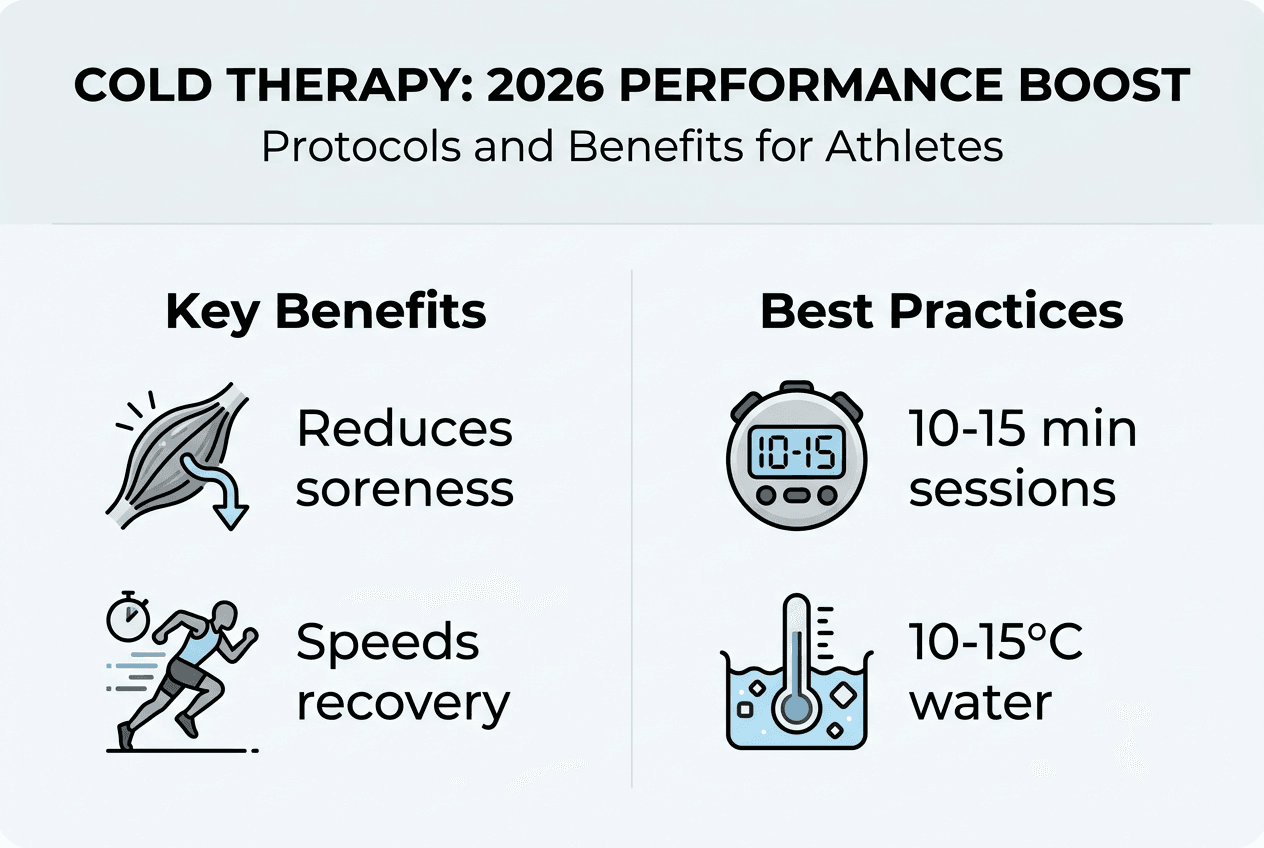
Duration guidelines suggest 10-15 minutes per session for most athletes. Beginners should start with 5-7 minutes and gradually increase as cold tolerance develops. Sessions longer than 20 minutes don’t provide additional benefits and may impair subsequent training quality. Frequency depends on training load, with 3-4 sessions weekly supporting high-volume training and 1-2 sessions sufficient during lower-intensity phases.
Specialized cold plunge equipment offers significant advantages over makeshift solutions like ice baths in standard tubs. Purpose-built units maintain consistent temperature, provide comfortable ergonomics for full immersion, and include filtration systems for hygiene. Premium cold plunges feature precise temperature control, insulation for efficiency, and durable construction that withstands daily use. These factors make cold therapy more accessible and sustainable as a long-term recovery practice.
| Equipment Type | Temperature Control | Portability | Best Use Case |
|---|---|---|---|
| Premium Cold Plunge | Precise digital control | Permanent installation | Home gyms, dedicated recovery spaces |
| Portable Cold Plunge | Manual ice addition | Highly portable | Travel, outdoor use, limited space |
| Ice Bath (DIY) | Manual ice management | Not portable | Occasional use, budget option |
| Cryotherapy Chamber | Extreme cold precision | Commercial only | Professional athletes, recovery centers |
For athletes with space constraints or who travel frequently, portable cold plunges provide flexibility without sacrificing effectiveness. These units pack down for transport and set up quickly, making cold therapy accessible anywhere. The convenience factor significantly improves protocol adherence, which matters more than having perfect equipment.
Safety considerations include:
- Never use cold therapy immediately after alcohol consumption
- Avoid immersion if you have cardiovascular conditions without medical clearance
- Keep sessions under 20 minutes to prevent hypothermia risk
- Ensure you can exit the plunge safely and have warm clothing ready
- Start with warmer temperatures and shorter durations if new to cold exposure
Pro Tip: Maintain your cold plunge equipment with regular cleaning and water treatment. Clean filters weekly and replace water every 2-3 weeks for optimal hygiene and performance. Check temperature accuracy monthly with a separate thermometer to ensure your protocols remain consistent.
Enhance your recovery with premium cold therapy solutions
Now that you understand how to maximize cold therapy benefits, having the right equipment makes consistent practice effortless. Coldture designs premium cold plunges specifically for athletes who demand professional-grade recovery at home. Our units feature precise temperature control, medical-grade filtration, and ergonomic design that makes every session comfortable and effective.
Whether you need a permanent installation for your home gym or a portable solution for travel and outdoor training, Coldture offers options that fit your lifestyle. Our products combine durability with beautiful design, turning cold therapy from a chore into a ritual you’ll look forward to. Each unit is engineered for easy maintenance and long-term reliability, so you can focus on performance instead of equipment management.
FAQ
Is cold therapy safe for everyday athletes?
Cold therapy is generally safe when you follow established protocols and listen to your body. Start with shorter durations and warmer temperatures, gradually adapting as your tolerance improves. Consult a physician before beginning cold therapy if you have cardiovascular conditions, Raynaud’s disease, or other circulation issues.
Can cold therapy reduce muscle gains?
Immediate post-workout cold exposure can blunt muscle protein synthesis and reduce hypertrophy adaptations. Delaying cold therapy by at least one hour after resistance training minimizes this effect while preserving recovery benefits. Time your cold sessions based on whether muscle growth or recovery is your current priority.
How often should I do cold plunges for best results?
Most athletes benefit from 3-4 cold plunge sessions weekly during high-intensity training phases. Reduce frequency to 1-2 times weekly during recovery or lower-volume periods. Adjust based on your training load, recovery markers, and how your body responds to cold exposure.
What’s the ideal cold plunge temperature and duration?
The optimal temperature range is 10-15°C (50-59°F) with immersion lasting 10-15 minutes. Colder temperatures don’t improve results and increase injury risk. Start with 5-7 minutes if you’re new to cold therapy, gradually building to the full duration as your tolerance develops over several weeks.
Share:
Top sauna health benefits backed by 2026 research
How to Build a Recovery Routine That Actually Sticks