

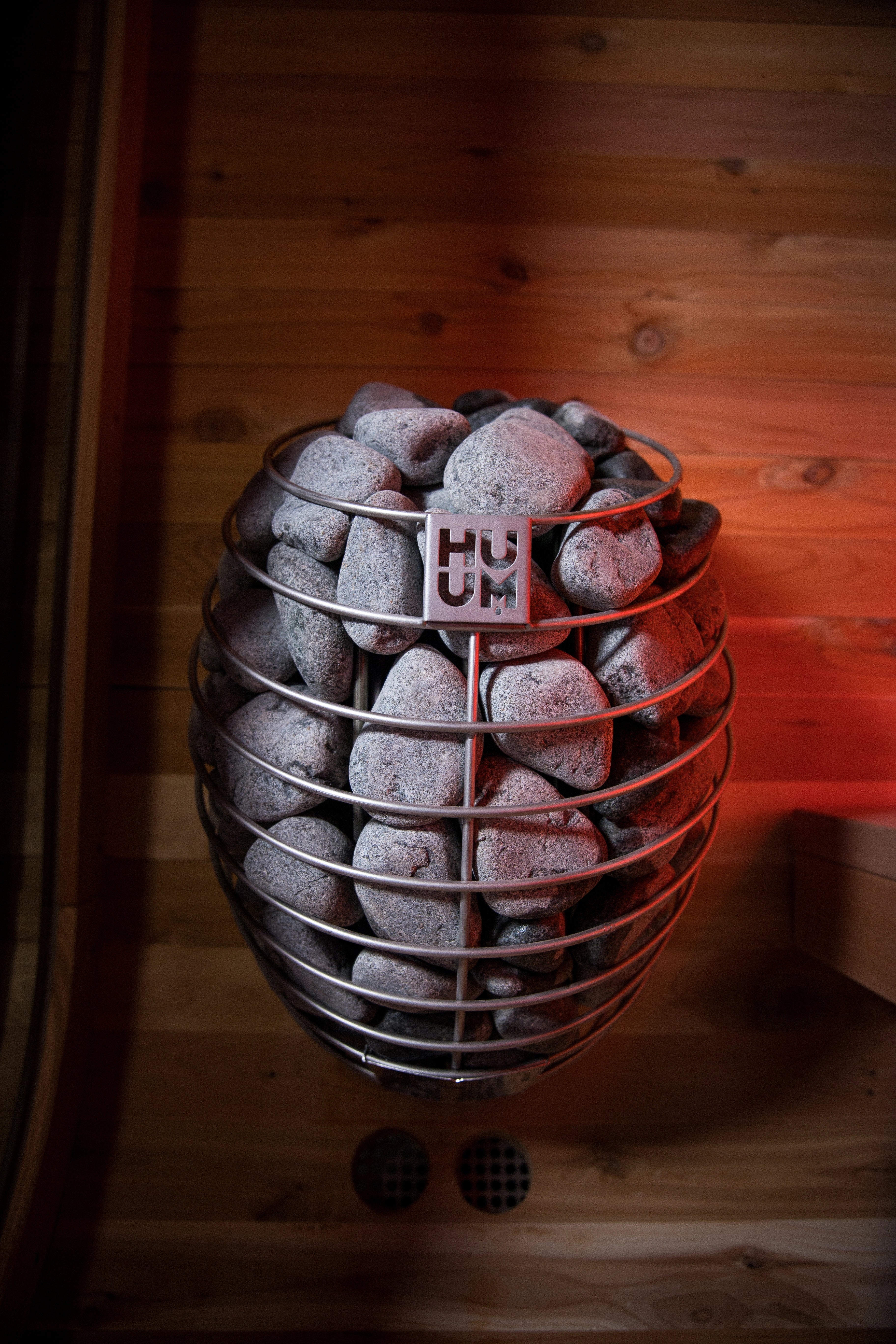
Achieving optimal wellness requires more than exercise and nutrition. Sauna bathing has emerged as a powerful, research-backed tool for improving cardiovascular health, mental well-being, and athletic performance. Studies show that regular sauna use can reduce heart disease risk by up to 63%, while also alleviating depression symptoms in over 85% of participants when combined with therapy. This article explores the evidence-based health benefits of sauna use and provides practical guidance for incorporating heat therapy into your recovery routine.
Table of Contents
- Cardiovascular Benefits Of Sauna Use
- Mental Health Improvements From Sauna Sessions
- Enhanced Athletic Performance And Recovery Benefits
- How To Use Saunas Safely And Maximize Benefits
- Explore Coldture’s Premium Saunas And Cold Plunges For Wellness
- Frequently Asked Questions
Key takeaways
| Point | Details |
|---|---|
| Cardiovascular protection | Frequent sauna use reduces sudden cardiac death risk by 63% and lowers hypertension incidence by 47%. |
| Mental health support | Infrared sauna sessions combined with therapy reduce major depressive disorder symptoms in 85% of participants. |
| Athletic performance | Sauna heat acclimation enhances endurance and cardiovascular function for athletes training in warm conditions. |
| Safety considerations | People with unstable angina or recent heart attacks should avoid saunas without medical clearance. |
| Enhanced recovery | Alternating sauna heat with cold plunges optimizes physiological adaptation and reduces inflammation. |
Cardiovascular benefits of sauna use
Regular sauna bathing delivers profound cardiovascular protection that rivals moderate exercise benefits. Research shows sauna use 4 to 7 times weekly significantly reduces risks of sudden cardiac death, coronary heart disease, and all-cause mortality. The physiological mechanisms behind these benefits are impressive. Finnish sauna bathing typically involves heat exposure at 80 to 100°C with low humidity, triggering cardiovascular responses that strengthen heart function. Frequent sauna sessions lower hypertension risk by 47% and reduce sudden cardiac death risk by 63% compared to once-weekly use.
What makes sauna bathing particularly attractive is the cardiovascular conditioning without physical strain. Studies demonstrate similar benefits to moderate exercise, including improved vascular function, lower blood pressure, reduced arterial stiffness, and better cholesterol profiles. The heat stress prompts blood vessel dilation, increases circulation, and trains your cardiovascular system to adapt efficiently.
Key cardiovascular improvements include:
- Reduced arterial stiffness and improved endothelial function
- Lower systolic and diastolic blood pressure readings
- Decreased LDL cholesterol and improved lipid profiles
- Enhanced cardiac output and stroke volume
- Improved autonomic nervous system regulation
Pro Tip: Pairing sauna sessions with cold plunges creates powerful vascular training through alternating vasodilation and vasoconstriction, maximizing circulation benefits.
However, people with severe cardiovascular conditions require caution. Those with unstable angina, recent myocardial infarction, or severe aortic stenosis should consult physicians before starting sauna therapy. For individuals with stable, mild cardiovascular disease, sauna bathing under medical guidance may offer therapeutic benefits.
Mental health improvements from sauna sessions
Beyond physical health, sauna use shows remarkable promise for mental wellness and mood regulation. Emerging clinical research reveals how thermal therapy addresses depression through multiple physiological pathways.
A groundbreaking 2025 UCSF clinical trial demonstrated that whole-body heating combined with cognitive behavioral therapy produced clinically meaningful reductions in major depressive disorder symptoms for over 85% of participants. The infrared sauna sessions activated the body’s thermoregulatory systems, counteracting the elevated baseline body temperature commonly associated with depression.
The mechanisms driving these mental health benefits involve Heat Shock Proteins, which activate during sauna-induced heat stress. These proteins support cellular maintenance, enhance stress resilience, and may contribute to improved neuroplasticity. The post-sauna cooling phase also plays a critical role, as body temperature regulation affects mood states.
Mental health benefits of regular sauna use:
- Significant reduction in depressive symptoms and severity scores
- Decreased anxiety levels and improved stress response
- Enhanced relaxation through parasympathetic nervous system activation
- Better sleep quality and circadian rhythm regulation
- Increased endorphin release creating natural mood elevation
“Sauna bathing provides a non-pharmacological intervention that addresses both the physiological dysregulation in depression and offers a meditative, restorative experience that supports mental wellness.”
For individuals without diagnosed mental health conditions, sauna use still offers valuable mood benefits. The ritual of heat bathing promotes mindfulness, reduces daily stress accumulation, and creates dedicated recovery time. The combination of physical relaxation, mental quieting, and physiological reset makes sauna therapy a promising adjunct or alternative to traditional mental health treatments.
The accessibility of thermal therapy compared to pharmaceutical interventions makes it particularly valuable for people seeking natural wellness approaches. Regular sauna sessions integrate easily into holistic health routines focused on prevention and resilience building.
Enhanced athletic performance and recovery benefits
Athletes and active individuals gain specific performance advantages from strategic sauna use. Research confirms sauna bathing as an effective passive heat acclimation strategy that enhances endurance, cardiovascular function, and thermoregulation without adding training volume.
Heat acclimation through sauna sessions triggers physiological adaptations that improve athletic capacity. These include increased plasma volume, enhanced sweat response, improved cardiovascular efficiency, and better heat tolerance during competition. For athletes training for events in warm climates, sauna exposure provides crucial preparation.
Studies on post-exercise heat exposure show potential for improved running performance, particularly in hot conditions. While acute recovery effects vary among individuals, consistent heat exposure delivers cumulative benefits. The timing and duration of sauna sessions matter, with athletes experimenting to find optimal protocols for their training cycles.
Performance and recovery protocol options:
- Pre-competition heat acclimation: 20 to 30 minute sessions 3 to 4 times weekly for 2 to 3 weeks before warm weather events
- Post-workout recovery: 15 to 20 minute sessions immediately after training to enhance adaptation
- Off-day passive conditioning: Longer 30 to 40 minute sessions on rest days for cardiovascular maintenance
- Competition week tapering: Reduced frequency and duration to maintain acclimation without fatigue
Pro Tip: Combining sauna heat with cold plunge therapy creates contrast therapy that maximizes recovery. Learn more about cold plunges for runners to optimize your recovery protocol.
The alternating vasodilation from heat and vasoconstriction from cold creates a pumping action that flushes metabolic waste and reduces inflammation. This synergistic effect enhances the recovery benefits beyond either modality alone.
| Benefit Type | Mechanism | Timeline for Results |
|---|---|---|
| Heat acclimation | Plasma volume expansion, improved thermoregulation | 10 to 14 days of consistent use |
| Cardiovascular adaptation | Increased stroke volume, lower heart rate | 2 to 4 weeks |
| Endurance capacity | Enhanced oxygen delivery, fatigue resistance | 3 to 6 weeks |
| Recovery acceleration | Reduced muscle soreness, faster adaptation | Immediate to 48 hours post-session |
Athletes using premium equipment like the Outdoor Sauna Pro can maintain consistent protocols at home, eliminating the need for gym or spa access. The convenience factor dramatically increases adherence, which drives the cumulative performance benefits.
How to use saunas safely and maximize benefits
Maximizing sauna health benefits requires understanding safe practices and contraindications. While sauna bathing offers extensive advantages for most people, certain conditions require caution or medical consultation before beginning thermal therapy.
Absolute contraindications include unstable angina, recent myocardial infarction, and severe aortic stenosis. People with these conditions should avoid sauna use unless specifically cleared by their cardiologist. Individuals with uncontrolled hypertension, orthostatic hypotension, or severe heart failure also require medical guidance.
For healthy individuals starting sauna therapy, gradual progression prevents adverse reactions. Begin with shorter sessions at moderate temperatures, typically 10 to 15 minutes at 70 to 80°C. As your body adapts over several weeks, incrementally increase duration and temperature toward the optimal range of 20 to 30 minutes at 80 to 100°C.
Safe sauna practices for optimal benefits:
- Hydrate thoroughly before, during, and after sessions to replace fluid losses
- Start conservatively and increase exposure gradually over weeks
- Listen to your body and exit immediately if feeling dizzy or uncomfortable
- Avoid alcohol before or during sauna use due to dehydration and impaired judgment
- Cool down gradually rather than jumping into ice-cold water immediately
- Schedule sessions when well-rested rather than when exhausted or ill
Pro Tip: Alternating sauna heat with cold water immersion optimizes circulation and recovery. Explore cold plunge temperature recommendations to create an effective contrast therapy routine.
The synergy between heat and cold therapies amplifies benefits, with cold exposure reducing inflammation while heat promotes relaxation and cardiovascular conditioning. Many wellness enthusiasts alternate between sauna sessions and cold plunges within the same routine, creating powerful physiological responses.
| Sauna Type | Temperature Range | Humidity Level | Best For | Considerations |
|---|---|---|---|---|
| Traditional Finnish | 80 to 100°C | 10 to 20% | Cardiovascular benefits, heat acclimation | Higher heat intensity, requires gradual adaptation |
| Infrared | 50 to 65°C | Low | Mental health, gentle heat exposure | Lower temperatures, deeper tissue penetration |
| Steam Room | 40 to 50°C | 100% | Respiratory benefits, skin health | High humidity, different physiological response |
Choosing between sauna types depends on your primary wellness goals and heat tolerance. Finnish saunas deliver the cardiovascular and performance benefits documented in most research studies. Infrared saunas offer gentler heat that some people find more comfortable for longer sessions focused on mental health and relaxation.
Regardless of sauna type, consistency drives results. The cardiovascular and mental health benefits accumulate with regular use over months and years. Establishing a sustainable routine that fits your lifestyle ensures you maintain the frequency needed for meaningful health improvements.
Explore Coldture’s premium saunas and cold plunges for wellness
Now that you understand the research-backed benefits of sauna therapy, bringing professional-grade heat and cold therapy into your home wellness routine becomes the next step. Coldture designs premium outdoor saunas that combine traditional Finnish technology with modern convenience, delivering the cardiovascular and mental health benefits documented in clinical research.
Our quality cold plunges complement sauna use perfectly, enabling contrast therapy protocols that optimize recovery and circulation. Each product is expertly crafted for durability and performance, supporting consistent wellness routines that align with the evidence-based practices discussed throughout this article. The Outdoor Sauna Pro delivers ultimate backyard relaxation while providing the therapeutic heat exposure that drives health improvements.
Frequently asked questions
Is sauna use safe for people with heart conditions?
People with severe or unstable cardiovascular conditions should avoid saunas unless specifically approved by their physician. Conditions like unstable angina, recent heart attacks, and severe valve disease are absolute contraindications. Individuals with mild, stable heart disease may benefit from sauna bathing but require medical consultation first. Always prioritize hydration and monitor how you feel during sessions.
How often should I use a sauna to see health benefits?
Frequent sauna use delivers the strongest results. Studies show 4 to 7 sessions weekly reduce cardiovascular and mortality risk by 40 to 60% compared to once-weekly use. Even occasional sauna bathing offers some advantages, but consistency accelerates benefits. Start with 2 to 3 sessions weekly and gradually increase frequency as your body adapts to regular heat exposure.
Can sauna use aid in recovery after intense exercise?
Regular sauna sessions support heat acclimation that benefits endurance and cardiovascular function during training. Research on post-exercise heat exposure shows potential for improved running performance, though immediate recovery effects vary individually. Combining sauna sessions with cold plunges may optimize inflammation reduction and muscle recovery through contrast therapy.
What temperature should I set my sauna for maximum benefits?
Traditional Finnish saunas operate at 80 to 100°C with low humidity for optimal cardiovascular benefits documented in research. Infrared saunas function effectively at lower temperatures of 50 to 65°C. Begin at the lower end of your sauna’s range and gradually increase temperature as you acclimate over several weeks. Listen to your body rather than pushing for extreme heat immediately.
How long should each sauna session last?
Most research studies showing cardiovascular and mental health benefits used sessions lasting 20 to 30 minutes. Beginners should start with 10 to 15 minute sessions and progressively extend duration as heat tolerance improves. Sessions exceeding 30 minutes don’t necessarily provide additional benefits and may increase dehydration risk. Focus on consistent, moderate-length sessions rather than occasional extended exposures.
Share:
Why use ice baths: maximize recovery and performance
How cold therapy boosts performance and recovery in 2026