


Immersing your body in freezing water might seem extreme, but ice baths trigger a remarkable 500% increase in norepinephrine, the hormone responsible for mental focus and stress resilience. Athletes worldwide embrace cold therapy to accelerate recovery, reduce inflammation, and sharpen mental performance. This article explains the science behind ice baths, their physiological benefits, optimal usage protocols, common misconceptions, and how they compare to other recovery methods.
Table of Contents
Key takeaways
| Point | Details |
| Inflammation reduction | Ice baths decrease inflammatory markers and muscle soreness by 20-30% within 24 hours post-exercise. |
| Mental resilience boost | Cold exposure increases norepinephrine over 500%, enhancing alertness and stress tolerance significantly. |
| Proper protocols matter | Optimal temperature (10-15°C), duration (10-15 minutes), and frequency (2-3 times weekly) ensure safety and effectiveness. |
| Context-dependent benefits | Ice baths excel for endurance recovery but may reduce muscle growth by 20-40% after resistance training. |
| Safety considerations | Individuals with cardiovascular conditions or cold hypersensitivity should avoid ice baths or consult healthcare professionals first. |
Introduction to ice baths and cold therapy
Ice baths represent one of the most researched cold therapy modalities in sports science. They involve immersing the body in water cooled to 10-15°C for controlled periods, typically 10-15 minutes. Cold therapy encompasses various techniques, including cryotherapy chambers, cold showers, and ice packs, but ice baths offer full-body exposure with precise temperature control.
The modern adoption of ice baths in athletic recovery began in the 1980s when professional sports teams observed faster recuperation times in athletes using cold water immersion. Today, ice baths are standard practice across endurance sports, team athletics, and high-intensity training programs. Athletes seek these benefits primarily:
-
Accelerated reduction of muscle soreness and fatigue
-
Decreased inflammation markers post-exercise
-
Enhanced mental clarity and stress management
-
Improved sleep quality through parasympathetic activation
-
Faster return to training intensity without overtraining symptoms
Research validates ice baths as effective recovery tools when applied correctly, though their benefits depend heavily on timing, temperature, and individual physiology. Understanding the underlying mechanisms helps athletes maximize recovery while avoiding potential drawbacks.
Physiological mechanisms behind ice baths
Cold water immersion triggers immediate vascular responses that fundamentally alter how your body processes exercise-induced damage. When you enter freezing water, blood vessels constrict rapidly, reducing blood flow to peripheral muscles and limiting inflammatory responses at injury sites. This vasoconstriction helps contain cellular damage and prevents excessive swelling.
The rewarming phase following ice bath exit delivers the most significant recovery benefits. As your body temperature normalizes, blood vessels dilate dramatically, flushing metabolic waste products from muscle tissue. Studies demonstrate that this process improves lactate clearance by up to 25% compared to passive rest, accelerating the removal of fatigue-inducing compounds.
Cold exposure also modulates metabolic activity in ways that support tissue repair. Lower tissue temperatures reduce cellular metabolism temporarily, decreasing oxygen demand and protecting cells from secondary damage caused by inflammation. This metabolic slowdown creates a protective window during which muscles can begin repair processes with less oxidative stress.
Pro Tip: Time your rewarming carefully by allowing gradual temperature return rather than jumping into hot showers. This controlled rewarming maximizes blood flow benefits and reduces inflammation more effectively than rapid temperature changes.
Balancing cold exposure duration prevents excessive vasoconstriction that could damage tissue or cause hypothermia. Sessions exceeding 20 minutes offer diminishing returns and increase injury risk, while durations under 8 minutes may not trigger sufficient vascular responses for meaningful recovery benefits.
Ice baths impact on inflammation and muscle soreness
Quantitative research consistently demonstrates ice baths’ effectiveness in reducing delayed onset muscle soreness. Athletes using cold water immersion protocols show 20-30% decrease in DOMS compared to control groups performing passive recovery. These benefits appear within 24 hours and persist for up to 96 hours post-exercise.
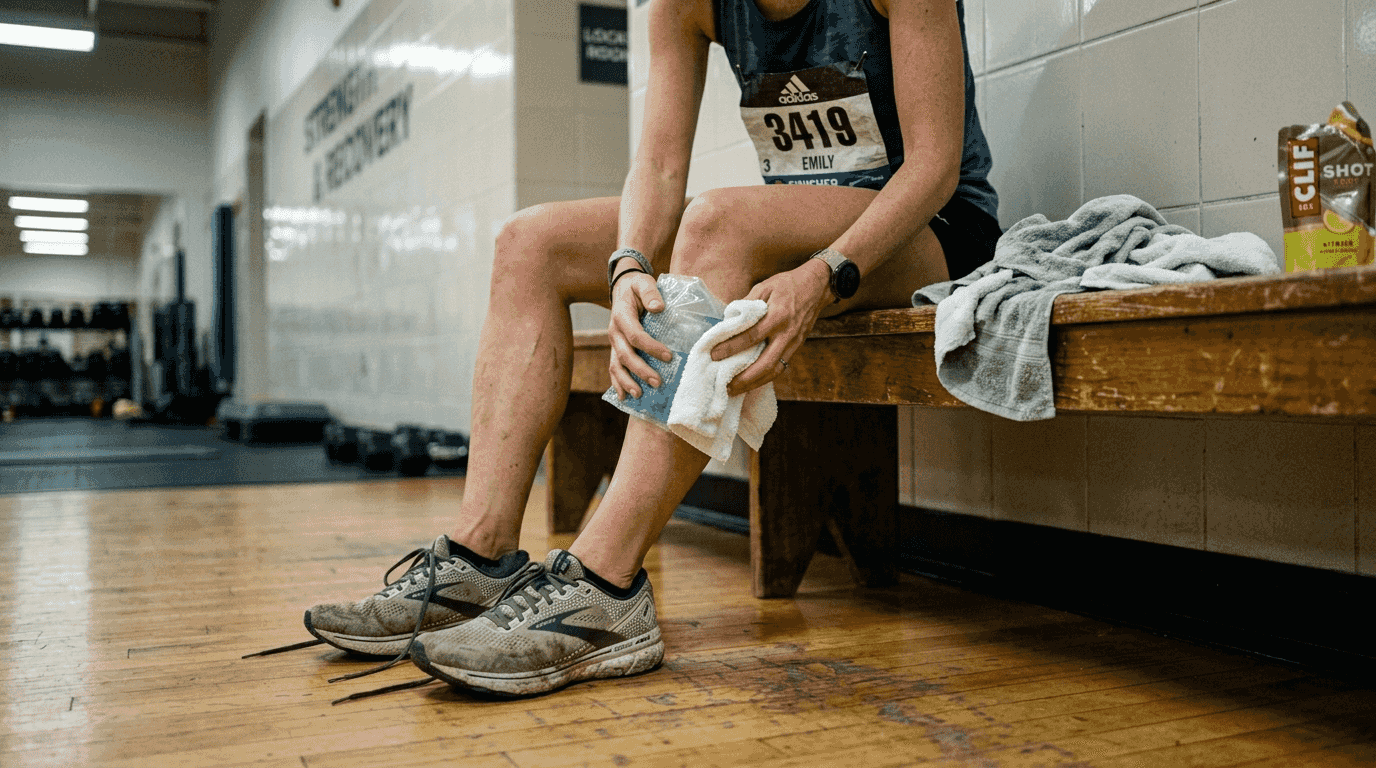
Inflammatory biomarkers including interleukin-6, C-reactive protein, and creatine kinase decrease measurably after ice bath protocols. The reduction in these markers indicates genuine physiological changes rather than just subjective pain perception improvements. This distinction matters because athletes need actual tissue recovery, not merely pain masking.
| Recovery Metric | With Ice Baths | Without Ice Baths | Improvement |
| DOMS Score (0-10 scale) | 3.2 | 4.8 | 33% reduction |
| IL-6 Levels (pg/mL) | 2.1 | 3.4 | 38% reduction |
| Creatine Kinase (U/L) | 285 | 420 | 32% reduction |
| Return to Training Readiness (hours) | 36 | 52 | 31% faster |
The anti-inflammatory effects generalize across different athletic populations. Endurance athletes running marathons, team sport athletes performing high-intensity intervals, and strength athletes completing heavy volume training all demonstrate similar inflammation reduction patterns when following proper ice bath protocols.
Pro Tip: Combine ice baths with adequate protein intake and carbohydrate replenishment to amplify recovery results. Cold therapy enhances nutrient delivery during rewarming, making post-immersion nutrition timing critical for optimal muscle repair.
Mental and neurological benefits of ice baths
Beyond physical recovery, ice baths profoundly influence nervous system function and mental state. Cold exposure activates the sympathetic nervous system, triggering a dramatic surge in norepinephrine production. This neurotransmitter increase exceeds 500% during cold immersion, creating heightened mental alertness that persists for hours afterward.
The norepinephrine response translates directly into improved stress tolerance and focus. Athletes report enhanced ability to maintain concentration during challenging training sessions and better emotional regulation under competitive pressure. These mental benefits compound over time, building psychological resilience alongside physical recovery.
Following the initial sympathetic activation, ice baths trigger a powerful parasympathetic rebound as your body warms. This shift promotes deep relaxation and improves sleep quality, with many athletes experiencing faster sleep onset and longer deep sleep phases on ice bath days. Quality sleep amplifies all recovery processes, creating a positive feedback loop.
Mental resilience improvements support training consistency, one of the most critical factors in athletic development. Athletes who manage stress effectively train more regularly, maintain better technique under fatigue, and avoid burnout. Ice baths provide a practical tool for developing this mental toughness:
-
Enhanced ability to tolerate discomfort during training
-
Improved focus and decision-making under pressure
-
Better emotional regulation during competition
-
Increased willingness to tackle challenging workouts
-
Reduced anxiety and improved mood stability
The holistic recovery benefits addressing both body and mind explain why elite athletes integrate ice baths into comprehensive training programs rather than viewing them as optional recovery tools.
Common misconceptions about ice baths
Despite widespread use, several persistent myths about ice baths lead athletes toward ineffective or harmful practices. The most significant misconception involves timing relative to resistance training. Immediate cold exposure after weight training reduces strength gains by 20-40% by interfering with muscle protein synthesis signaling pathways that drive hypertrophy.
Ice baths are not universal recovery solutions suitable for every training scenario. Their benefits shine brightest after high-volume endurance work, intense metabolic conditioning, or competitions involving significant tissue damage. Using them indiscriminately without considering workout type and recovery goals wastes effort and potentially hinders progress.
Common misuse patterns create unnecessary risks:
-
Water temperatures below 10°C increase frostbite and hypothermia risk without added benefits
-
Sessions exceeding 15 minutes provide diminishing returns while raising injury probability
-
Daily ice baths can suppress beneficial inflammatory responses needed for adaptation
-
Ignoring contraindications like cardiovascular disease or Raynaud’s syndrome endangers health
-
Skipping gradual acclimatization causes excessive stress responses in beginners
Many athletes believe colder always equals better, pushing temperatures to dangerous levels. Research shows no additional recovery benefits below 10°C, while risks escalate significantly. Similarly, extending duration beyond 15 minutes fails to improve outcomes and may impair subsequent performance.
Awareness of contraindications prevents serious complications. Individuals with heart conditions, uncontrolled hypertension, or cold urticaria should avoid ice baths entirely. Pregnant women and those with compromised immune systems require medical clearance before starting cold therapy protocols. Understanding these limitations and consulting healthcare professionals prevents cold plunging risks from outweighing benefits.
Comparison with other recovery methods
Choosing optimal recovery strategies requires understanding how ice baths compare to alternatives. Active recovery involving light aerobic exercise stimulates blood flow gradually, supporting metabolic waste removal without cold stress. This approach works excellently after resistance training when muscle growth signaling should remain uninterrupted, but it reduces soreness more slowly than ice baths.
Compression garments provide convenient recovery support by maintaining steady pressure that promotes venous return and reduces swelling. Athletes appreciate their ease of use and ability to wear them during daily activities. However, compression lacks the mental benefits and nervous system activation that cold exposure provides, making it complementary rather than equivalent to ice baths.
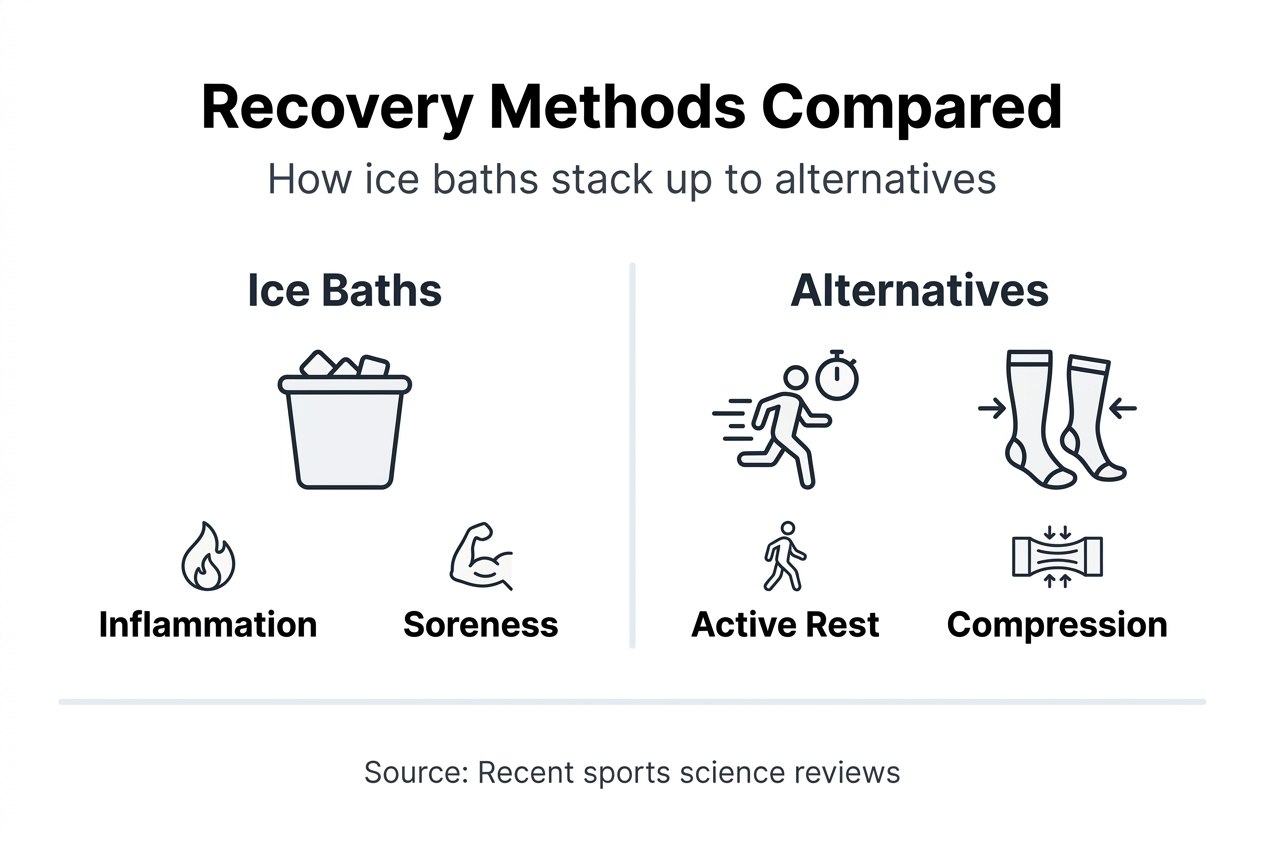
| Recovery Factor | Ice Baths | Active Recovery | Compression Therapy |
| Soreness Reduction Speed | Fast (24-48h) | Moderate (48-72h) | Moderate (36-60h) |
| Mental/Neurological Benefits | High (norepinephrine surge) | Low | None |
| Convenience | Moderate (equipment needed) | High (no equipment) | High (portable) |
| Post-Resistance Training | Avoid (hinders growth) | Ideal | Neutral |
| Post-Endurance Training | Excellent | Good | Good |
| Cost | Moderate to High | Free | Low to Moderate |
Ice baths excel for rapid inflammation reduction following endurance events or high-intensity metabolic work. Active recovery suits daily training recovery and post-strength sessions when maintaining anabolic signaling matters most. Compression therapy offers consistent support for athletes needing portable solutions or managing chronic swelling.
Combining methods strategically optimizes results. Use active recovery after resistance training, ice baths following intense conditioning or competitions, and compression garments during travel or between sessions. This integrated approach addresses different recovery needs without creating conflicts between methods.
How to use ice baths effectively and safely
Implementing optimal ice bath protocols requires attention to temperature, duration, frequency, and timing. Target water temperatures between 10-15°C, measured with a reliable thermometer rather than guessing based on ice quantity. Most athletes find 12°C provides excellent benefits with manageable discomfort.
Session duration should range from 10-15 minutes for full recovery benefits. Beginners start at 8-10 minutes and gradually extend duration as cold tolerance improves. Setting a timer prevents accidentally exceeding safe limits when distraction or conversation extends immersion time. Never exceed 20 minutes regardless of experience level.
Frequency guidelines recommend 2-3 ice bath sessions weekly following intense training. This schedule balances recovery support with allowing normal inflammatory responses necessary for adaptation. Daily ice baths suppress beneficial inflammation that drives fitness improvements, while less frequent use may not provide adequate recovery support during heavy training blocks.
Timing relative to workout type determines effectiveness:
-
Endurance training: Ice bath within 1-2 hours post-workout for maximum benefit
-
High-intensity intervals: Immediate to 1-hour post-session works well
-
Resistance training: Wait 4+ hours or skip entirely to preserve muscle growth
-
Competitions: Ice bath within 30-60 minutes to manage tissue damage
-
Recovery days: Avoid ice baths to allow adaptation processes
Safety precautions prevent hypothermia and tissue damage. Monitor skin color for excessive blanching indicating dangerous vasoconstriction. Exit immediately if experiencing dizziness, excessive shivering, numbness, or difficulty breathing. Never use ice baths alone; having someone nearby ensures help availability during emergencies.
Pro Tip: Enhance comfort and outcomes by rewarming gradually through light movement and warm clothing rather than hot showers. Pair your ice bath with recommended water temperature ranges and adequate hydration to optimize metabolic waste clearance during the rewarming phase.
Monitor personal responses over several weeks, adjusting temperature, duration, or frequency based on recovery quality, performance trends, and subjective feelings. Individual variation means protocols need personalization beyond generic guidelines.
Conclusion and practical recommendations
Ice baths deliver powerful recovery benefits when used appropriately, reducing inflammation and soreness while enhancing mental resilience and nervous system function. The combination of vascular responses, metabolic modulation, and neurological activation creates comprehensive recovery effects unmatched by passive rest alone.
Successful integration requires context-appropriate application:
-
Prioritize ice baths after endurance work, competitions, and high-intensity metabolic sessions
-
Avoid immediate cold exposure following resistance training to preserve muscle growth signaling
-
Respect contraindications including cardiovascular conditions and cold hypersensitivity
-
Follow evidence-based protocols for temperature, duration, and frequency rather than intuition
-
Combine ice baths with proper nutrition, sleep, and other recovery modalities for optimal results
Personalization based on workout type, goals, and individual tolerance determines whether ice baths enhance or hinder your training progress. Athletes who understand the science behind cold therapy make informed decisions that accelerate recovery while avoiding common pitfalls.
Explore premium cold therapy solutions at Coldture
Ready to elevate your recovery routine with professional-grade cold therapy? Coldture offers premium cold plunges engineered for optimal ice bath experiences, combining precise temperature control with durable construction. Whether you need portable cold plunges for flexible training locations or the Xtreme Outdoor Cold Plunge for permanent installation, our products deliver consistent performance that supports your recovery goals.
Each Coldture system features intuitive controls, efficient cooling, and premium materials designed to withstand years of regular use. Explore our collection to find the perfect solution for your training environment and recovery needs.
FAQ
What temperature should an ice bath be?
Ice baths are most effective and safe between 10 and 15 degrees Celsius. Temperatures outside this range may reduce benefits or increase risks. Colder water does not provide additional recovery advantages while raising frostbite and hypothermia dangers.
How often should I take an ice bath for recovery?
Optimal frequency is 2-3 times per week post-workout. This balances effective recovery with minimizing cold stress overload. Daily ice baths can suppress beneficial inflammatory responses needed for training adaptations.
Can ice baths hinder muscle growth?
Immediate ice baths after resistance training can reduce strength gains by 20-40%. Waiting at least 4 hours or limiting use post-strength training avoids this effect. Cold therapy interferes with muscle protein synthesis signaling when applied immediately after lifting.
Are ice baths safe for everyone?
Ice baths are not recommended for people with cardiovascular conditions or cold hypersensitivity. Pregnant women and individuals with compromised immune systems should consult healthcare professionals before starting. Understanding risks and contraindications prevents serious complications.
Share:
Effective cold plunge routine for athletes to boost recovery
Top sauna health benefits backed by 2026 research