

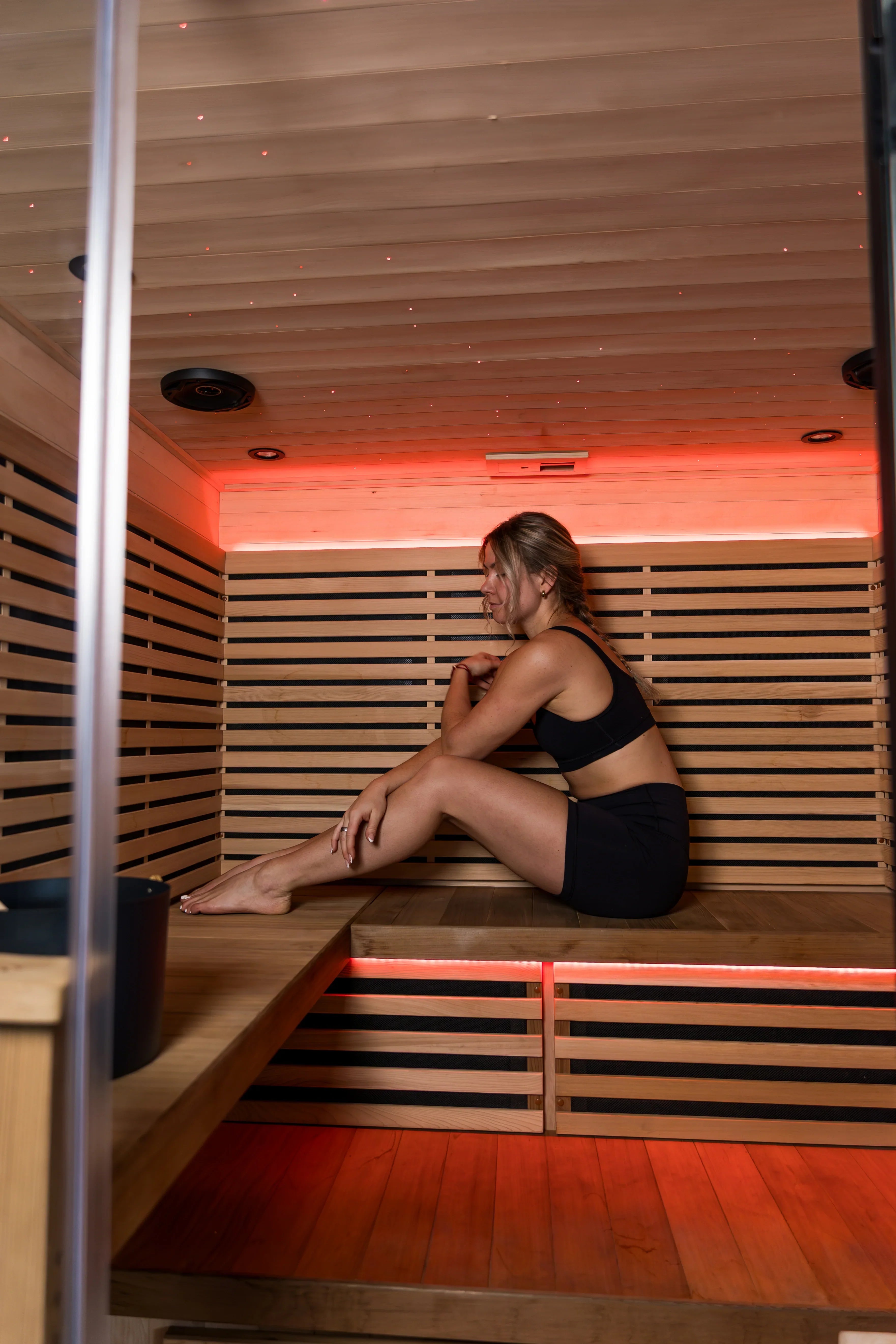
You have probably heard that saunas help you relax, but the science behind regular sauna use reveals far more than a momentary escape from stress. Emerging research shows that consistent heat exposure supports cardiovascular health, enhances recovery, and builds mental resilience in ways that complement your fitness routine. This guide unpacks the evidence on how saunas work at a cellular level, when to use them for performance gains, and how to integrate heat therapy safely into your wellness strategy for tangible, long-term benefits.
Table of Contents
- Understanding Sauna Benefits For Physical Performance And Recovery
- Cardiovascular And Mental Health Benefits Of Regular Sauna Use
- Comparing Sauna With Other Recovery Therapies: Hot, Cold, And Contrast Approaches
- How To Safely Integrate Sauna Sessions Into Your Wellness Routine
- Enhance Your Wellness Journey With Coldture Saunas And Cold Plunges
Key takeaways
| Point | Details |
|---|---|
| Cardiovascular support | Regular sauna use lowers hypertension risk by up to 47% and improves vascular function. |
| Recovery enhancement | Post-exercise sauna bathing activates heat shock proteins that aid cellular repair and reduce stress damage. |
| Dose-dependent benefits | Frequent sessions (4-7 per week) correlate with the strongest longevity and health outcomes. |
| Safety matters | Individuals with heart conditions should consult healthcare providers before starting regular sauna protocols. |
| Contextual therapy choice | Heat therapy excels for vascular gains, while cold therapy targets acute inflammation and soreness. |
Understanding sauna benefits for physical performance and recovery
Sauna sessions do more than make you sweat. When you expose your body to sustained heat, you trigger biological responses that overlap with exercise adaptations. Chronic post-exercise heat exposure may improve running performance, especially in hot conditions, by enhancing heat acclimation and cardiovascular efficiency. These adaptations include increased plasma volume, improved thermoregulation, and better oxygen delivery to working muscles. The catch? Benefits vary by sport type, baseline fitness, and how consistently you pair sauna use with training.

Heat stress activates heat shock proteins that protect cells from oxidative damage and support protein maintenance during recovery. These molecular chaperones stabilize cellular structures under stress, helping tissues repair faster after intense workouts. Think of them as your body’s internal quality control system, ensuring proteins fold correctly and damaged cells get flagged for repair. This process complements the mechanical stress of exercise, but it does not replace physical training. You still need to lift, run, or swim to build strength and endurance.
Post-exercise sauna bathing can transiently support acute recovery by increasing blood flow and reducing muscle stiffness. Some athletes report feeling fresher the next day, though evidence on direct performance gains remains mixed. A 15-minute sauna session after a hard workout may help clear metabolic waste products and deliver nutrients to fatigued tissues. However, the timing and frequency of sauna use matter. Too much heat too soon after resistance training might interfere with muscle adaptation, while strategic use during endurance blocks could enhance heat tolerance and cardiovascular function.
Pro Tip: If you are training for an event in hot weather, add two to three post-workout sauna sessions per week starting eight weeks out to build heat acclimation without adding extra training volume.
The dose-response relationship for sauna benefits is clear. More frequent use correlates with stronger outcomes, but you need to balance heat exposure with recovery demands. Athletes in heavy training blocks should start conservatively and monitor fatigue levels. If you notice persistent soreness or declining performance, scale back sauna frequency until your body adapts. Heat therapy works best when integrated thoughtfully, not piled on top of an already maxed-out training schedule.
Key factors influencing sauna effectiveness:
- Individual heat tolerance and baseline cardiovascular fitness
- Sport-specific demands (endurance athletes may benefit more than powerlifters)
- Timing relative to training sessions (post-workout versus standalone)
- Session duration and temperature (15-30 minutes at 170-195°F is typical)
For context on how heat therapy compares to other recovery modalities, check out whether cold plunges reduce inflammation or explore the broader science of heat therapy biology for longevity and disease prevention.
Cardiovascular and mental health benefits of regular sauna use
Your heart and blood vessels respond powerfully to repeated heat exposure. Frequent sauna use lowers hypertension risk by 47% and significantly reduces cardiovascular mortality when practiced consistently over years. These benefits stem from improved vascular function, including increased blood flow, reduced arterial stiffness, and better endothelial health. Each sauna session mimics moderate cardiovascular exercise by raising heart rate and redistributing blood flow to the skin, forcing your circulatory system to adapt and strengthen over time.
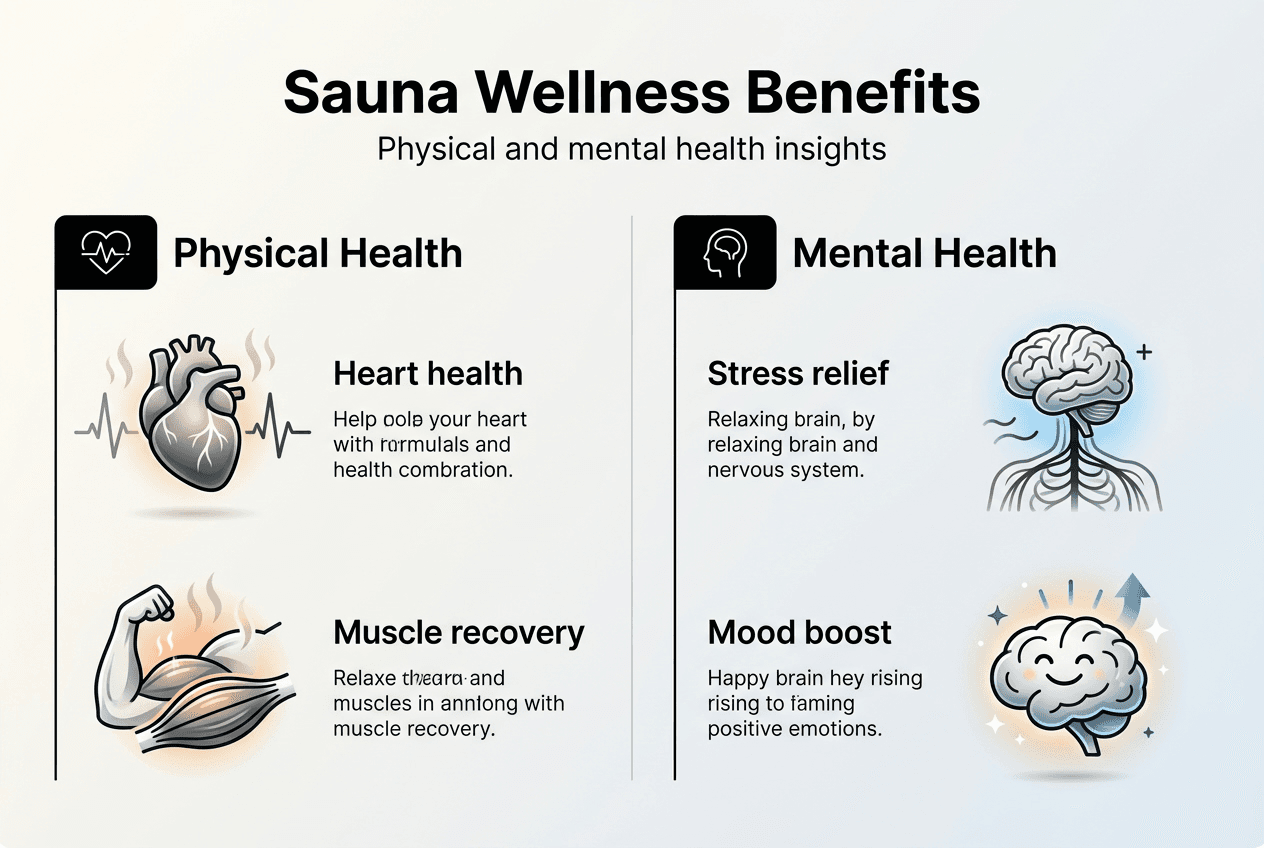
Sauna bathing reduces blood pressure in healthy adults by promoting vasodilation and improving autonomic nervous system balance. When you sit in a hot sauna, blood vessels near the skin expand to dissipate heat, which lowers peripheral resistance and eases the workload on your heart. Over weeks and months, these acute responses translate into lasting improvements in vascular compliance and blood pressure regulation. If you have borderline hypertension or a family history of heart disease, regular sauna use could be a valuable addition to lifestyle interventions like exercise and diet.
Emerging evidence links sauna use with mental health benefits, including stress reduction and improved resilience. The physiological stress of heat exposure activates pathways that help your nervous system adapt to stressors, potentially building psychological hardiness over time. Some research suggests that the social aspect of sauna bathing, common in cultures with strong sauna traditions, contributes to mental wellbeing by fostering connection and relaxation. While more studies are needed, early findings point to saunas as a tool for managing stress and supporting emotional balance.
Heat exposure causes plasma volume redistribution and increased skin blood flow, which supports cardiovascular health by improving circulation and nutrient delivery. Your body adapts to repeated heat stress by expanding blood volume and enhancing sweating efficiency, both of which help maintain core temperature during physical exertion. These adaptations carry over to exercise performance, especially in hot environments, and may reduce the risk of heat-related illness during competition or outdoor training.
Critical cardiovascular considerations:
- Individuals with existing heart conditions should consult healthcare providers before starting regular sauna use
- Sauna bathing poses unique risks for people with unstable angina, recent myocardial infarction, or severe aortic stenosis
- Women on average may experience higher cardiovascular strain during heat exposure compared to men
- Dehydration amplifies cardiovascular stress, so hydration before and after sessions is essential
For a complementary recovery strategy, explore contrast therapy or dive into the broader science of heat and cold therapy for a complete picture of how temperature extremes support health.
Comparing sauna with other recovery therapies: hot, cold, and contrast approaches
Heat therapy excels at improving vascular function and supporting endurance adaptations, but cold therapy dominates when you need to reduce acute soreness and inflammation. Hot, cold, and contrast therapies all improve short-term recovery, reduce muscle soreness, and enhance performance in context-dependent ways. The key is matching the therapy to your training phase and recovery goals. If you are in a high-volume endurance block, saunas might amplify cardiovascular adaptations. If you just crushed a heavy squat session and need to manage soreness, cold immersion could be the better choice.
Cold water immersion reduces delayed onset muscle soreness for up to 48 hours post-exercise by constricting blood vessels and limiting inflammatory signaling. This makes cold therapy ideal for athletes who need to bounce back quickly between competitions or high-intensity training days. However, cold exposure immediately after resistance training may blunt strength and hypertrophy gains by interfering with the inflammatory signals that drive muscle growth. Timing matters. Use cold therapy strategically during competition phases, but avoid it right after heavy lifting if your goal is muscle building.
Contrast therapy combines the benefits of both hot and cold by alternating exposure, which creates a pumping effect that enhances circulation and waste removal. A typical protocol involves three to five cycles of three minutes in a sauna followed by one minute in a cold plunge. This approach may offer the best of both worlds: the vascular benefits of heat and the anti-inflammatory effects of cold. Athletes who use contrast therapy often report feeling more recovered and less stiff the next day, though individual responses vary.
| Therapy Type | Best For | Key Mechanism | Timing Considerations | | — | — | — | | Sauna (heat) | Vascular health, endurance, long-term wellness | Increased blood flow, heat shock protein activation | Post-endurance training, standalone sessions | | Cold plunge | Acute soreness, inflammation control | Vasoconstriction, reduced metabolic activity | Avoid immediately after resistance training | | Contrast therapy | Overall recovery, circulation enhancement | Alternating vasodilation and vasoconstriction | Flexible, works well between training blocks |
Choosing the right therapy depends on your recovery goals and where you are in your training cycle. If you are peaking for a race, saunas and contrast therapy can support cardiovascular readiness without interfering with adaptations. If you are in a strength phase, save cold therapy for active recovery days and prioritize sleep and nutrition for muscle growth. The most effective recovery strategy is the one you can sustain consistently, so experiment with different modalities and track how you feel and perform.
Pro Tip: Use contrast therapy on active recovery days to enhance circulation without adding training stress, and save cold plunges for high-soreness days when you need rapid inflammation control.
For practical guidance on implementing contrast protocols, revisit the contrast therapy guide or learn more about cold plunges and inflammation to refine your recovery toolkit.
How to safely integrate sauna sessions into your wellness routine
Start with two to three sauna sessions per week, each lasting 15 to 30 minutes, and gradually increase frequency as your body adapts. 2-3 sessions per week provide general cardiovascular and recovery benefits, while 4-7 sessions correlate with the strongest longevity outcomes. If you are new to heat exposure, begin at the lower end of the duration range and monitor how you feel. Signs of overheating include dizziness, nausea, or excessive fatigue. If you experience any of these, exit the sauna immediately and cool down gradually.
Hydrate thoroughly before and after each session to support plasma volume and cardiovascular function. Heat exposure increases sweat rate and fluid loss, which can impair performance and recovery if not replaced. Aim to drink 16 to 24 ounces of water in the hour before your sauna session and another 16 to 24 ounces afterward. If you are combining sauna use with intense training, consider adding electrolytes to your hydration strategy to replace sodium and potassium lost through sweat.
Individuals with heart conditions, high blood pressure, or other cardiovascular risk factors should seek medical advice before starting regular sauna use. Sauna bathing poses specific risks for people with unstable angina, recent heart attacks, or severe valve disease. Even if you feel healthy, a baseline cardiovascular assessment can help identify hidden risk factors and guide safe heat exposure protocols. Your healthcare provider can also advise on medication interactions, as some drugs affect blood pressure and thermoregulation.
Infrared saunas offer a milder heat option for those sensitive to the intense temperatures of traditional Finnish saunas. Infrared units heat your body directly using radiant energy, allowing for longer sessions at lower ambient temperatures (typically 120-150°F). This can be more comfortable for beginners or individuals with heat intolerance, while still delivering cardiovascular and recovery benefits. If you are exploring infrared options, check out Coldture’s infrared sauna for a premium, space-efficient solution.
Safe sauna integration checklist:
- Start with 2-3 sessions per week, 15-20 minutes each
- Hydrate with 16-24 ounces of water before and after sessions
- Monitor for signs of overheating (dizziness, nausea, excessive fatigue)
- Consult your healthcare provider if you have cardiovascular risk factors
- Gradually increase frequency to 4-7 sessions per week for maximal benefits
- Consider infrared saunas if you are sensitive to high heat
Pro Tip: Schedule sauna sessions after endurance workouts or on active recovery days to maximize cardiovascular adaptations without interfering with strength training.
Consistency is the key to unlocking sauna benefits. Sporadic use may provide short-term relaxation, but the cardiovascular, recovery, and longevity gains emerge only with regular, sustained practice. Treat sauna sessions as a non-negotiable part of your wellness routine, just like training and sleep. Over weeks and months, you will notice improvements in recovery speed, stress resilience, and overall vitality.
Enhance your wellness journey with Coldture saunas and cold plunges
If you are ready to bring professional-grade heat and cold therapy into your daily routine, Coldture offers a range of indoor and outdoor saunas designed for optimal wellness benefits. Whether you want a compact infrared unit for your apartment or a full-size traditional sauna for your backyard, Coldture’s products combine performance, durability, and elegant design. Pairing a sauna with one of Coldture’s cold plunges creates a complete contrast therapy setup, giving you the flexibility to support recovery, cardiovascular health, and mental resilience in one seamless system.

Explore portable and built-in options tailored to your space and health goals, and take the next step toward a more resilient, energized version of yourself.
FAQ
Are saunas safe for everyone?
Saunas are generally safe for healthy adults, but certain cardiovascular populations require caution. If you have heart disease, high blood pressure, or other cardiovascular risk factors, consult your healthcare provider before starting regular sauna use. Proper hydration and gradual acclimation improve safety for most people. Women may experience higher cardiovascular strain during heat exposure compared to men, so start conservatively and listen to your body.
How often should I use a sauna for best results?
Start with 2-3 sessions per week, each lasting 15 to 30 minutes, and gradually increase frequency as tolerated. Consistency is key to gaining cardiovascular, recovery, and mental health benefits. More frequent use (4-7 sessions per week) correlates with the strongest longevity outcomes, but you should balance heat exposure with your training demands and recovery capacity.
Can sauna use improve mental health and resilience?
Regular sauna bathing may support stress reduction and mental resilience based on early research. The physiological stress of heat exposure helps your nervous system adapt to stressors, potentially building psychological hardiness over time. Saunas also provide socialization opportunities that contribute positively to mental wellbeing, especially in cultures with strong communal sauna traditions.
Should I use a sauna before or after workouts?
Use saunas after endurance workouts or on active recovery days to maximize cardiovascular adaptations without interfering with strength training. Post-exercise sauna sessions enhance heat acclimation and support recovery by increasing blood flow and activating heat shock proteins. Avoid intense sauna use immediately before workouts, as it can elevate core temperature and impair performance. If you are training for an event in hot conditions, post-workout sauna sessions help build heat tolerance.
Share:
What is ice bath recovery: a complete guide for 2026
Sauna health checklist for optimal recovery 2026