

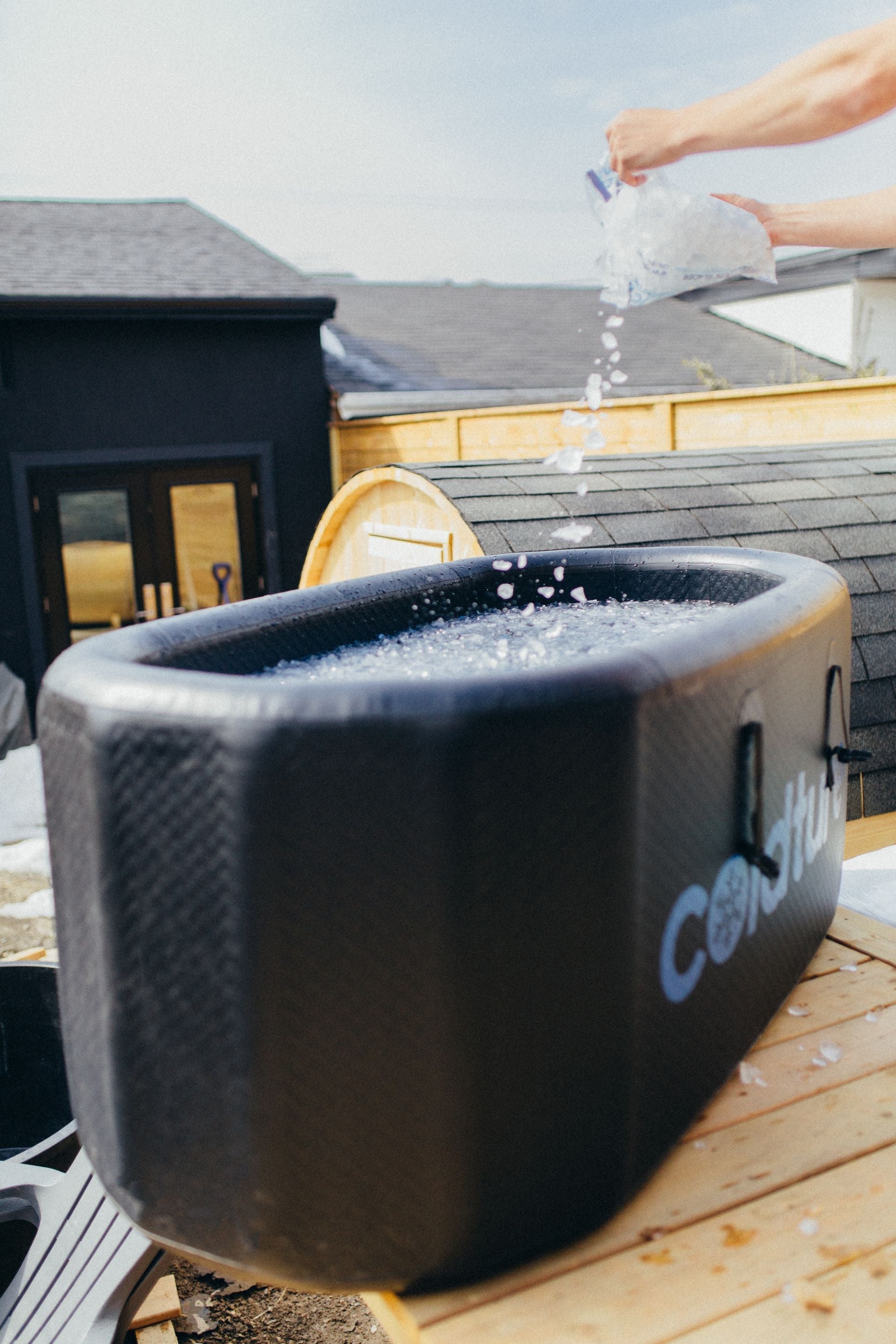
Most people think ice baths are just for elite athletes, but that’s a myth. Ice bath recovery is a powerful tool for anyone looking to reduce muscle soreness, boost mental resilience, and speed up physical recovery. Whether you’re a weekend warrior or a wellness enthusiast, understanding how cold water immersion works can transform your recovery routine. This guide breaks down the science, safety guidelines, and practical tips you need to integrate ice baths effectively into your wellness practice.
Table of Contents
- What Is Ice Bath Recovery And How Does It Work?
- Optimal Guidelines For Effective And Safe Ice Bath Recovery
- Comparing Ice Baths To Other Recovery Methods: Pros And Cons
- How To Integrate Ice Bath Recovery Into Your Wellness Routine
- Explore Coldture’s Premium Cold Plunges And Wellness Products
- Frequently Asked Questions
Key takeaways
| Point | Details |
|---|---|
| Reduces inflammation | Ice baths decrease muscle soreness and cellular damage after intense physical activity. |
| Builds mental toughness | Cold exposure enhances stress tolerance, focus, and alertness. |
| Requires proper timing | Optimal sessions last 5 to 15 minutes at 50 to 59°F for maximum benefits. |
| Not for everyone | Pregnancy, cardiovascular conditions, and cold allergies require caution or avoidance. |
| Complements other methods | Combining ice baths with saunas or red light therapy can amplify recovery results. |
What is ice bath recovery and how does it work?
Ice bath recovery involves immersing your body in cold water, typically near freezing temperatures, after exercise or physical exertion. This practice triggers a cascade of physiological responses that help your body recover faster and more effectively. The cold water constricts blood vessels, reduces metabolic activity, and decreases swelling and tissue breakdown.
When you step out of the ice bath, your body rapidly rewarms. Blood vessels dilate, and oxygen-rich blood floods back into your muscles. This process helps flush out metabolic waste products like lactic acid while delivering fresh nutrients to damaged tissues. Ice bath recovery reduces muscle soreness and speeds up recovery after exercise, making it a favorite among athletes and fitness enthusiasts.
Beyond the physical benefits, ice baths deliver powerful mental advantages. The shock of cold water forces you to control your breathing and stay calm under stress. Over time, this builds mental toughness that carries over into daily life. You’ll notice increased alertness, sharper focus, and better stress management after regular sessions.
Typical ice bath protocols involve water temperatures between 50 and 59°F and immersion times of 5 to 15 minutes. These parameters strike a balance between triggering beneficial physiological responses and avoiding excessive stress on your system. Beginners should start at the warmer end of this range with shorter durations.
Cold water immersion provides a unique combination of physical recovery and mental conditioning that few other wellness practices can match.
The science behind cold water immersion continues to evolve. Researchers have documented benefits including:
- Reduced inflammation markers in blood tests
- Lower perceived muscle soreness scores
- Faster return to peak performance levels
- Improved sleep quality following sessions
- Enhanced immune system function with regular practice
Optimal guidelines for effective and safe ice bath recovery
Getting ice bath recovery right requires attention to temperature, timing, and your individual response. Water temperature should stay between 50 and 59°F for most people. Colder temperatures aren’t necessarily better and can increase risks without adding benefits. Following correct temperature and timing guidelines maximizes recovery benefits while minimizing risks.
Immersion duration depends on water temperature and your experience level. Beginners should start with 5 minutes at 55 to 59°F. As you adapt, you can gradually extend sessions to 10 or 15 minutes. Never exceed 15 minutes, even if you feel comfortable. Prolonged exposure can lead to hypothermia or other complications.
Certain conditions require extra caution or complete avoidance of ice baths:
- Pregnancy or trying to conceive
- Cardiovascular disease or heart conditions
- High blood pressure not controlled by medication
- Raynaud’s disease or cold allergies
- Open wounds or recent surgeries
- Diabetes with poor circulation
Pro Tip: Start your ice bath journey with milder temperatures around 59°F for just 3 to 5 minutes. Monitor how your body responds before progressing to colder water or longer sessions.
Here’s a practical framework for safe ice bath practice:
| Temperature Range | Duration | Experience Level | Benefits | Risks |
|---|---|---|---|---|
| 55-59°F | 3-5 minutes | Beginner | Mild inflammation reduction, mental adaptation | Low risk if healthy |
| 50-55°F | 5-10 minutes | Intermediate | Moderate recovery benefits, improved circulation | Moderate discomfort, requires monitoring |
| 45-50°F | 10-15 minutes | Advanced | Maximum anti-inflammatory effects, peak mental benefits | Higher risk of cold shock, not for everyone |
The step-by-step process for safe immersion starts before you enter the water. Prepare mentally by taking deep breaths and setting a timer. Enter slowly, submerging your legs first, then your torso. Keep your hands and head above water initially. Focus on controlled breathing to manage the cold shock response.
During the session, breathe deeply and steadily. Avoid hyperventilating or holding your breath. Move your fingers and toes occasionally to maintain circulation. Exit immediately if you experience severe shivering, numbness, confusion, or chest pain.
After exiting, dry off quickly and dress in warm layers. Light movement helps restore normal body temperature. Avoid hot showers immediately after, as rapid rewarming can cause dizziness. Instead, let your body warm naturally for 10 to 15 minutes.

Understanding ice amount for cold plunge setups helps you maintain consistent temperatures. Most home users need 20 to 40 pounds of ice to drop water temperature effectively, depending on starting temperature and tub size.
Comparing ice baths to other recovery methods: pros and cons
Recovery methods vary widely in effectiveness, cost, and convenience. Ice bath recovery stands out for its powerful anti-inflammatory effects and mental conditioning benefits, but it’s not the only option. Understanding how different approaches compare helps you build a recovery strategy that fits your goals and lifestyle.
Active recovery involves light exercise like walking, swimming, or yoga after intense workouts. It promotes blood flow without adding stress. Compression therapy uses tight garments or pneumatic devices to enhance circulation and reduce swelling. Massage manipulates soft tissue to release tension and improve flexibility. Heat therapy, including saunas, relaxes muscles and increases blood flow through vasodilation.
Cold plunging can be more effective than passive recovery in reducing post-exercise soreness. The vasoconstriction and subsequent reperfusion create a pumping effect that clears metabolic waste more efficiently than simply resting.
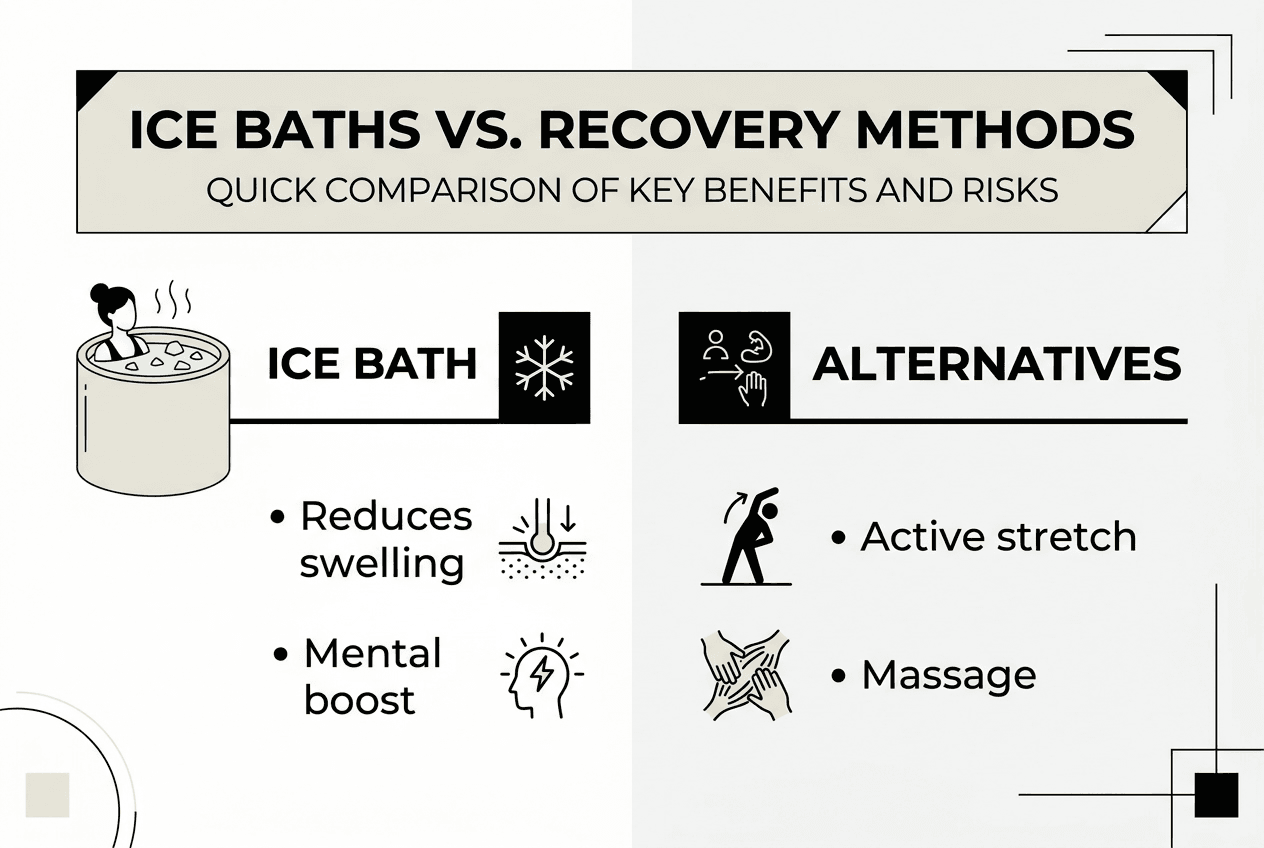
| Method | Pros | Cons | Duration | Cost | Best For |
|---|---|---|---|---|---|
| Ice Bath | Reduces inflammation, builds mental toughness, fast results | Uncomfortable, requires equipment, not for everyone | 5-15 min | Medium to high | Post-workout soreness, athletes |
| Active Recovery | Gentle, accessible, improves mobility | Slower results, requires energy | 20-30 min | Free to low | Daily maintenance, light soreness |
| Compression | Convenient, portable, comfortable | Limited inflammation reduction, ongoing cost | 30-60 min | Medium | Travel, swelling management |
| Massage | Releases tension, relaxing, improves flexibility | Expensive, requires scheduling | 30-90 min | High | Chronic tightness, stress relief |
| Heat Therapy | Relaxing, improves circulation, accessible | Can increase inflammation if used too soon | 15-30 min | Low to medium | Chronic pain, relaxation |
Ice baths excel in specific situations:
- Immediately after high-intensity training or competition
- When muscle soreness needs rapid reduction
- For building mental resilience and stress tolerance
- During periods of frequent, intense physical activity
- When inflammation management is the primary goal
Alternatives work better in other contexts. Active recovery suits daily maintenance between hard sessions. Massage addresses chronic muscle tension that cold therapy can’t reach. Heat therapy helps with stiffness and chronic pain that doesn’t involve acute inflammation.
Pro Tip: Combine ice baths with contrast therapy by alternating between cold plunges and sauna sessions. This creates a powerful vascular workout that amplifies recovery benefits beyond what either method provides alone.
The unique mental component of ice bath recovery sets it apart. Few other recovery methods challenge your psychological resilience while simultaneously healing your body. This dual benefit makes cold plunge recovery particularly valuable for people seeking both physical and mental growth.
Cost considerations matter for long-term sustainability. While ice baths require upfront investment in equipment, the per-use cost drops significantly over time compared to ongoing massage or compression therapy expenses. Home cold plunge units offer convenience and privacy that commercial facilities can’t match.
How to integrate ice bath recovery into your wellness routine
Successfully incorporating ice bath recovery requires a systematic approach that respects your body’s adaptation process. Start by choosing the right frequency based on your training intensity and recovery needs. Most people benefit from two to four sessions per week, timed strategically after their hardest workouts.
Timing matters significantly for optimal results. The most effective window is within 30 to 60 minutes after exercise, when inflammation processes are just beginning. This early intervention helps control the inflammatory response before it peaks. Some people also use morning ice baths on rest days to boost alertness and mental clarity.
Here’s a practical integration roadmap:
- Week one: Try one 5-minute session at 55 to 59°F after your hardest workout to establish baseline tolerance.
- Week two: Add a second weekly session and extend duration to 7 minutes if the first week felt manageable.
- Week three: Gradually lower temperature to 50 to 55°F while maintaining 7 to 10 minute sessions.
- Week four: Establish your sustainable routine with two to four sessions weekly based on training load.
- Ongoing: Adjust frequency and intensity based on recovery needs, competition schedule, and how your body responds.
Your body sends clear signals about when to adjust your ice bath practice. Excessive fatigue, persistent soreness despite regular sessions, or dreading your ice bath time all indicate you might be overdoing it. Conversely, if sessions feel easy and you’re recovering well, you can experiment with slightly colder temperatures or longer durations.
Combining ice baths with other wellness practices creates synergistic effects. Proper hydration before and after sessions supports the circulatory benefits. Protein-rich nutrition within two hours of your ice bath provides building blocks for muscle repair. Quality sleep allows your body to fully capitalize on the recovery stimulus.
Pro Tip: Listen to your body’s feedback and don’t push through warning signs like severe shivering, numbness, or confusion. If you’re unsure whether ice baths are appropriate for your situation, consult a healthcare provider or sports medicine professional for personalized guidance.
Consistent ice bath practice can enhance both physical recovery and mental resilience over time. The cumulative benefits build gradually, with most people noticing significant improvements in recovery speed and stress management within four to six weeks of regular practice.
Preparation rituals help maximize each session’s effectiveness. Set up everything you need beforehand: timer, towel, warm clothes, and any music or breathing exercises you use. Mental preparation through breathwork or meditation before entering the water helps you stay calm during the cold exposure.
Tracking your sessions provides valuable data for optimization. Note water temperature, duration, how you felt during and after, and your perceived recovery quality over the following 24 to 48 hours. Patterns will emerge that help you fine-tune your personal protocol.
Explore Coldture’s premium cold plunges and wellness products
Ready to make ice bath recovery a consistent part of your wellness routine? Coldture designs premium cold plunges that bring professional-grade recovery into your home. Our cold plunges collection features beautifully crafted units with precise temperature control, durable construction, and elegant designs that complement any space.
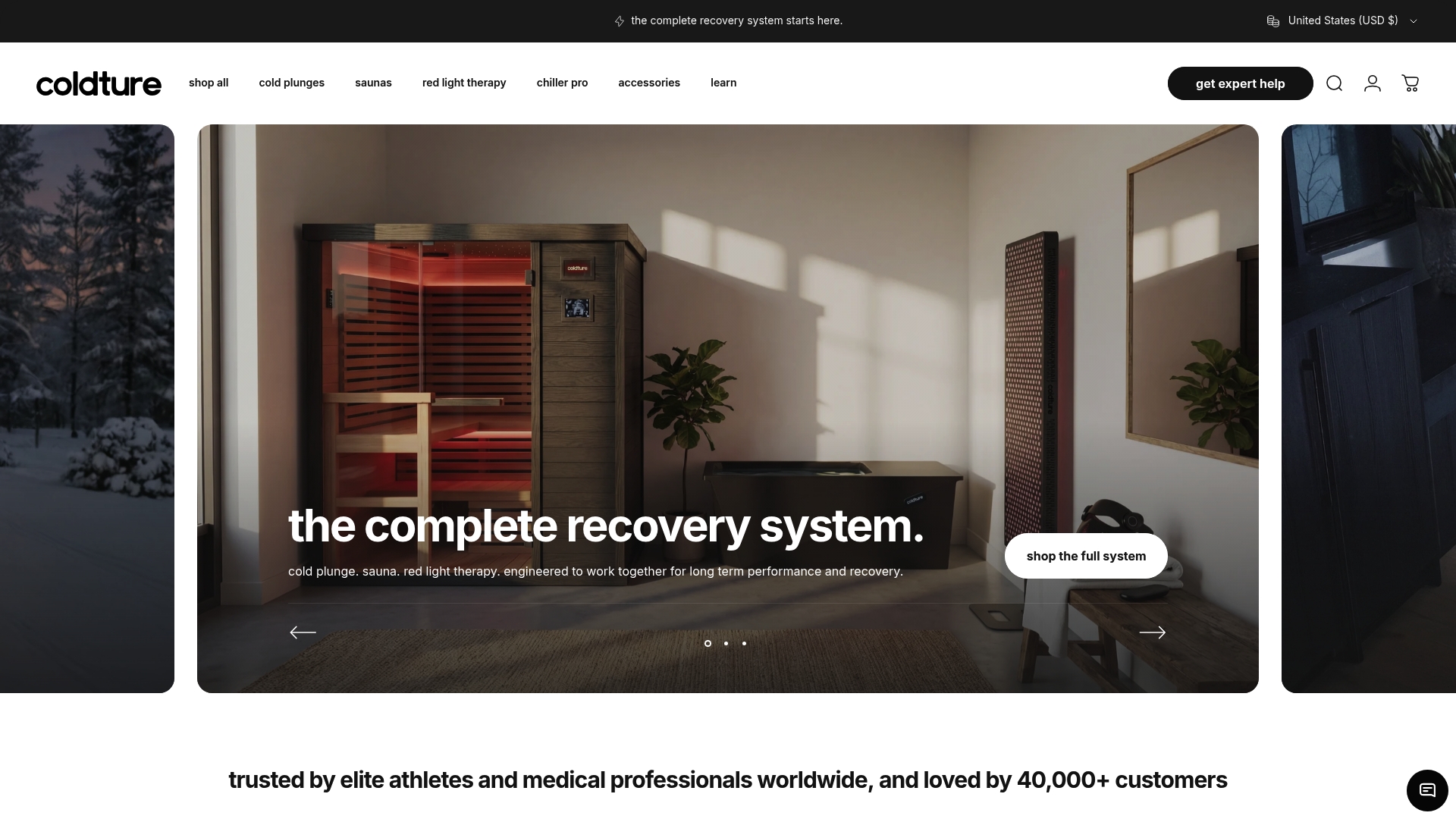
Beyond cold therapy, we offer complementary wellness tools to amplify your recovery results. Our indoor and outdoor saunas pair perfectly with cold plunges for contrast therapy sessions. Red light therapy devices support cellular recovery, reduce inflammation, and enhance overall wellness. Together, these tools create a complete home recovery system that addresses every aspect of physical and mental restoration.
Frequently asked questions
Is ice bath recovery safe for everyone?
Ice bath recovery is not safe for everyone. Certain conditions like pregnancy or cardiovascular issues may make ice baths unsafe. People with high blood pressure, Raynaud’s disease, cold allergies, or diabetes with poor circulation should avoid cold water immersion. Always consult your healthcare provider before starting ice bath practice, especially if you have any underlying health conditions or concerns about how your body might respond.
How long should an ice bath session last for beginners?
Beginners should start with shorter durations around 5 minutes to acclimate safely. Use water temperatures at the warmer end of the range, between 55 and 59°F. Monitor your body’s reactions closely during and after each session. As you adapt over several weeks, you can gradually extend duration to 10 or 15 minutes and lower temperatures toward 50°F. Never rush the adaptation process, as your body needs time to develop tolerance safely.
What are the mental benefits of ice bath recovery?
Cold exposure can improve mental resilience, alertness, and stress management. The practice forces you to control your breathing and remain calm under physical stress, which translates to better emotional regulation in daily life. Regular ice bath users report enhanced focus, increased energy levels, and improved ability to handle challenging situations. The discipline required to consistently practice cold exposure also builds mental toughness that carries over into other areas of life.
Can ice baths help reduce inflammation effectively?
Yes, ice baths are effective at reducing inflammation and muscle soreness after intense exercise. The cold water constricts blood vessels and slows metabolic processes, which limits tissue damage and swelling. When you exit the ice bath, the subsequent reperfusion of oxygen-rich blood helps clear inflammatory byproducts. Ice baths work best when combined with other recovery strategies like proper nutrition, adequate sleep, and appropriate training load management for comprehensive inflammation control.
Share:
How to Build a Recovery Routine That Actually Sticks
Why use saunas for wellness: Benefits and insights 2026