

Calories Burned in a Sauna: What the Science Really Says
Science + Recovery | 6 min read
This is one of the most searched sauna questions, and it is also one of the most misrepresented. The honest answer is that a sauna does burn some extra calories, but far fewer than the dramatic numbers floating around online, and the weight you lose during a session is not what most people think it is. Here is the real science.
Yes, a Sauna Burns Some Calories
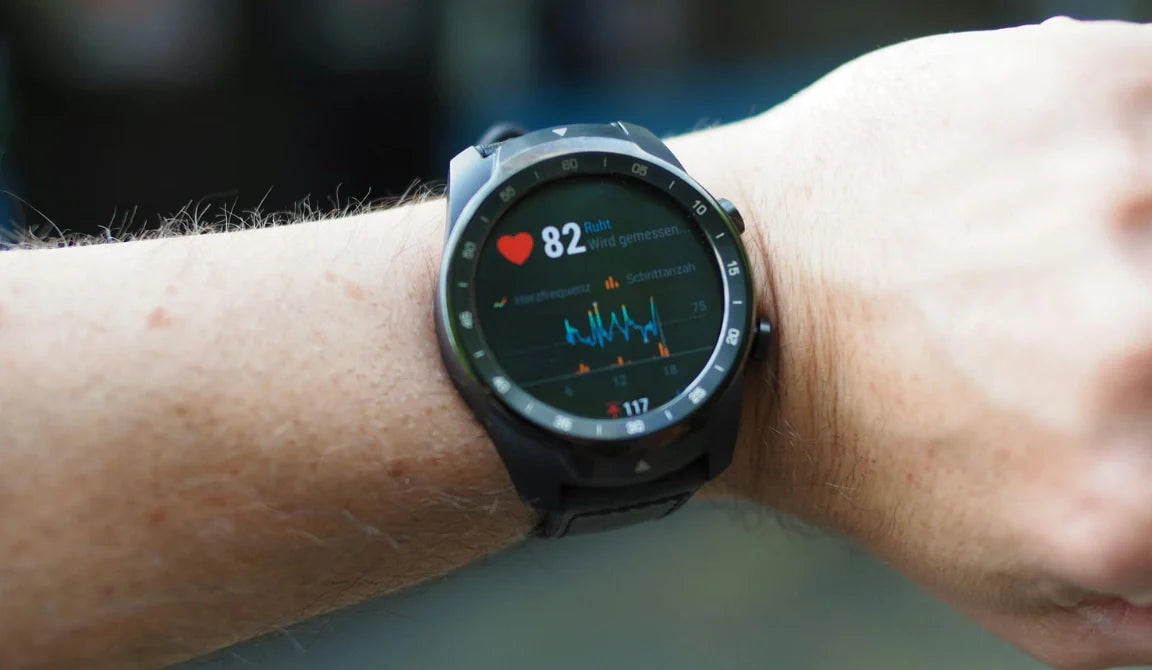
When you sit in a sauna, your body works to cool itself. Your heart rate rises into the range of light to moderate cardio, blood vessels dilate, and your metabolism increases modestly to manage the thermal load. [1] That cardiovascular and thermoregulatory effort does cost energy beyond what you would burn sitting at room temperature.
So the premise is not wrong: a sauna session burns more calories than resting. The issue is the magnitude. The increase is modest, comparable to a gentle increase over your resting rate, not the hundreds of extra calories some sources claim. A sauna is not a workout in calorie terms, and treating it as one sets up false expectations.
The Weight Loss Myth
Here is the part that causes the most confusion. People step on the scale after a sauna, see a drop, and conclude they burned fat. They did not.
A single sauna session can produce up to a litre of sweat depending on duration and temperature. [2] That sweat is water, and the weight lost is water weight that returns the moment you rehydrate, which you should do promptly after every session. It is not fat loss, and chasing the scale number after a sauna is a misunderstanding of what happened. Proper hydration before and after is part of using a sauna safely.
What is real is that many people report feeling less bloated and lighter after regular use, which is part of the subjective appeal even though it is distinct from changes in body composition.
What the Sauna Actually Does Well
The calorie question is almost a distraction from where the sauna's real value lies. The genuine, research-supported benefits are cardiovascular conditioning, the heart works during a session in a way associated with long-term cardiovascular health, recovery support after training, and a documented increase in growth hormone tied to the thermal stress of a session. [1][3]
The most useful way to think about a sauna is as a recovery and cardiovascular tool that complements training, not as a fat-burning device. Used consistently, it supports the work you do elsewhere. The longevity research out of Finland, which documented substantial cardiovascular and cognitive benefits from regular sauna use, was never about calories. It was about what consistent heat exposure does for the body over time.
Using a Sauna for the Right Reasons
If your goal is body composition, the sauna is a supporting player to training and nutrition, not a primary tool. If your goal is recovery, cardiovascular health, and the systemic benefits of regular heat exposure, the sauna delivers, and that is a far more compelling reason to use one.
The Coldture Pod Sauna and Corner Pod Sauna combine far and near infrared heat with dedicated red light panels at 660 nm and 850 nm, built for the consistent daily use where the real benefits accumulate. For traditional dry heat, the Pro Outdoor Sauna reaches 110°C with a 6.0 kW HUUM heater, and the Hybrid Sauna runs both heat systems in one unit. Browse the full Coldture sauna lineup.
Burn the calories at the gym. Use the sauna for what it actually does well.
This article is for general wellness information and is not medical advice. A sauna is not a weight-loss treatment, and weight lost during a session is water that should be replaced through rehydration. Sauna use carries risks for people with certain cardiovascular conditions. Consult a healthcare professional before beginning a sauna practice.
References
[1] Laukkanen JA, Laukkanen T, Kunutsor SK. "Cardiovascular and other health benefits of sauna bathing: a review of the evidence." Mayo Clinic Proceedings. 2018;93(8):1111-1121. doi.org/10.1016/j.mayocp.2018.04.008
[2] Hussain J, Cohen M. "Clinical effects of regular dry sauna bathing: a systematic review." Evidence-Based Complementary and Alternative Medicine. 2018. doi.org/10.1155/2018/1857413
[3] Kukkonen-Harjula K, Kauppinen K. "How the sauna affects the endocrine system." Annals of Clinical Research. 1988;20(4):262-266. PMID: 3218898.
Share:
Cold Plunges for Runners: What the Science Says About Recovery and Performance
What Is the Best Time to Cold Plunge? Morning, Post-Workout, or Night