

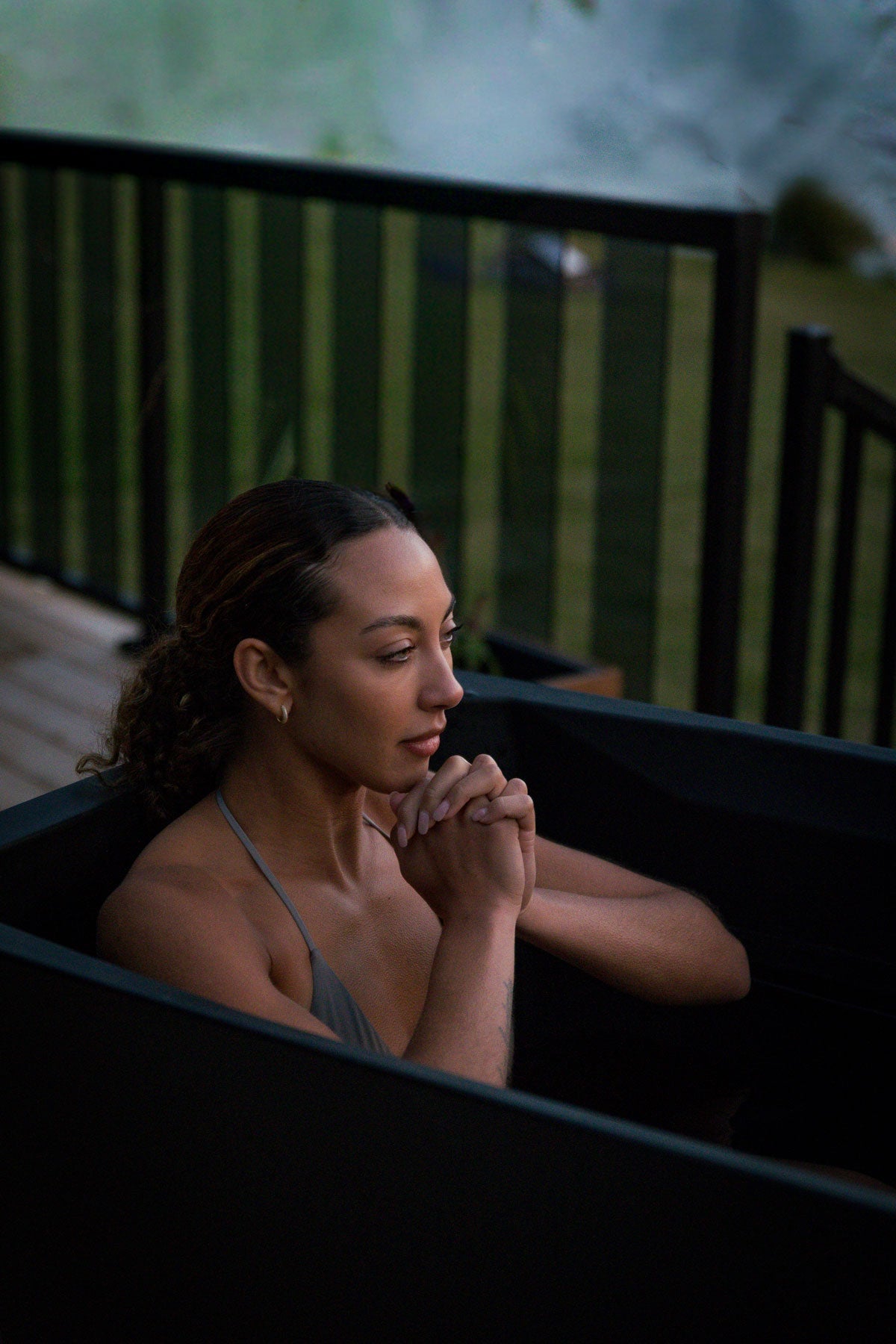
Cold Plunge Temperature and Time: The Complete Science-Backed Guide
Recovery + Science | 8 min read
Key Takeaways
- The research-backed temperature range for cold plunging is roughly 10 to 15°C (50 to 59°F), with many recovery protocols centering near 11 to 12°C.
- Most sessions fall between 2 and 10 minutes; a common practical target is around 11 minutes of total cold exposure per week, spread across several sessions.
- Colder and longer is not better. The documented benefits come from consistent, manageable exposure, not extreme cold or marathon sessions.
- Consistency beats intensity. Adaptations in mood, recovery, and resilience come from repeated exposure over time.
- A temperature-controlled system is the most reliable way to hit the right range every session and sustain the habit.
Unlocking the Ideal Cold Plunge Temperature
The first question everyone asks is how cold the water should be. The research points to a usable range rather than a single magic number.
Most cold water immersion studies cluster around 10 to 15°C (50 to 59°F) for recovery and general wellness. [1] This is cold enough to trigger the responses that make cold plunging worthwhile, the cardiovascular response, the norepinephrine release, the shift toward parasympathetic recovery afterward, without requiring the near-freezing temperatures many people assume are necessary.
Colder is not automatically better. Below about 10°C, the cold shock response becomes more pronounced and the safe margin narrows, particularly for beginners. [2] For most people, a target in the 10 to 15°C band is where the evidence is strongest and the practice is most sustainable. Beginners often start warmer and work down as they adapt.
The Science Behind Cold Temperature
When you enter cold water, blood vessels constrict, heart rate and breathing respond, and the body mounts a coordinated stress response. [2] The cold triggers a large release of norepinephrine, tied to alertness and focus, and a sustained rise in dopamine that can last a couple of hours after you get out. [3] Afterward, as the body rewarms, it shifts toward the parasympathetic "rest and recover" state, which is the calm many people describe post-plunge. These responses are the foundation of the recovery, mood, and resilience benefits associated with cold exposure.
Tailoring Duration for Effective Cold Plunging
Duration is where people most often overdo it. The good news is that meaningful exposure does not require long sessions.
For the neurochemical and mood effects, even a few minutes produces a substantial response. [3] For recovery, most studied protocols fall in the range of 5 to 15 minutes of total exposure, sometimes broken into rounds. [1] A frequently cited practical guideline is to accumulate around 11 minutes of cold exposure per week across several sessions, a rule of thumb drawn from the available data rather than a precise prescription. [3]
Extended immersion in very cold water increases risk without clearly increasing benefit. Consistency across the week matters more than heroics in any single session.
Frequency Matters: Establishing a Cold Therapy Regimen
The pattern across cold exposure research is that adaptations come from repeated exposure, not one extreme session. [3] The body learns to handle cold over time: the stress response becomes more efficient, recovery improves, and mental resilience compounds. That only happens with regular practice. A reasonable starting cadence is 3 to 5 sessions per week, adjusted to your goals and recovery.
Best Time of Day to Take a Cold Plunge
Morning delivers a clean, sustained boost in alertness and mood thanks to the norepinephrine and dopamine response, which can carry through the morning hours. [3]
Post-workout reduces muscle soreness and speeds perceived recovery. [1] One caveat: cold immersion immediately after resistance training may slightly blunt muscle-building adaptations from that session, so if strength is the priority, consider separating the plunge by a few hours. [4]
Evening is individual. The wind-down effect helps some people sleep, while the alerting effect keeps others awake if done too close to bed. Leave a buffer and see how your body responds. [2]
The best time is ultimately the one you will actually repeat consistently.
Cold Plunge Tips and Safety Measures
- Never plunge alone when you are new to it.
- Enter in a controlled way and focus on steady breathing through the initial cold shock.
- Start warmer and shorter, then progress gradually.
- Exit if you feel unwell, numb, or unusually short of breath.
- People with cardiovascular conditions, high blood pressure, or who are pregnant should consult a doctor first.
Enhancing Cold Plunging With Complementary Practices
Cold exposure pairs naturally with heat. Contrast therapy, alternating cold and heat, is a popular recovery routine, and because Coldture systems run from 3 to 40°C, the same tub supports both. Pairing a plunge with a sauna session builds a complete recovery practice rather than two separate habits.
Get Your Cold Plunge Equipment Right
The biggest predictor of whether a cold practice sticks is how much friction stands between you and the water. An ice bath that drifts in temperature and demands daily setup is the most common reason people quit.
The Coldture Classic Tub + Chiller holds an exact temperature anywhere from 3 to 40°C, set from your phone, with a 1 HP chiller that maintains the temperature you set every session, no ice required, plus continuous filtration so it is always ready. For smaller spaces, the Barrel Tub + Chiller delivers the same range in a vertical footprint, and the Ultra Barrel Lite + Chiller is the most compact option in the lineup, built for condos and indoor use. Browse the full Coldture cold plunge lineup.
Summary
For maximum benefit, aim for water in the 10 to 15°C range, sessions of a few minutes, several times a week, with consistency as the real driver of results. Match the timing to your goal, respect the safety basics, and use a system that makes hitting the right temperature effortless so the habit lasts.
Frequently Asked Questions
How long should you stay in a cold plunge? Most sessions run 2 to 10 minutes. A common practical target is around 11 minutes of total cold exposure per week across several sessions. Longer is not proportionally better.
What temperature should a cold plunge be? Research clusters around 10 to 15°C (50 to 59°F), with many recovery protocols near 11 to 12°C. Beginners often start warmer and work down.
How often should I cold plunge? A reasonable range is 3 to 5 sessions per week. Benefits come from consistency over time rather than occasional extreme sessions.
When is the best time to cold plunge? Morning for alertness and mood, post-workout for recovery (with a timing caveat for strength training), and evening only if it does not disrupt your sleep.
This article is for general wellness information and is not medical advice. Cold water immersion carries risks, particularly for people with cardiovascular conditions. Consult a healthcare professional before beginning a cold exposure practice.
References
[1] Machado AF, et al. "Can water temperature and immersion time influence the effect of cold water immersion on muscle soreness? A systematic review and meta-analysis." Sports Medicine. 2016;46(4):503-514. doi.org/10.1007/s40279-015-0431-7
[2] Tipton MJ, et al. "Cold water immersion: kill or cure?" Experimental Physiology. 2017;102(11):1335-1355. doi.org/10.1113/EP086283
[3] Šrámek P, et al. "Human physiological responses to immersion into water of different temperatures." European Journal of Applied Physiology. 2000;81(5):436-442. doi.org/10.1007/s004210050065
[4] Roberts LA, et al. "Post-exercise cold water immersion attenuates acute anabolic signalling and long-term adaptations in muscle to strength training." Journal of Physiology. 2015;593(18):4285-4301. doi.org/10.1113/JP270570
Share:
Red Light Therapy Benefits: What the Science Actually Says
This Father's Day, Skip the Gadget. Give Him Something His Body Will Thank You For.