

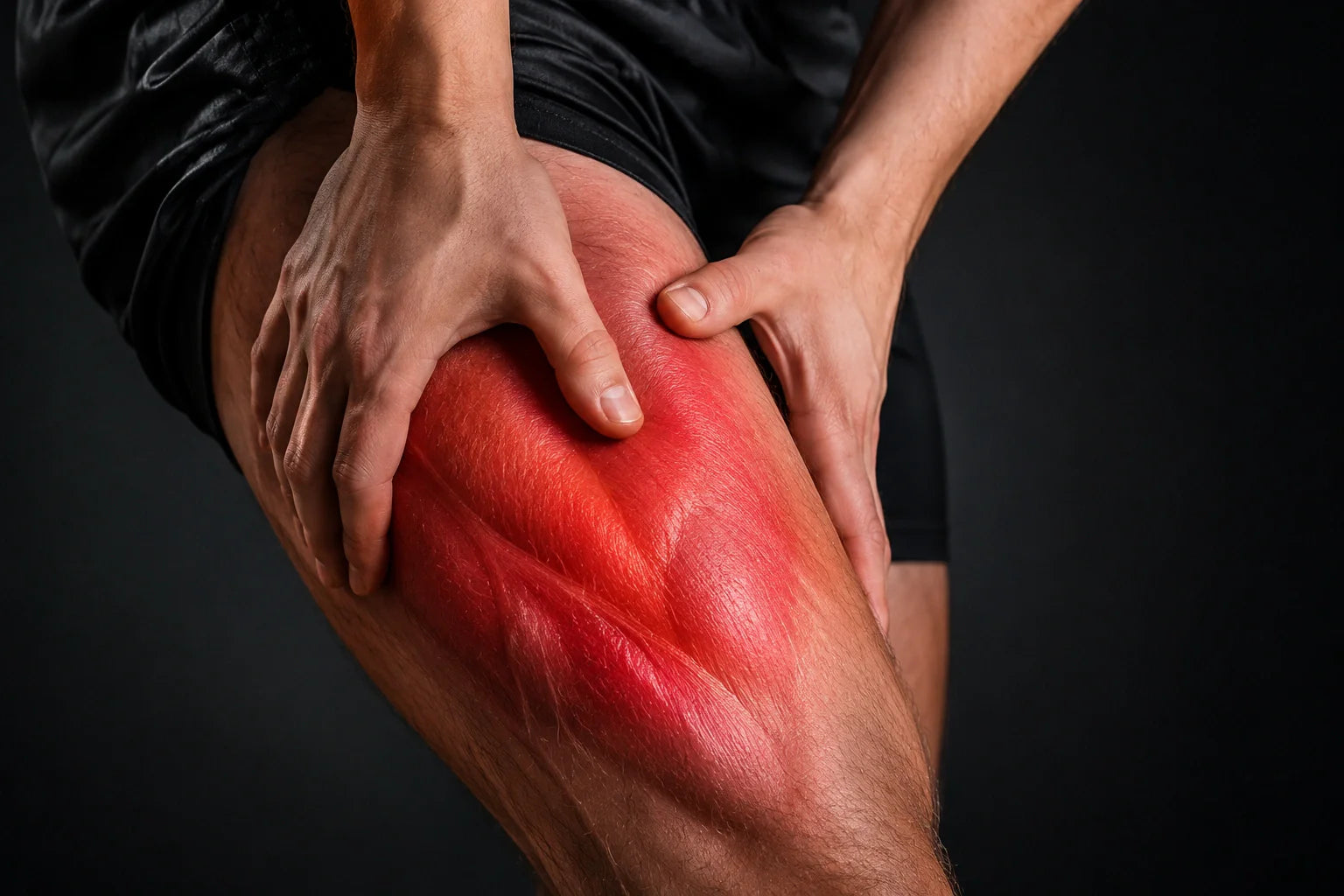
Ice Bath Temperature: The Ideal Range for Muscle Recovery
Science + Recovery | 7 min read
For muscle recovery specifically, the temperature of your ice bath matters, and the research is more specific here than for general cold exposure. Here is the range the studies actually used, why it works, and one important nuance about timing that most people miss.
The Range the Research Uses
The bulk of cold water immersion research focused on muscle recovery uses water temperatures in the range of roughly 10 to 15°C (50 to 59°F), with many protocols centering around 11 to 12°C. [1] A systematic review and meta-analysis examining the effect of water temperature and immersion time on muscle soreness found that immersion in this range was effective for reducing delayed-onset muscle soreness after exercise. [1]
This range is cold enough to drive the vasoconstriction and reduced tissue temperature that underlie the recovery effect, without crossing into the extreme cold that increases risk and discomfort without adding clear benefit. You do not need near-freezing water for recovery, and the data does not support it as superior.
How Cold Water Aids Muscle Recovery
The mechanism is largely about managing the inflammatory and circulatory response to hard training. Cold immersion causes blood vessels to constrict, which reduces blood flow to the muscles and is thought to limit the swelling and inflammation that contribute to soreness. [2] When you get out and the tissue rewarms, blood flow returns, which may help flush metabolic byproducts from the worked muscle.
The result, documented across multiple studies, is reduced delayed-onset muscle soreness and a faster return to feeling ready to train. [1] This is why cold immersion became a staple in athletic recovery settings.
The Timing Nuance That Matters
Here is the part most people miss. The same inflammatory response that cold immersion blunts is also part of how muscles adapt and grow stronger from training. Some research suggests that routine cold immersion immediately after resistance training may slightly interfere with long-term gains in muscle mass and strength. [3]
The practical implication: if your immediate goal is recovery, feeling better faster, for competition, a tournament, or back-to-back training days, cold immersion right after the session is useful. If your goal is maximising muscle growth from a specific resistance session, it may be worth separating the plunge from the workout by several hours, or using it on rest days and conditioning days rather than right after heavy lifting. Endurance athletes and those prioritising recovery between sessions benefit most directly.
Getting the Temperature Right, Consistently
The challenge with a traditional ice bath is hitting and holding the right temperature. Dumping ice into water gives you a temperature that starts too cold, drifts warm, and is different every time, which makes it hard to apply the research-backed range consistently.
A chiller-based system solves this directly. The Coldture Classic Tub + Chiller holds an exact temperature anywhere from 3 to 40°C with a 1 HP chiller, so you can set it to 11 or 12°C and get that every session, no ice required. The Barrel Tub + Chiller offers the same precision in a compact vertical design, and for athletes who want both cold and heat for contrast recovery, the same systems run all the way up to 40°C. Browse the full Coldture cold plunge lineup.
For pure muscle recovery, dial in the 10 to 15°C range, keep sessions in the few-minutes range, and mind the timing relative to your strength goals. The temperature is only useful if you can hit it reliably.
This article is for general wellness and recovery information and is not medical advice. Cold water immersion carries risks, particularly for people with cardiovascular conditions. Consult a healthcare professional before beginning a cold exposure practice.
References
[1] Machado AF, et al. "Can water temperature and immersion time influence the effect of cold water immersion on muscle soreness? A systematic review and meta-analysis." Sports Medicine. 2016;46(4):503-514. doi.org/10.1007/s40279-015-0431-7
[2] Ihsan M, et al. "What are the physiological mechanisms for post-exercise cold water immersion in the recovery from prolonged endurance and intermittent exercise?" Sports Medicine. 2016;46(8):1095-1109. doi.org/10.1007/s40279-016-0483-3
[3] Roberts LA, et al. "Post-exercise cold water immersion attenuates acute anabolic signalling and long-term adaptations in muscle to strength training." Journal of Physiology. 2015;593(18):4285-4301. doi.org/10.1113/JP270570
Share:
Should You Cold Plunge When You're Sick?
Cold Plunging During Pregnancy: What the Evidence Says