


Many athletes and wellness professionals rely on traditional pain management methods without realizing that red light therapy offers a scientifically backed, drug-free alternative. This innovative approach uses specific wavelengths to reduce inflammation, accelerate tissue repair, and enhance recovery without the side effects of medications or invasive procedures. Whether you’re managing chronic pain or seeking faster post-workout recovery, understanding how red light therapy works can transform your wellness routine and performance outcomes.
Table of Contents
- How Red Light Pain Therapy Works
- Comparing Red Light Therapy With Other Pain Management Methods
- Choosing And Using Red Light Therapy Devices Effectively
- Integrating Red Light Therapy Into Your Recovery Routine
- Explore Coldture Wellness Solutions For Pain Relief And Recovery
- Frequently Asked Questions
Key takeaways
| Point | Details |
|---|---|
| Non-invasive pain relief | Red light therapy reduces pain and inflammation without drugs or surgery |
| Cellular healing mechanism | Specific wavelengths boost cellular energy production and tissue repair |
| Versatile application | Effective for acute injuries, chronic pain, and post-exercise recovery |
| Complementary therapy | Works synergistically with cold therapy, physical therapy, and other recovery methods |
| Consistent results | Regular sessions within 2-4 weeks typically show measurable pain reduction |
How red light pain therapy works
Red and near-infrared light stimulate cellular repair and reduce inflammation leading to pain relief. When specific wavelengths between 600 and 900 nanometers penetrate your skin, they trigger a cascade of biological responses at the cellular level. Your mitochondria absorb this energy and produce more adenosine triphosphate, the fuel your cells need for repair and regeneration.
Red light wavelengths around 660 nanometers penetrate surface tissues effectively, making them ideal for skin-level injuries and superficial muscle pain. Near-infrared wavelengths between 810 and 850 nanometers reach deeper structures like joints, tendons, and dense muscle tissue. This dual-action approach addresses both surface-level discomfort and deep-seated chronic pain simultaneously.
The therapy works by reducing inflammatory markers in damaged tissues while simultaneously increasing blood flow to affected areas. Enhanced circulation delivers oxygen and nutrients essential for healing while removing metabolic waste products that contribute to pain sensation. This combination creates an optimal environment for tissue recovery and pain reduction.
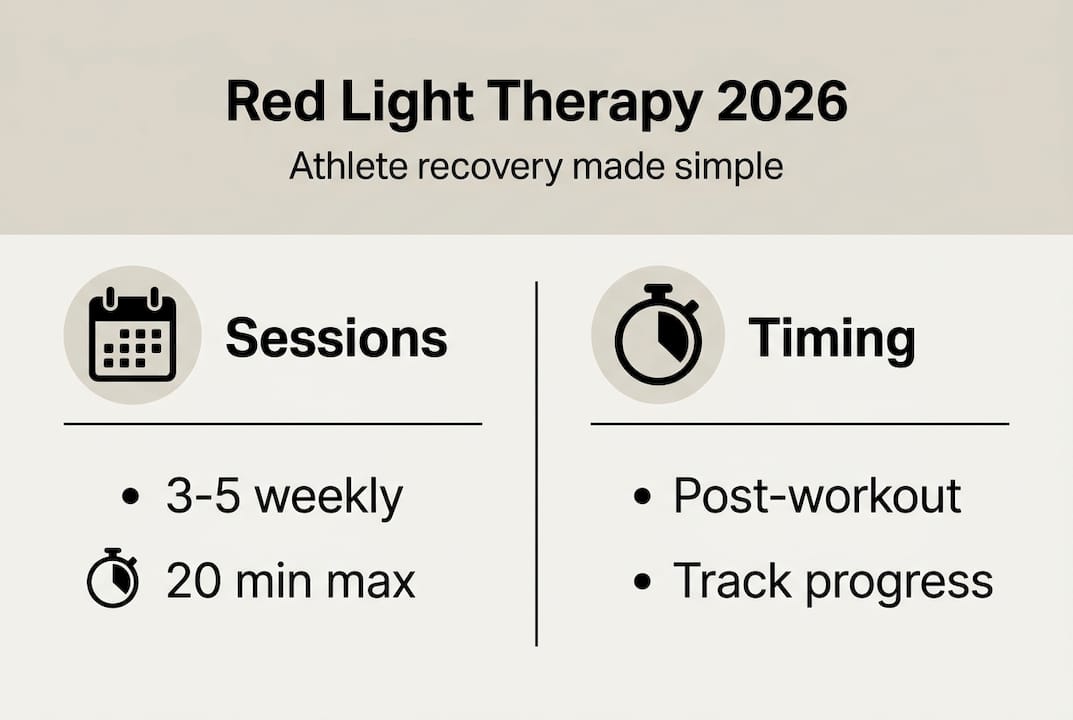
Treatment effectiveness depends on consistent exposure patterns rather than single intensive sessions. Most protocols recommend 10 to 20 minute sessions, three to five times weekly for optimal results. You’ll need to position the light source 6 to 12 inches from your skin, depending on device power output and treatment area size.
Pro Tip: Schedule your red light therapy sessions immediately after workouts when inflammation peaks. This timing maximizes the anti-inflammatory benefits and accelerates muscle recovery, helping you maintain training intensity without extended downtime.
The pain relief mechanism extends beyond simple symptom management. By promoting actual tissue repair rather than masking discomfort, red light therapy addresses root causes of pain. Athletes notice improved range of motion, reduced stiffness, and faster return to peak performance levels compared to passive recovery methods alone.
Comparing red light therapy with other pain management methods
Understanding how red light therapy stacks up against conventional approaches helps you make informed decisions about your pain management strategy. Each method offers distinct advantages, but red light therapy offers a non-invasive, drug-free alternative with fewer side effects compared to pharmacological options.
| Method | Mechanism | Side Effects | Convenience | Cost |
|---|---|---|---|---|
| Red light therapy | Cellular energy boost, inflammation reduction | Minimal, occasional mild redness | High, use at home | Moderate upfront, low ongoing |
| Cold therapy | Vasoconstriction, reduced inflammation | Skin irritation, numbness risk | High, accessible | Low to moderate |
| NSAIDs | Prostaglandin inhibition | Gastrointestinal issues, cardiovascular risks | High, widely available | Low |
| Physical therapy | Mechanical manipulation, exercise | Temporary soreness | Moderate, requires appointments | High, insurance dependent |
| Opioids | Central nervous system depression | Addiction, drowsiness, constipation | Moderate, prescription required | Variable |
Red light therapy distinguishes itself through its safety profile and ability to promote actual healing rather than symptom suppression. Unlike pain medications that can cause dependency or organ damage with prolonged use, red light exposure carries minimal risk when used according to guidelines. You can integrate it into daily routines without worrying about tolerance buildup or withdrawal symptoms.
The practical advantages for athletes are substantial. You control session timing, duration, and frequency without scheduling appointments or relying on healthcare providers for each treatment. Home devices provide consistent access, eliminating travel time and allowing immediate post-workout application when inflammation is highest.
Combining red light therapy with complementary modalities amplifies overall recovery benefits:
- Use red light therapy after contrast therapy techniques to enhance cellular repair following cold exposure
- Apply red light before physical therapy sessions to increase tissue pliability and reduce treatment discomfort
- Integrate red light exposure on rest days to maintain recovery momentum between intense training blocks
- Pair red light sessions with targeted stretching to improve flexibility while reducing muscle tension
Pro Tip: Alternate between red light therapy and cold therapy benefits within the same day for maximum anti-inflammatory impact. Use cold immediately post-exercise to limit initial inflammation, then apply red light 4 to 6 hours later to accelerate tissue repair without interfering with the adaptive response.
The key difference lies in mechanism of action. While cold therapy and medications primarily manage symptoms, red light therapy actively promotes healing at the cellular level. This fundamental distinction makes it particularly valuable for chronic conditions where long-term symptom management proves inadequate or creates additional health concerns.
Choosing and using red light therapy devices effectively
Selecting the right device determines your treatment outcomes and overall satisfaction with red light pain therapy. Targeted red light panels are ideal for specific pain areas, while full-body devices support overall recovery. Understanding key specifications helps you match device capabilities to your recovery needs.

Device power output, measured in milliwatts per square centimeter, directly impacts treatment effectiveness and required session duration. Quality devices deliver 100 to 200 milliwatts per square centimeter at the recommended distance, ensuring adequate photon delivery for therapeutic benefits. Lower power outputs require longer sessions or closer positioning, potentially reducing convenience and increasing eye strain risk.
Wavelength composition matters significantly for pain management applications. Look for devices offering both red wavelengths around 660 nanometers and near-infrared wavelengths between 810 and 850 nanometers. This combination addresses surface and deep tissue pain simultaneously, providing comprehensive coverage for various injury types and pain locations.
Treatment area size influences device selection based on your primary pain management needs:
- Targeted red light therapy panels work best for localized pain in joints, specific muscle groups, or isolated injury sites
- Full body red light therapy panels suit athletes managing multiple pain points or seeking comprehensive recovery support
- Portable devices offer flexibility for travel or treating various body areas throughout the week
- Desktop units provide convenient options for facial treatments or small area applications
Safety features and proper usage protocols protect you from potential adverse effects while maximizing therapeutic benefits. Always wear protective eyewear during facial treatments or when light shines near your eyes. Start with shorter sessions of 5 to 10 minutes and gradually increase duration as your tissues adapt to the therapy.
| Specification | Recommended Range | Purpose |
|---|---|---|
| Power Output | 100-200 mW/cm² | Ensures therapeutic photon delivery |
| Wavelengths | 660 nm, 810-850 nm | Addresses surface and deep tissue |
| Treatment Area | 200-2000 square inches | Matches coverage to pain location |
| LED Count | 100-300+ diodes | Provides even light distribution |
| Session Duration | 10-20 minutes | Balances efficacy with practicality |
Device maintenance extends equipment lifespan and ensures consistent performance. Clean LED surfaces monthly with a soft, dry cloth to remove dust that can reduce light output. Check electrical connections periodically for signs of wear or damage. Store devices in cool, dry locations away from direct sunlight when not in use.
Pro Tip: Create a dedicated recovery space with your red light device positioned for easy access during your typical treatment times. Consistent environmental cues reinforce habit formation, making regular sessions feel automatic rather than requiring conscious effort and decision-making each day.
Timer functions and automatic shutoff features prevent overexposure while allowing you to relax completely during sessions. Quality devices include these safety mechanisms, eliminating the need to monitor treatment duration manually. This convenience factor significantly improves compliance with recommended protocols over weeks and months.
Integrating red light therapy into your recovery routine
Strategic integration of red light therapy with existing recovery practices creates synergistic effects that exceed individual modality benefits. Combining red light therapy with cold plunges and contrast therapy improves recovery and pain control outcomes. The key lies in proper sequencing and timing to avoid interference with natural adaptive processes.
Follow this evidence-based protocol for optimal pain management and recovery enhancement:
- Complete your training session or physical activity as planned without modification
- Apply cold therapy within 10 minutes post-exercise to manage acute inflammation and reduce initial pain sensation
- Wait 4 to 6 hours before beginning your red light therapy session to allow initial inflammatory response completion
- Position yourself comfortably with the targeted area exposed and relaxed during red light treatment
- Track pain levels, range of motion, and recovery markers in a simple log to identify patterns and optimize timing
Complementary recovery methods enhance red light therapy effectiveness when properly coordinated. Use cold plunges collection for acute inflammation management, then apply red light therapy later the same day for tissue repair acceleration. Schedule sauna sessions on separate days to avoid thermal stress accumulation while maintaining consistent recovery stimulus throughout your training week.
Consistency trumps intensity with red light therapy protocols. Three to five sessions weekly at moderate duration outperform sporadic intensive treatments. Your cells respond to regular photon exposure by upregulating repair mechanisms and maintaining elevated healing capacity. Skipping sessions disrupts this adaptive process and delays pain relief progress.
Listening to your body’s signals prevents overtraining and optimizes recovery timing. Increased soreness, persistent fatigue, or declining performance indicate inadequate recovery despite red light therapy use. These signs suggest you need additional rest days or reduced training volume rather than more aggressive treatment protocols.
Common mistakes that undermine red light therapy effectiveness:
- Positioning the device too far from your skin, reducing photon delivery below therapeutic thresholds
- Using inconsistent session timing that disrupts cellular adaptation patterns
- Expecting immediate results within days rather than allowing 2 to 4 weeks for measurable improvements
- Neglecting other recovery fundamentals like sleep quality, nutrition adequacy, and hydration status
- Combining too many recovery modalities simultaneously without understanding potential interference effects
- Skipping sessions during periods when you feel good, disrupting consistency needed for sustained benefits
Progress tracking provides objective feedback about protocol effectiveness and guides necessary adjustments. Measure pain levels using a simple 0 to 10 scale before and after each session. Document range of motion improvements, training volume tolerance, and subjective recovery quality weekly. These metrics reveal patterns that help you refine timing, duration, and frequency for your specific needs.
Portable cold plunges offer flexibility for athletes who travel frequently or lack dedicated recovery spaces. Pair these with compact red light devices to maintain consistent protocols regardless of location. This combination ensures you never miss critical recovery windows during competition seasons or training camps.
The integration sweet spot balances multiple recovery modalities without creating excessive time demands or recovery fatigue. Most athletes find success with 3 to 4 red light sessions weekly, 2 to 3 cold exposure sessions, and 1 to 2 sauna sessions distributed throughout their training week. This variety prevents adaptation plateaus while addressing different aspects of recovery and pain management.
Explore coldture wellness solutions for pain relief and recovery
Coldture delivers professional-grade recovery technology designed for athletes and wellness professionals who demand proven results. Our red light therapy collection features targeted and full-body panels engineered with optimal wavelengths and power outputs for effective pain management and accelerated tissue repair.
Each device combines therapeutic efficacy with thoughtful design that fits seamlessly into your daily routine. Whether you need focused treatment for specific pain areas or comprehensive full-body recovery support, Coldture systems deliver consistent performance backed by rigorous quality standards. Pair your red light therapy with our cold plunges collection or outdoor saunas collection to create a complete recovery ecosystem that addresses every aspect of pain management and performance optimization.
Frequently asked questions
Is red light therapy safe for all skin types?
Red light therapy is generally safe for all skin types with minimal side effects reported across diverse populations. The specific wavelengths used penetrate tissue without causing thermal damage or pigmentation changes common with other light-based treatments. However, individuals with photosensitive conditions or taking medications that increase light sensitivity should consult their healthcare provider before beginning treatment. Proper device use and following manufacturer guidelines virtually eliminate adverse reaction risks.
How long does it take to notice pain relief benefits?
Many users report noticeable pain reduction within 2 to 4 weeks of regular sessions following recommended protocols. The timeline varies based on pain severity, underlying condition, treatment consistency, and individual biological response patterns. Acute injuries often respond faster than chronic conditions that developed over months or years. Consistency is key to achieving sustained results, as cellular adaptations require repeated photon exposure to establish and maintain elevated repair capacity. Track your progress weekly to identify subtle improvements that might otherwise go unnoticed.
Can red light therapy be combined with other treatments?
Yes, red light therapy complements cold therapy, physical therapy, and medication for enhanced recovery without negative interactions. The cellular mechanisms activated by red light work synergistically with other modalities rather than competing or interfering. Many athletes achieve superior results by strategically timing different treatments throughout their training week. Always consult your healthcare provider before combining treatments, especially if you take prescription medications or have underlying health conditions. Proper sequencing maximizes individual modality benefits while avoiding potential interference with natural adaptive processes.
Are there any side effects of red light pain therapy?
Side effects are rare and may include mild skin redness or eye strain without proper protection during treatment sessions. These minor reactions typically resolve within minutes to hours after exposure ends. Proper device use and safety measures minimize risks, including maintaining recommended distances, wearing protective eyewear when appropriate, and following manufacturer duration guidelines. Unlike pharmaceutical interventions, red light therapy carries no risk of dependency, organ damage, or systemic complications. The non-invasive nature makes it one of the safest pain management options available for long-term use.
Share:
Sauna health checklist for optimal recovery 2026
Role of sauna in immunity: Boost your defenses in 2026