


Sauna bathing does far more than help you unwind after a tough workout. Research reveals that regular sauna use actively stimulates your immune system by increasing white blood cell counts and reducing your risk of respiratory infections. If you are looking to strengthen your body’s natural defenses, understanding how heat therapy works at a cellular level can transform your wellness routine. This guide explains the science behind sauna immunity benefits, optimal protocols for maximizing immune function, and critical safety considerations to help you use sauna therapy responsibly and effectively.
Table of Contents
- How Sauna Use Stimulates Your Immune System
- Health Benefits Of Frequent Sauna Bathing On Respiratory Immunity
- Safety Considerations And Contraindications For Sauna Use
- Practical Guidelines: How To Optimize Sauna Use For Immune Health
- Enhance Your Sauna Experience With Coldture Wellness Products
- FAQ
Key takeaways
| Point | Details |
|---|---|
| Immune cell boost | Sauna bathing acutely raises white blood cells including lymphocytes and neutrophils, enhancing immune activity. |
| Infection risk reduction | Frequent sauna use lowers pneumonia risk by up to 40% and cuts common cold incidence in half. |
| Inflammation control | Regular sessions reduce systemic inflammation markers like CRP and IL-6, supporting long-term health. |
| Safety first | Avoid sauna during acute illness, recent heart events, or unstable cardiovascular conditions. |
| Optimal protocol | Aim for 15-20 minute sessions at 90-100°C, 2-4 times weekly, with proper hydration before and after. |
How sauna use stimulates your immune system
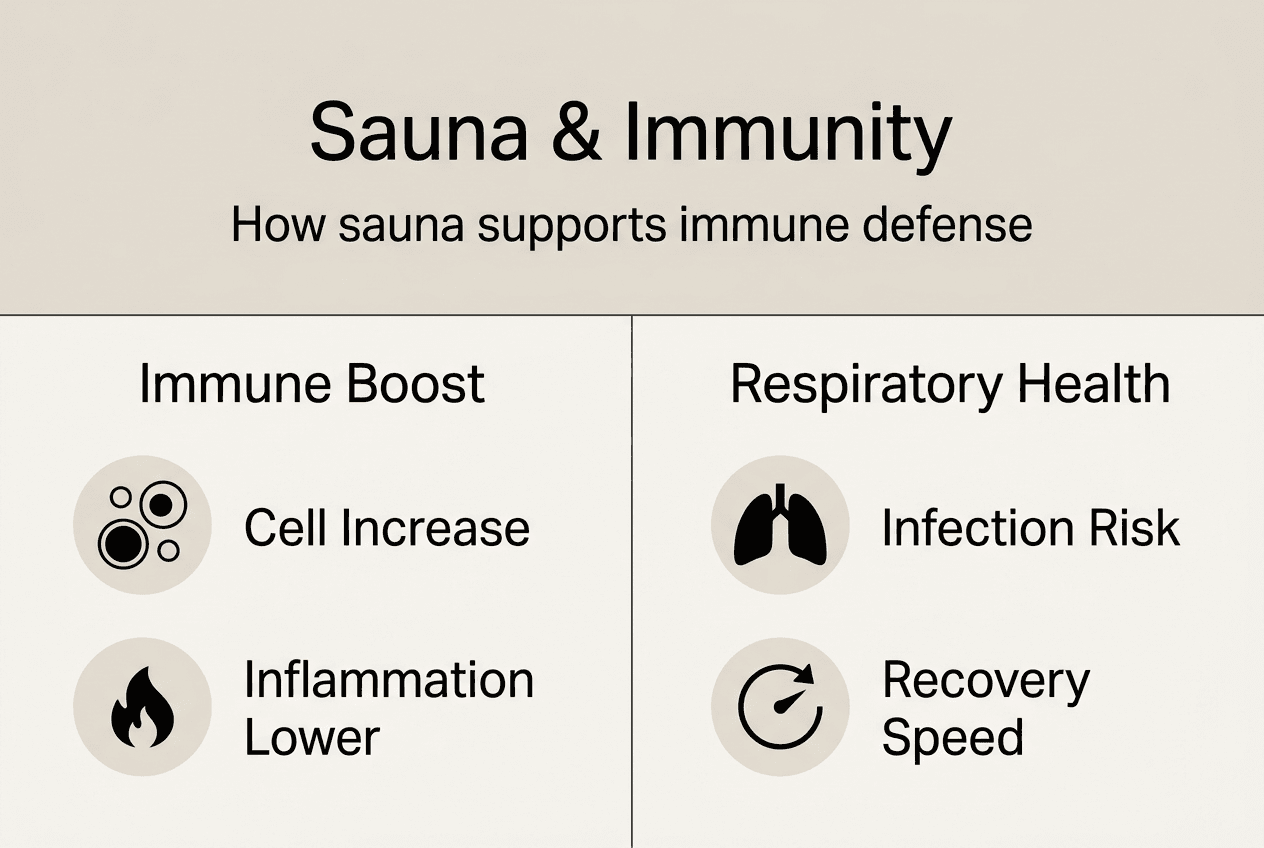
When you step into a sauna, your core body temperature rises by approximately 1.2°C, triggering a cascade of physiological responses that directly activate your immune defenses. This controlled heat stress prompts your body to increase production of white blood cells, the frontline soldiers of your immune system. Sauna bathing acutely increases white blood cell counts, including lymphocytes, neutrophils, and monocytes, with athletes experiencing even more pronounced immune cell elevation.
The mechanism behind this immune activation operates through hormesis, a biological principle where mild stress improves overall function. Your body interprets the sauna’s heat as a manageable stressor, conditioning your immune system to respond more efficiently to future challenges. This adaptive response strengthens immune surveillance and improves your ability to fight off pathogens.
Beyond immediate white blood cell increases, regular sauna bathing reduces systemic inflammation markers that contribute to chronic disease. Studies show significant decreases in C-reactive protein (CRP) and interleukin-6 (IL-6), two key inflammatory biomarkers linked to cardiovascular disease, metabolic disorders, and weakened immunity. Lower baseline inflammation means your immune system can allocate more resources to pathogen defense rather than managing chronic low-grade inflammation.
The immune benefits extend beyond simple cell count increases. Sauna exposure enhances the activity and responsiveness of existing immune cells, improving their ability to identify and neutralize threats. This dual effect of quantity and quality makes sauna therapy a powerful tool for anyone seeking to optimize their immune function through natural, non-pharmaceutical methods.
For fitness enthusiasts and health-conscious individuals, understanding these mechanisms helps you appreciate why optimal sauna protocols should be part of your recovery and wellness routine. The science is clear: controlled heat exposure creates measurable, beneficial changes in immune system performance.
Health benefits of frequent sauna bathing on respiratory immunity
The immune system changes triggered by sauna use translate into real-world protection against respiratory infections and diseases. Research tracking thousands of men over decades reveals that frequent sauna bathing reduces pneumonia risk by up to 40%, with the most significant benefits seen in individuals with elevated inflammation markers or lower socioeconomic status. This protective effect stems from the combination of enhanced immune cell activity and reduced systemic inflammation.

Perhaps even more impressive for everyday health, regular sauna use lowers common cold incidence by approximately 50% over a three-month period compared to non-sauna users. This dramatic reduction in upper respiratory infections means fewer sick days, better training consistency for athletes, and improved quality of life during cold and flu season. The mechanism involves both strengthened immune surveillance and the conditioning effect of repeated mild heat stress.
The frequency of sauna bathing matters significantly for respiratory protection. Data shows a clear dose-response relationship:
- 1 session per week: Minimal immune benefits
- 2-3 sessions per week: Moderate reduction in infection risk
- 4-7 sessions per week: Maximum protection against respiratory illness
These benefits arise from cumulative immune conditioning rather than single-session effects. Your immune system becomes progressively more efficient at responding to pathogens as you establish a consistent sauna routine. The hormetic stress of regular heat exposure trains your body to maintain higher baseline immune readiness.
Inflammatory biomarker reduction plays a crucial supporting role in respiratory health. Chronic inflammation impairs immune function and increases susceptibility to infections. By lowering CRP and IL-6 levels, sauna bathing removes a significant impediment to optimal immune performance, allowing your body to mount stronger responses to respiratory pathogens.
Pro Tip: Combine your sauna sessions with adequate hydration and 15-20 minute duration limits to maximize immune benefits while minimizing cardiovascular stress. Drinking water before and after sauna use supports the increased metabolic demands of heat exposure.
For those following sauna frequency for immune benefits, consistency matters more than intensity. Establishing a regular routine of moderate-duration sessions produces better long-term immune enhancement than sporadic extended exposures.
Safety considerations and contraindications for sauna use
While sauna bathing offers significant immune benefits, certain health conditions require caution or complete avoidance to prevent serious complications. Understanding when sauna use is unsafe protects you from potentially dangerous cardiovascular or infectious disease outcomes.
Absolute contraindications where you must avoid sauna include:
- Acute infections or fever: Heat exposure during active illness can worsen symptoms and prolong recovery
- Recent myocardial infarction: Wait at least 3-6 months after a heart attack before resuming sauna use
- Unstable angina: Unpredictable chest pain indicates sauna could trigger a cardiac event
- Decompensated heart failure: Severe heart failure makes the cardiovascular demands of sauna dangerous
- Severe aortic stenosis: Narrowed heart valves cannot accommodate the increased cardiac output sauna requires
These absolute contraindications to sauna reflect situations where heat stress could trigger life-threatening complications. If you have any of these conditions, focus on other immune-supporting strategies until your health status improves.
Relative contraindications require medical consultation before starting sauna therapy:
- Controlled cardiovascular disease: Stable heart conditions may allow sauna use with physician approval
- Pregnancy: Limited safety data means pregnant women should consult their obstetrician
- Medications affecting thermoregulation: Beta blockers, diuretics, and some psychiatric drugs impair heat tolerance
- Alcohol consumption: Never use sauna after drinking alcohol due to increased dehydration and cardiovascular risk
For individuals with cardiovascular disease, the key consideration is stability. Well-controlled hypertension or stable coronary artery disease may not preclude sauna use, but you need medical clearance to ensure safety. Your doctor can assess whether your specific condition and medication regimen allow for heat exposure.
Pro Tip: If you have any form of heart disease, schedule a consultation with your cardiologist before beginning sauna therapy. They can perform stress testing or other evaluations to determine your individual risk profile.
Recognizing warning signs during sauna use helps you avoid complications. Exit immediately if you experience chest pain, severe dizziness, shortness of breath, or rapid irregular heartbeat. These symptoms indicate your cardiovascular system cannot meet the demands of heat exposure.
For detailed safety information specific to premium sauna equipment, review sauna product safety details to understand proper use protocols and built-in safety features.
Practical guidelines: How to optimize sauna use for immune health
Translating scientific evidence into actionable protocols helps you maximize immune benefits while maintaining safety and sustainability. The optimal approach balances session frequency, duration, temperature, and hydration to create consistent immune stimulation without excessive stress.
For most healthy adults seeking immune enhancement, 2-4 sauna sessions per week at 90-100°C for 15-20 minutes provides the sweet spot of immune activation. This frequency triggers measurable increases in white blood cell counts and activity without overwhelming your recovery capacity. Athletes and highly conditioned individuals may tolerate higher frequencies, with 4-7 weekly sessions linked to maximum cardiovascular and respiratory disease risk reduction.
Choosing the right sauna type affects your experience and results:
| Sauna Type | Temperature Range | Session Duration | Immune Benefits | Best For |
|---|---|---|---|---|
| Traditional Finnish | 80-100°C | 15-20 min | Highest white blood cell increase | Experienced users, maximum immune boost |
| Infrared | 50-65°C | 25-35 min | Moderate immune stimulation, deeper tissue penetration | Heat-sensitive individuals, longer sessions |
| Hybrid Dual Heat | 50-100°C | 15-30 min | Flexible immune protocols, customizable intensity | Users wanting versatility and progression |
Traditional Finnish saunas produce the most robust immune cell responses due to higher temperatures and greater cardiovascular demand. However, infrared sauna options offer gentler heat exposure that may be more sustainable for frequent use. Hybrid dual heat saunas provide the flexibility to adjust protocols as your heat tolerance and immune goals evolve.
Follow these steps to prepare for optimal immune-boosting sauna sessions:
- Hydrate with 16-20 ounces of water 30 minutes before entering the sauna
- Shower to remove lotions or oils that can interfere with sweating
- Enter the sauna and sit on a towel for hygiene and comfort
- Start with 10-12 minute sessions if you are new, gradually building to 15-20 minutes
- Exit if you feel dizzy, nauseous, or experience any concerning symptoms
- Cool down gradually with a lukewarm shower, not ice-cold water immediately
- Rehydrate with 20-24 ounces of water containing electrolytes within 30 minutes post-sauna
- Rest for at least 15-20 minutes before resuming intense activity
Hydration deserves special emphasis because sauna-induced sweating can eliminate 1-2 liters of fluid per session. Dehydration impairs immune function and negates many benefits of heat exposure. Electrolyte replacement becomes important for sessions longer than 15 minutes or frequencies above 3 times weekly.
Pro Tip: Combine sauna with cold plunges or contrast therapy for synergistic immune effects. Alternating heat and cold exposure creates additional hormetic stress that further enhances immune adaptation and resilience.
Timing your sauna sessions strategically amplifies benefits. Post-workout sauna use supports recovery while delivering immune stimulation. Morning sessions can energize your day and establish consistent routines. Evening sauna bathing promotes relaxation and improved sleep quality, which independently supports immune function.
Tracking your response helps optimize your personal protocol. Monitor factors like resting heart rate, sleep quality, illness frequency, and subjective energy levels over 4-6 weeks. If you notice declining performance or increased fatigue, reduce frequency or duration. Individual variation means the published guidelines serve as starting points, not rigid prescriptions.
Enhance your sauna experience with Coldture wellness products
Now that you understand how sauna therapy strengthens immunity, having the right equipment makes consistent practice effortless and enjoyable. Coldture designs premium indoor and outdoor saunas engineered for optimal heat therapy performance, combining professional-grade construction with beautiful aesthetics that complement any home wellness space.

Our sauna collection includes traditional Finnish models for maximum immune stimulation and infrared options for gentler, longer sessions. Each unit features precise temperature controls, rapid heating systems, and durable materials built to withstand years of regular use. Whether you are outfitting a home gym or creating a dedicated recovery room, Coldture saunas deliver the consistent heat exposure your immune system needs.
Pairing sauna sessions with cold plunge collections creates powerful contrast therapy protocols that amplify immune benefits beyond heat alone. The combination of hot and cold exposure produces superior hormetic conditioning, training your body to adapt more efficiently to physiological stressors. Many Coldture customers report that alternating between sauna and cold plunge becomes their favorite wellness ritual.
Explore the POD infrared sauna for a space-efficient option that fits smaller homes while delivering full-spectrum infrared therapy. This innovative design makes daily sauna use practical even with limited square footage, removing barriers to consistent immune-supporting routines.
FAQ
How often should I use the sauna to boost my immune system?
For most healthy adults, 2-4 sauna sessions per week provides optimal immune stimulation by increasing white blood cell counts and reducing inflammation markers. This frequency balances immune activation with adequate recovery time. More conditioned individuals may benefit from 4-7 weekly sessions, though you should assess your personal tolerance and response before increasing frequency.
Can sauna use prevent common colds and respiratory infections?
Regular sauna bathing reduces common cold incidence by approximately 50% compared to non-users, according to controlled studies. It also lowers pneumonia risk by up to 40%, particularly in individuals with elevated inflammation or compromised immune function. These protective effects result from enhanced immune cell activity and reduced systemic inflammation that improves your body’s pathogen defense capabilities.
Are there any health risks or people who should avoid saunas?
You must avoid sauna if you have acute infections, fever, recent heart attacks within 3-6 months, unstable angina, decompensated heart failure, or severe aortic stenosis. Relative contraindications requiring medical consultation include controlled cardiovascular disease, pregnancy, and medications affecting temperature regulation. Always consult your physician before starting sauna therapy if you have any chronic health conditions or take prescription medications.
How does sauna temperature and duration affect immune benefits?
Sessions of 15-20 minutes at 90-100°C produce optimal white blood cell increases and immune activation for most people. Shorter sessions below 10 minutes may not generate sufficient heat stress for immune benefits, while excessively long sessions above 25-30 minutes increase cardiovascular strain without additional immune advantages. Temperature and duration work together, so infrared saunas at lower temperatures require longer sessions to achieve comparable immune stimulation to traditional Finnish saunas.
Share:
Red light pain therapy guide for athletes & recovery in 2026
Sauna detox guide 2026: benefits, methods, recovery tips