


Up to 60% of elite athletes experience overtraining syndrome at some point in their careers, yet many still believe training intensity alone determines results. This widespread misconception leads to diminished performance, chronic fatigue, and stalled progress. Recovery isn’t just rest between workouts; it’s the foundation of adaptation, strength gains, and mental resilience. Understanding how cold and heat therapies support your body’s natural recovery processes can transform your training outcomes and help you achieve sustainable peak performance.
Table of Contents
- Key takeaways
- The science behind why recovery is vital
- Cold therapy: benefits, limitations, and best practices
- Heat therapy and contrast therapy: superior recovery for strength and function
- Optimizing recovery protocols: personalization, monitoring, and nutrition synergy
- Explore advanced recovery solutions with Coldture
- Frequently asked questions
Key Takeaways
| Point | Details |
|---|---|
| Recovery is foundational | Recovery is an active biological process that enables adaptation and helps prevent overtraining and chronic fatigue. |
| Cold therapy benefits and limits | Cold therapy reduces acute inflammation and speeds initial recovery but can blunt longer term training adaptations if overused. |
| Timing matters for cold therapy | Benefits are strongest within 48 hours after intense exercise, so applying cold therapy soon after workouts is important. |
| Individualized recovery plan | A personalized recovery approach guided by monitoring and nutrition maximizes performance gains and lowers injury risk. |
The science behind why recovery is vital
Your body undergoes significant physiological stress during training. Each workout creates muscle microtears, depletes glycogen stores, disrupts hormonal balance, and generates metabolic waste products. Recovery is vital to repair muscle microtears from training, replenish glycogen stores, restore hormonal balance, and prevent overtraining syndrome. Without proper recovery, these acute stressors accumulate into chronic dysfunction.
The progression from healthy training stress to overtraining follows predictable stages:
- Functional overreaching: temporary performance decline that resolves with short rest periods
- Non-functional overreaching: prolonged fatigue requiring weeks of recovery
- Overtraining syndrome: severe, persistent impairment lasting months or longer
Inadequate recovery leads to functional, non-functional overreaching or OTS with performance impairment through a fatigue-fatigue imbalance model. When training-induced fatigue exceeds your body’s capacity to adapt, performance drops despite continued effort. This model explains why harder training without proportional recovery creates diminishing returns.
Research shows that 30-60% of elite endurance athletes and 20-30% of recreational athletes experience symptoms of overtraining at some point. Even more concerning, non-elite athletes often lack the support systems and monitoring tools that help professionals recognize early warning signs. The consequences extend beyond physical performance to include mood disturbances, sleep disruption, immune suppression, and increased injury risk.
“Recovery isn’t passive rest. It’s an active biological process where adaptation occurs. Training breaks you down; recovery builds you back up stronger.”
Understanding these mechanisms helps you appreciate why recovery deserves the same attention as your training program. The adaptations you seek, whether strength, endurance, or power, happen during recovery periods, not during the workout itself. This is where strategic use of recovery rituals becomes essential for optimizing your body’s natural healing processes.
Cold therapy: benefits, limitations, and best practices
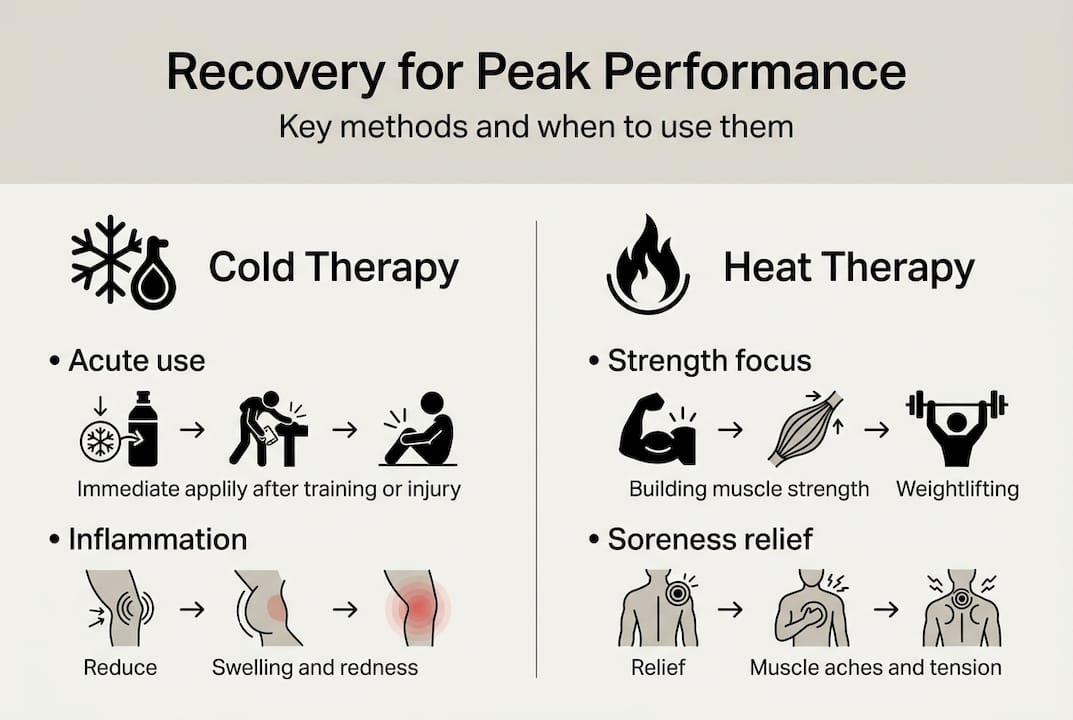
Cold therapy works through vasoconstriction, the narrowing of blood vessels that reduces blood flow to treated areas. This mechanism decreases inflammation, limits swelling, and provides temporary pain relief. Cold water immersion and similar modalities show effectiveness for acute inflammation management, with approximately 32% of studies demonstrating positive effects on inflammatory markers.
The primary cold therapy modalities include:
- Cold water immersion: full or partial body submersion in water at 10-15°C for 10-15 minutes
- Cryotherapy chambers: exposure to extremely cold air at -110°C to -140°C for 2-4 minutes
- Ice packs: localized application to specific muscle groups or joints
Cold therapy shows strongest efficacy within 48 hours of intense exercise or injury. During this acute window, reducing inflammation can speed initial recovery and help you return to training sooner. The vasoconstriction effect also creates a rebound vasodilation when you warm up, potentially improving circulation.
However, cold therapy remains popular but shows inconsistent results and may blunt long-term adaptations. The same anti-inflammatory effects that provide acute relief can interfere with the inflammatory signaling your body needs for muscle growth and strength adaptation. Studies indicate that regular post-workout cold immersion may reduce hypertrophy gains by 20-30% over training cycles lasting several weeks.
| Modality | Temperature | Duration | Best use case |
|---|---|---|---|
| Cold water immersion | 10-15°C | 10-15 min | Acute inflammation after high-intensity sessions |
| Cryotherapy | -110 to -140°C | 2-4 min | Quick recovery between training sessions |
| Ice packs | 0-5°C | 15-20 min | Localized injury or soreness management |
Pro Tip: Reserve cold therapy for situations where immediate inflammation control matters more than long-term adaptation. If your primary goal is building muscle mass or maximal strength, limit cold immersion to competition periods or true injury recovery rather than routine post-workout use.
The key is matching your recovery method to your training phase and goals. During heavy strength blocks focused on hypertrophy, alternative recovery methods may serve you better. Understanding how cold therapy boosts recovery helps you apply it strategically rather than reflexively after every workout.
Heat therapy and contrast therapy: superior recovery for strength and function
Heat therapy operates through vasodilation, expanding blood vessels to increase blood flow and oxygen delivery to recovering tissues. This enhanced circulation accelerates metabolic waste removal and delivers nutrients essential for repair. Heat therapy increases blood flow, accelerates muscle function recovery and is superior to cold for strength restoration, particularly for improving rate of force development and explosive power.

Research demonstrates that hot water immersion at 41-44°C for 40-45 minutes post-exercise significantly improves late-phase muscle strength recovery compared to passive rest or cold therapy. Athletes using heat therapy show better restoration of maximal voluntary contraction and faster return to peak power output in subsequent training sessions.
Key mechanisms that make heat therapy effective:
- Increased tissue temperature enhances enzymatic activity for faster metabolic recovery
- Improved blood flow delivers oxygen and nutrients while removing lactate and other metabolites
- Muscle relaxation reduces tension and soreness more effectively than cold
- Heat shock proteins activated by thermal stress support cellular repair processes
Contrast therapy combines alternating hot and cold exposure to create a vascular pumping effect. Contrast therapy improves circulation and reduces soreness; timing and dosing critical for maximizing benefits. The rapid temperature changes cause blood vessels to alternately constrict and dilate, creating a muscular pump that enhances fluid movement through tissues.
Effective contrast therapy protocol:
- Begin with 3-4 minutes in hot water at 38-42°C
- Switch to 1 minute in cold water at 10-15°C
- Repeat the cycle 3-4 times
- Always end on hot to promote circulation and relaxation
- Complete the entire protocol within 30-60 minutes post-exercise
| Recovery method | Muscle function | Soreness reduction | Strength restoration | Hypertrophy support |
|---|---|---|---|---|
| Heat therapy | Excellent | Good | Excellent | Neutral to positive |
| Cold therapy | Moderate | Good | Poor to moderate | Negative |
| Contrast therapy | Very good | Excellent | Good | Neutral |
Pro Tip: Prioritize heat therapy when your training focuses on strength, power, or performance restoration. Save cold therapy for managing acute injuries or inflammation that interferes with movement quality. Contrast therapy works well during high-volume training phases when you need comprehensive recovery support.
Timing matters significantly for heat therapy effectiveness. Application within one hour of completing your workout captures the optimal recovery window when your muscles are most receptive to enhanced circulation and nutrient delivery. An effective cold plunge routine can be modified to include heat exposure for athletes seeking balanced recovery benefits.
Optimizing recovery protocols: personalization, monitoring, and nutrition synergy
Generic recovery advice fails because individual responses to training stress and recovery interventions vary dramatically. Heart rate variability provides objective insight into your autonomic nervous system status and recovery readiness. Individualized protocols using HRV trends and resilience training help you identify when you’ve recovered sufficiently for high-intensity work versus when you need additional rest.
Monitoring frameworks to track recovery status:
- Daily HRV measurements taken upon waking to establish baseline trends
- Resting heart rate tracking to identify elevated sympathetic nervous system activity
- Subjective wellness questionnaires covering sleep quality, mood, energy, and soreness
- Performance metrics like vertical jump height or grip strength as functional indicators
The fitness-fatigue model explains how training creates both positive adaptations (fitness) and negative effects (fatigue) simultaneously. Your performance at any moment reflects the balance between these opposing forces. Effective recovery shifts this balance by dissipating fatigue faster than fitness decays, allowing your improved capacity to express itself.
Nutrition synergizes powerfully with cold, heat, and contrast therapies. Consuming 20-40 grams of protein and 0.8-1.2 grams of carbohydrate per kilogram of body weight within 30-60 minutes post-exercise maximizes muscle protein synthesis and glycogen replenishment. Optimal timing for therapy application within one hour post-exercise aligns perfectly with this nutritional window.
Best practices for individualizing recovery:
- Track your HRV for 2-4 weeks to establish your personal baseline and normal variation
- Adjust therapy selection based on training phase: heat for strength blocks, strategic cold for competition prep
- Monitor how different recovery methods affect your next-day performance and subjective readiness
- Combine multiple recovery modalities rather than relying on a single approach
- Prioritize sleep as your primary recovery tool; aim for 7-9 hours nightly with consistent timing
Pro Tip: If hypertrophy is your primary objective, avoid regular cold water immersion immediately after resistance training. The anti-inflammatory effects can blunt the anabolic signaling necessary for muscle growth. Use heat therapy or contrast therapy instead to support recovery without compromising adaptation.
Resilience training, which systematically exposes you to controlled stressors to build adaptive capacity, enhances your ability to recover from training. This might include periodic heat exposure through sauna sessions, controlled breathing practices, or gradual progression in training volume. Building resilience creates a larger buffer between normal training stress and the threshold where overreaching begins.
Integrating these elements into a cohesive system requires attention to your unique response patterns. What works for elite athletes may not suit recreational trainees, and what optimizes endurance performance may differ from strength training needs. Successful performance recovery rituals emerge from systematic experimentation guided by objective monitoring and honest self-assessment.
Explore advanced recovery solutions with Coldture
Implementing the recovery strategies outlined above becomes significantly easier with the right equipment. Coldture offers premium cold plunges, outdoor saunas, and red light therapy systems designed to bring professional-grade recovery into your home. Our cold plunges provide precise temperature control for effective cold therapy when you need acute inflammation management or mental resilience training.
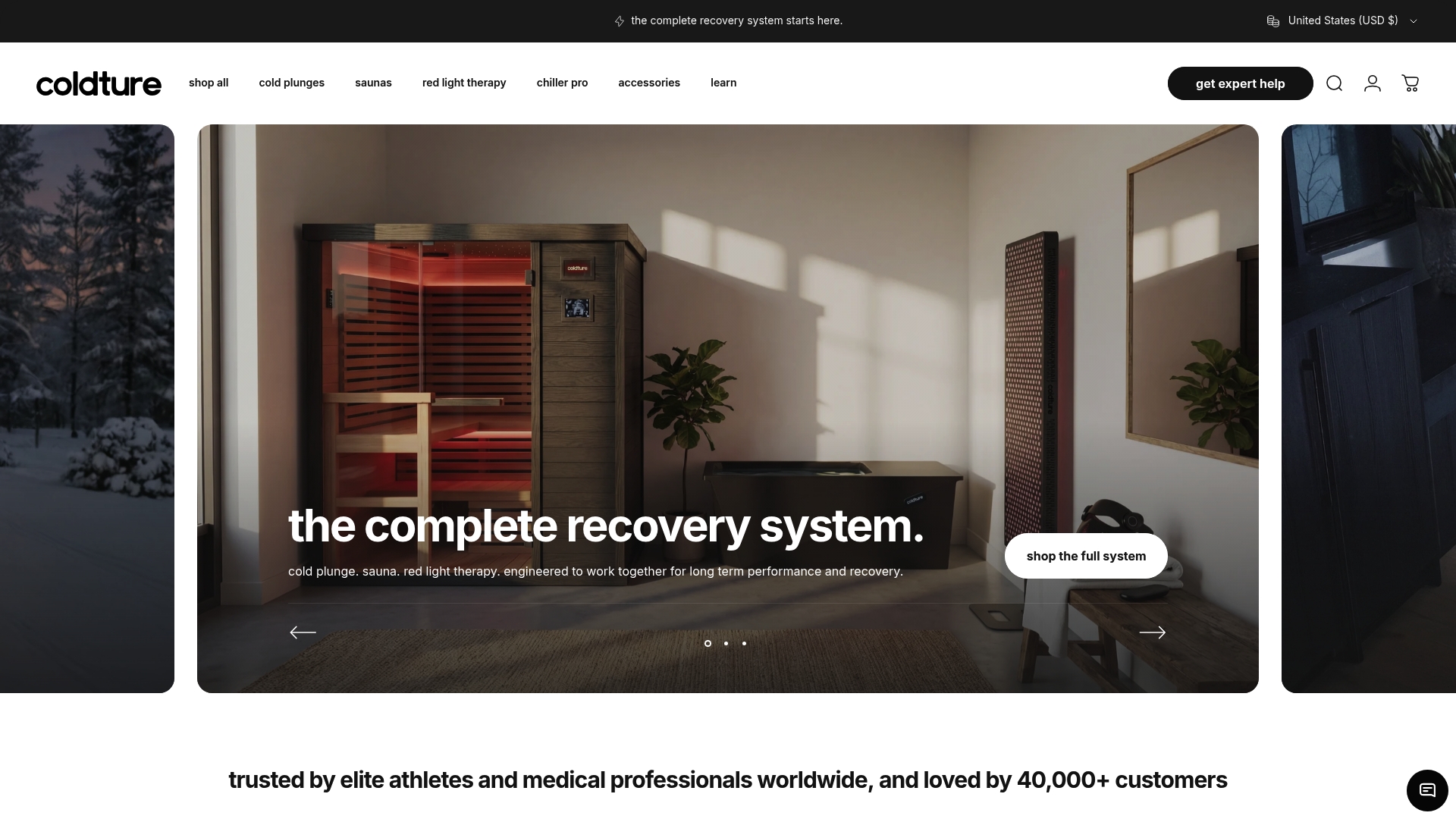
For athletes prioritizing strength and muscle function restoration, our outdoor saunas deliver the consistent heat exposure necessary for optimal recovery. The combination of heat therapy and relaxation creates an ideal environment for both physical and mental recovery. Add red light therapy to address cellular recovery, reduce oxidative stress, and support tissue repair at the deepest level. Each product reflects our commitment to durable construction, beautiful design, and user-friendly operation that makes daily recovery rituals sustainable long term.
Frequently asked questions
What happens if you don’t prioritize recovery?
Neglecting recovery leads to accumulated fatigue, declining performance, and eventually overtraining syndrome. Early symptoms include persistent soreness, poor sleep quality, elevated resting heart rate, and mood disturbances. Without intervention, you risk chronic fatigue lasting months, increased injury susceptibility, and hormonal disruptions that affect overall health beyond athletic performance.
How quickly can you recover from high-intensity training?
Functional overreaching typically resolves within days to a week with appropriate rest. Non-functional overreaching requires weeks of reduced training volume and intensity. Overtraining syndrome may take months of complete rest and medical intervention to resolve. Recovery speed depends on your training experience, baseline fitness, stress management, and how quickly you recognize and address early warning signs.
Is cold therapy or heat therapy better for muscle soreness?
Cold therapy works best for acute inflammation control within 48 hours of intense exercise or injury. Heat therapy proves superior for restoring muscle function, improving strength, and supporting long-term adaptation. Contrast therapy effectively addresses mixed symptoms by combining circulation benefits with inflammation management. Your training goals and current phase should guide which method you emphasize.
How do I know if I’m overtraining?
Monitor for chronic fatigue that doesn’t improve with normal rest, declining performance despite consistent effort, disrupted sleep patterns, and mood changes like irritability or depression. Objective measures include consistently low HRV readings, elevated resting heart rate, and decreased performance on standardized tests like vertical jump or sprint times. Early detection allows you to adjust training before reaching full overtraining syndrome.
What are the best ways to personalize recovery protocols?
Track HRV and subjective wellness markers daily to understand your individual recovery patterns. Experiment with different therapy timing, duration, and combinations while monitoring next-day performance and readiness. Integrate nutrition timing with your chosen recovery methods, prioritize consistent sleep schedules, and adjust your approach based on training phase and goals. Successful personalization requires systematic tracking and honest assessment of what actually improves your performance versus what merely feels good.
Share:
Thermal therapy routine guide to boost recovery
Cold therapy guide: boost recovery and resilience in 2026