

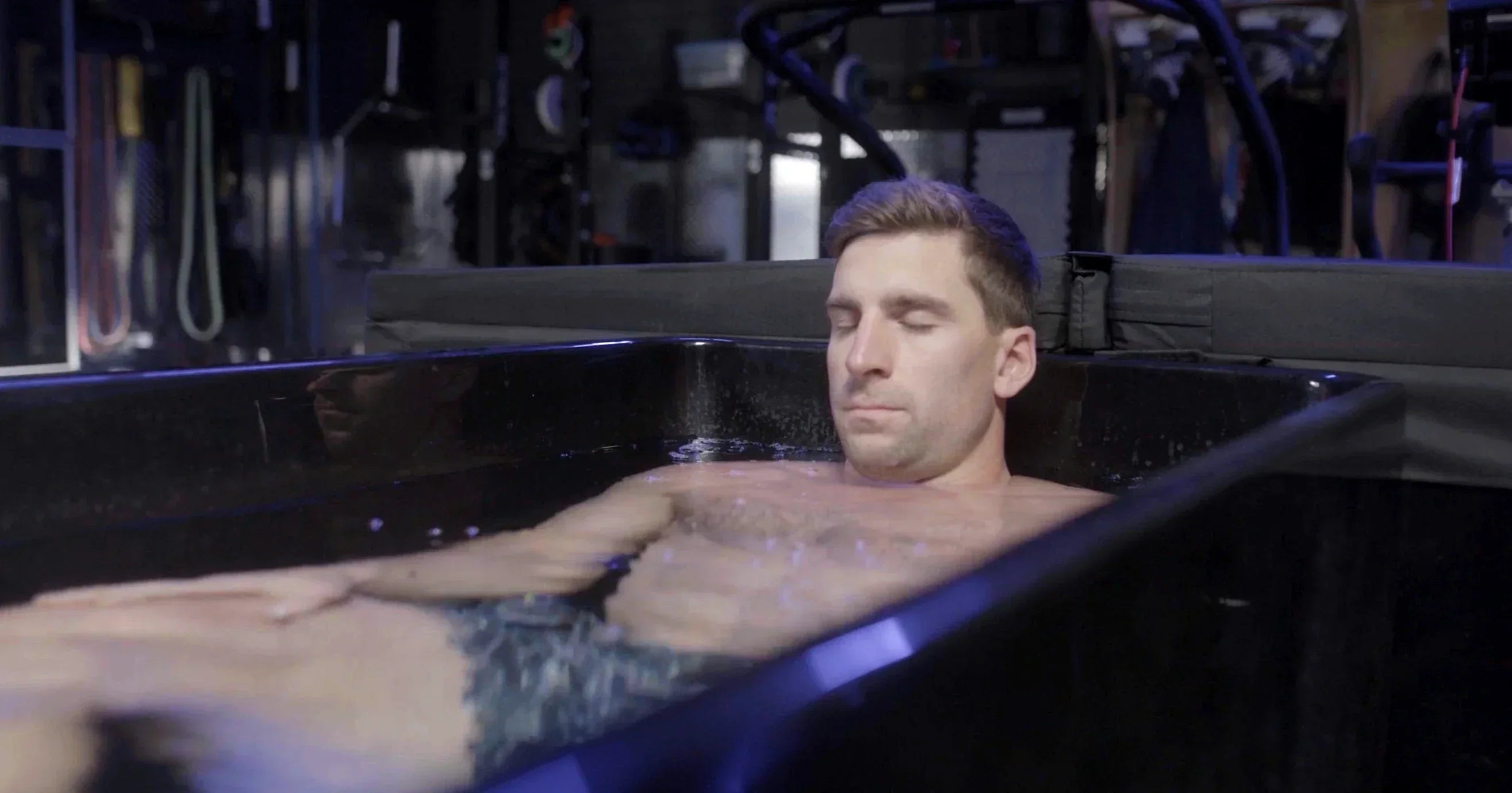
Athletes often struggle with lingering muscle soreness that delays their next training session and slows performance gains. Cold plunge therapy offers a science-backed solution to accelerate recovery, reduce inflammation, and build mental toughness. This guide walks you through creating an effective cold plunge routine tailored for serious athletes who want faster recovery, less soreness, and improved readiness for competition.
Table of Contents
- Understanding Cold Plunge Therapy For Athletes
- Prerequisites: What You Need Before Starting Your Cold Plunge Routine
- Optimal Temperature And Duration For Maximum Recovery
- Step-By-Step Cold Plunge Routine For Athletes
- Preparation And Safety Considerations
- Common Mistakes And Troubleshooting Your Cold Plunge Routine
- Expected Results And How To Measure Success
- Alternative Recovery Approaches And Tradeoffs
- Explore Cold Plunge Products For Your Recovery Routine
Key takeaways
| Point | Details |
|---|---|
| Optimal temperature and duration | Water between 10-15°C for 10-15 minutes maximizes recovery benefits while staying safe. |
| Recommended frequency | 3-4 sessions per week improve muscle recovery by up to 20% within four weeks. |
| Safety essentials | Start with 2-3 minute sessions and gradually increase duration to avoid cold shock and hypothermia. |
| Expected recovery improvements | 15-25% reduction in muscle soreness and enhanced mental resilience through regular practice. |
| Common pitfalls to avoid | Skipping post-plunge warming, overextending session times, and neglecting hydration reduce effectiveness. |
Understanding cold plunge therapy for athletes
Cold plunge therapy involves immersing your body in water maintained between 10°C and 15°C (50°F to 59°F) to trigger physiological responses that speed recovery. When you expose your body to cold water, blood vessels constrict and inflammation decreases in muscle tissue. This reduces swelling and clears metabolic waste faster than passive recovery.
The cold also activates your sympathetic nervous system, releasing norepinephrine that sharpens focus and builds stress resilience. Athletes report feeling mentally sharper and more prepared to handle competitive pressure after consistent cold exposure. Research shows that regular cold immersion enhances recovery metrics and psychological readiness in trained individuals.
Beyond reduced soreness, cold plunge therapy cuts recovery time between intense training sessions. You can train harder and more frequently without accumulating fatigue. The practice complements your physical training by keeping inflammation in check and maintaining muscle readiness. Understanding cold plunge temperature and time benefits helps you dial in the right protocol for your goals.
Key physiological benefits include:
- Reduced muscle inflammation and swelling after hard workouts
- Faster clearance of metabolic waste products like lactate
- Enhanced parasympathetic recovery between training blocks
- Improved sleep quality and stress hormone regulation
- Increased mental toughness and stress tolerance
Prerequisites: What you need before starting your cold plunge routine
Before you begin cold plunging, secure access to a quality cold plunge bath capable of holding water at 10-15°C consistently. Temperature stability matters for safety and effectiveness. Invest in a reliable thermometer to monitor water temperature accurately throughout your session.
Consult a healthcare provider if you have cardiovascular issues, cold hypersensitivity, or uncontrolled hypertension. Starting with shorter durations (2-3 minutes) helps you acclimate safely and avoid shock responses. Assess your personal cold tolerance honestly and build up gradually rather than forcing yourself into discomfort that could cause injury.
Set up a controlled environment where you can time sessions precisely and exit quickly if needed. Keep towels, warm clothing, and hydration within reach. Consistency matters more than intensity when building a sustainable routine.
Essential preparation checklist:
- Cold plunge tub with reliable temperature control
- Accurate water thermometer for precise monitoring
- Timer or stopwatch to track immersion duration
- Medical clearance if you have health concerns
- Warm towels and clothing for post-plunge recovery
- Hydration supplies before and after sessions
Pro Tip: Test your water temperature before entering and aim for the middle of the 10-15°C range when starting out to balance benefits with comfort.
Optimal temperature and duration for maximum recovery
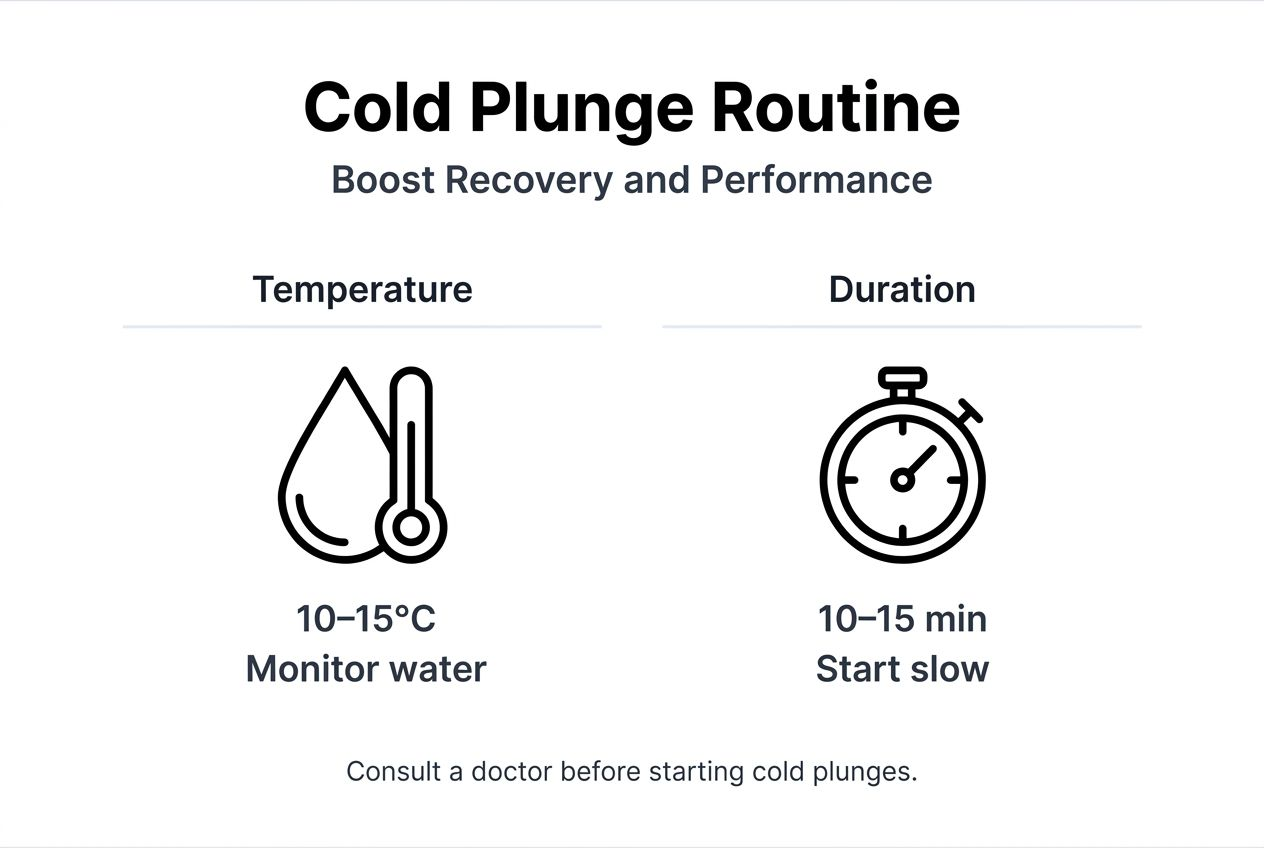
The sweet spot for cold plunge therapy sits between 10°C and 15°C where you get maximum anti-inflammatory benefits without risking tissue damage. Water colder than 10°C increases hypothermia risk, while warmer than 15°C reduces recovery effectiveness. Athletes should target this range consistently.
Safe immersion duration ranges from 10 to 15 minutes per session once acclimated. Beginners must start at 2-3 minutes and add one minute per session until reaching the full duration. Jumping straight to 15 minutes stresses your cardiovascular system unnecessarily and increases injury risk.
| Immersion Time | Physiological Response | Recovery Impact |
|---|---|---|
| 2-3 minutes | Initial vasoconstriction, mild stress response | Minimal inflammation reduction, good for acclimation |
| 5-8 minutes | Significant anti-inflammatory effect, norepinephrine increase | Moderate soreness reduction, improved circulation |
| 10-15 minutes | Maximum recovery benefit, peak hormonal response | 15-25% DOMS reduction, enhanced mental resilience |
| Over 15 minutes | Hypothermia risk, diminishing returns | Increased injury risk, no additional benefit |
Your body adapts to cold exposure over time, making each session more tolerable. Track your tolerance levels and adjust duration based on how you feel during and after immersion. Understanding cold plunge temperature and time benefits helps you stay within safe, effective ranges.
Pro Tip: Set a timer before entering the water and never exceed 15 minutes to protect against nerve damage and excessive core temperature drop.
Step-by-step cold plunge routine for athletes
Building an effective cold plunge routine requires consistent preparation, disciplined execution, and proper recovery protocols. Follow these steps to maximize benefits while staying safe.
- Prepare your plunge by filling the tub with water at 10-15°C and verifying temperature with a thermometer.
- Clear the area of hazards and have your timer, towels, and warm clothing ready within easy reach.
- Enter the water slowly, controlling your breathing to manage the initial shock response.
- Immerse up to your neck and begin with a 2-3 minute acclimation phase using deep, controlled breaths.
- Gradually increase duration over multiple sessions until reaching 10-15 minutes as your tolerance builds.
- Exit the water carefully and dry off immediately to prevent excessive heat loss.
- Warm up gradually with dry clothing and avoid hot showers that cause rapid temperature swings.
- Hydrate thoroughly with water or electrolyte drinks to support recovery processes.
Schedule sessions 3-4 times weekly to balance recovery benefits with adequate adaptation time. Regular use 3-4 times per week produces measurable improvements in muscle recovery within four weeks. Space sessions evenly throughout your training week rather than clustering them consecutively.
Post-plunge care essentials:
- Gradual rewarming with dry clothing and room temperature environment
- Immediate hydration to replace fluids and support metabolic recovery
- Light movement to restore circulation without overexertion
- Avoid abrupt temperature changes like hot showers or saunas immediately after
Athlete-specific timing considerations include using cold plunge after weightlifting to reduce inflammation without blunting muscle adaptation. Some athletes prefer morning sessions for mental clarity, while others plunge post-training for recovery.
Preparation and safety considerations
Gradual acclimation prevents dangerous shock responses and hypothermia. Starting with shorter durations allows your cardiovascular system to adapt safely to cold stress. Rushing this process increases risks without improving benefits.
Never exceed 15 minutes of immersion regardless of tolerance level. Longer sessions raise the risk of nerve damage, excessive core temperature drop, and cardiovascular strain. Your body reaches maximum recovery benefit well before these dangers emerge.
Certain medical conditions contraindicate cold plunge therapy. Cardiovascular disease, cold urticaria, Raynaud’s phenomenon, and uncontrolled hypertension require medical clearance before starting. Pregnant athletes should consult their healthcare provider before beginning cold exposure routines.
Cold plunge therapy delivers powerful recovery benefits when practiced safely and progressively. Listen to your body, respect the limits, and build tolerance gradually over weeks rather than days.
Safety monitoring checklist:
- Check water temperature before every session
- Monitor heart rate and breathing throughout immersion
- Watch for numbness, excessive shivering, or confusion as warning signs
- Keep sessions within the 10-15 minute maximum
- Ensure someone knows you are cold plunging in case assistance is needed
- Exit immediately if you experience chest pain, dizziness, or difficulty breathing
Respecting these safety boundaries protects you from injury while allowing consistent practice that builds real recovery improvements over time.
Common mistakes and troubleshooting your cold plunge routine
Ignoring post-plunge warming protocols leads to prolonged hypothermia and delayed recovery. Always warm up gradually with dry clothing and avoid jumping into hot showers. Rapid temperature swings stress your cardiovascular system unnecessarily.
Skipping hydration before and after sessions reduces the effectiveness of metabolic waste clearance. Proper hydration supports the physiological processes that make cold plunge therapy work. Drink water before entering and rehydrate thoroughly afterward.
Overextending immersion beyond 15 minutes provides no additional recovery benefit and significantly increases injury risk. Nerve damage and excessive core cooling become real dangers. Stick to the proven safe duration range.
Suddenly increasing session frequency without allowing adaptation time can trigger overtraining symptoms and immune suppression. Build frequency gradually just like duration. Your body needs time to adapt to the hormonal and physiological stress of cold exposure.
Mistakes to avoid:
- Starting with water colder than 10°C before acclimating properly
- Plunging immediately after eating a large meal
- Using cold plunge as punishment rather than recovery tool
- Neglecting to track session duration and temperature
- Combining cold plunge with alcohol consumption
If you experience persistent negative reactions like extended shivering, mood disturbances, or sleep disruption, reduce session frequency or duration. Cold plunges for runners and other endurance athletes require special attention to recovery balance.
Pro Tip: Keep a simple log of water temperature, immersion time, and how you feel afterward to identify patterns and optimize your routine over time.
Expected results and how to measure success
Athletes typically experience a 15-25% reduction in delayed onset muscle soreness after three to four weeks of consistent cold plunge practice. This means faster recovery between hard training sessions and better readiness for the next workout. Tracking soreness levels on a simple 1-10 scale helps quantify improvements.
Performance recovery metrics improve by 10-20% within one month when you maintain regular sessions. Measure this through training readiness scores, power output consistency, or subjective recovery questionnaires. Notice whether you can handle higher training volumes without accumulating fatigue.
Mental resilience benefits emerge through increased norepinephrine levels by up to 500% during cold exposure. Athletes report improved stress tolerance, better focus during competition, and enhanced mood stability. These psychological gains often appear before physical recovery improvements become obvious.
| Timeline | Physical Recovery | Mental/Psychological |
|---|---|---|
| Week 1-2 | Mild soreness reduction, improved circulation | Initial stress tolerance building, acclimation |
| Week 3-4 | 15-25% DOMS reduction, faster recovery times | Noticeable mood improvement, better focus |
| Month 2-3 | Sustained 20% recovery improvement, training volume increase | Enhanced stress resilience, competition confidence |
| Long-term | Consistent recovery optimization, injury prevention | Strong mental toughness, improved stress regulation |
Practical tracking methods include:
- Daily soreness ratings before and after training
- Weekly readiness scores using validated questionnaires
- Performance metrics like power output or running pace at set efforts
- Mood and energy level tracking through simple journaling
- Sleep quality measurements via wearable devices
Exploring the 8 benefits of cold plunging provides additional metrics to monitor as you build your routine. Consistent measurement reveals whether your protocol delivers the results you need.
Alternative recovery approaches and tradeoffs
Contrast therapy combines cold plunge with sauna exposure, alternating between temperature extremes to enhance circulation and recovery. This approach requires longer total session time and access to both cold and heat facilities. Athletes report powerful recovery benefits but need to commit 30-45 minutes per session.
Cold plunge alone offers simpler logistics with 15-minute sessions that fit easily into busy training schedules. The single-modality approach still delivers significant muscle recovery benefits without requiring sauna access. Many athletes prefer this streamlined option for consistency.
| Recovery Method | Time Commitment | Complexity | Muscle Recovery | Mental Benefits |
|---|---|---|---|---|
| Cold plunge only | 10-15 minutes | Low | High (20% improvement) | High (stress resilience) |
| Contrast therapy | 30-45 minutes | Medium | Very high (25-30% improvement) | Very high (enhanced mood) |
| Passive recovery | Minimal | Very low | Moderate | Low |
| Active recovery | 20-30 minutes | Low | Moderate to high | Moderate |
Lifestyle and goal considerations:
- Choose cold plunge alone if you have limited time or facility access
- Opt for contrast therapy when maximum recovery is the priority
- Consider your training phase and whether you need aggressive or moderate recovery
- Factor in travel and competition schedules where simple protocols work better
Understanding how cold plunges reduce inflammation helps you decide whether single-modality therapy meets your needs or if adding heat therapy provides additional value. Most athletes find cold plunge alone sufficient for consistent recovery gains.
Explore cold plunge products for your recovery routine
Building an effective cold plunge routine starts with reliable equipment that maintains precise temperature control and supports consistent practice. Coldture designs premium cold plunge systems specifically for athletes who demand professional-grade recovery tools at home.
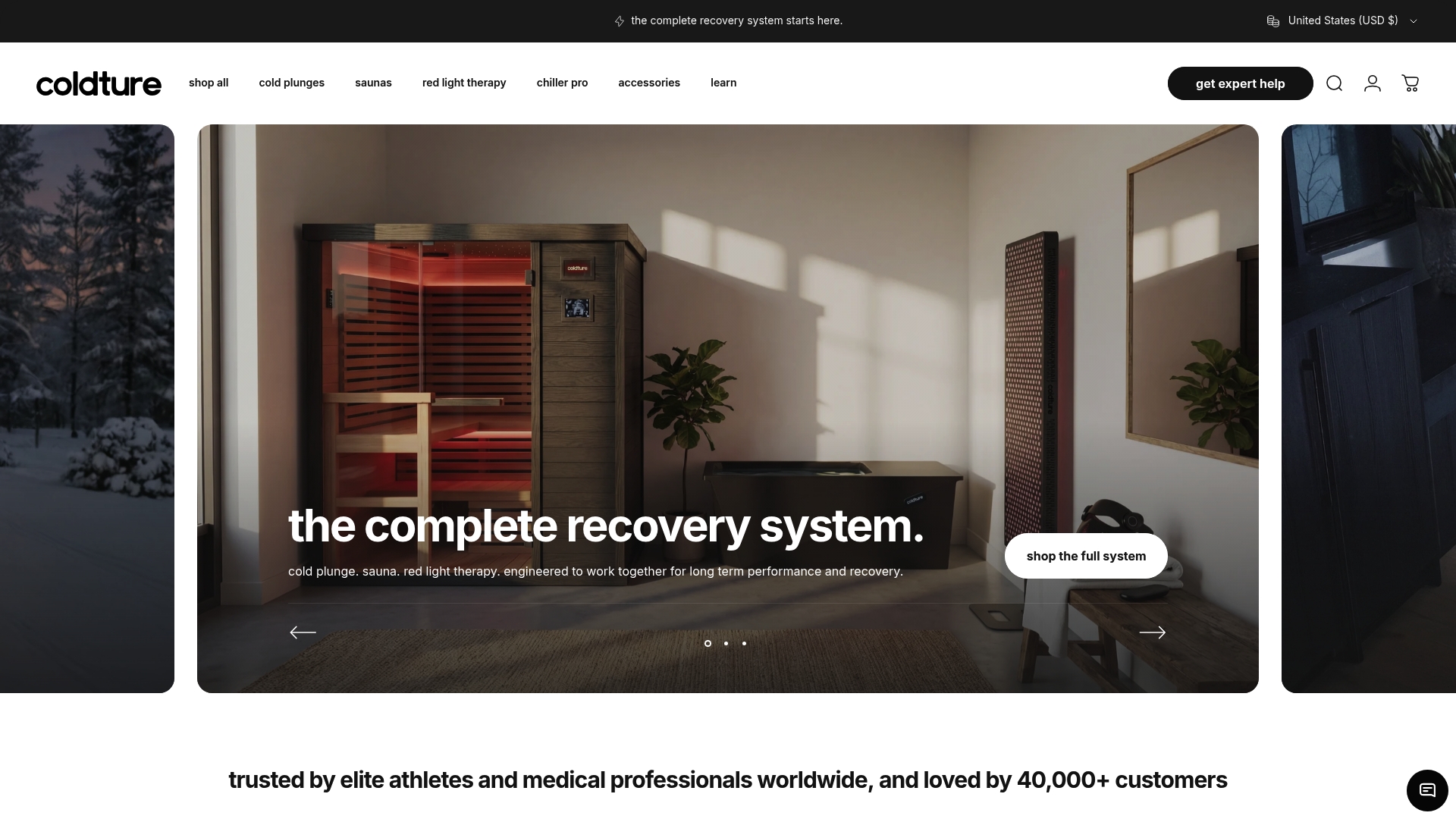
Their premium cold plunge collection includes options ranging from compact indoor models to commercial-grade systems. Each unit features precise temperature control, durable construction, and intuitive operation that removes barriers to daily practice. Portable cold plunge options give you recovery flexibility for travel or outdoor training camps.
For athletes training in harsh climates, the Xtreme outdoor cold plunge withstands extreme weather while maintaining optimal water temperature year-round. Investing in quality equipment ensures you can execute your recovery routine consistently without temperature fluctuations or equipment failures that disrupt training.
FAQ
What is the ideal water temperature for a cold plunge?
The ideal water temperature ranges between 10°C and 15°C (50°F to 59°F) to maximize recovery benefits while minimizing cold injury risk. Staying within this scientifically validated range balances anti-inflammatory effects with cardiovascular safety.
How often should athletes do cold plunge sessions?
Athletes should aim for 3-4 cold plunge sessions per week to achieve optimal recovery improvements. This frequency produces up to 20% better muscle recovery metrics over four weeks while allowing adequate adaptation between sessions.
What safety precautions are essential during cold plunges?
Start with brief 2-3 minute immersions and increase duration gradually over multiple weeks. Never exceed 15 minutes per session to prevent hypothermia and nerve damage. Always ensure proper post-plunge warming and hydration to support safe recovery.
Can cold plunges improve mental resilience?
Yes, cold plunge therapy boosts norepinephrine levels by up to 500%, which significantly enhances stress tolerance and mental toughness. Regular practice improves mood stability and competition focus in athletes beyond just physical recovery benefits.
Share:
Top wellness rituals for homeowners: Elevate recovery at home
Why use ice baths: maximize recovery and performance