

learn
explore wellness, recovery, and the habits that help you feel better for longer.

Most Sauna Studies Only Tracked Men. Here Is What Research on Women Shows.
The landmark sauna studies only followed men. When women were included, frequent sauna use was linked to a 61% lower stroke risk, as strongly in women as in men. Here is what research on women has actually found, and what has not been tested yet.

How Often Should You Use a Sauna? What Once a Week vs 4 to 7 Times a Week Is Linked To
Finnish men who used the sauna 4 to 7 times a week had a 63% lower risk of sudden cardiac death, 40% lower all-cause mortality, and 66% lower dementia risk than once-a-week users. Here is the frequency data side by side, and how to build toward most days.

Why Sauna May Be the Most Underrated Longevity Tool
A 21-year Finnish study of 2,315 men found that frequent sauna use was associated with 63% fewer sudden cardiac deaths and roughly 40% lower all-cause mortality. Here is what the research supports, how the mechanism works, and how to build a protocol around it.

Can a Sauna Help You Catch Fewer Colds? What the Research Shows
In a six-month study, regular sauna users caught 33 colds to the control group's 46, but the difference only appeared in the last three months. Here is what the research shows, where it falls short, and why fall is the time to start.

Sauna, Belonging, and Mental Health: The Research Behind the Ritual
A 2026 UK study of 1,907 sauna-goers found that weekly users reported the strongest mental health benefits, and that much of the link ran through belonging. Here is what the research found, where its limits are, and how to build the ritual at home.

What a Sauna Does to Your Brain in One Session, Six Weeks, and 20 Years
A sauna affects your brain on three timelines: the alertness you feel in the session, mood effects that lasted six weeks in one clinical trial, and a 66% lower dementia risk over 20 years in Finnish men. Here is what has been measured, and what has not.

45 Minutes in an Infrared Sauna, Measured Minute by Minute
Researchers tracked 12 people through 45 minutes in a 65°C infrared sauna. Heart rate doubled. Core temperature rose 1.4°C. Sweat hit 1.4 litres per hour. Here is the full sequence, why the timing matters, and what it means for your protocol.
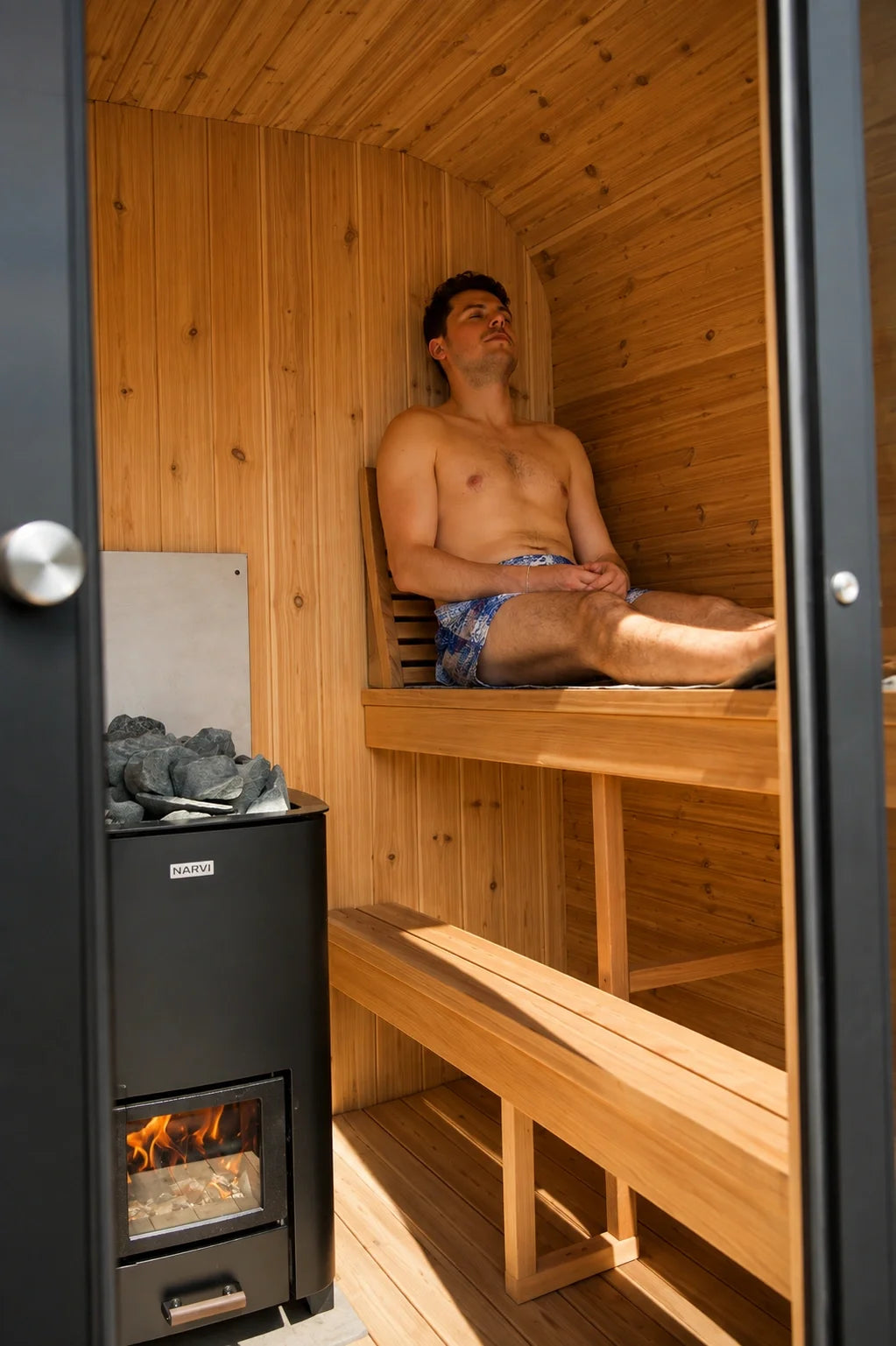
The Longevity Case for Sauna: What the Largest Study Ever Conducted Found
A 21-year Finnish study of 2,315 men found that frequent sauna use was associated with 63% fewer sudden cardiac deaths and roughly 40% lower all-cause mortality. Here is what the research supports, how the mechanism works, and how to build a protocol around it.
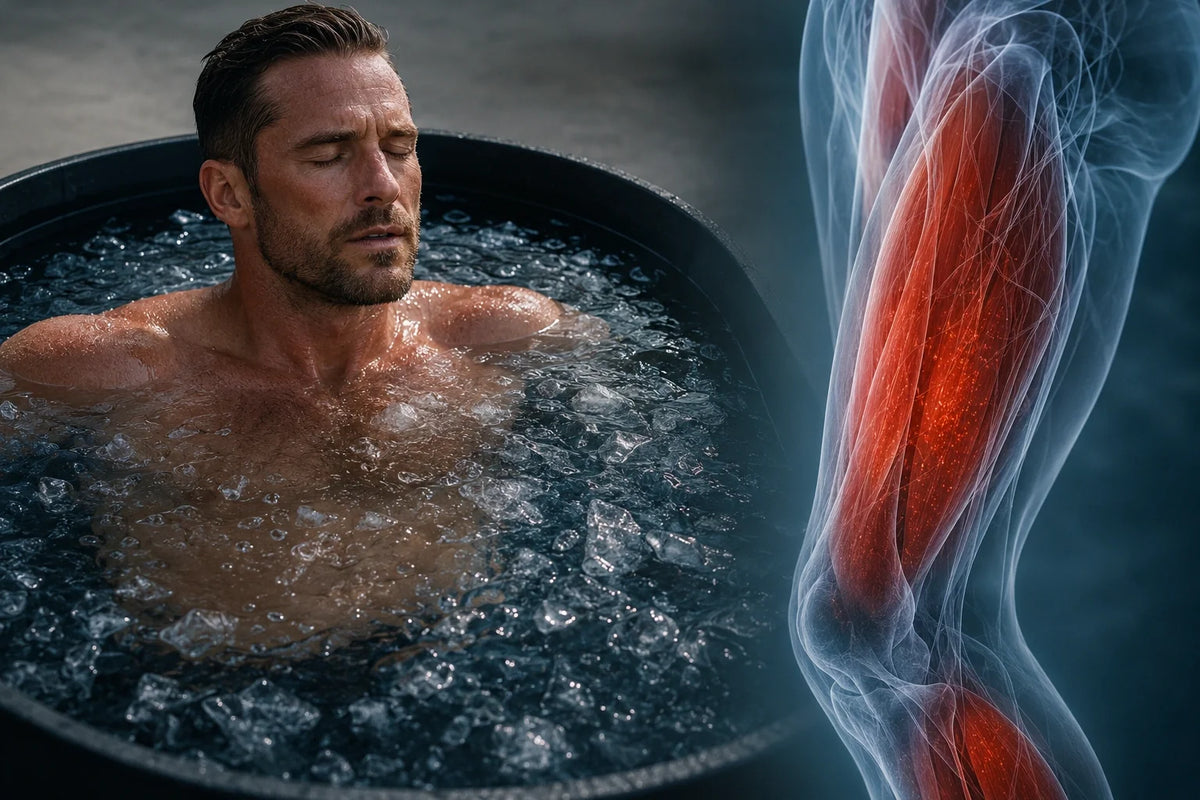
30 Studies Tested Cold Plunging After Exercise. The Timing Changes Everything.
A 2026 meta-analysis of 30 trials found cold plunging reduces soreness but does not speed strength recovery. The timing of your plunge matters more than whether you plunge at all.
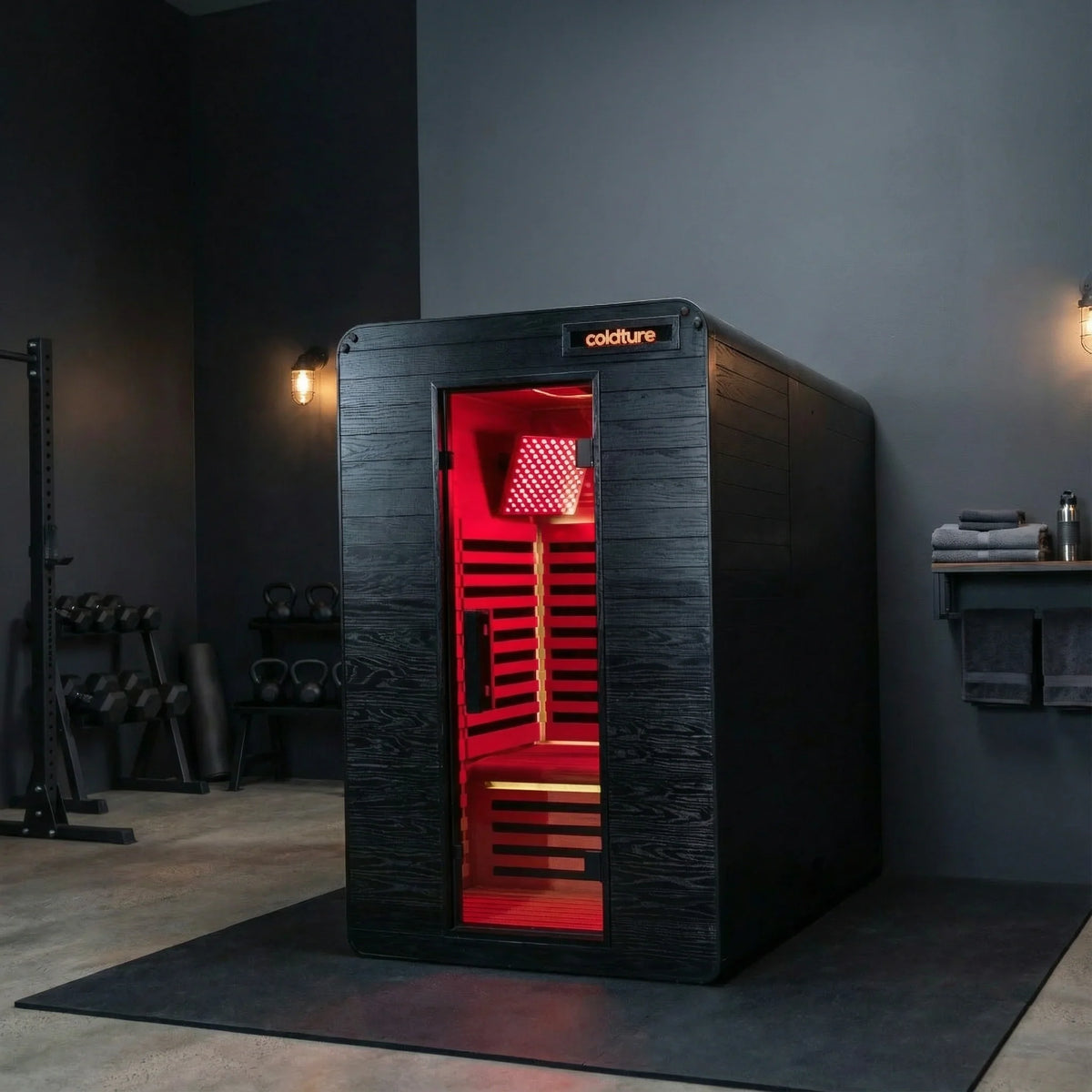
Why There Is Red Light in Your Infrared Sauna (and What the Research Supports)
Infrared heat and red light therapy are two separate mechanisms, not one combined treatment. Here is where the evidence is strong, where it is forming, and where it ends.
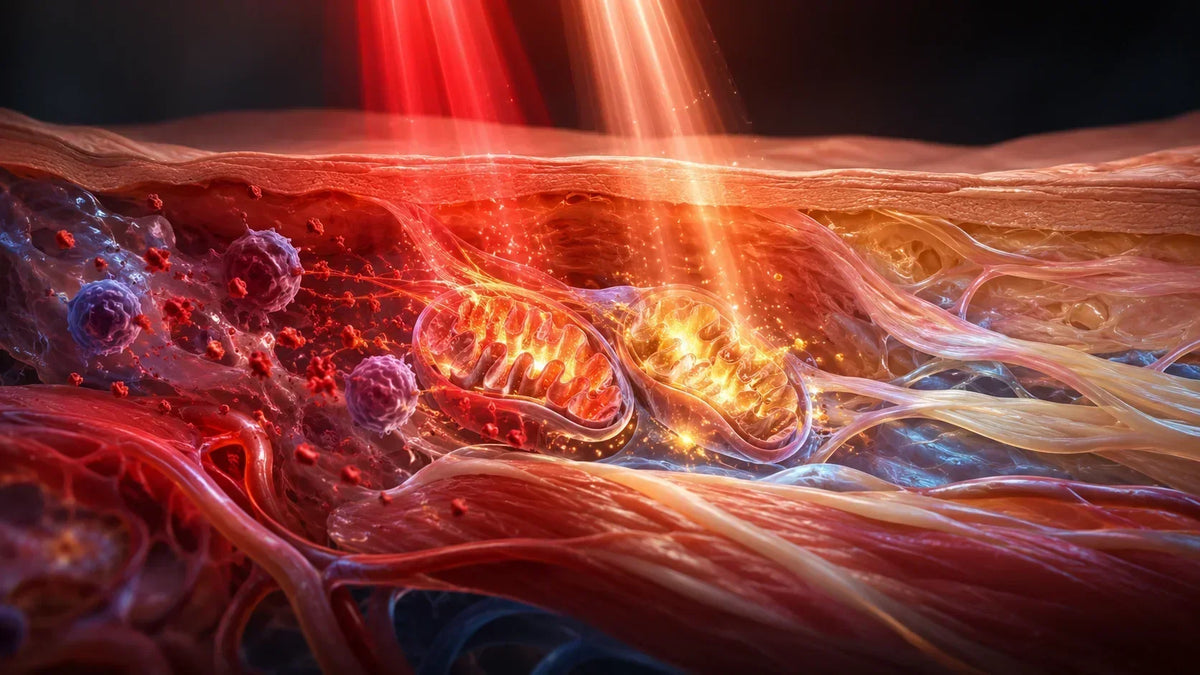
The Most Proven Use of Red Light Therapy Is Not the One It's Known For
A 2026 systematic review of 53 studies found red and near-infrared light reduced pain scores by 32%. The strongest evidence is not skin. It's joints, low back, tendons, and post-surgical recovery.

Cold Plunge Materials Compared: Acrylic, Stainless Steel, Rotomolded and Drop Stitch
Acrylic, stainless steel, rotomolded or drop stitch? Compare cold plunge materials on insulation, durability, outdoor performance and cost, and find the right fit for your space.

Choosing a premium cold plunge means looking past the shell material and evaluating what actually drives daily performance: chiller power, filtration, smart controls, and build quality engineered for years of consistent use.
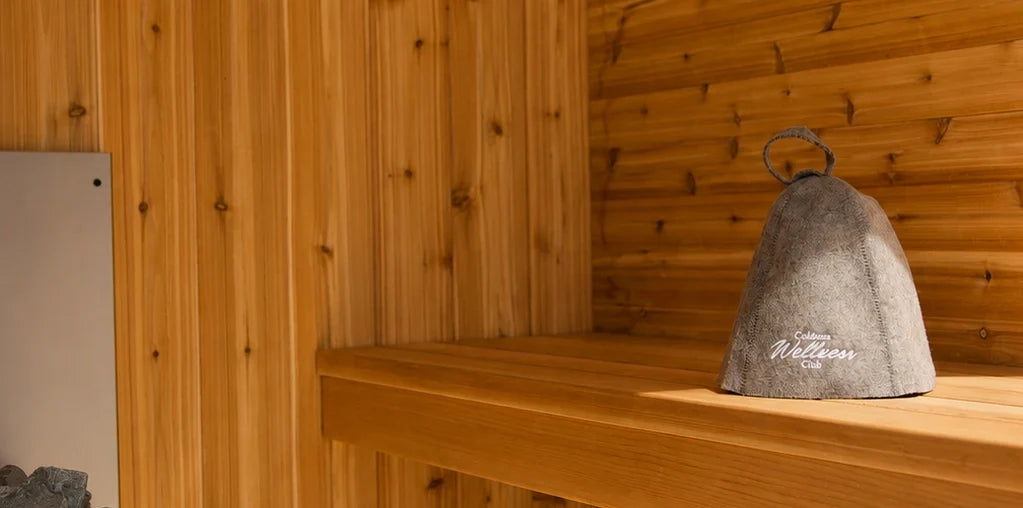
Three Types of Cedar Used in Saunas, and Why the Differences Matter More Than You Think
Not all cedar is the same species, the same grade, or even the same tree. Western red clear cedar, western red knotty cedar, and eastern white cedar are the three types you'll see most often in sauna construction, and the differences between them affect durability, appearance, aroma, and how the wood performs at sustained high temperatures over years of daily use. Here's what the wood science actually says.
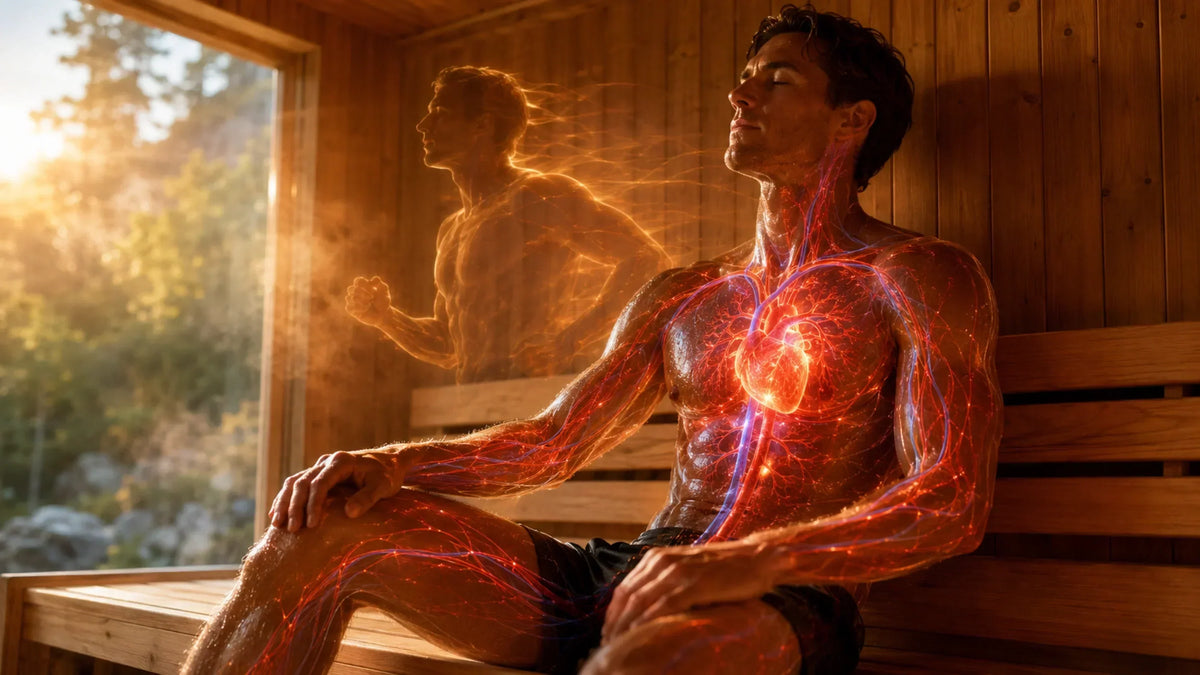
adding 15 minutes of sauna after your workout doubled the cardiovascular gain in an 8-week trial
an 8-week randomized controlled trial split 47 sedentary adults into exercise-only and exercise-plus-sauna groups. same workouts. the sauna group improved VO2 max by 5.6 points versus 2.6. they also dropped systolic blood pressure by an extra 8 mmHg. here's the study, the mechanism, and the protocol.

14°C water produced a 530% norepinephrine spike. that's warmer than most people think they need.
most people assume colder is better. the research says otherwise. the foundational cold plunge study used 14°C water, not 2°C. here's what the evidence actually says about the temperature range that works, why going colder adds risk without adding results, and why consistency and total dose matter more than any single number.

"sauna eliminates microplastics by 86%." the claim is everywhere right now. it comes from one person, with no control group and no peer review. but the real, published science on what your sweat carries out is arguably more interesting, and it's backed by studies most people haven't seen.

the science of contrast therapy: why the best athletes in the world alternate between heat and cold
contrast therapy isn't a wellness trend. it's a vascular workout backed by meta-analyses, used by NBA, NFL, and Olympic athletes, and increasingly adopted by everyday people who want to recover like professionals. here's what the research says, how it works, and how to build the protocol at home.
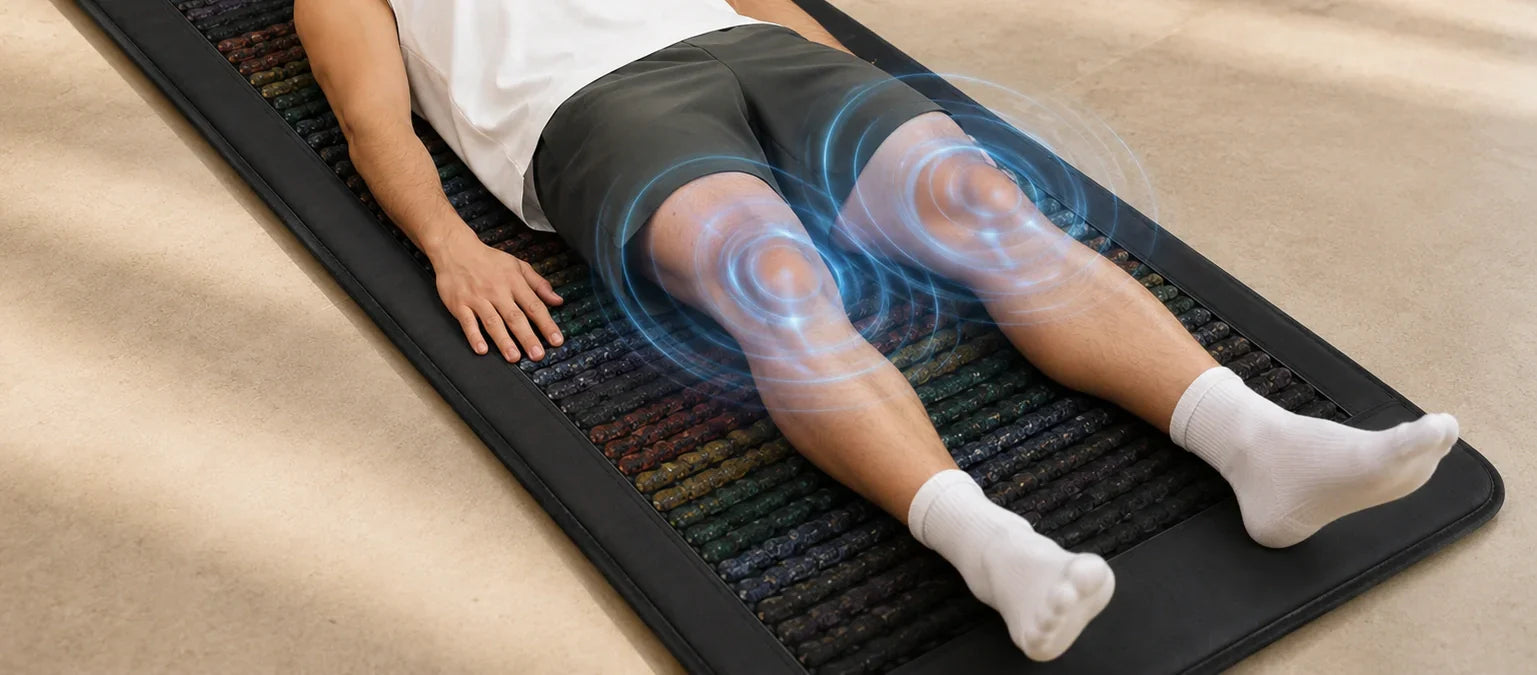
pulsed electromagnetic field therapy has been FDA-cleared for bone healing since 1979 and studied for pain, inflammation, and tissue repair across hundreds of clinical trials. here's what PEMF actually is, how it works at the cellular level, and what the evidence says about who benefits most.
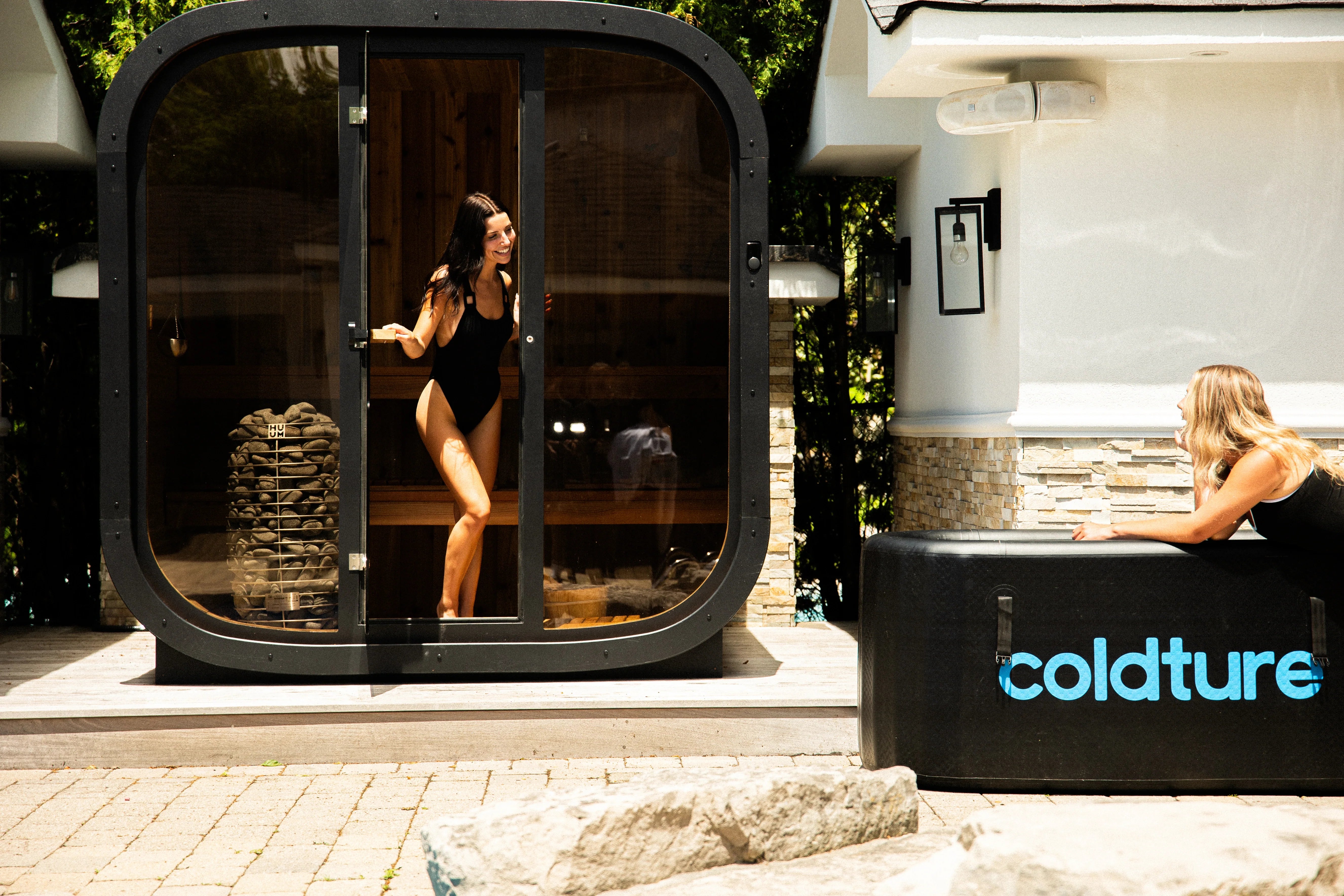
skipping recovery in the summer costs you more than most people realize
summer raises your recovery load, wrecks your deep sleep, and erases months of heat adaptation if you stop using the tools that compound. here's what the research says about why recovery matters more in summer, not less, and the three gaps most people never close.

a 2023 clinical study used a 630nm LED on adults aged 45 to 70. twelve minutes, twice a week, for three months. the result: measurable structural changes in collagen density, firmness, wrinkle depth, and pore size. not opinions. imaging. here's what the research actually found.

heat exposure triggers 3 changes in your brain chemistry that most people have no idea about
the lightness you feel walking out of a sauna isn't mood. it's neurochemistry. beta-endorphins surge, cortisol recalibrates, and BDNF rises. here's what the peer-reviewed research says about what heat does to your brain, and why the discomfort is the mechanism.

The Good News in Longevity Science That Almost No One Is Talking About
Beneath the doom-laden health headlines, 2025 and 2026 delivered a run of genuinely good longevity news, and most of it is accessible and affordable. From a common vitamin that may slow biological aging to the quiet power of walking, Blue Zones, and connection, here are five hopeful findings worth knowing.
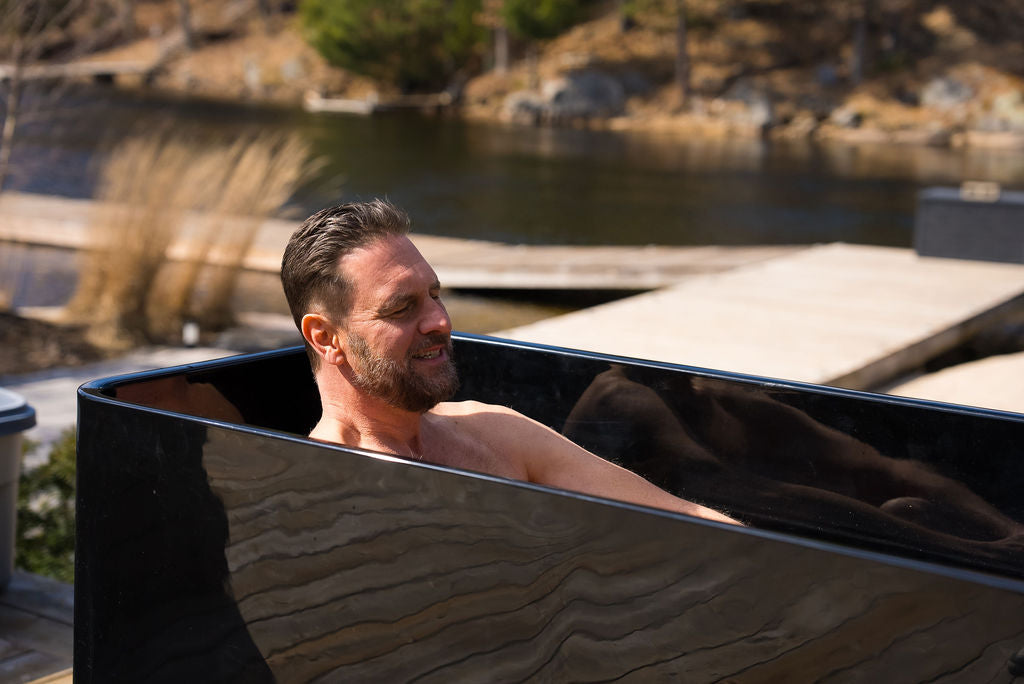
Cold Plunge FAQ: The 5 Questions Everyone Asks, Answered With Research
What is a cold plunge, what are the real benefits, how long and how cold should it be, is it safe, and how does it compare to an ice bath or cryotherapy? Here are clear, research-backed answers to the five most asked cold plunge questions, including an honest look at where the evidence is strong and where it's still mixed.