

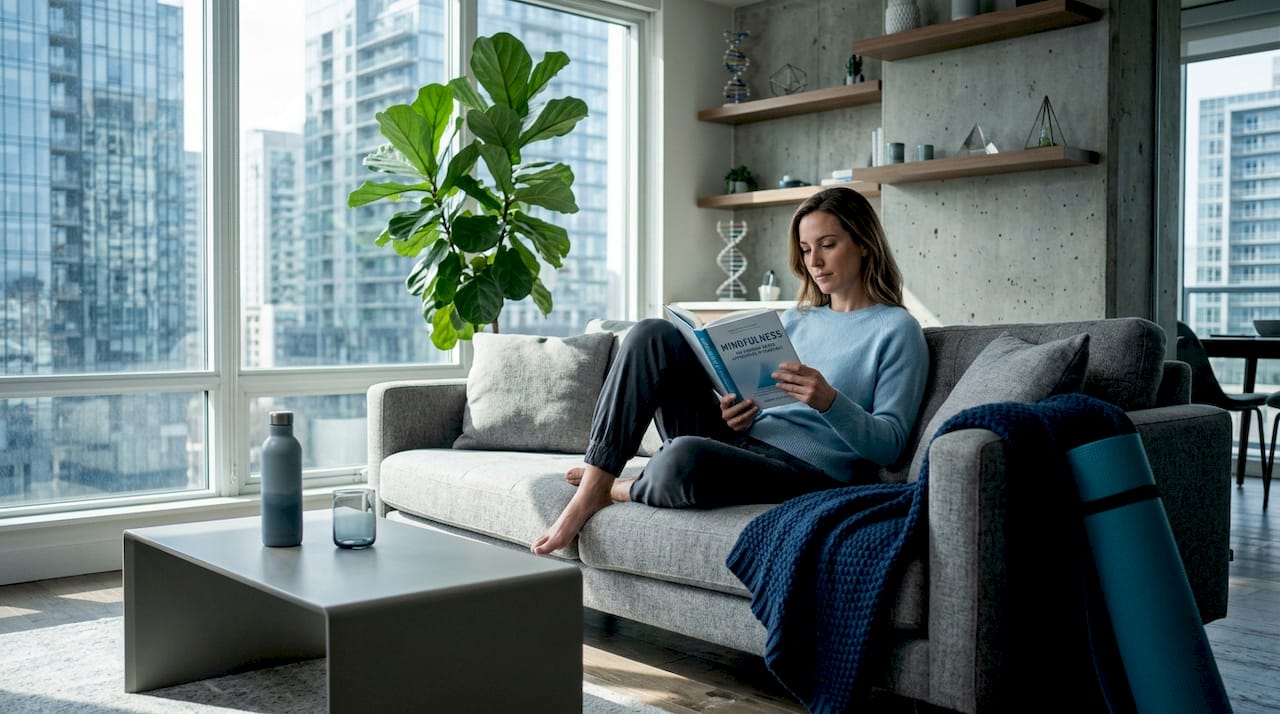
The US wellness economy hit $2.1 trillion in 2024, and nowhere is that growth more visible than inside the homes of people who refuse to separate daily life from daily performance. Affluent homeowners are no longer treating recovery as an afterthought reserved for spa weekends. They are building purposeful wellness spaces inside their properties, integrating evidence-based rituals that deliver measurable results for sleep, recovery, energy, and mental clarity. This article lays out the rituals worth investing in, how to sequence them intelligently, and how to design a home environment where consistency feels effortless.
Table of Contents
- How to choose the right wellness rituals for your home
- Sauna rituals: The restorative benefits of home heat therapy
- Contrast therapy: Combine sauna and cold plunge for maximum wellness gains
- Biophilic design and mindful micro-habits: Wellness beyond temperature
- Our take: Why luxury is about consistency, not complexity
- Discover premium recovery solutions for your home
- Frequently asked questions
Key Takeaways
| Point | Details |
|---|---|
| Home design is key | A well-planned layout with premium equipment makes wellness rituals more consistent and effective. |
| Contrast therapy maximizes recovery | Combining saunas with cold plunges supercharges benefits for body and mind. |
| Consistency beats intensity | Regular, easy rituals—done 2-3 times per week—yield better results than occasional, extreme sessions. |
| Biophilic elements reduce stress | Incorporating plants, natural light, and decluttering can lower cortisol and improve sleep. |
| Luxury means seamlessness | The most effective wellness rituals are those that fit smoothly into your daily life—no friction, no fuss. |
How to choose the right wellness rituals for your home
With the wellness industry expanding faster than almost any other sector, the real challenge is not finding options. It is knowing which rituals will actually work for your lifestyle, your body, and your space. Not every homeowner needs the same setup, and the worst investment you can make is purchasing high-end equipment that never gets used because it does not fit naturally into your daily flow.
Start with your primary goals. Are you chasing better sleep? Faster muscle recovery after sport or training? Sharper mental clarity during a demanding work week? Or are you looking for a sustainable way to manage stress long-term? Each goal points toward a different combination of tools and practices. Someone focused on sleep will prioritize evening heat exposure and mindfulness. Someone focused on athletic recovery will want contrast therapy at the core of their weekly schedule.
Next, think about your available space and how it connects to your existing routine. A dedicated wellness room is ideal, but even a large bathroom, a finished basement, or a covered outdoor deck can house a meaningful setup. What matters more than square footage is proximity and flow. The shorter the distance between your bedroom, your sauna, and your cold plunge, the more likely you are to use them consistently. Friction is the enemy of ritual.
Here are the key criteria to evaluate before selecting your home wellness approach:
- Personal recovery goals: sleep, inflammation, mental resilience, energy, or longevity
- Available space: indoor spa suite, outdoor wellness pavilion, converted bathroom, or multi-use room
- Session frequency: aim for repeatable 20 to 60 minute blocks rather than marathon sessions
- Equipment integration: sauna, cold plunge, red light therapy, or layered combinations
- Design quality: biophilic materials, natural light, minimal visual clutter, and clean sightlines
- Transition flow: how easily you can move from one modality to the next without leaving your comfort zone
The wellness real estate sector is worth $548 billion globally and projected to reach $1 trillion by 2029, driven largely by affluent homeowners who are treating recovery infrastructure as a core home value, not a luxury add-on. Understanding your personal criteria before you design or invest ensures that your space delivers lasting returns on both health and property value.
Pro Tip: Map out your ideal weekday recovery window before purchasing any equipment. If you realistically have 30 minutes in the evening, design around that. A session you will actually do consistently beats an elaborate protocol you will skip.
Once you are clear on goals and logistics, explore recovery ritual strategies that match your schedule and performance targets.
Sauna rituals: The restorative benefits of home heat therapy
Once you have identified your goals and space, start with the cornerstone of at-home heat therapy: the sauna. Of all the recovery modalities available to homeowners, the sauna offers the most well-documented combination of physical and mental benefits, and it integrates naturally into both morning and evening routines.
Evidence-backed home sauna protocols do not require long sessions. Most of the measurable benefits come from consistent, moderately intense heat exposure, not marathon sessions at maximum temperature. Here is a practical weekly routine built around the research:
- Session length: 15 to 20 minutes per round at 160 to 180°F (70 to 82°C)
- Session frequency: 3 to 5 times per week for sustained cardiovascular and recovery benefits
- Timing for sleep: schedule sauna use 1 to 2 hours before bed to allow core body temperature to drop naturally, which signals deep sleep onset
- Timing for energy: morning sessions followed by a cool shower or cold plunge create an alert, focused state
- Hydration: drink 16 to 24 ounces of water or electrolytes before and after each session
One of the more compelling findings from recent research is that sauna use lowers nighttime heart rate by approximately 3 beats per minute, a 5% reduction that supports parasympathetic nervous system recovery and deeper sleep cycles. The effect is particularly pronounced in women during the luteal phase of their cycle, making sauna one of the few recovery tools with measurable hormonal responsiveness.
Statistic to note: Regular sauna users who session 4 or more times per week show meaningful reductions in cardiovascular disease risk, according to long-term cohort data from Finnish research populations.
The indoor versus outdoor sauna debate is mostly a matter of personal preference and climate. Outdoor barrel saunas create a distinct psychological ritual of stepping outside, entering a dedicated sanctuary, and fully disconnecting. Indoor saunas offer convenience and year-round accessibility. Both deliver equivalent physiological benefits when properly maintained.
Pro Tip: End your evening sauna session with a brief cool shower rather than a full cold plunge. This gradual temperature drop supports the sleep-onset signal without over-stimulating your nervous system before bed.
For a full breakdown of evidence-backed protocols, explore the sauna recovery benefits that match your health goals, and use the sauna health checklist to set up your space with the right ventilation, temperature controls, and session structure.
Contrast therapy: Combine sauna and cold plunge for maximum wellness gains
While saunas offer standalone benefits, pairing them with cold water therapy unlocks even greater recovery gains. Contrast therapy, the deliberate cycling between high heat and cold immersion, is one of the most powerful home wellness protocols available to serious homeowners. Used consistently, it accelerates muscle recovery, sharpens mental clarity, and builds a measurable stress tolerance that carries over into daily life.
The mechanism is straightforward. Heat dilates blood vessels and loosens muscles. Cold constricts them rapidly. Cycling between the two creates a pumping effect in your circulatory system that flushes metabolic waste, reduces localized inflammation, and stimulates norepinephrine release, a neurotransmitter closely associated with focus and mood regulation.
Here is a step-by-step contrast therapy protocol designed for home use:
- Start in the sauna: 15 to 20 minutes at 160 to 180°F. Let your core temperature rise fully before moving.
- Transition to the cold plunge: 2 to 5 minutes at 50 to 59°F (10 to 15°C). Breathe slowly and steadily.
- Rest: 5 to 10 minutes at room temperature. Let your body normalize before the next cycle.
- Repeat: complete 3 to 4 full cycles per session.
- Session frequency: 2 to 3 times per week delivers consistent inflammation reduction and circulatory improvement.
- Timing matters: end on cold in the morning for alertness and reduced inflammation. End on heat in the evening for relaxation and sleep preparation.
| Factor | Solo sauna | Contrast therapy |
|---|---|---|
| Inflammation reduction | Moderate | High |
| Mental alertness (post-session) | Low to moderate | High |
| Sleep preparation | Excellent | Good (end on heat) |
| Cardiovascular stimulus | Moderate | Strong |
| Recovery speed | Good | Faster |
| Session time required | 20 to 45 min | 60 to 90 min |
The table above makes the tradeoff clear. If time is limited, a solo sauna session still delivers strong results, especially for sleep. If recovery speed and mental performance are the priority, contrast therapy is worth the additional time investment.
“The most underutilized element of contrast therapy at home is the rest phase. Most people rush through it. Those 5 to 10 minutes of passive recovery between cycles are where much of the circulatory adaptation actually happens.”
For detailed guidance, read how to do contrast therapy and complement it with the cold plunge protocol designed for athletic recovery. These resources will help you dial in timing, temperature, and cycle structure based on your individual goals.
Biophilic design and mindful micro-habits: Wellness beyond temperature
Temperature shifts matter, but daily environment and habits complete the picture for ongoing well-being. The most disciplined heat and cold protocol in the world will not fully compensate for a living environment that is chronically stressful, cluttered, or disconnected from natural elements.
Biophilic design, the intentional inclusion of nature-based elements inside built spaces, has moved well beyond aesthetics. Indoor plants, natural wood and stone surfaces, views of greenery, and access to natural daylight all contribute to measurable reductions in cortisol, the primary stress hormone. Research consistently shows that biophilic features and daily micro-habits such as 10 to 15 minutes of meditation, consistent hydration, and gentle morning movement reduce cortisol levels and improve sleep quality. Clutter, by contrast, raises cortisol because the brain processes visual disorder as an unresolved task.
Here are the highest-impact micro-habits to layer into your home wellness routine:
- Morning light exposure: 10 minutes of natural light within 30 minutes of waking regulates your circadian rhythm and sets your sleep-wake cycle for the day
- Intentional hydration: 20 to 24 ounces of filtered water first thing in the morning, before caffeine, jumpstarts cellular hydration and digestion
- Meditation or breathwork nook: a dedicated chair, cushion, or corner away from screens builds a spatial anchor for a 10 to 15 minute daily mindfulness practice
- Low-friction movement: a yoga mat permanently visible in your wellness space dramatically increases the likelihood you will use it for 10 minutes of light morning movement
- Plant density: even two to three well-placed indoor plants in your recovery room can lower perceived stress and improve air quality
| Micro-habit | Time required | Primary benefit |
|---|---|---|
| Morning light exposure | 10 min | Circadian rhythm regulation |
| Hydration protocol | 2 min | Cellular recovery, digestion |
| Meditation or breathwork | 10 to 15 min | Cortisol reduction, focus |
| Light movement or stretching | 10 min | Circulation, flexibility |
| Evening declutter | 5 min | Reduced visual stress, better sleep |
Pro Tip: Treat your recovery nook the same way you treat your sauna or cold plunge. Give it a designated space, keep it permanently set up, and remove any friction that would stop you from using it. A meditation cushion tucked in a closet is never going to build a habit.
Our take: Why luxury is about consistency, not complexity
There is a version of home wellness that is genuinely transformative, and a version that is purely decorative. The gap between them has almost nothing to do with the quality of the equipment and everything to do with how often the equipment actually gets used.
We have seen homeowners build stunning wellness suites with top-tier saunas, cold plunges, and red light panels, and then use them twice a month because the setup demands too much mental bandwidth to enter. And we have seen people with simpler, more intentional spaces transform their sleep, energy, and stress levels inside 60 days because the ritual was easy to repeat every single day.
True luxury, in the wellness sense, is not about having the most elaborate protocol. It is about having a routine so well-designed and so frictionless that it would feel strange to skip it. That is the standard worth building toward.
The rituals that actually change your physiology are not dramatic. They are consistent. A 20-minute sauna session four nights a week beats a two-hour spa protocol you do once a month. A cold plunge at a steady temperature you actually get into beats a perfectly optimized protocol you talk yourself out of because the setup takes 15 minutes. Explore expert-led routines and notice that the common thread is always simplicity and repetition, not complexity.
Design your wellness space so that the default behavior is recovery. Remove every barrier. Make the next step obvious. That is where lasting change lives.
Discover premium recovery solutions for your home
Ready to make wellness a daily luxury? Your rituals are only as good as the tools you build them around, and the right equipment makes consistency feel natural rather than effortful.
Coldture designs home cold plunges built for year-round use, precision temperature control, and the kind of beautiful hardware that belongs in a luxury home, not a commercial gym. Our collection of indoor and outdoor saunas brings professional-grade heat therapy into your space with designs that work with your architecture. And for daily light-based recovery, our red light therapy devices deliver clinically relevant wavelengths at home, without a clinical environment. Browse Coldture’s full recovery lineup and find the combination that fits your home, your goals, and your routine.
Frequently asked questions
How often should you do contrast therapy at home?
Most people see the best results from 2 to 3 sessions per week, with 3 to 4 full heat-cold-rest cycles per session. Consistency over weeks matters more than session intensity.
Can sauna use really help with sleep?
Yes. Regular sauna sessions have been shown to lower nighttime heart rate by 3 bpm, supporting deeper parasympathetic recovery and more restorative sleep cycles.
Does biophilic design actually make a difference in stress?
Research confirms that biophilic design and daily habits like short meditation sessions and hydration routines reduce cortisol measurably, while visual clutter actively raises stress hormone levels.
What is the fastest-growing sector in the US wellness market?
Wellness real estate leads with an 18.8% annual compound growth rate, reflecting strong demand from premium homeowners who are treating recovery infrastructure as a core property investment.
Share:
Cold Plunging, Nervous System Regulation, and the Science of Emotional Resilience
Effective cold plunge routine for athletes to boost recovery