

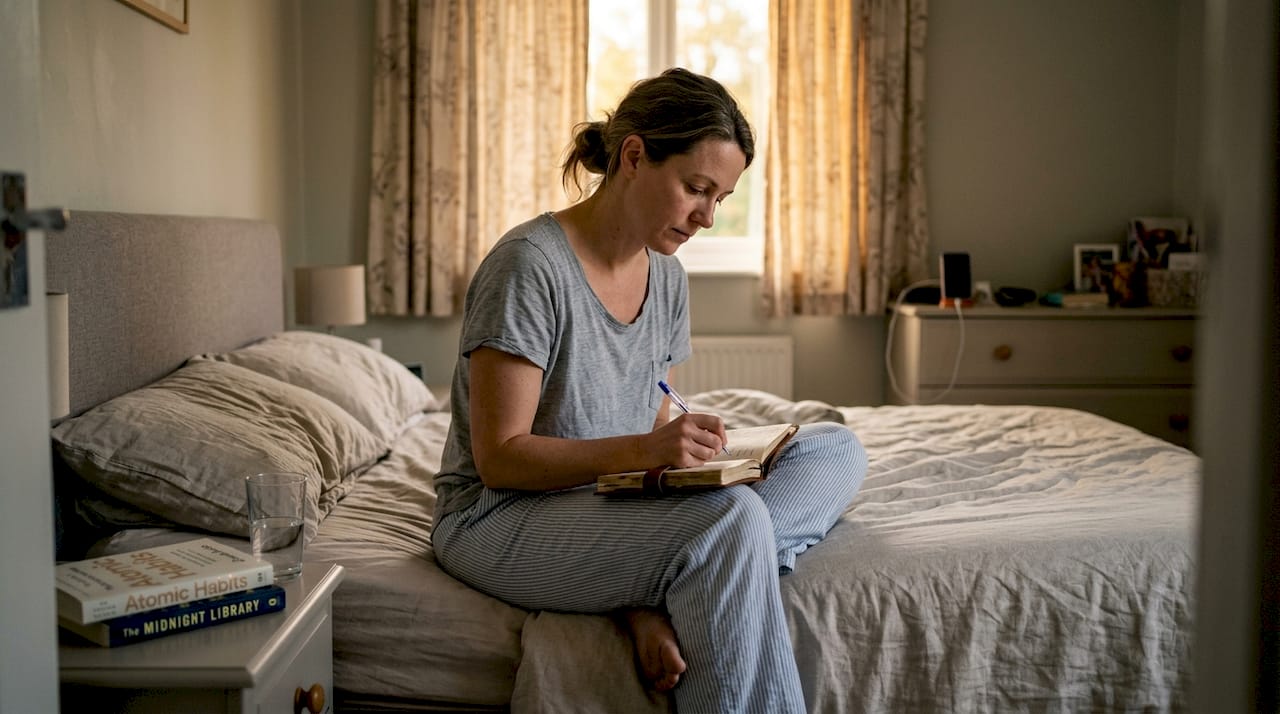
Recovery shouldn’t feel like another item on your to-do list. Between training sessions, work stress, and everyday demands, finding the right method to help your body bounce back can feel overwhelming. Scroll through any wellness feed and you’ll find cold plunges, saunas, massage guns, and meditation apps all claiming to be the answer. This guide cuts through the noise, compares the most effective recovery methods available today, and helps you build a routine that actually fits your life and goals.
Table of Contents
- How to choose the best recovery method for you
- Active recovery: movement for muscle repair
- Cold water immersion: ice baths and cold plunges
- Heat therapy: saunas, hot tubs, and heating pads
- Massage therapy: hands-on and self-massage tools
- Sleep: the foundation of all recovery
- Other modern recovery techniques to consider
- Which recovery method is right for you? Situational recommendations
- Discover recovery solutions with Coldture
- Frequently asked questions
Key Takeaways
| Point | Details |
|---|---|
| Start with sleep | Deep, quality sleep is foundational for any recovery routine and boosts all other strategies. |
| Mix your methods | Combining cold, heat, movement, and massage brings better results for most people. |
| Personalize your approach | Recovery is unique—track which methods work best for your goals and body. |
| Stay consistent | Routine application, not just one-off sessions, makes the true difference in recovery. |
How to choose the best recovery method for you
Not every recovery method works the same for every person. Before you invest time or money, it helps to evaluate your options against a few key factors.
- Fitness level and activity type: A marathon runner needs different recovery than someone doing three gym sessions a week.
- Your primary goal: Are you chasing faster muscle repair, injury prevention, or stress reduction? Each goal points to different tools.
- Accessibility and cost: Some methods require equipment or professional visits. Others cost nothing.
- Scientific backing: Trends come and go. Prioritize methods with real research behind them, not just social media buzz.
Once you know what you’re optimizing for, comparing methods becomes much easier.
Pro Tip: Keep a simple recovery journal for two to three weeks. Log your soreness levels, sleep quality, and energy after each method. Patterns will emerge fast, and you’ll stop guessing what works.
Active recovery: movement for muscle repair
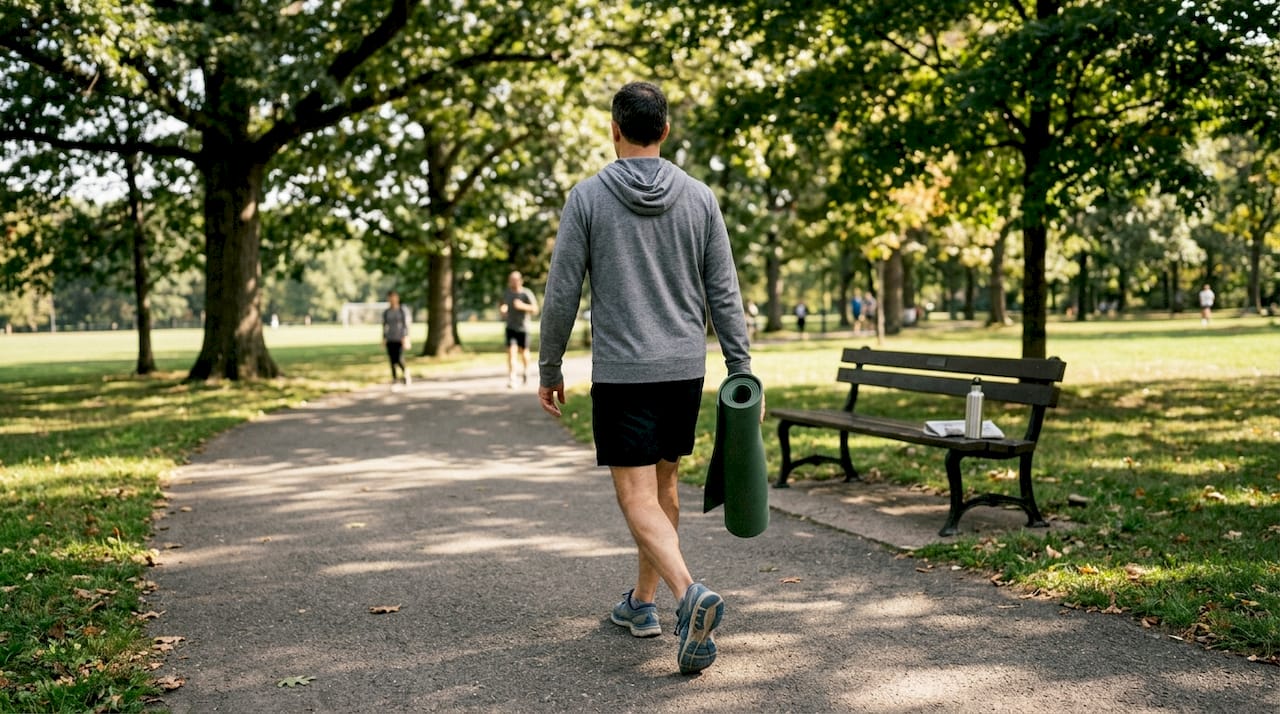
Active recovery means replacing full rest days with low-intensity movement. Instead of sitting still, you keep blood flowing through your muscles without adding new stress to them. It sounds simple because it is, and that’s exactly why it works.
The best activities for active recovery include:
- Brisk walking (20 to 40 minutes)
- Light cycling or stationary bike
- Yoga or gentle stretching
- Swimming at an easy pace
Gentle activities like walking and swimming accelerate muscle recovery without adding strain, making them ideal for the day after a hard workout. The increased circulation helps flush out metabolic waste products that build up during intense exercise.
“Low-intensity movement on rest days keeps the body primed for the next session without digging deeper into the recovery deficit.” — Recovery performance research
Active recovery is also one of the most accessible methods available. No equipment, no cost, no scheduling required. If you can walk, you can recover actively.
Cold water immersion: ice baths and cold plunges
Cold water immersion has moved well beyond locker room ice buckets. Today’s cold plunges are purpose-built, temperature-controlled, and used by everyone from elite athletes to weekend warriors. The science behind them is solid.
When you submerge in cold water, your blood vessels constrict (a process called vasoconstriction). When you exit, they dilate rapidly, flushing fresh, oxygenated blood through your muscles. Cold plunges and ice baths help decrease inflammation after intense activity, which is why recovery times can feel noticeably shorter.
Who benefits most from cold water immersion:
- Athletes training at high intensity multiple times per week
- Anyone dealing with post-workout inflammation or joint soreness
- People looking to build mental resilience alongside physical recovery
- Those who want a cold therapy boost in energy and focus
For a full breakdown of how to structure your sessions, the ice bath recovery guide covers everything from water temperature to session length.
Pro Tip: Start with 2 to 3 minutes at 55 to 60°F and work your way down in temperature over several weeks. Jumping straight into 39°F water on day one is a fast way to hate the process.
Heat therapy: saunas, hot tubs, and heating pads
Heat works differently than cold, and that’s the point. Where cold constricts and reduces inflammation, heat opens blood vessels (vasodilation) and relaxes tight muscle tissue. Both have a place in a well-rounded recovery plan.
Common heat therapy options include:
- Traditional or infrared sauna: Deep tissue warmth, cardiovascular benefits, and stress relief
- Hot tub or warm bath soak: Full-body relaxation with hydrostatic pressure benefits
- Heating pads or heat wraps: Targeted relief for specific muscle groups
Heat application increases blood flow and helps relax tight muscles, making it especially useful 24 to 48 hours after exercise when acute inflammation has settled. Using heat too soon after an injury can actually increase swelling, so timing matters.
“A 15 to 20 minute sauna session in the evening can significantly improve sleep quality and next-day muscle readiness.” — Thermal therapy research
For muscle recovery with heat, the sauna is particularly effective because it raises core body temperature gradually, triggering a relaxation response that carries over into sleep.
Massage therapy: hands-on and self-massage tools
Massage has been a recovery staple for decades, and modern tools have made it more accessible than ever. You no longer need a weekly appointment to get real benefits.
Massage is shown to reduce soreness and enhance muscle relaxation, which translates directly to faster return-to-performance. For massage recovery insights, the key is consistency over intensity.
Popular massage options:
- Foam rollers: Affordable, effective for large muscle groups, great for daily use
- Massage guns (percussive therapy): Fast, targeted, and ideal for post-workout use
- Professional massage: Deeper tissue work, better for chronic tension or injury recovery
| Feature | At-home tools | Professional massage |
|---|---|---|
| Cost | Low (one-time purchase) | Higher (per session) |
| Convenience | High (anytime) | Requires scheduling |
| Depth of treatment | Moderate | High |
| Best for | Daily maintenance | Chronic tension, injury |
For most active individuals, combining daily foam rolling with occasional professional sessions gives the best results without breaking the budget.
Sleep: the foundation of all recovery
Every method in this article works better when you’re sleeping well. Sleep isn’t passive. During deep sleep stages, your body releases growth hormone, repairs muscle tissue, and consolidates motor patterns learned during training.
Quality sleep is essential for muscle repair, memory consolidation, and injury prevention. No supplement, cold plunge, or massage can fully compensate for chronic sleep deprivation.
Steps to improve sleep quality for better recovery:
- Set a consistent sleep and wake time, even on weekends
- Keep your bedroom cool (around 65 to 68°F)
- Avoid screens for 30 to 60 minutes before bed
- Limit caffeine after 2 p.m.
- Use your sauna or warm bath in the evening to trigger a natural temperature drop that promotes sleep onset
“Athletes who extended sleep to 10 hours per night showed measurable improvements in speed, reaction time, and mood within weeks.” — Sleep and performance research
The sleep and recovery connection is one of the most underrated performance levers available, and it costs nothing.
Other modern recovery techniques to consider
Beyond the core methods, several newer approaches are earning serious attention from both researchers and athletes.
Alternative recovery methods like red light therapy and compression may address both physical and mental recovery, making them worth adding to your routine for athletes or general wellness plan.
| Method | Primary benefit | Best for | Cost range |
|---|---|---|---|
| Red light therapy | Muscle repair, mood | Daily recovery, inflammation | Moderate to high |
| Compression sleeves/boots | Blood flow, swelling | Post-run, travel recovery | Low to moderate |
| Breathwork/meditation | Stress resilience, HRV | Mental recovery, sleep | Free |
| Nutrition timing | Muscle protein synthesis | Post-workout fueling | Low |
A few highlights worth knowing:
- Red light therapy uses specific wavelengths to penetrate muscle tissue and support cellular repair
- Compression gear applies graduated pressure to improve venous return and reduce swelling
- Breathwork (like box breathing or the Wim Hof method) activates the parasympathetic nervous system, shifting your body from stress mode into recovery mode
- Protein timing matters: consuming 20 to 40 grams of protein within two hours of training accelerates muscle protein synthesis
Which recovery method is right for you? Situational recommendations
Having explored the full spectrum, let’s zero in on what actually fits your lifestyle and priorities.
Choosing the right recovery approach depends on activity intensity, personal preference, and wellness goals. Here’s how to match methods to your situation:
- High-intensity athletes: Prioritize cold water immersion, quality sleep, and massage. Add red light therapy for daily maintenance.
- Casual exercisers: Active recovery, foam rolling, and consistent sleep cover most of your needs without major investment.
- Older adults: Heat therapy, gentle active recovery, and compression gear support joint health and circulation effectively.
- Budget-conscious: Sleep optimization, active recovery, and breathwork are free and highly effective.
- Time-limited: A 10-minute cold plunge and a foam rolling session can be done in under 20 minutes total.
For smart recovery decisions, the best approach is rarely a single method. Stacking complementary techniques produces results that no single tool can match on its own.
Pro Tip: Pair cold water immersion with breathwork immediately after your session. The controlled breathing helps regulate your nervous system response and makes the cold feel far more manageable, especially when you’re starting out.
Discover recovery solutions with Coldture
Building a recovery routine that actually works means having the right tools at your fingertips. Whether you’re drawn to the sharp clarity of a cold plunge, the deep warmth of a sauna session, or the cellular benefits of red light therapy, having professional-grade equipment at home changes everything.
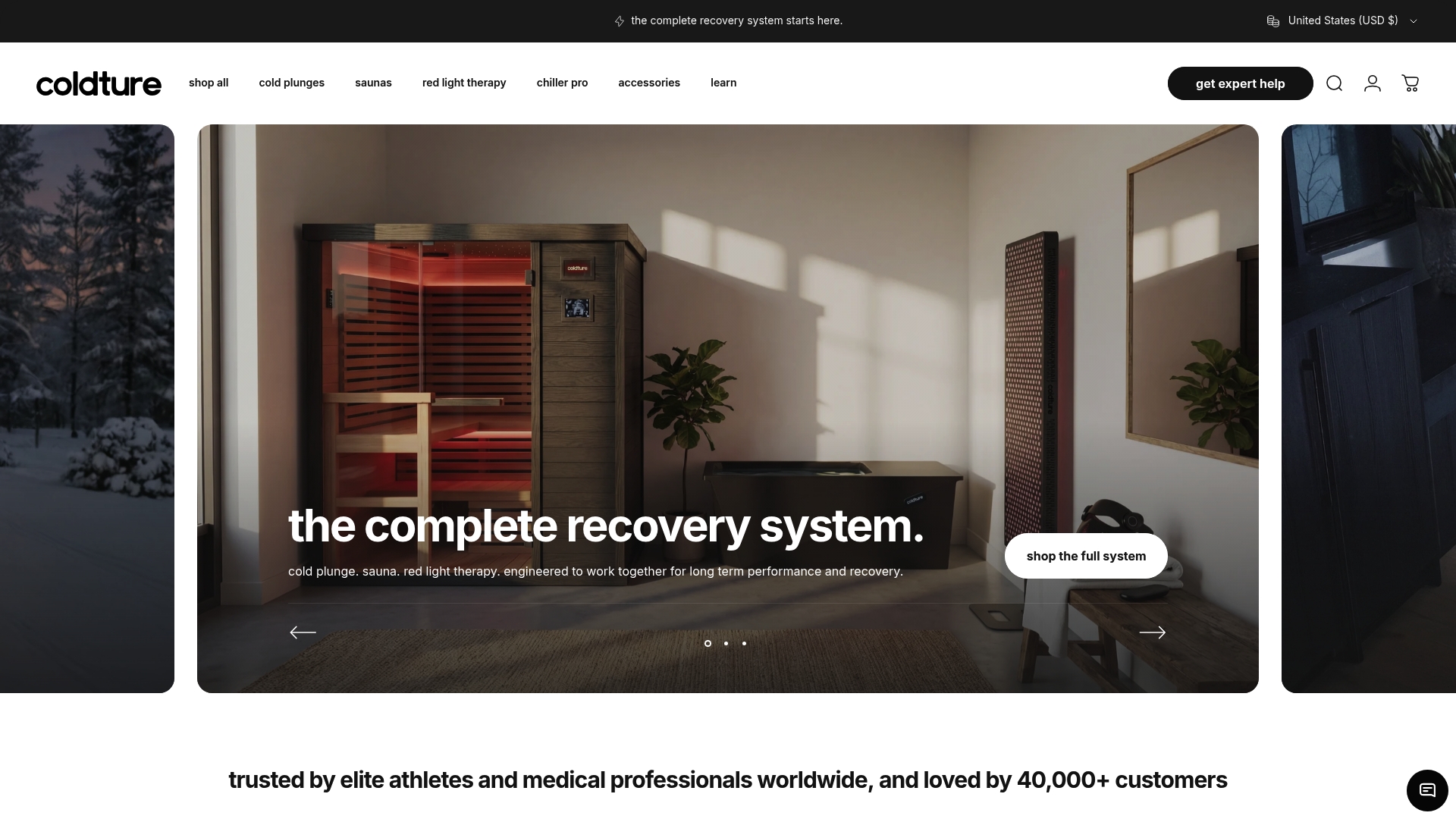
At Coldture, we design recovery hardware that fits real life. You can shop cold plunges built for daily use, find outdoor saunas that bring spa-level heat to your backyard, or explore red light therapy systems that support muscle repair and mood every single day. Every product is built for performance, designed to last, and made to make your recovery routine something you actually look forward to.
Frequently asked questions
How often should I do cold plunges for recovery?
You can start with 2 to 3 cold plunge sessions per week and adjust based on your results and comfort. Cold water immersion routines can be adapted to individual tolerance, so listen to your body and scale gradually.
Is it better to use heat or cold for sore muscles?
Use cold therapy for recent injuries or acute inflammation, and switch to heat once the initial swelling has settled to release muscle tension. Cold reduces inflammation while heat relaxes muscles during later recovery stages.
Do recovery methods help mental resilience in addition to physical recovery?
Yes. Techniques like meditation, breathwork, and controlled sauna sessions actively support mental and emotional wellness alongside physical repair. Recovery practices can lower stress and improve mental clarity over time.
What’s the most important factor for effective recovery?
Consistent, quality sleep is the single most effective recovery factor for both body and mind. Sleep underpins all other recovery strategies and amplifies the results of every other method you use.
Share:
Cold therapy guide: boost recovery and resilience in 2026
Cold therapy and immunity: science, methods, and results