

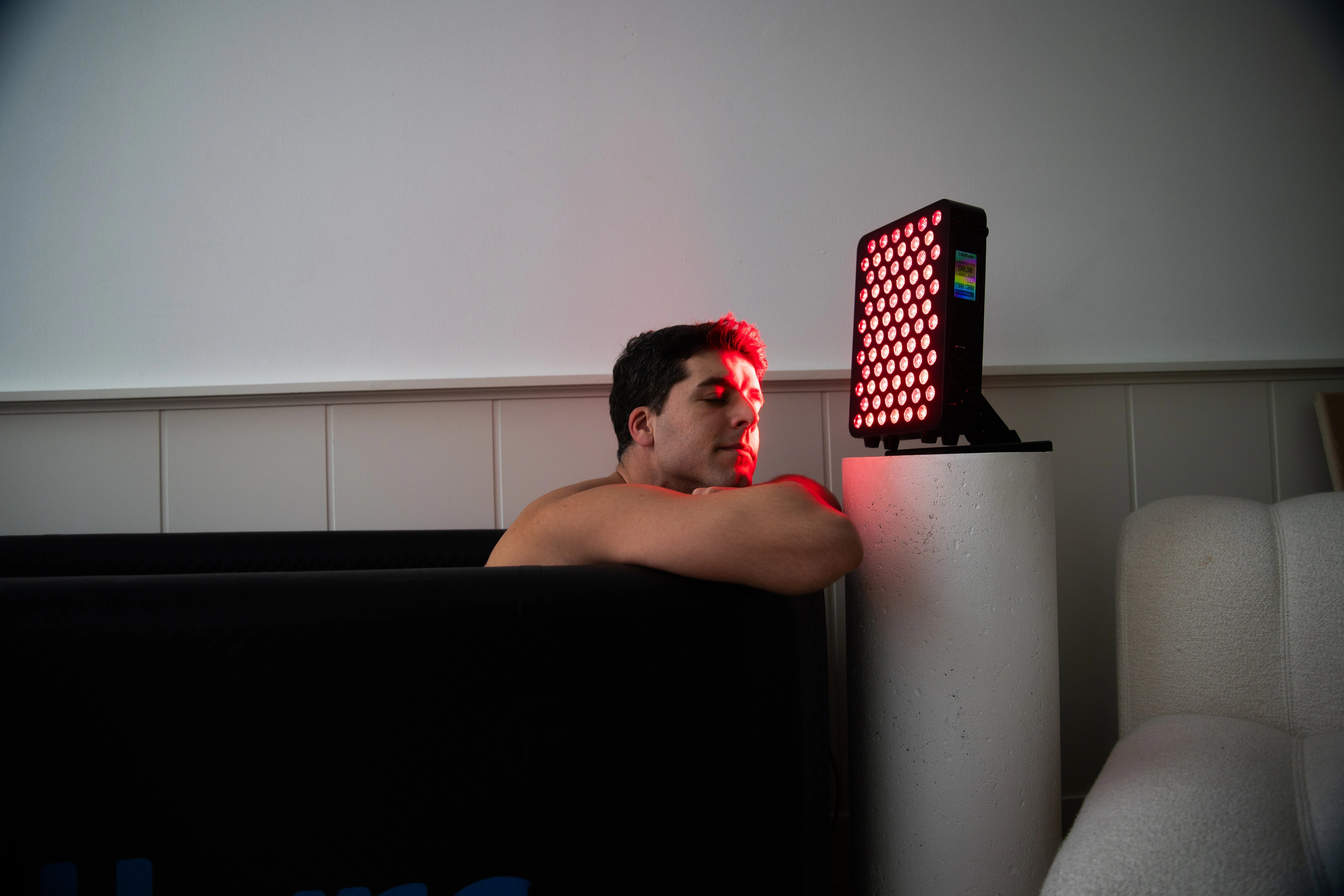
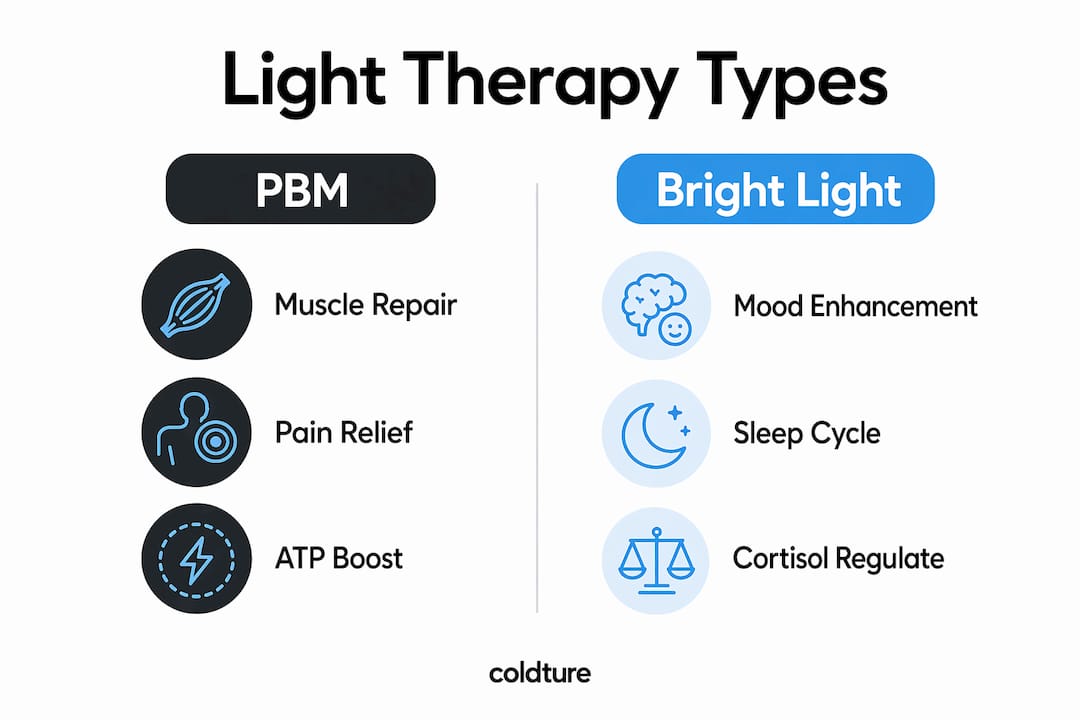
Light therapy is defined as the therapeutic application of specific wavelengths of light to stimulate cellular repair, reduce inflammation, and modulate pain. The role of light therapy in recovery has moved well beyond seasonal mood support. Two distinct modalities now dominate the clinical conversation: photobiomodulation (PBM), which uses red and near-infrared wavelengths to drive tissue repair, and bright light therapy (BLT), which targets circadian and endocrine pathways. A 2026 randomized controlled trial with CrossFit athletes confirmed that PBM improves performance and reduces muscle damage biomarkers with statistical significance. If you train hard, recover intentionally, or manage chronic pain, the science behind these tools is worth understanding in full.
What scientific evidence supports light therapy for recovery?
The evidence base for PBM has grown sharply in 2026, with multiple high-quality trials and expert consensus documents moving the field from promising to clinically credible.
A 2026 crossover RCT involving 12 CrossFit athletes found that PBM combined with a static magnetic field (PBMT-sMF) produced significant reductions in LDH and TBARS, two key markers of muscle damage and oxidative stress, compared to passive recovery. That result matters because it connects light exposure directly to measurable biochemical change, not just subjective soreness ratings.

On the pain side, a 2026 systematic review of 14 randomized clinical trials found that PBM reduces chronic pain across multiple conditions with a favorable safety profile. The catch is that protocol variability across studies makes direct comparisons difficult, which means the field still lacks a single gold-standard dosing protocol.
Safety consensus has also advanced. A 2026 Delphi process involving 21 experts concluded that PBM carries no DNA damage risk in adults and is appropriate for a wide range of clinical applications. That consensus is meaningful because it comes from structured expert review, not manufacturer claims.
BLT adds a separate but complementary dimension. A 2026 RCT in depressed patients showed that two weeks of bright light therapy reduced fasting blood glucose and cortisol, pointing to endocrine rhythm modulation as a recovery mechanism that goes beyond muscle tissue.
Here is a summary of the current evidence landscape:
| Modality | Application | 2026 Evidence Level | Key Outcome |
|---|---|---|---|
| PBM (red/near-infrared) | Muscle recovery, chronic pain | RCT + expert consensus | Reduced LDH, TBARS; analgesic effect |
| PBMT-sMF | Athletic performance recovery | Crossover RCT | Improved jump height at 24–48 hours |
| Bright light therapy | Metabolic and circadian recovery | RCT | Reduced cortisol mesor, blood glucose |
| PBM (wound healing) | Tissue regeneration | Preclinical dose-response | Optimal closure at 6 J/cm² with 630 nm |
Key findings that athletes and wellness practitioners should know:
- PBM with static magnetic field outperforms passive recovery on both performance and biochemical markers.
- Analgesic effects are real but depend heavily on treatment parameters.
- BLT influences cortisol rhythmicity, which has direct implications for sleep quality and recovery readiness.
- Expert consensus confirms PBM safety in adults when used correctly.
How does light therapy work to aid healing and recovery?
The mechanisms behind light therapy for healing are cellular, not cosmetic. Understanding them helps you use the technology with purpose rather than hope.
-
Mitochondrial activation. PBM wavelengths, typically between 630 nm and 850 nm, are absorbed by cytochrome c oxidase in the mitochondrial membrane. This absorption increases ATP production, which gives cells the energy they need to repair damaged tissue faster. Think of it as charging the battery inside each cell.
-
Inflammation reduction. Elevated reactive oxygen species (ROS) after intense exercise trigger inflammatory cascades. PBM modulates ROS levels and suppresses pro-inflammatory cytokines, which shortens the inflammatory phase of recovery without blunting the adaptive signal entirely. A preclinical dose-response study confirmed that 630 nm light at 5 mW/cm² accelerates wound closure and tissue regeneration at an optimal dose of 6 J/cm².
-
Pain pathway modulation. PBM influences the release of neuromodulators including endorphins and serotonin, and it reduces the sensitivity of peripheral nociceptors. This is why the analgesic effects of PBM appear across conditions as different as tendinopathy, fibromyalgia, and post-exercise soreness.
-
Circadian and cortisol regulation. BLT works through the retinohypothalamic tract to reset the suprachiasmatic nucleus, the brain’s master clock. When cortisol rhythmicity is disrupted by poor sleep, overtraining, or stress, BLT can recalibrate the pattern. The 2026 RCT showing cortisol mesor reduction with BLT suggests this pathway has direct metabolic recovery implications, not just mood benefits.
-
Tissue regeneration. At the cellular level, PBM stimulates fibroblast proliferation and collagen synthesis, which accelerates repair in tendons, ligaments, and skin. This mechanism explains why sports medicine clinics and performance medicine practices have integrated PBM into post-injury protocols.
Pro Tip: Do not judge PBM effectiveness by how you feel one hour after a session. The biochemical repair processes it triggers take time to produce measurable results. Assess your recovery at the 24 and 48-hour marks instead.
What are the limitations, timing, and safety considerations?
Light therapy is not a plug-and-play tool. Timing, dosing, and device quality all determine whether you get clinical results or just expensive light exposure.
Timing is not immediate. The 2026 CrossFit trial found no significant jump height difference at one hour post-exercise, but clear improvements at 24 and 48 hours. This is one of the most misunderstood aspects of PBM. Athletes who dismiss the therapy because they feel no immediate effect are measuring at the wrong time.
Protocol variability undermines consistency. The 2026 systematic review on chronic pain noted that diverse wavelengths, doses, and durations across studies make it difficult to replicate results reliably. Until standardized dosing protocols are established, users need to follow evidence-based parameters rather than defaulting to whatever a device’s default setting offers.
Eye safety is a real concern, not a footnote. A 2026 safety evaluation of four red light therapy devices found that laser-based devices can reach ANSI eye safety limits in under 180 seconds depending on pupil size and distance. That finding directly challenges the assumption that “FDA-cleared” automatically means safe for all exposure scenarios.
Key safety guidelines to follow:
- Always wear certified protective eyewear rated for the specific wavelength of your device.
- Follow the manufacturer’s recommended treatment duration. Do not extend sessions assuming more is better.
- Keep the device at the specified distance from the skin. Irradiance drops sharply with distance, and too close increases thermal risk.
- Consult a physician before using PBM if you take photosensitizing medications or have a history of skin cancer.
“Device safety is nuanced. Independent ANSI-based testing reveals that some red-light devices may exceed safe eye exposure quickly, underscoring the need for regulated use and protective eyewear.” — JAMA Ophthalmology, 2026
How to incorporate light therapy into your recovery routine
Integrating light therapy into a real recovery program requires matching the right device type to your goals, timing sessions correctly, and stacking modalities intelligently.
Choosing between PBM and BLT devices:
| Feature | PBM (Red/Near-Infrared) | Bright Light Therapy |
|---|---|---|
| Primary target | Muscle, tissue, pain | Circadian rhythm, cortisol, mood |
| Wavelength range | 630–850 nm | Broad spectrum, 10,000 lux |
| Session length | 10–20 minutes per area | 20–30 minutes in the morning |
| Best timing | Pre- or post-exercise | Within 1 hour of waking |
| Key recovery benefit | Reduced soreness, faster repair | Better sleep, lower cortisol |
For muscle recovery, apply PBM to the target muscle group within 30 minutes before or after training. The pre-exercise application primes mitochondrial function. The post-exercise application initiates the repair cascade earlier. Both approaches have support in the literature, and the 24 to 48-hour window is when you will notice the clearest difference.
For sleep quality and cortisol management, a 20 to 30-minute BLT session in the morning is the standard protocol. Athletes in heavy training blocks often experience disrupted cortisol rhythms, and BLT addresses that pathway directly. Pair it with consistent wake times for compounding benefit.
Stacking with other recovery modalities amplifies results. Cold plunge after training reduces acute inflammation and vasoconstricts tissue. PBM applied before cold exposure can prime cellular repair before the inflammatory response is suppressed. Sauna sessions increase heat shock protein production and blood flow. Using PBM after sauna, when tissue is warm and perfused, may improve light penetration and cellular uptake. Wellness facilities like The Colosseum Charleston have built contrast therapy programs around exactly this kind of stacking logic.
For full-body applications, panel-based systems that cover large surface areas deliver more consistent irradiance than handheld devices. Coldture’s 360° full-body red light system is designed for athletes who need whole-body coverage without repositioning mid-session.
Pro Tip: Start with two to three sessions per week and track your recovery markers, sleep quality, and soreness levels over three weeks before adjusting frequency. Most users underestimate the cumulative benefit and quit before the protocol has time to work.
Key takeaways
Light therapy supports recovery through three distinct mechanisms: cellular energy production via PBM, inflammation and pain modulation, and circadian rhythm regulation via BLT.
| Point | Details |
|---|---|
| PBM timing matters | Benefits appear at 24–48 hours post-session, not immediately after treatment. |
| Protocol consistency is critical | Wavelength, dose, and duration must follow evidence-based parameters for reliable results. |
| Eye safety requires active protection | Some devices reach ANSI exposure limits in under 180 seconds; always use certified eyewear. |
| BLT targets cortisol and metabolism | Bright light therapy modulates cortisol rhythmicity, offering a metabolic recovery pathway beyond muscle repair. |
| Stacking amplifies outcomes | Combining PBM with cold plunge or sauna produces compounding recovery benefits across multiple physiological systems. |
What I’ve learned about light therapy that most guides won’t tell you
I spent years focused almost entirely on cold exposure for recovery. Ice baths, cold plunges, contrast protocols. When we started building out Coldture’s light therapy line in 2026, I went deep into the research expecting to find a simple story. What I found was more interesting and more demanding than I anticipated.
The biggest misconception I see is that people treat red light therapy like a passive wellness accessory, something you do while scrolling your phone for 10 minutes and then forget about. The 2026 data does not support that approach. The CrossFit recovery trial showed no meaningful effect at one hour post-exercise. The gains showed up at 24 and 48 hours. That means the therapy is working on a timeline your impatience will miss entirely if you are not tracking the right markers.
The second thing I have come to believe strongly is that device quality and protocol specificity are not optional details. The JAMA Ophthalmology findings on eye safety genuinely surprised me. “FDA-cleared” does not mean safe under all conditions. It means the device met a regulatory threshold. Those are different things. Anyone building a serious recovery practice needs to treat light therapy with the same respect they give to cold exposure: understand the mechanism, follow the protocol, and use the right protective equipment.
What excites me most is the BLT research on cortisol and metabolic recovery. Athletes in heavy training blocks are often fighting disrupted sleep and elevated baseline cortisol without realizing it. A morning BLT session is one of the lowest-effort, highest-leverage interventions available for that specific problem. It is not glamorous. It does not feel like anything. But the endocrine data is real, and it connects directly to how well you absorb training and how quickly you bounce back.
Light therapy is not a shortcut. It is a precision tool. Use it that way.
— Daniel
Build your recovery stack with Coldture
Coldture built its red light therapy line for people who take recovery seriously. Whether you are managing post-training soreness, supporting tissue repair, or optimizing sleep and cortisol, the right device and protocol make the difference between results and wasted time. Coldture’s red light therapy collection includes panel systems designed for targeted and full-body use, engineered to the parameters that the clinical literature actually supports. For athletes who want to combine light with cold and heat in a single recovery system, Coldture’s recovery bundles bring all three modalities together under one roof. Explore the full lineup and build a protocol that works as hard as you do.
FAQ
What is the role of light therapy in recovery?
Light therapy supports recovery by stimulating mitochondrial ATP production, reducing inflammation, modulating pain pathways, and regulating cortisol rhythms. PBM targets tissue repair directly, while BLT works through circadian and endocrine mechanisms.
How long does it take for light therapy to show results?
PBM benefits appear most clearly at 24 to 48 hours after treatment, not immediately. A 2026 CrossFit RCT found no significant performance difference at one hour post-exercise but confirmed significant improvements at later timepoints.
Is light therapy effective for chronic pain?
A 2026 systematic review of 14 randomized clinical trials found that PBM produces significant pain reduction across multiple chronic pain conditions with a safe profile, though results vary based on treatment parameters and protocol consistency.
Is red light therapy safe for the eyes?
Not without protection. A 2026 JAMA Ophthalmology evaluation found that some laser-based red light devices can reach ANSI eye safety limits in under 180 seconds. Always use certified protective eyewear rated for your device’s specific wavelength.
Can light therapy be combined with cold plunge or sauna?
Yes, and the combination produces compounding benefits. PBM primes cellular repair before cold exposure suppresses inflammation, while post-sauna PBM may improve light penetration through warmed, well-perfused tissue. Stacking these modalities addresses recovery across multiple physiological systems simultaneously.
Share:
Red Light Therapy Is More Than a Beauty Tool. Here's What the Research Actually Shows.
Your Step by Step Recovery Routine for Faster Healing