

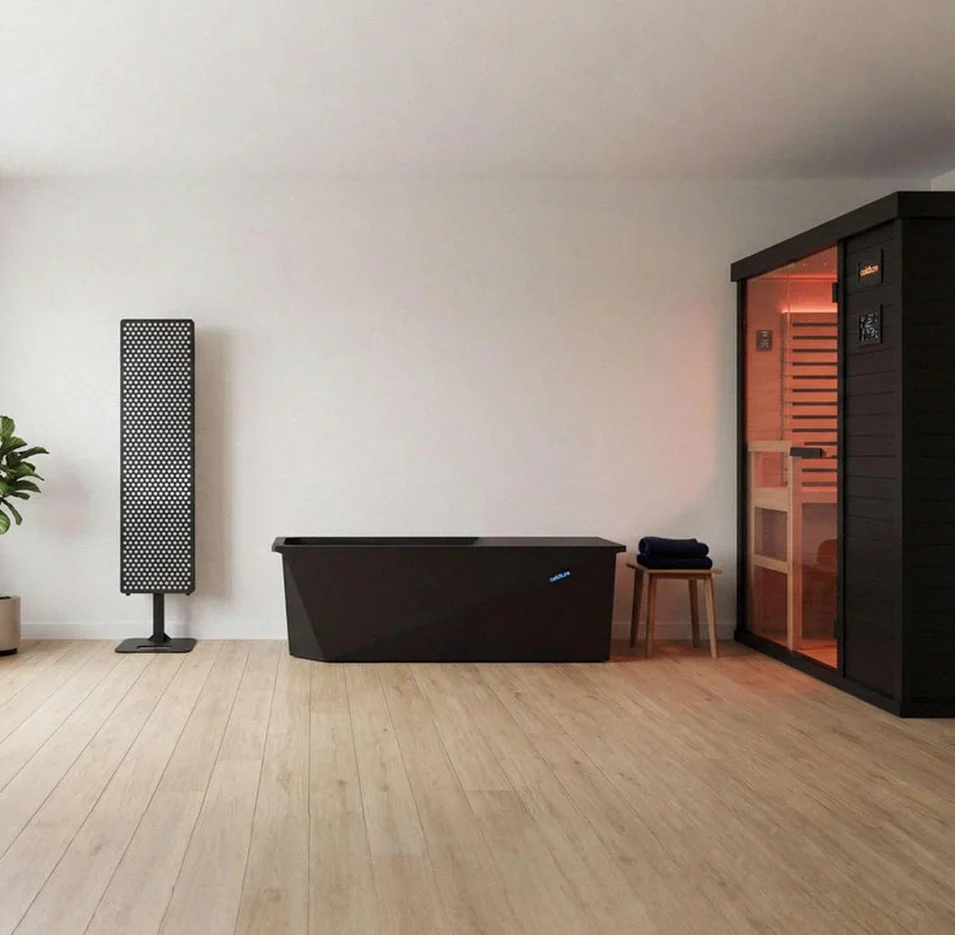
The concept of luxury wellness has outgrown the hot stone massage and the cucumber water. What used to pass as premium self-care has shifted dramatically toward something more measurable, more personal, and more demanding. Today’s luxury wellness experience involves biomarker diagnostics, multidisciplinary health teams, and integrated recovery protocols designed around your specific biology. It is not about indulgence. It is about outcomes. This article unpacks exactly what modern luxury wellness means, what separates genuine high-end programs from expensive marketing, and why the investment may be one of the most consequential you make for your long-term health.
Key takeaways
| Point | Details |
|---|---|
| Luxury wellness is outcomes-driven | True luxury wellness focuses on measurable health improvements, not just relaxation or aesthetics. |
| Coherence defines quality | Top programs integrate movement, recovery, sleep, nutrition, and mental clarity into one coordinated system. |
| Biomarkers separate real from hype | Programs that skip baseline diagnostics offer wellness entertainment, not clinical optimization. |
| Investment ranges vary widely | Entry-level retreats start around €5,000 per stay, while concierge memberships can exceed $80,000 annually. |
| At-home tools extend the experience | Cold plunge tubs, saunas, and red light therapy bring core luxury wellness principles into daily life. |
The concept of luxury wellness, defined
Most people picture plush robes and poolside champagne when they hear “luxury wellness.” That picture is incomplete. The concept of luxury wellness today is built on a much more specific foundation: the deliberate, expert-guided integration of every pillar of health into one coherent lifestyle system.
The word that keeps coming up in serious wellness circles is coherence. Modern luxury wellness is defined by the integration of movement, recovery, nutrition, sleep, and mental clarity as one ecosystem rather than isolated services you pick from a menu. That distinction matters. A spa that offers yoga at 8 a.m. and a massage at 2 p.m. is not delivering coherence. A program that uses your resting heart rate variability, sleep architecture data, and inflammatory markers to sequence those same activities with precision is doing something fundamentally different.
The role of luxury wellness has also shifted in who delivers it. Traditional wellness settings rely heavily on estheticians, massage therapists, and fitness instructors. True luxury wellness programs pull in physicians, functional medicine specialists, sleep scientists, and registered dietitians who coordinate around a single client. Concierge wellness models limit physician panels to 300 to 600 patients, enabling 60 to 90 minute assessments and around-the-clock access. That staffing ratio is not a luxury detail. It is the mechanism that makes real personalization possible.
There is also a philosophical shift worth naming. Luxury wellness treats health as an operating system for your life rather than a category of services you consume occasionally. The goal is not relaxation. The goal is function. How clearly you think, how consistently you perform, how well you recover, and how long you stay that way.
Pro Tip: Ask any luxury wellness provider how they define outcomes. If the answer is vague (“feeling refreshed,” “restored balance”), keep searching. Credible programs will describe specific biomarkers, cognitive benchmarks, or recovery metrics they track and report back to you.
What wellness luxury retreats actually offer
The gap between a five-star spa resort and a genuine luxury wellness retreat is wider than most people expect. Both can cost thousands of dollars per night. Only one is doing clinical work.
What separates true wellness luxury retreats from premium spa hotels comes down to a few non-negotiable features:
- Baseline biomarker diagnostics. Blood panels, genetic screening, gut microbiome analysis, and cardiovascular assessments before a single treatment begins. Without this foundation, any personalized program is guesswork.
- Multidisciplinary teams. Physicians, nutritionists, movement specialists, and psychologists who actually talk to each other about your case.
- Personalized protocols. Your schedule is built from your data, not from a template. Two guests with similar goals may follow completely different programs.
- Post-stay follow-up. Structured follow-up with biomarker tracking after you leave confirms that progress is real and allows protocol adjustments.
The longevity travel market, which sits at the premium end of this category, was valued at $18 billion in Q2 2026 and is projected to reach $48.2 billion by 2033. That growth reflects a consumer shift away from relaxation toward measurable healthspan extension.
Here is a direct comparison of what each experience typically delivers:
| Feature | Wellness spa | Luxury wellness retreat |
|---|---|---|
| Entry diagnostics | None or basic | Full biomarker panel |
| Staff credentials | Therapists, instructors | Physicians, specialists |
| Program structure | Menu-based selection | Personalized protocol |
| Nutrition approach | Healthy menu options | Metabolically tailored meals |
| Mental wellness | Optional classes | Integrated psychological support |
| Post-stay care | None | Follow-up tracking plan |
| Pricing range | $500 to $3,000/stay | €5,000 to $80,000+/stay |
One important caveat: price does not automatically mean quality. Some expensive retreats use vague wellness terms without clinical evidence behind them. Before you book, ask for the medical team’s credentials, request the scientific basis for key treatments, and find out what data you will receive at the end of your stay.
Why invest in luxury wellness
The case for investing in luxury wellness is less about self-care and more about long-term performance. Affluent travelers and wellness consumers increasingly prioritize measurable health outcomes, cognitive performance, and resilience over aesthetics. That shift reflects something the research keeps confirming: the returns on strategic health investment compound over time.
What measurable benefits do serious luxury wellness experiences deliver?
- Improved biomarkers including reduced inflammatory markers, better metabolic panels, and optimized hormonal profiles
- Cognitive clarity from structured sleep, stress reduction, and targeted nutrition
- Physical resilience through periodized recovery and movement programming
- Emotional regulation supported by psychological integration and mindfulness practice
- Long-term behavioral change anchored by data feedback and post-program accountability
The mental and emotional dimensions of luxury wellness are often underestimated. Transformation and meaning define the new luxury wellness experience sought by high-net-worth individuals and families, not mere escape from daily stress. Programs that address identity, purpose, and psychological patterns tend to produce more durable results than those focused solely on physical metrics.
From a market perspective, this is not a niche trend. Luxury brands are shifting from transactional spa visits to ongoing, high-value relationships. The model looks less like a hotel amenity and more like a primary care relationship with an elite performance team behind it.
Pro Tip: When evaluating any high-end wellness program, ask for outcome data from past clients. Not testimonials. Actual tracked metrics before and after. Programs with nothing to show you are selling an experience, not a result.
Effective luxury wellness investment also extends well beyond retreats. Building recovery routines into your daily life between programs is what locks in the gains made during intensive stays.
How luxury wellness is evolving
The next phase of luxury wellness is already visible in the most advanced programs, and it looks less like a spa and more like a personalized health operating system.
The clearest shift is from isolated treatments to integrated ecosystems. Luxury wellness no longer functions as an occasional amenity. It operates as an integrated lifestyle system requiring expert execution and operational cohesion. Every element, from the lighting in your room to the sequencing of your meals and recovery sessions, is part of a deliberate design.
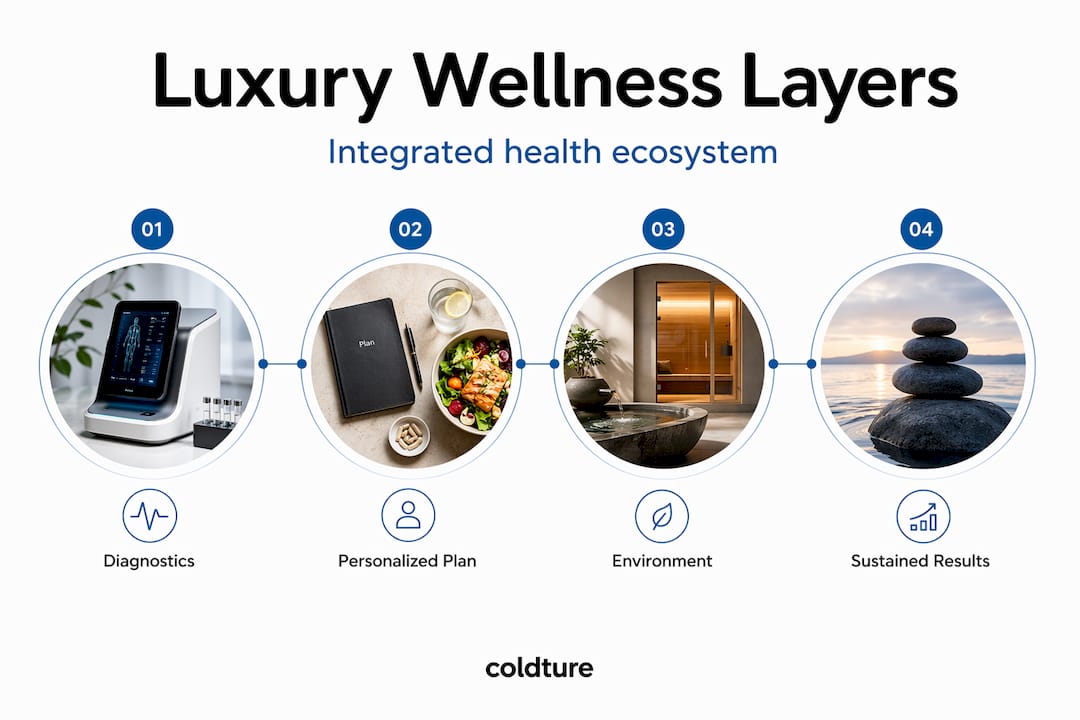
Technology is accelerating this change. Data from wearables, laboratory testing, and genetic analysis are being unified into what some practitioners call a “Northstar” health view. This integrated data approach allows providers to support your daily decision-making with real-time feedback rather than waiting for your next annual physical. Think of it as a continuous feedback loop, one where your recovery protocol adapts to last night’s sleep quality and your nutrition plan responds to this week’s inflammation markers.
Here is how the modern luxury wellness ecosystem components break down:
| Ecosystem layer | Examples | Function |
|---|---|---|
| Diagnostics | Blood panels, genetic testing, HRV tracking | Baseline and ongoing measurement |
| Recovery | Cold therapy, sauna, red light therapy, sleep protocols | Physical restoration and adaptation |
| Nutrition | Metabolically tailored meals, IV therapy, gut health | Cellular fueling and inflammation control |
| Movement | Functional training, mobility, breathwork | Physical capacity and resilience |
| Mental health | Therapy, mindfulness, neurofeedback | Cognitive and emotional performance |
| Technology | AI analysis, wearables, integrated dashboards | Data unification and protocol personalization |
The design of the physical environment also matters more than it used to. Programs that account for circadian light exposure, acoustic design, air quality, and outdoor access are working with your nervous system rather than against it. This is what holistic luxury lifestyle design looks like in practice.
Generational shifts are shaping demand as well. Younger affluent consumers are entering luxury wellness earlier in life, seeking performance and longevity optimization rather than reactive health management. Multi-generational wellness travel is growing, with families booking programs that serve everyone from teenagers managing stress to parents focused on cognitive longevity.
My take on luxury wellness as a lifestyle system
I have watched wellness go from a word associated with green smoothies and gym memberships to a category attracting serious clinical investment, and I think most people still underestimate the shift that has happened.
In my experience working at the intersection of recovery, performance, and wellness product design, the biggest mistake people make is treating luxury wellness as an event. They book the retreat, feel incredible for two weeks, then return home to the exact habits and environment that created the problem in the first place. The retreat becomes a reset that decays. Nothing changes long-term.
What I have seen actually work is when people treat wellness as infrastructure. You build the inputs into your daily environment so that the standards you experienced at the retreat become your baseline at home. Cold exposure, heat therapy, structured recovery, sleep optimization. These are not extras. They are the operating conditions under which everything else in your life performs better.
I am also skeptical of any luxury wellness program that cannot show you its data. The gap between what sounds premium and what actually moves your biomarkers is significant. Sophisticated consumers are right to demand transparency about which treatments are backed by science, which are experimental, and what realistic outcomes look like. If a provider cannot answer those questions directly, the premium price is mostly atmosphere.
The concept of luxury wellness, done right, is one of the highest-return investments you can make. But the return comes from consistency, not from the single retreat.
— Daniel
Bring luxury wellness principles home with Coldture
You do not need to fly to Switzerland to build a serious wellness practice. The core tools of high-end recovery, cold therapy, heat therapy, and light therapy, are exactly what Coldture was built around.
Coldture’s Xtreme Outdoor Cold Plunge brings clinical-grade cold exposure to your backyard, the same modality found in the world’s best recovery programs. Pair it with an outdoor sauna for contrast therapy that rivals what premium wellness retreats charge thousands per session for. Add red light therapy for cellular recovery and sleep optimization. Together, these tools form a home wellness ecosystem built on the same principles that define genuine luxury wellness. No booking required. No waiting list. Just consistent, daily practice with tools designed to last.
FAQ
What is the concept of luxury wellness?
The concept of luxury wellness refers to a personalized, outcomes-focused approach to health that integrates physical recovery, nutrition, mental clarity, and sleep into one coherent system. It goes well beyond spa treatments to include clinical diagnostics, expert multidisciplinary teams, and measurable health results.
How do luxury wellness retreats differ from regular spas?
Luxury wellness retreats provide baseline biomarker diagnostics, personalized health protocols, and structured post-stay follow-up, while traditional spas offer menu-based services without clinical oversight or outcome tracking.
Why invest in luxury wellness instead of standard health care?
Luxury wellness focuses on proactive healthspan optimization, addressing cognitive performance, resilience, and long-term vitality. It fills the gap between reactive medical care and the comprehensive, integrated health management that standard care rarely provides.
What should I look for in a high-end wellness program?
Look for medical team credentials, baseline diagnostics, personalized protocols built from your data, and a clear plan for tracking outcomes after the program ends. Vague wellness language without clinical evidence is a red flag.
Can I practice luxury wellness at home?
Yes. Core luxury wellness modalities like cold therapy, sauna contrast therapy, and red light therapy can be built into your home environment. Coldture offers premium tools across all three categories designed specifically for daily home practice.
Share:
The Role of Heat Exposure in Wellness Explained
The Cedar Inside Your Outdoor Sauna Is the Reason It Lasts (or the Reason It Won't)