

learn
explore wellness, recovery, and the habits that help you feel better for longer.
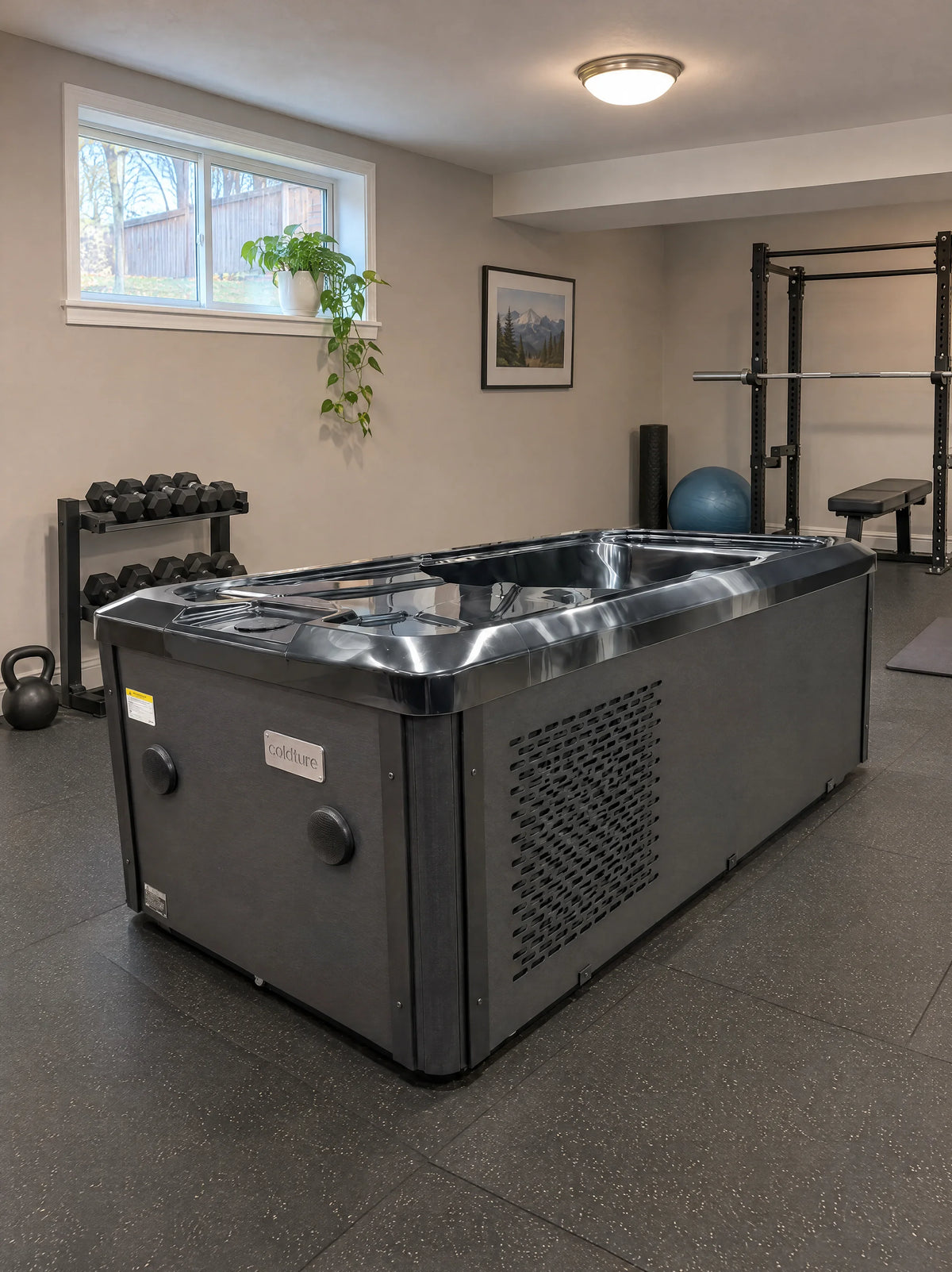
Premium Cold Plunge Guide: Benefits, Materials and Daily Routines
What a daily cold plunge routine actually does according to the research, how acrylic and stainless steel compare, and the six things to look for when choosing a premium cold plunge for your home gym.
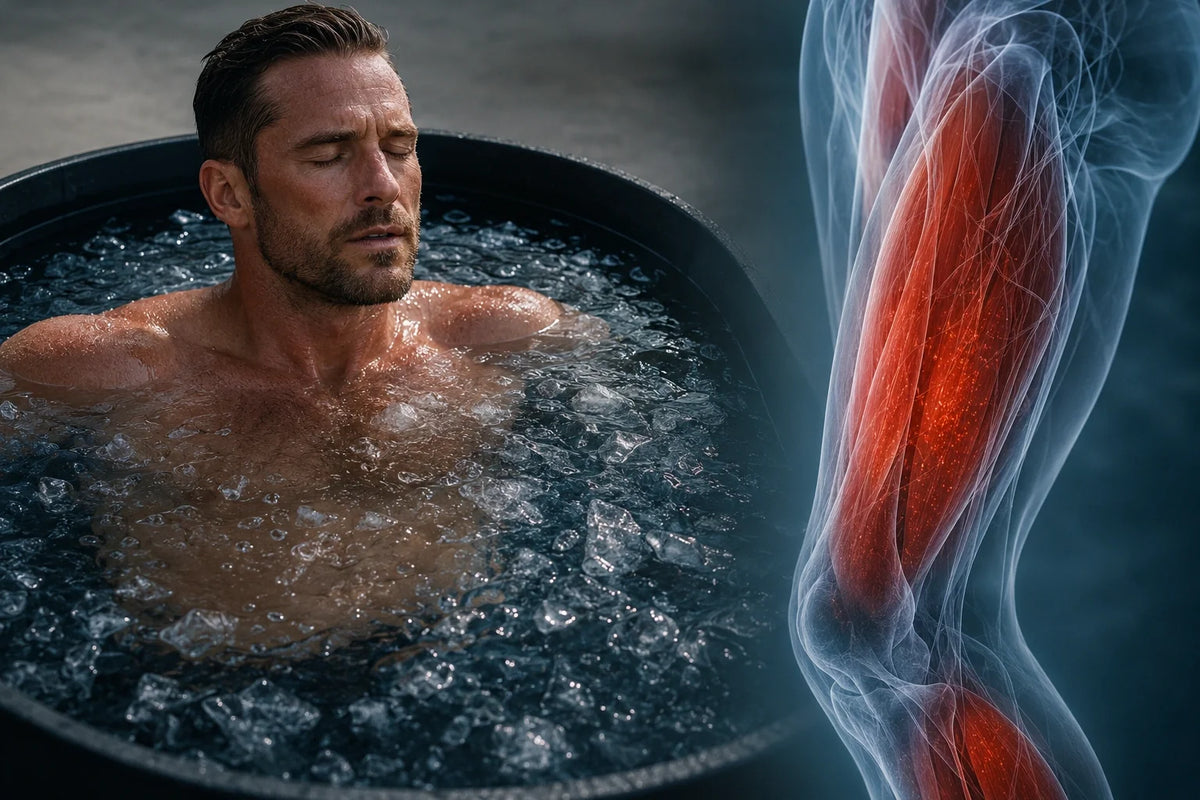
30 Studies Tested Cold Plunging After Exercise. The Timing Changes Everything.
A 2026 meta-analysis of 30 trials found cold plunging reduces soreness but does not speed strength recovery. The timing of your plunge matters more than whether you plunge at all.

Cold Plunge Materials Compared: Acrylic, Stainless Steel, Rotomolded and Drop Stitch
Acrylic, stainless steel, rotomolded or drop stitch? Compare cold plunge materials on insulation, durability, outdoor performance and cost, and find the right fit for your space.

Cold Plunge Buying Guide: 7 Questions to Answer Before You Choose
Indoor or outdoor, 3°C or 5°C, all-in-one or modular. Seven questions that narrow a cold plunge down to the right system for your space, with a quick-match table at the end.
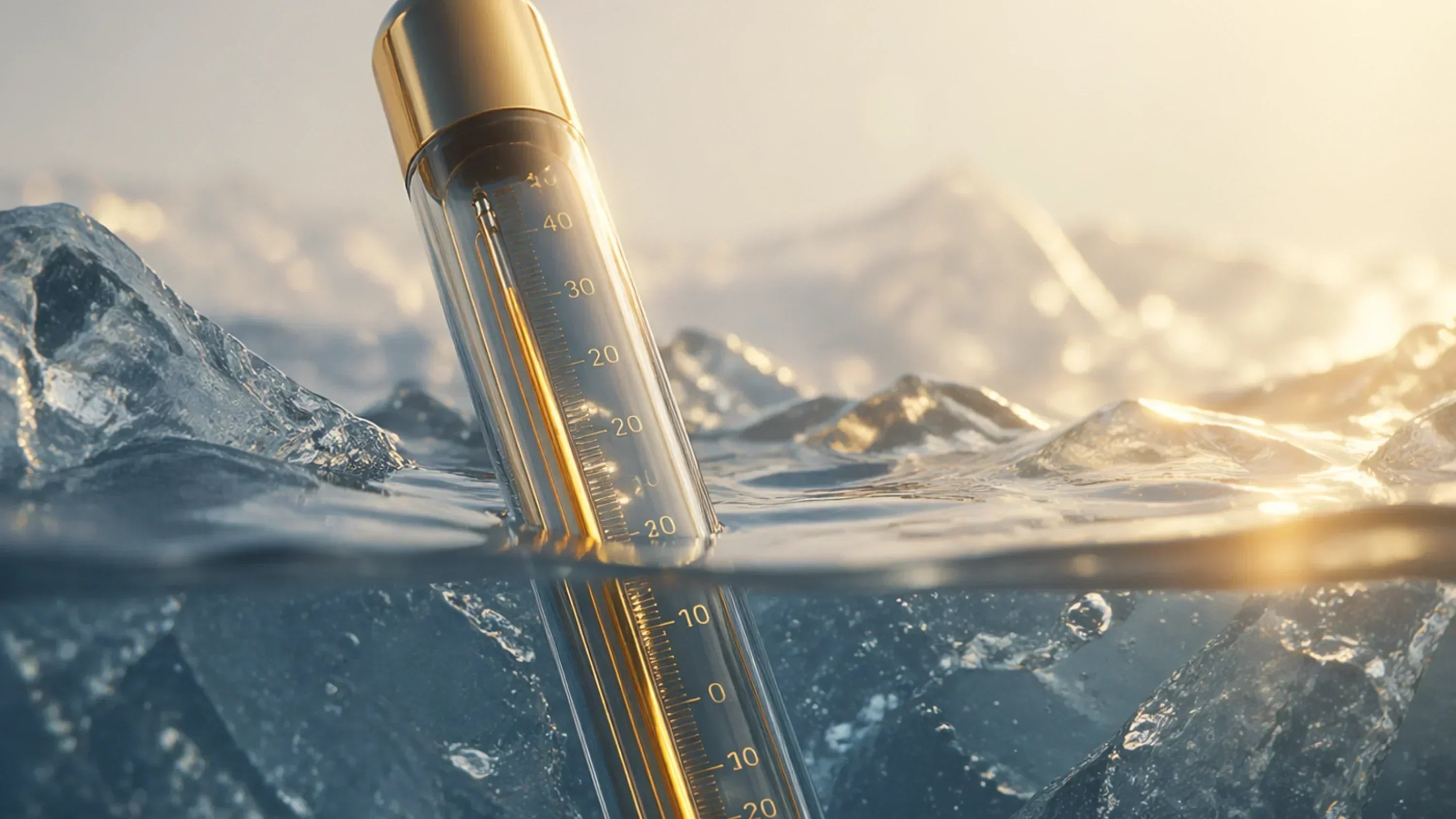
14°C water produced a 530% norepinephrine spike. that's warmer than most people think they need.
most people assume colder is better. the research says otherwise. the foundational cold plunge study used 14°C water, not 2°C. here's what the evidence actually says about the temperature range that works, why going colder adds risk without adding results, and why consistency and total dose matter more than any single number.
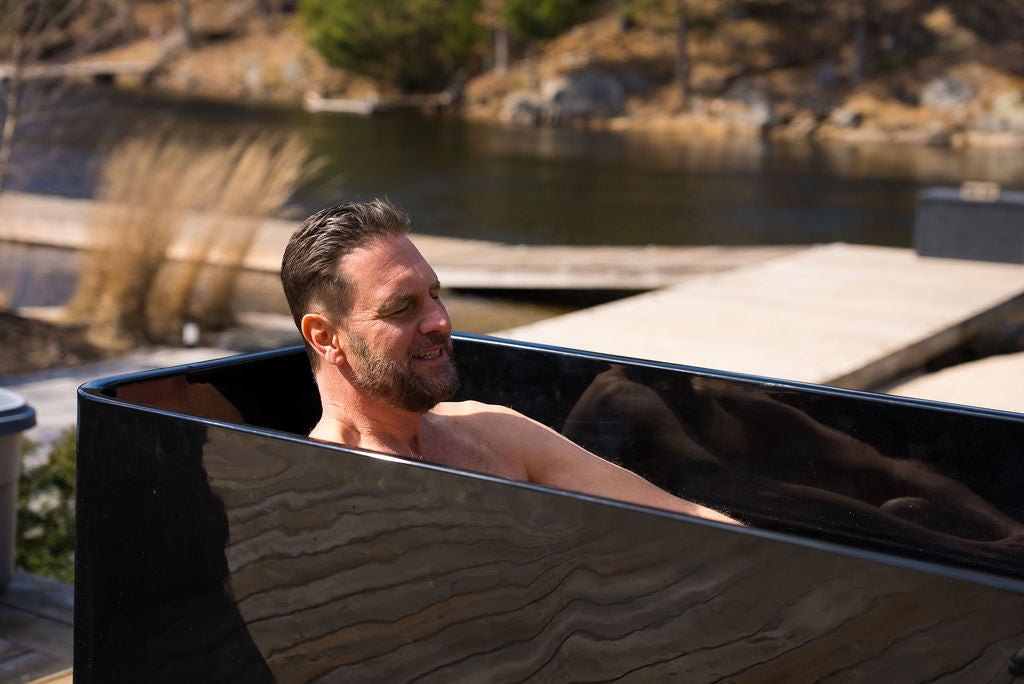
Cold Plunge FAQ: The 5 Questions Everyone Asks, Answered With Research
What is a cold plunge, what are the real benefits, how long and how cold should it be, is it safe, and how does it compare to an ice bath or cryotherapy? Here are clear, research-backed answers to the five most asked cold plunge questions, including an honest look at where the evidence is strong and where it's still mixed.
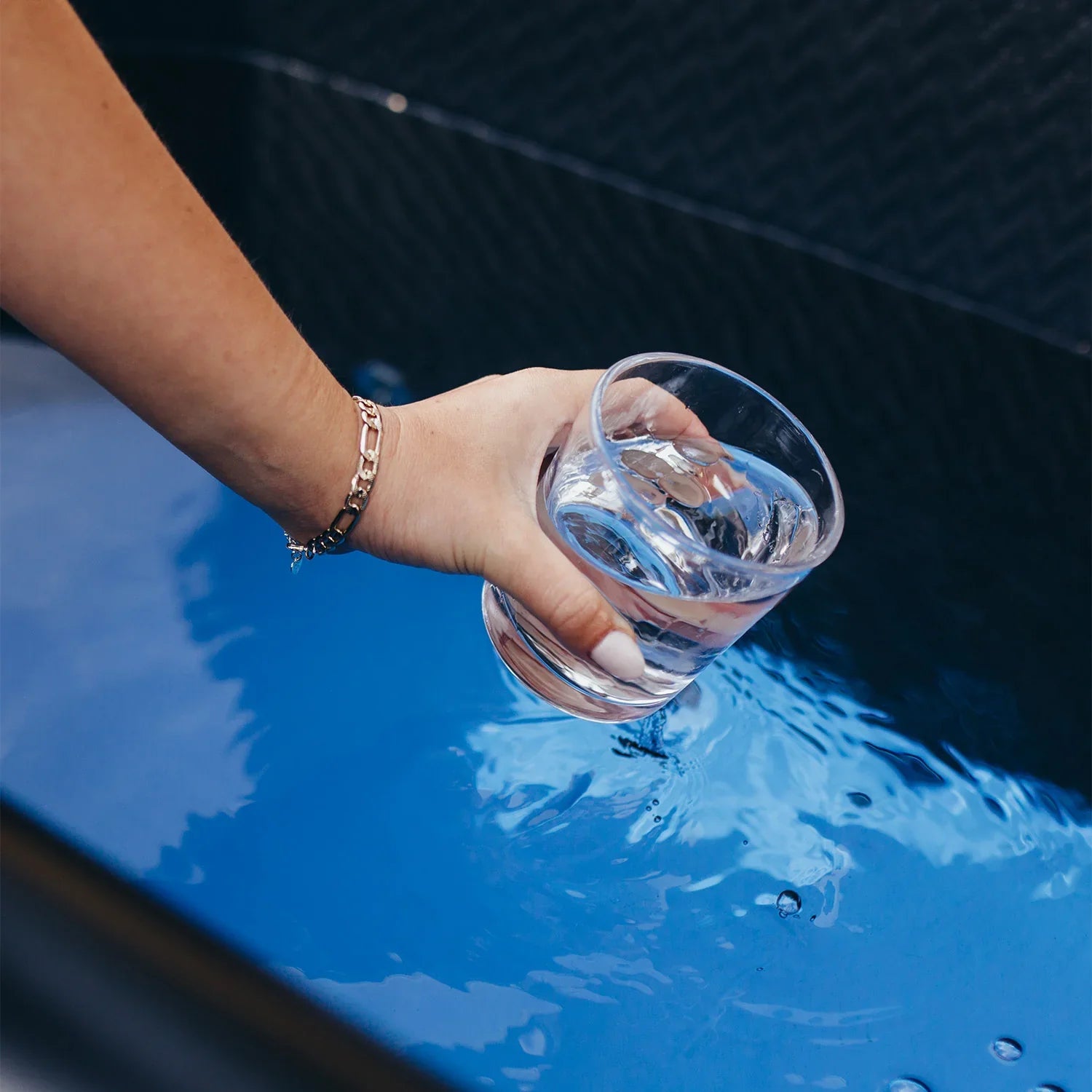
How to Clean a Cold Plunge Tub: A Practical Maintenance Guide
A cold plunge is only as good as the water in it. Here's a practical guide to keeping a cold plunge clean: the core principles of water hygiene, filtration, sanitization and balance, the drain-and-refill problem, and why the right setup makes maintenance manageable enough to actually keep up.
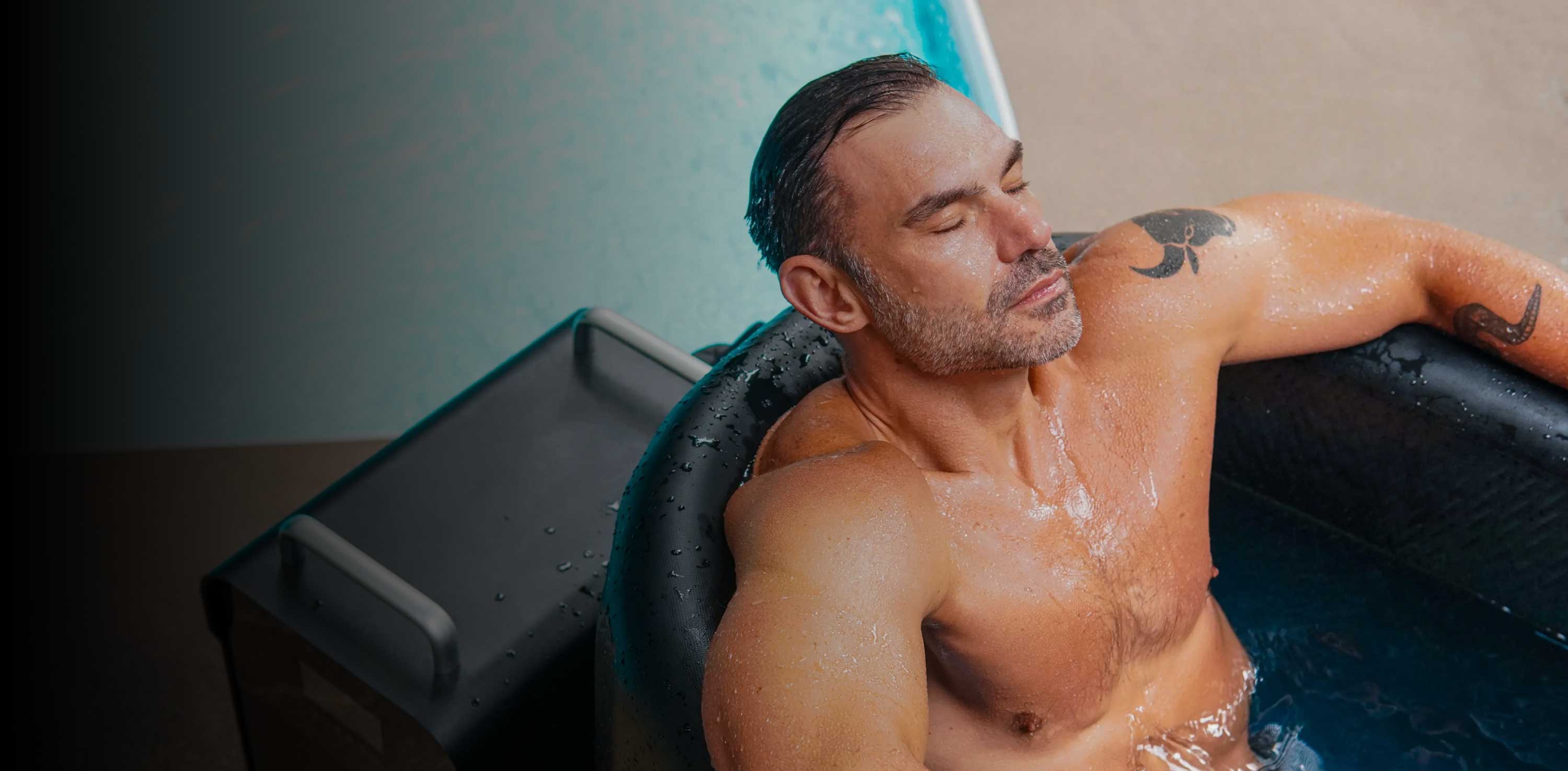
Cold Exposure and Brown Fat: The Metabolism Science Explained
Cold exposure activates brown fat, a metabolically active tissue that burns energy to produce heat. Regular cold may even build more of it over time. Here's the science on cold plunges and brown fat, what it means for metabolism, and what it doesn't.
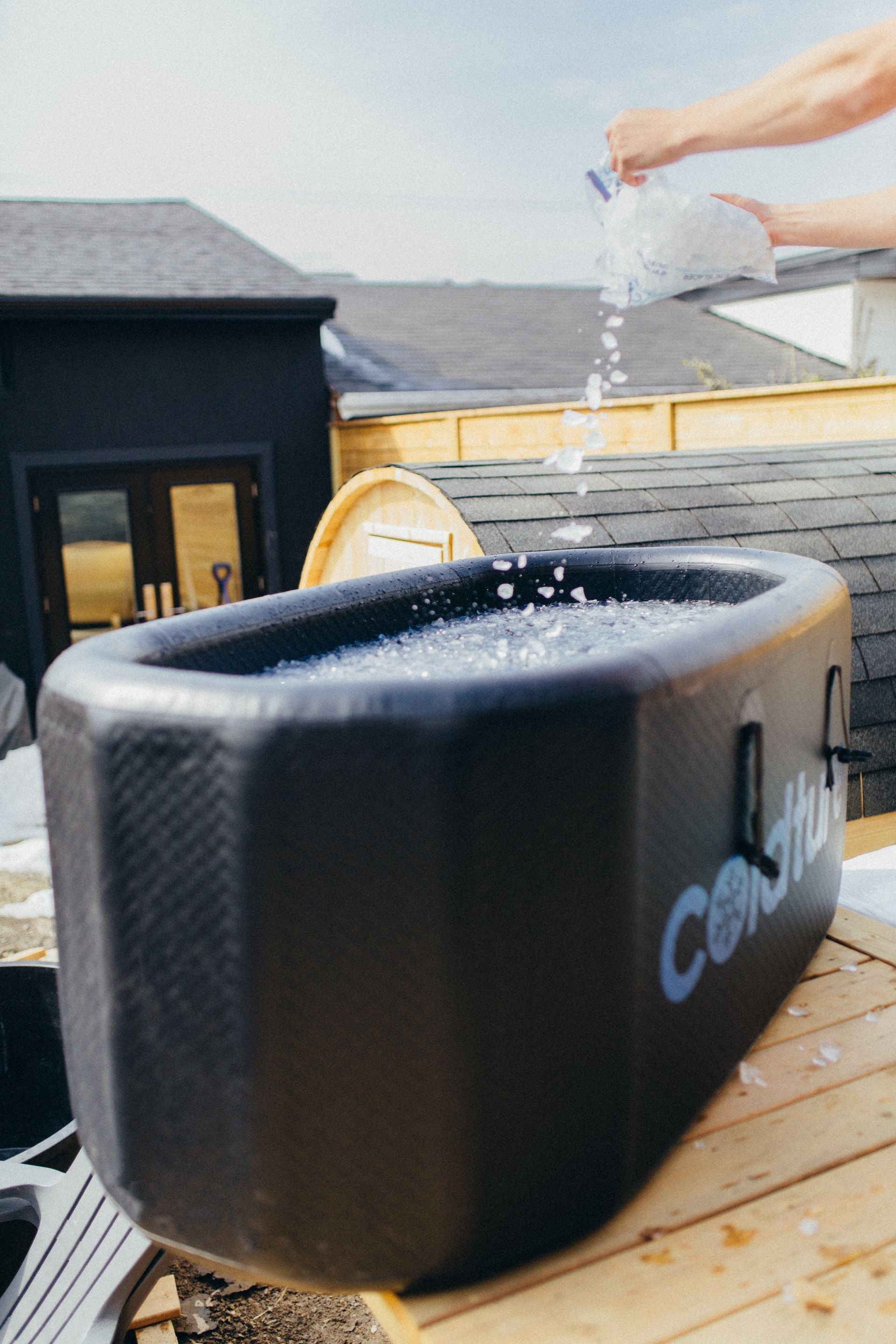
How Much Ice Do You Need for an Ice Bath?
How much ice do you need for an ice bath? It depends on your water temperature and target, but expect roughly 10 to 20 kg. Here's a practical method to estimate it, plus an honest look at why most committed cold plungers eventually ditch ice for a chiller.

What Is the Best Time to Cold Plunge? Morning, Post-Workout, or Night
There's no single best time to cold plunge, but timing changes what you get from it. Morning for alertness, post-workout for recovery, evening with care. Here's how to match your cold plunge timing to your goal, and why consistency beats the clock.

Cold Plunges for Runners: What the Science Says About Recovery and Performance
Runners were early adopters of cold water immersion, and the endurance recovery research backs them up. But there's a timing nuance that matters for runners specifically. Here's what the science says about cold plunges, recovery, and when to use them.
Cold Plunging During Pregnancy: What the Evidence Says
Can you cold plunge while pregnant? The honest answer is that safety data is limited, and this is a conversation for your OB or midwife first. Here's what is and isn't known about cold water immersion during pregnancy, and why caution is the right default.
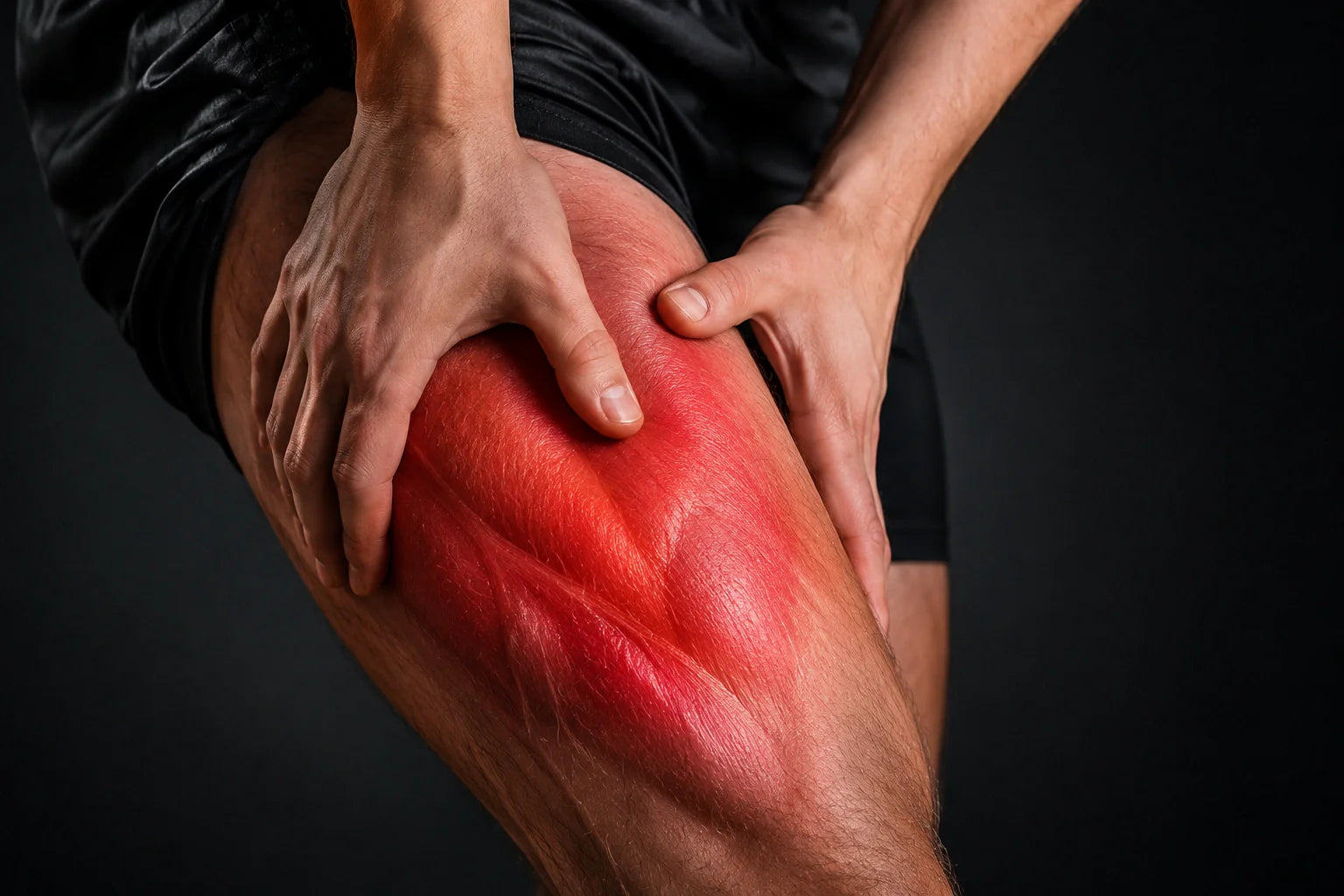
The Science of Ice Bath Temperature and Muscle Soreness
For muscle recovery, ice bath temperature matters. Research clusters around 10 to 15°C, and there's an important timing nuance most people miss about cold immersion and strength gains. Here's the science on the ideal ice bath temperature for recovery.
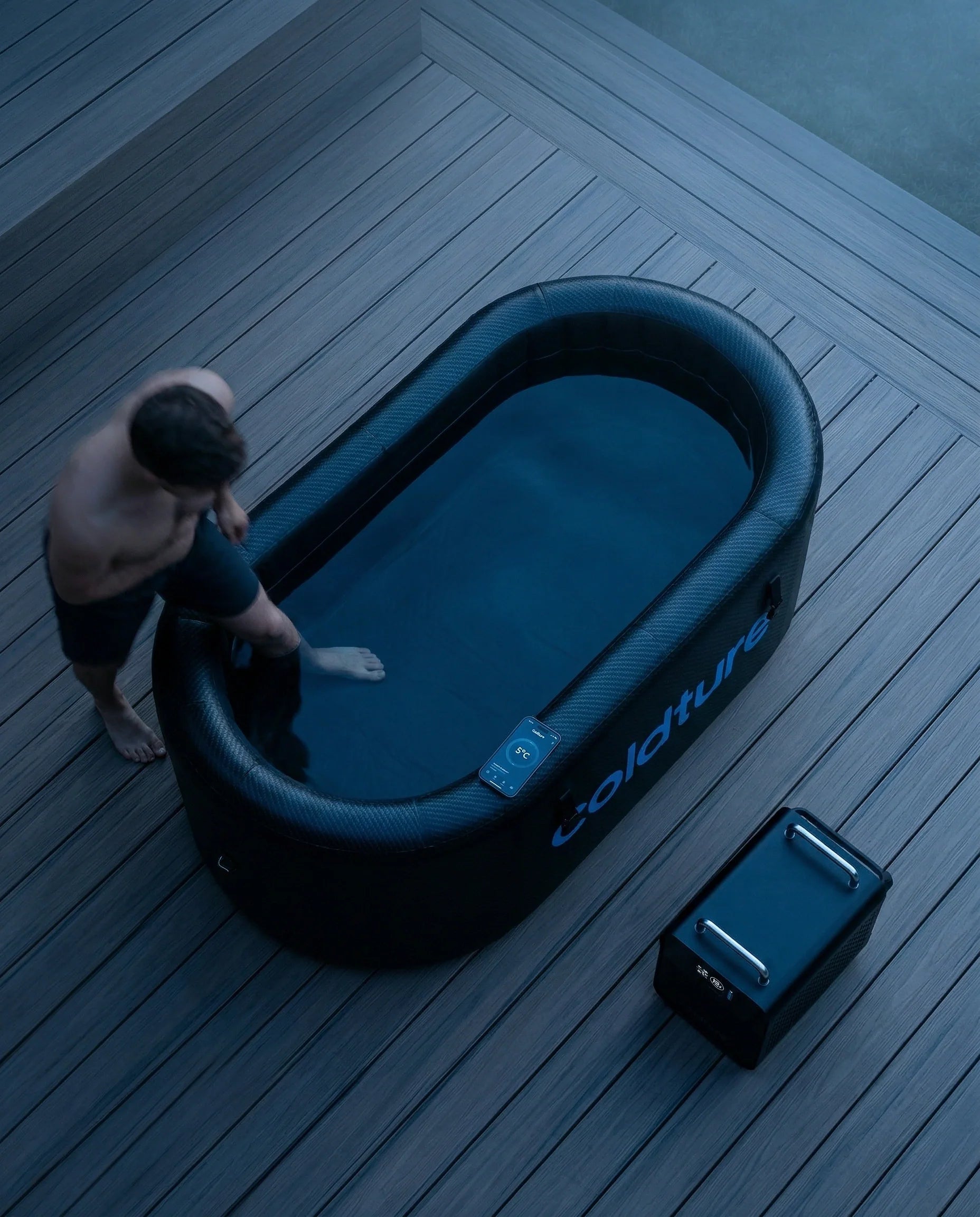
Should You Cold Plunge When You're Sick?
Should you cold plunge when you're feeling under the weather? The answer depends on your symptoms. Above-the-neck and mild may be lower risk; fever and systemic illness are a hard stop. Here's what the research and basic physiology say about plunging while sick.
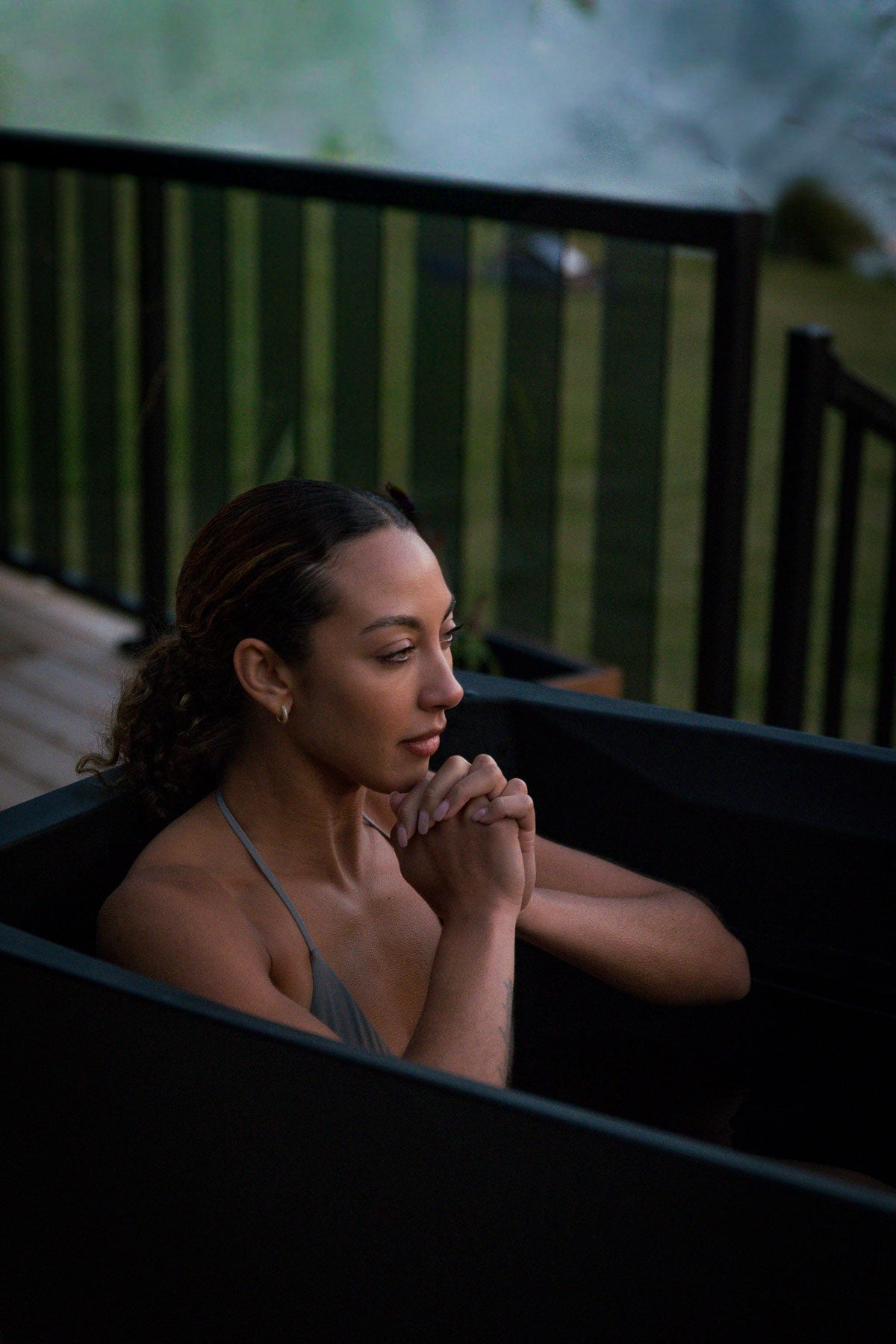
Cold Plunge Temperature, Time, and Frequency: A Complete Guide
How cold should a cold plunge be, and how long should you stay in? Research points to 10 to 15°C for a few minutes at a time, several times a week, with consistency as the real driver. This complete, science-backed guide covers cold plunge temperature, duration, frequency, timing, and safety.
Cold Plunge Mistakes to Avoid for Better Results
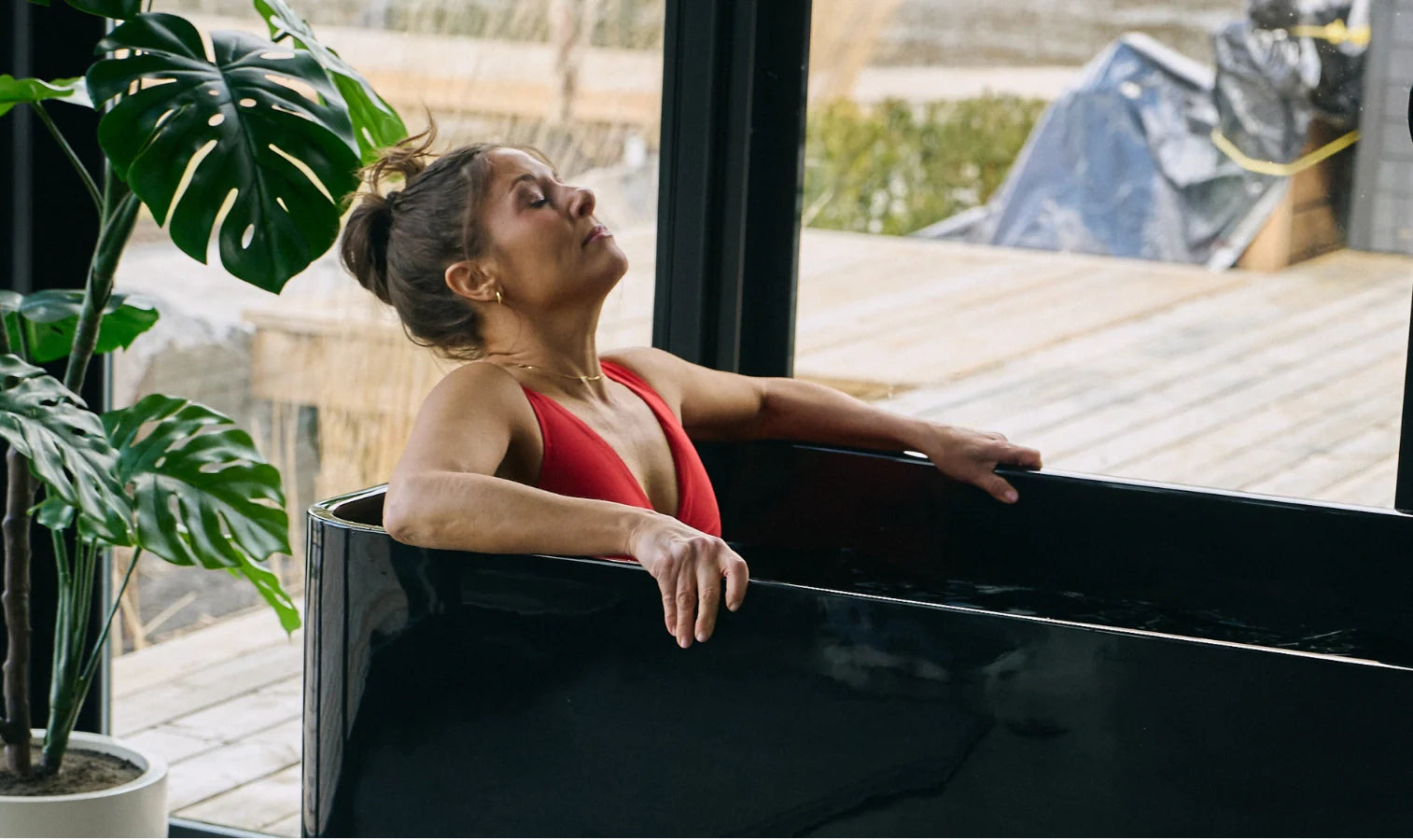
Sleep, Immunity, and Cellular Repair: What the Cold Water Research Actually Shows
A 2025 meta-analysis of 11 trials and 3,177 participants found cold water immersion improved sleep quality and lowered stress for hours after a single session. Separate research links cold exposure to immune function and cellular repair. Here is what cold water does in the hours after you get out, and why consistency is what makes it work.

What Cold Water Immersion Actually Does to Your Brain Chemistry
Researchers immersed subjects in 14°C water and measured their brain chemistry. Dopamine rose 250 percent. Norepinephrine rose 530 percent. And the effect lasted for hours after they got out. Here is what the research found about cold water and the neurotransmitters behind motivation, focus, and mood, and what it does and does not mean.
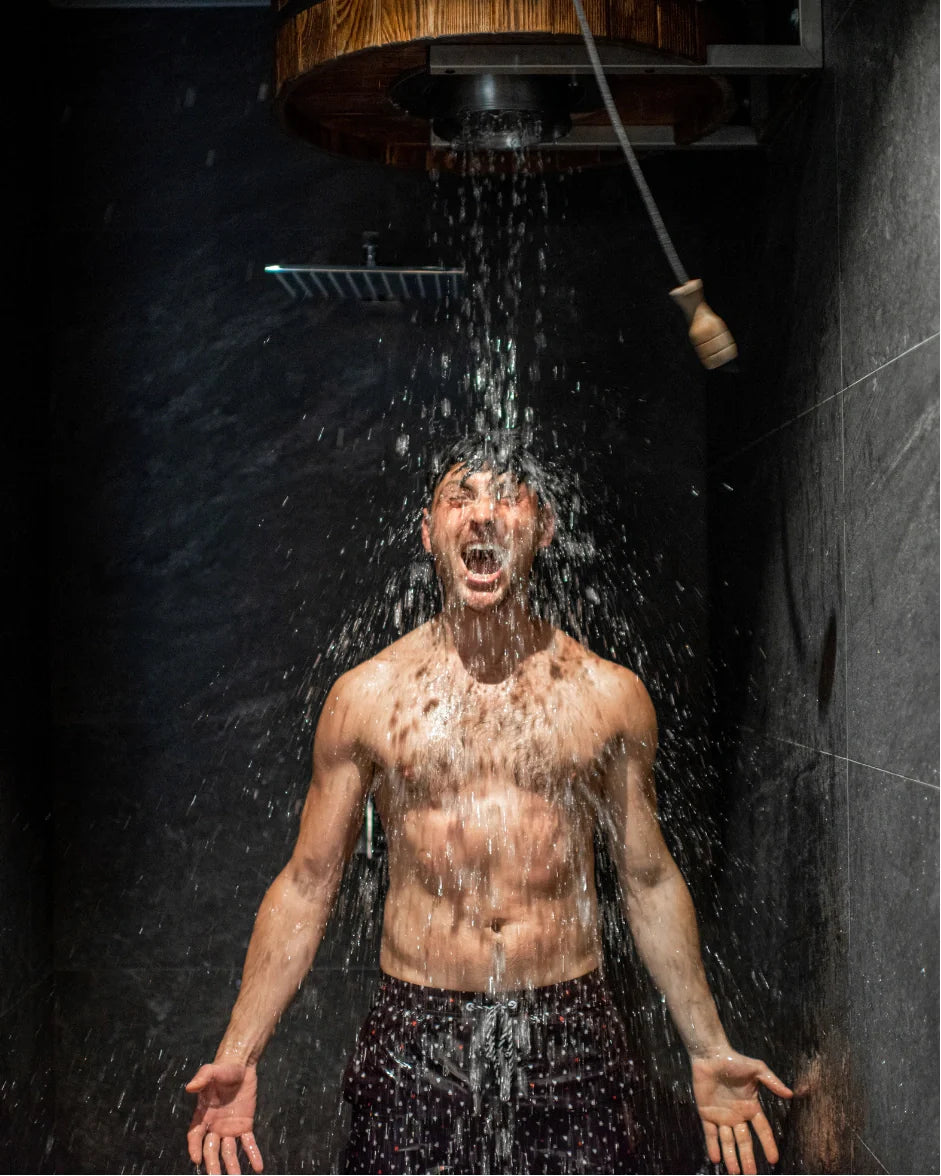
A 30-Day Cold Shower Study With 3,018 People Found Something Surprising
A randomised controlled trial of 3,018 people in the Netherlands found that ending a daily shower with just 30 seconds of cold water reduced work absences by 29 percent over 30 days. The part that surprised researchers: duration did not matter. Here is what the study found, the mechanisms behind it, and how to take the principle further.
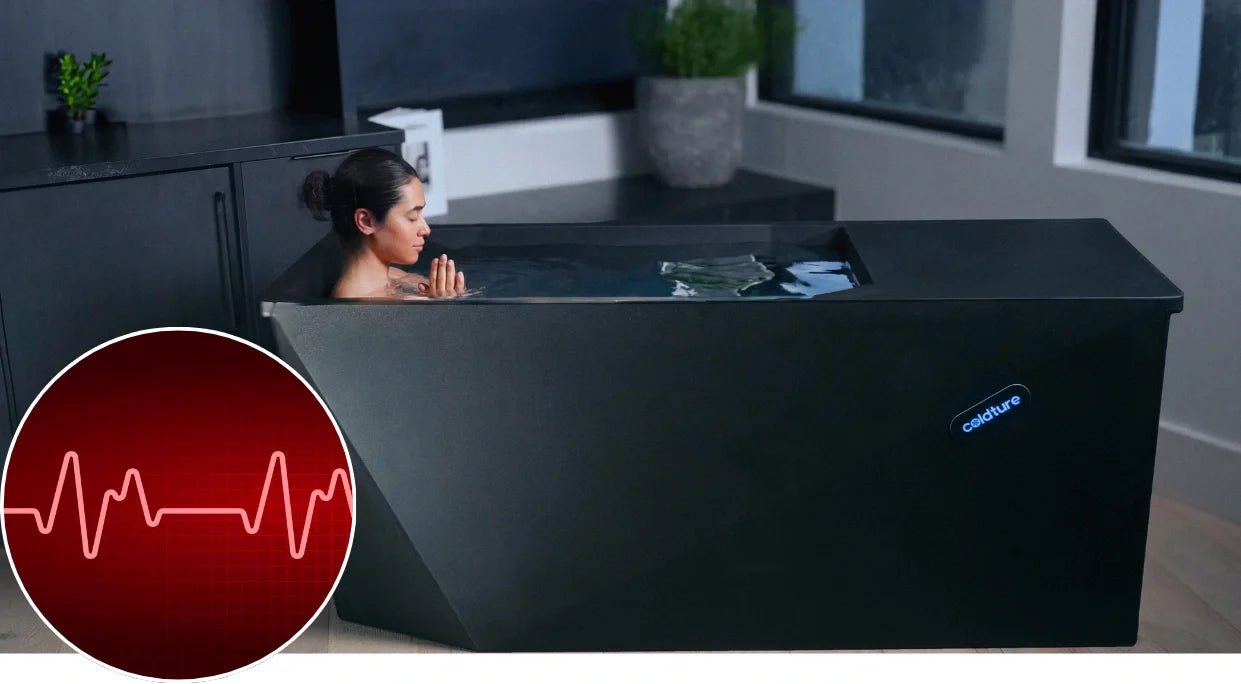
What Cold Water Actually Does to Your Heart Rate in the First 10 Seconds
Within 10 seconds of cold water hitting your chest, your heart rate does something most people would never expect. The calm you feel after a cold plunge is not mental toughness. It is your vagus nerve, the body's main brain-to-heart communication line, activating a hardwired reflex that downregulates stress. Here is the science behind what cold water does to your nervous system, and why it works.

Breathwork for Cold Exposure: Optimize Every Plunge

What Is Cold Adaptation: Science and Practice Guide
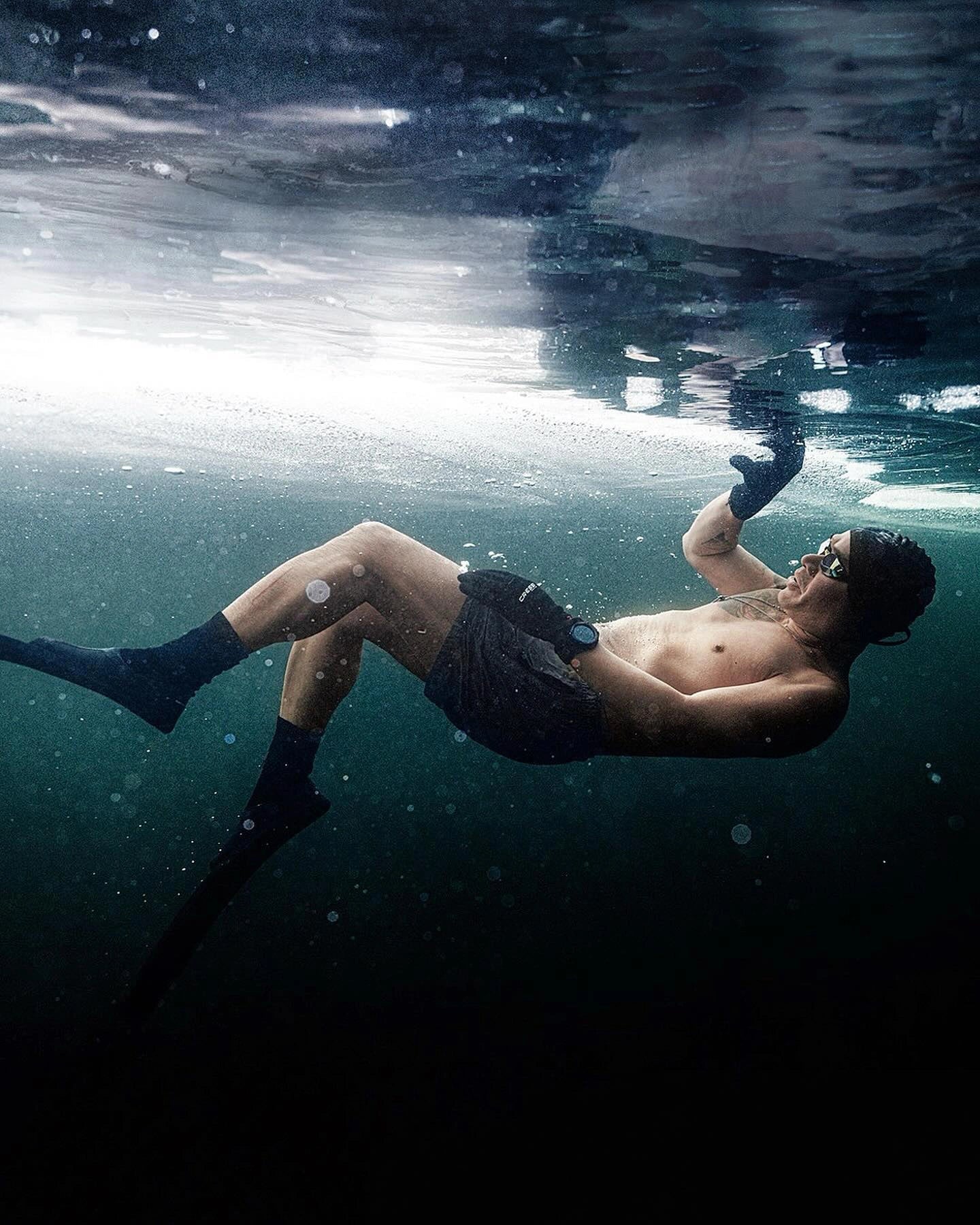
2,000 Days in Cold Water: What Happened to One Toronto Man's Body, Brain, and Life
On November 6, 2020, Ron Bat walked to a lake in Toronto and got in. He had no idea he would do it again the next day, and every single day for the next 2,000 days. This is what happened to his body and mind along the way.
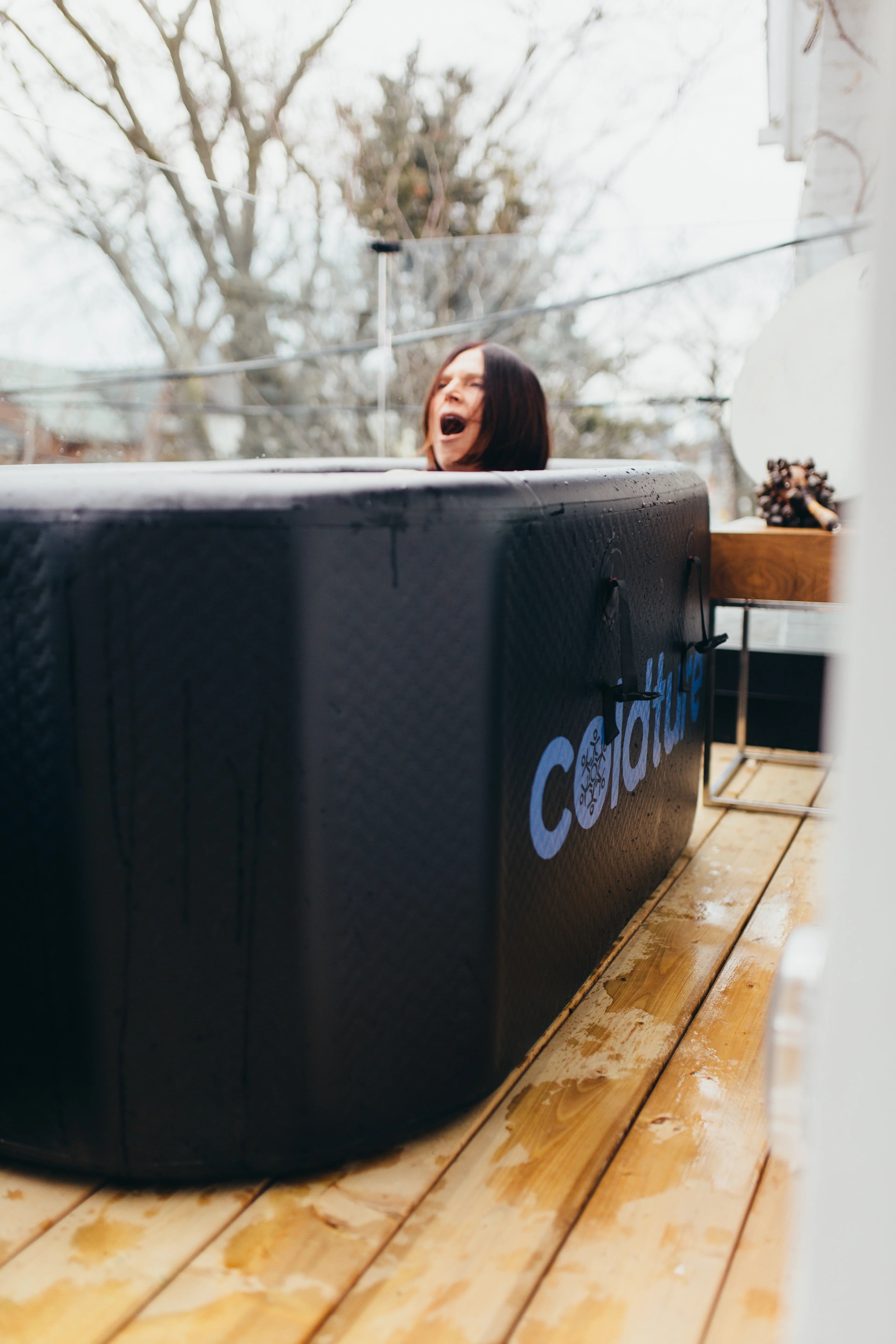
Cold exposure shapes your mindset for lasting resilience