

learn
explore wellness, recovery, and the habits that help you feel better for longer.
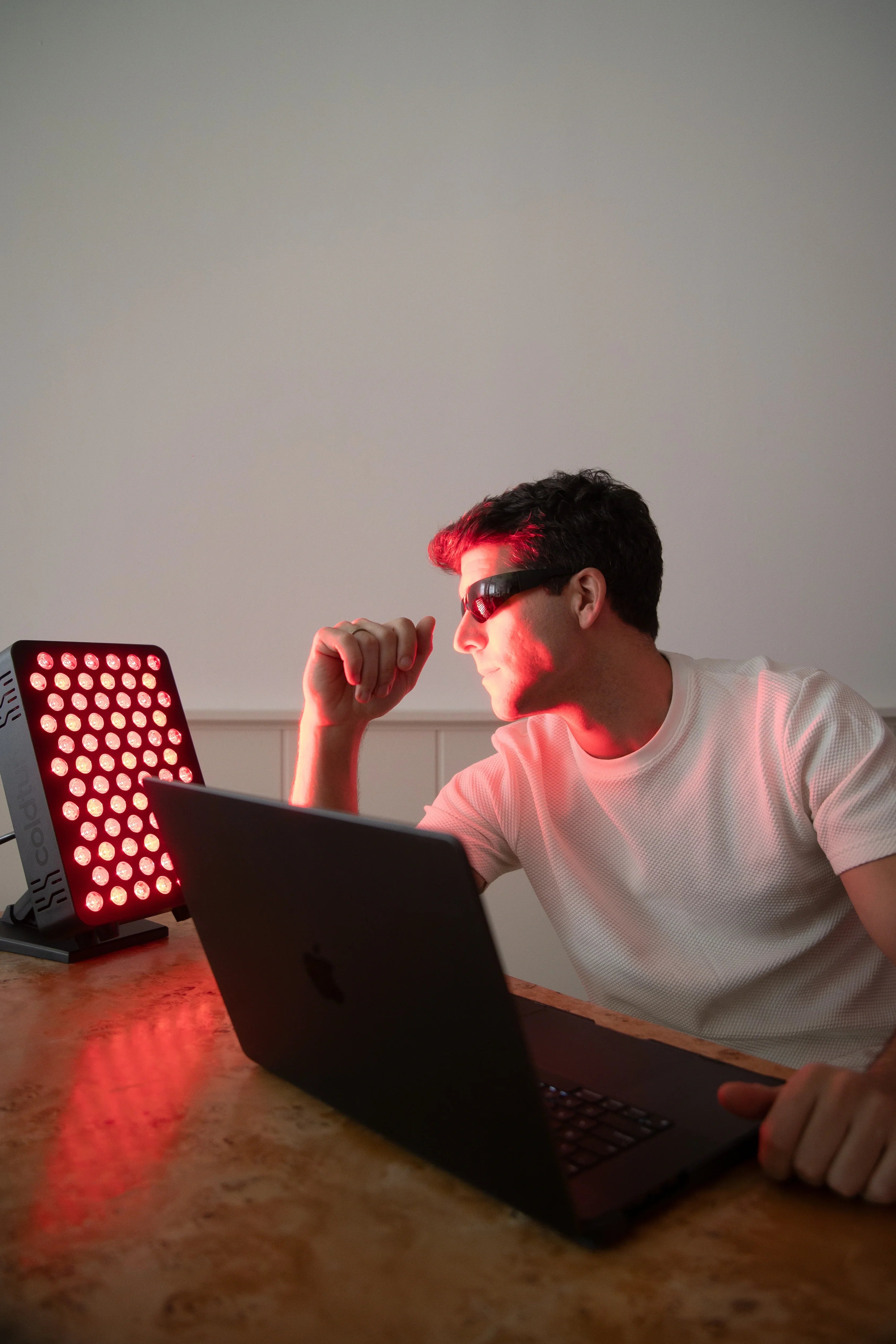
Red Light Therapy Benefits: What the Science Actually Says

Cold Plunge Mistakes to Avoid for Better Results
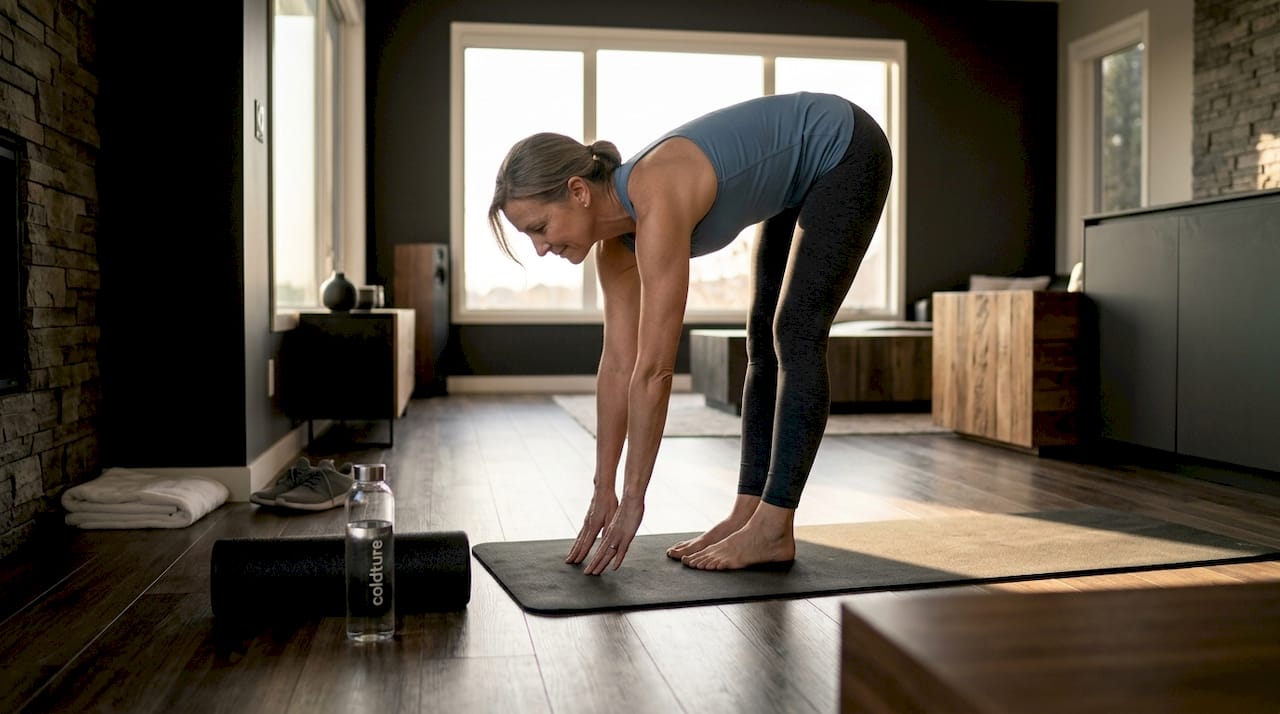
Your Step by Step Recovery Routine for Faster Healing
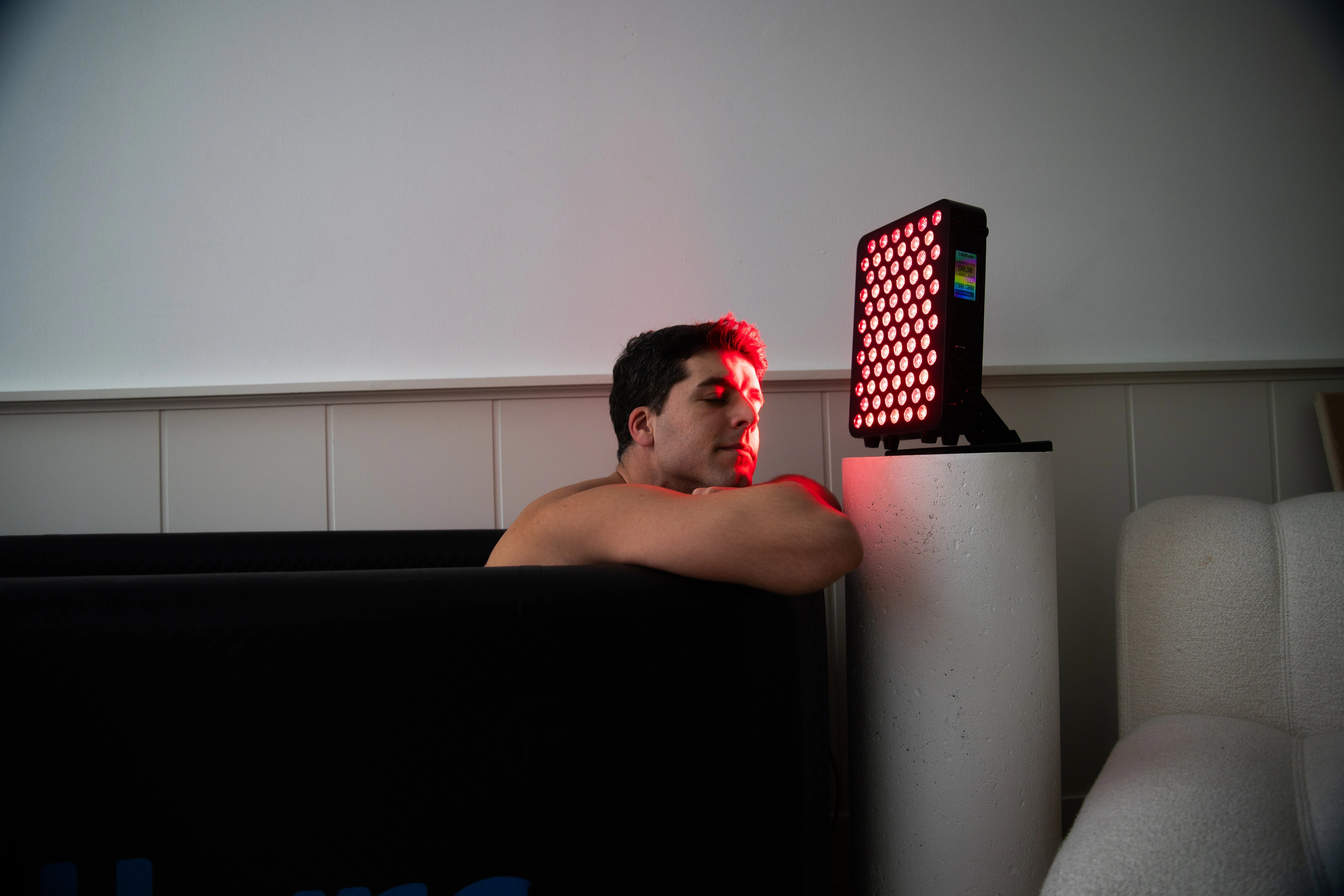
The Role of Light Therapy in Recovery: 2026 Guide
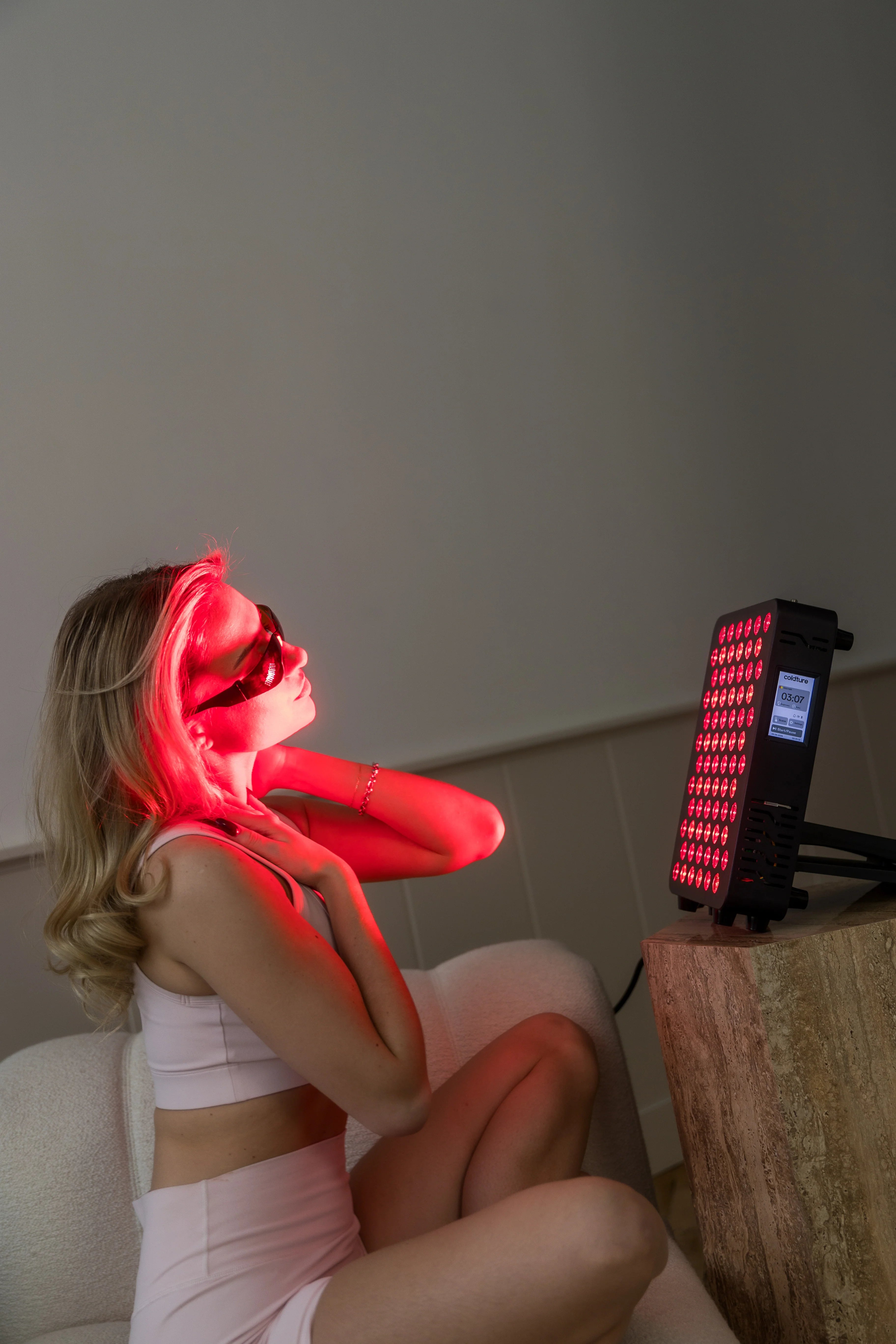
Red Light Therapy Is More Than a Beauty Tool. Here's What the Research Actually Shows.
The beauty world sold red light therapy as an anti-aging secret. But the same wavelengths that smooth skin are being studied across recovery, circulation, inflammation, and even thyroid function. Here is what the research actually shows, where the evidence is strong, where it is still early, and why a red light panel might be better understood as a longevity investment than a beauty gadget.

The Sauna and Your Metabolism: What the Research Really Shows
A sauna session pushes your heart rate into cardio range, keeps your metabolism elevated after you leave, accelerates post-workout recovery, and triggers a significant growth hormone response, all while you sit still. Here is what the research actually supports about saunas, recovery, and body composition, and what it does not.

Sleep, Immunity, and Cellular Repair: What the Cold Water Research Actually Shows
A 2025 meta-analysis of 11 trials and 3,177 participants found cold water immersion improved sleep quality and lowered stress for hours after a single session. Separate research links cold exposure to immune function and cellular repair. Here is what cold water does in the hours after you get out, and why consistency is what makes it work.

What Cold Water Immersion Actually Does to Your Brain Chemistry
Researchers immersed subjects in 14°C water and measured their brain chemistry. Dopamine rose 250 percent. Norepinephrine rose 530 percent. And the effect lasted for hours after they got out. Here is what the research found about cold water and the neurotransmitters behind motivation, focus, and mood, and what it does and does not mean.

A 30-Day Cold Shower Study With 3,018 People Found Something Surprising
A randomised controlled trial of 3,018 people in the Netherlands found that ending a daily shower with just 30 seconds of cold water reduced work absences by 29 percent over 30 days. The part that surprised researchers: duration did not matter. Here is what the study found, the mechanisms behind it, and how to take the principle further.
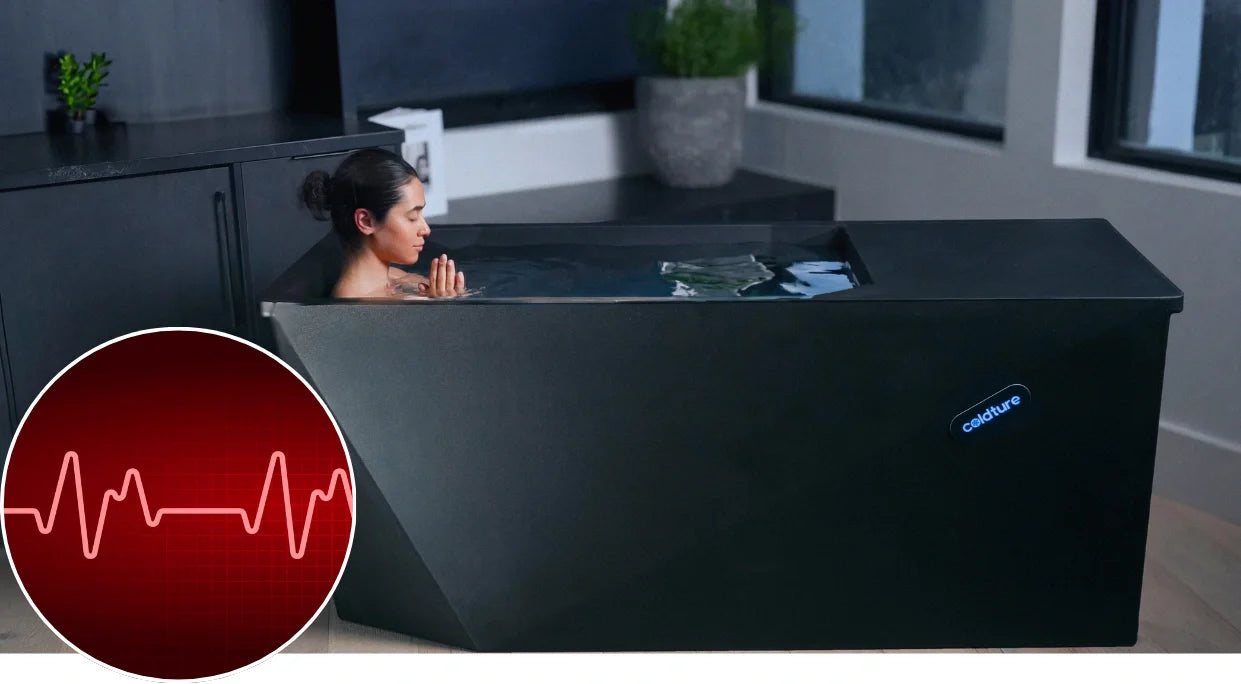
What Cold Water Actually Does to Your Heart Rate in the First 10 Seconds
Within 10 seconds of cold water hitting your chest, your heart rate does something most people would never expect. The calm you feel after a cold plunge is not mental toughness. It is your vagus nerve, the body's main brain-to-heart communication line, activating a hardwired reflex that downregulates stress. Here is the science behind what cold water does to your nervous system, and why it works.
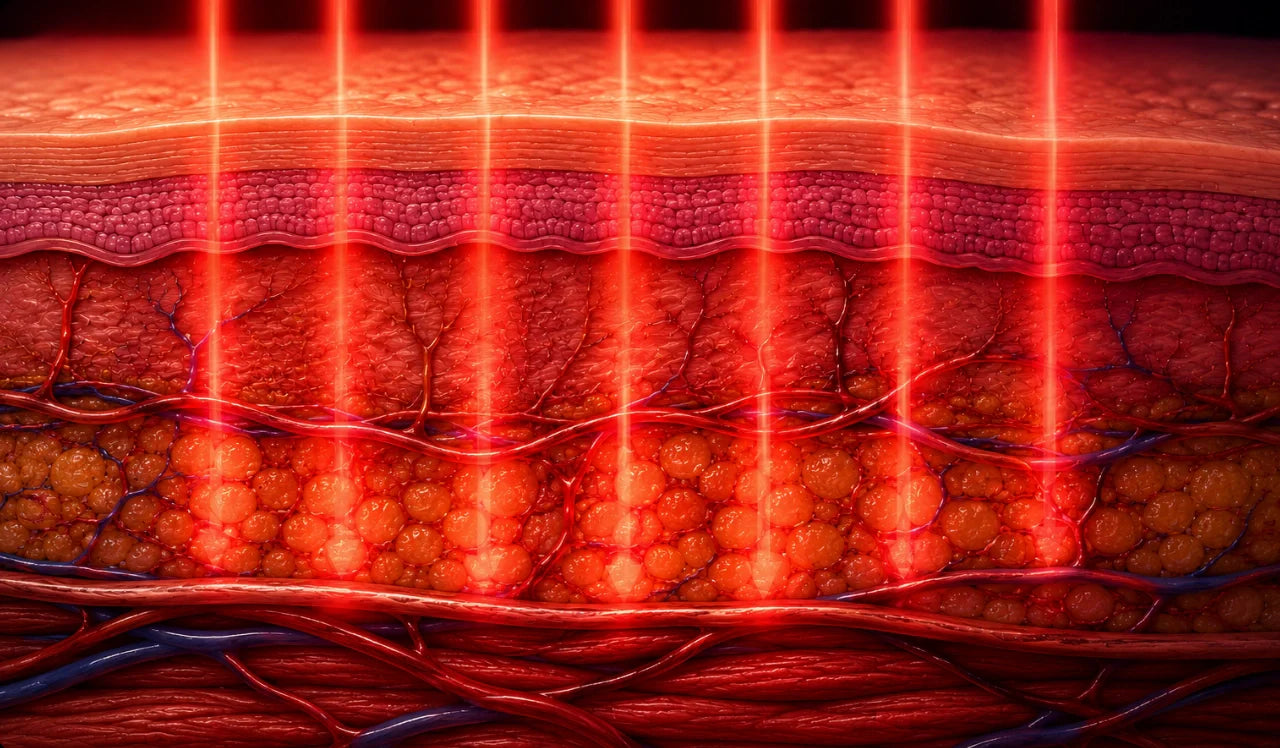
Infrared Light vs. Infrared Sauna: Why They Are Not the Same Thing
Infrared light therapy and infrared saunas share a word but produce completely different biological responses. Light therapy is precise, activating mitochondrial repair in targeted tissue without raising body temperature. An infrared sauna is systemic, driving a whole-body heat stress response. One works like a scalpel, the other like a furnace. Here is what each one does and when to use it.

Hot Tub vs. Sauna: What Researchers Found When They Compared Them Head to Head
Researchers at the University of Oregon compared hot tubs and saunas head to head. The hot tub won the single session, raising core temperature more effectively and producing stronger acute immune responses. But the sauna has something the hot tub does not: 20-plus years of longitudinal data on cardiovascular and cognitive outcomes. Here is what each one does best, and why the real question is what you are optimising for.

Infrared vs Traditional Sauna: Which Is Right for You
Infrared and traditional saunas heat you in completely different ways. Here is how they compare on feel, temperature, research, and cost, and how to choose.
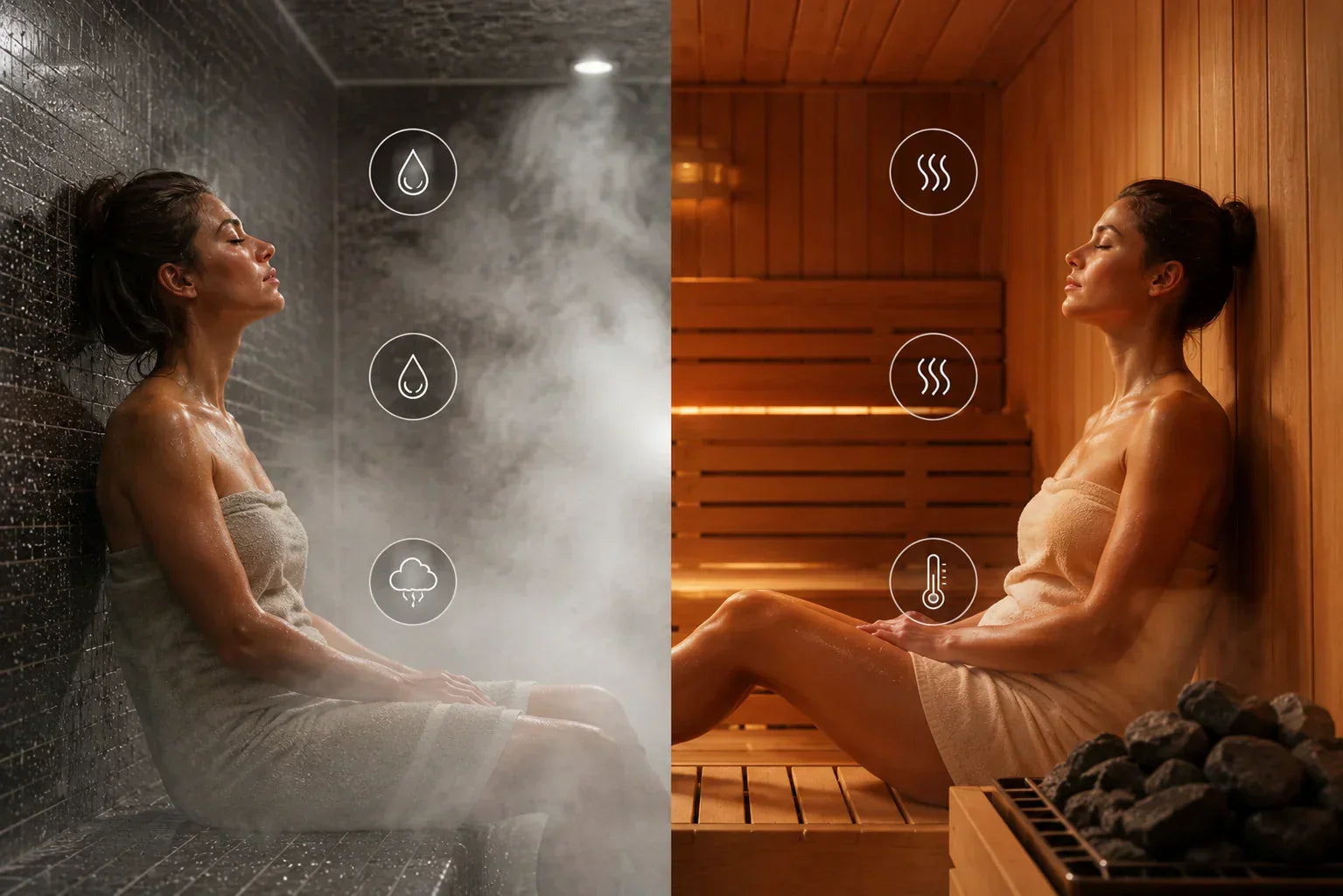
Steam Room vs Sauna: Which Is Better for You
Steam room or sauna? One is wet heat, the other dry. Here is how they compare on feel, research, maintenance, and which makes more sense to own at home.
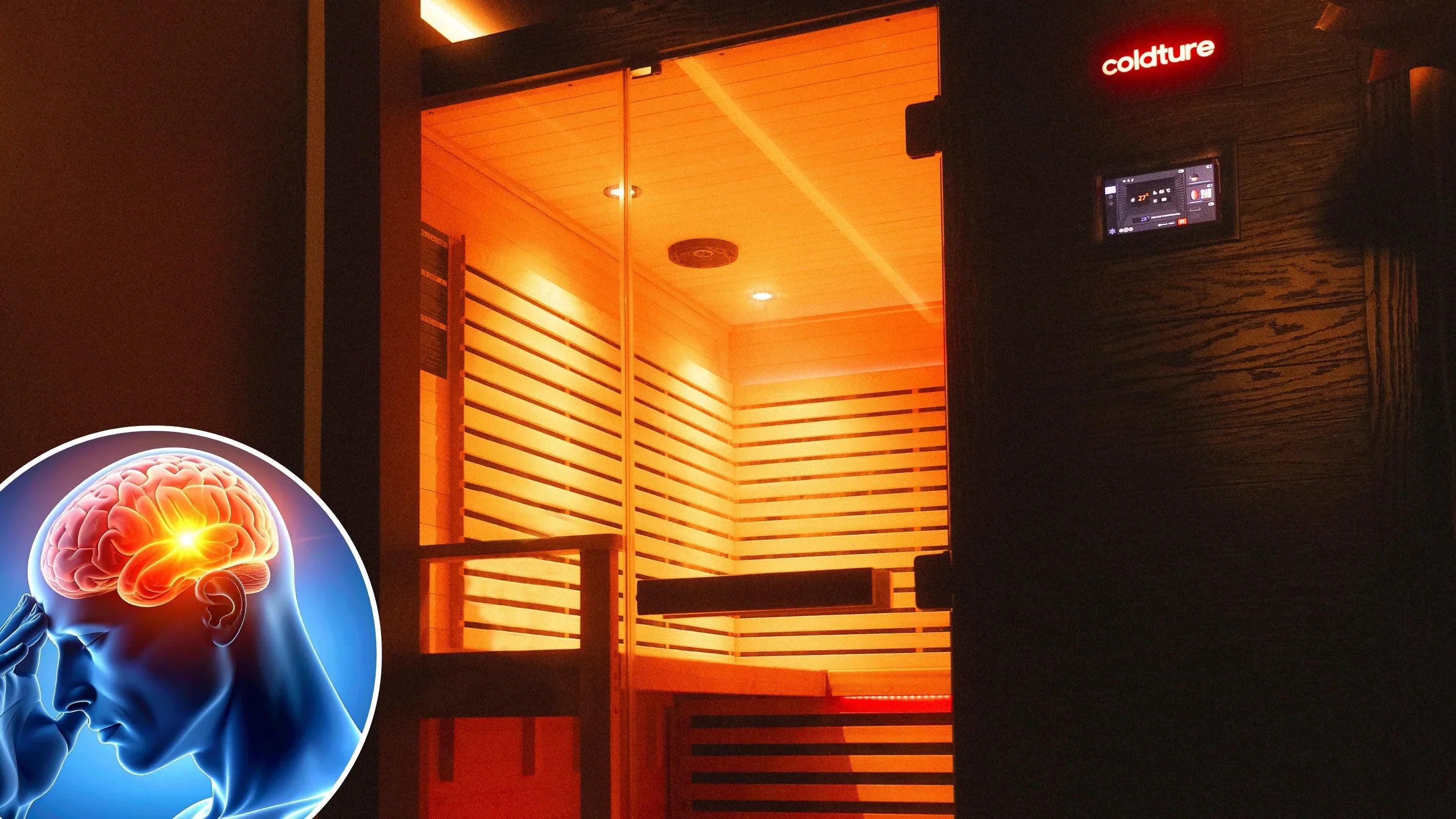
Sauna Use and Dementia Risk: What a 20-Year Study of 2,315 Men Actually Found
The KIHD study out of Finland tracked 2,315 men over 20.7 years and found that sauna frequency was one of the most robust predictors of dementia risk ever recorded in the dataset. Men using a sauna four to seven times per week showed a 66 percent lower risk of dementia compared to men using it once a week. Here is what the research shows, how the mechanisms work, and why frequency matters more than almost anything else.
Recovery Optimization Steps for Peak Athletic Performance
The Role of Red Light in Recovery: What Actually Works
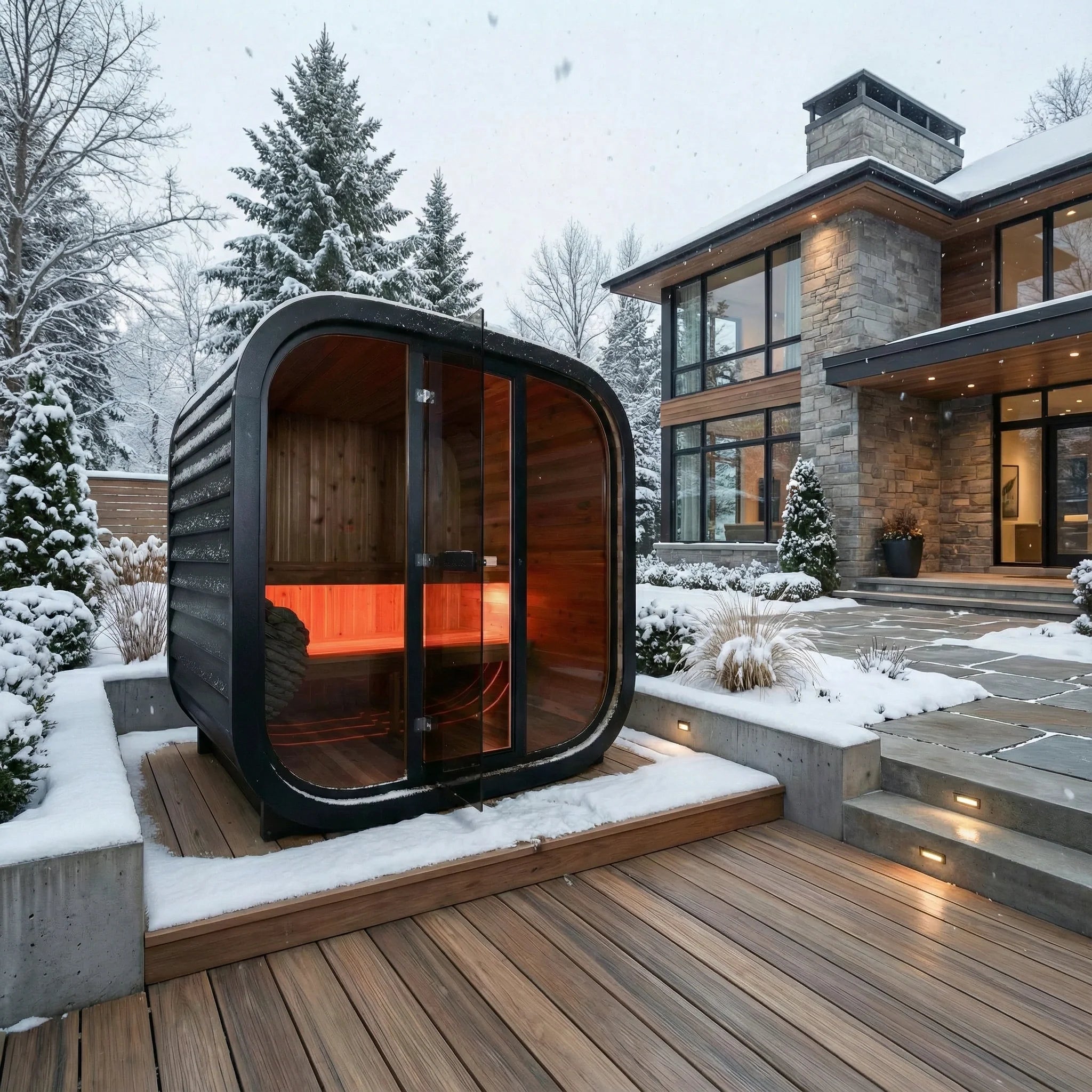
The Cedar Inside Your Outdoor Sauna Is the Reason It Lasts (or the Reason It Won't)
A deep look at why the wood inside an outdoor sauna decides whether it lasts 20 years or fails in 5. Clear vs knotty cedar, finger-joint shortcuts, and how Coldture outdoor saunas are built.
The Concept of Luxury Wellness: What It Really Means
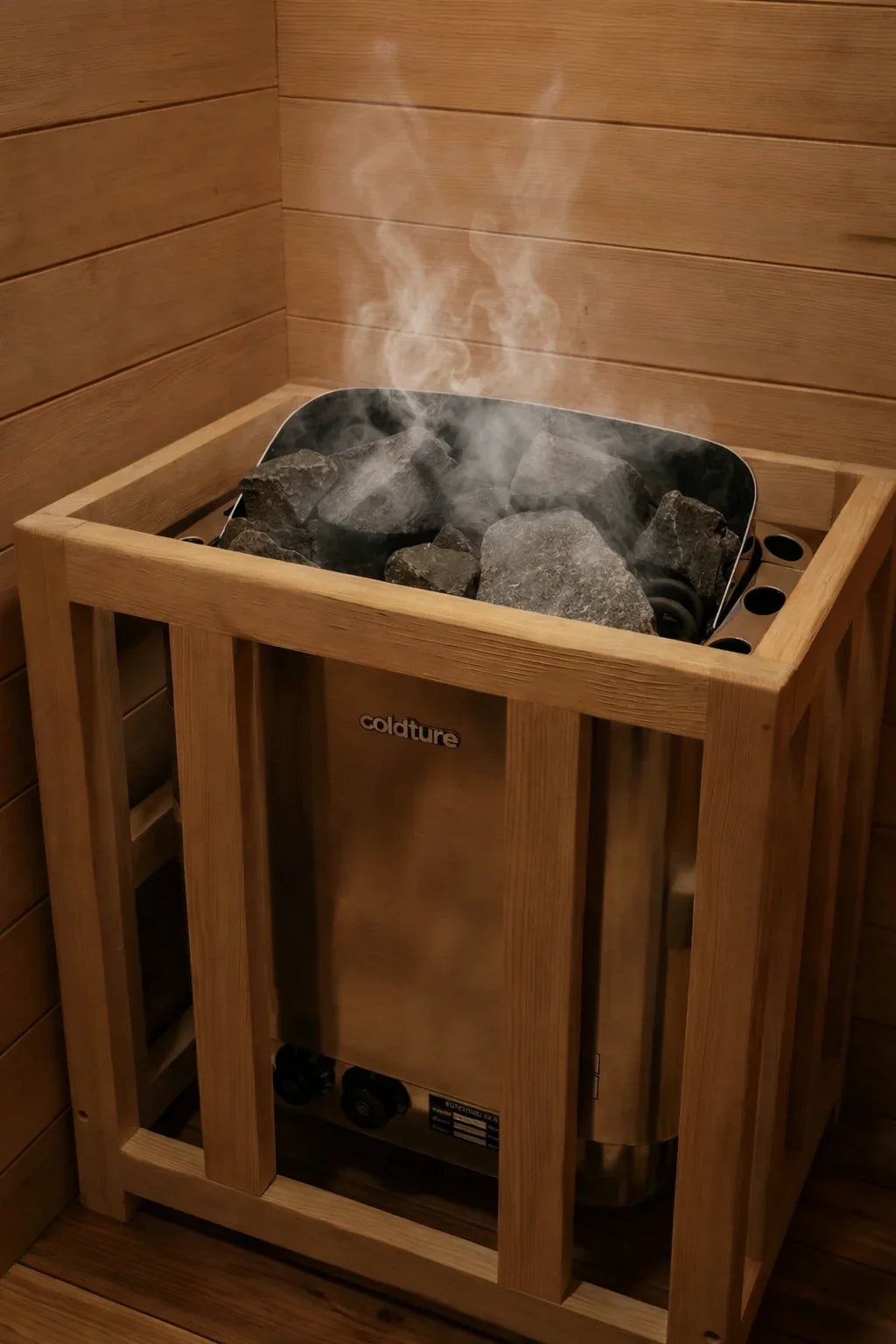
The Role of Heat Exposure in Wellness Explained
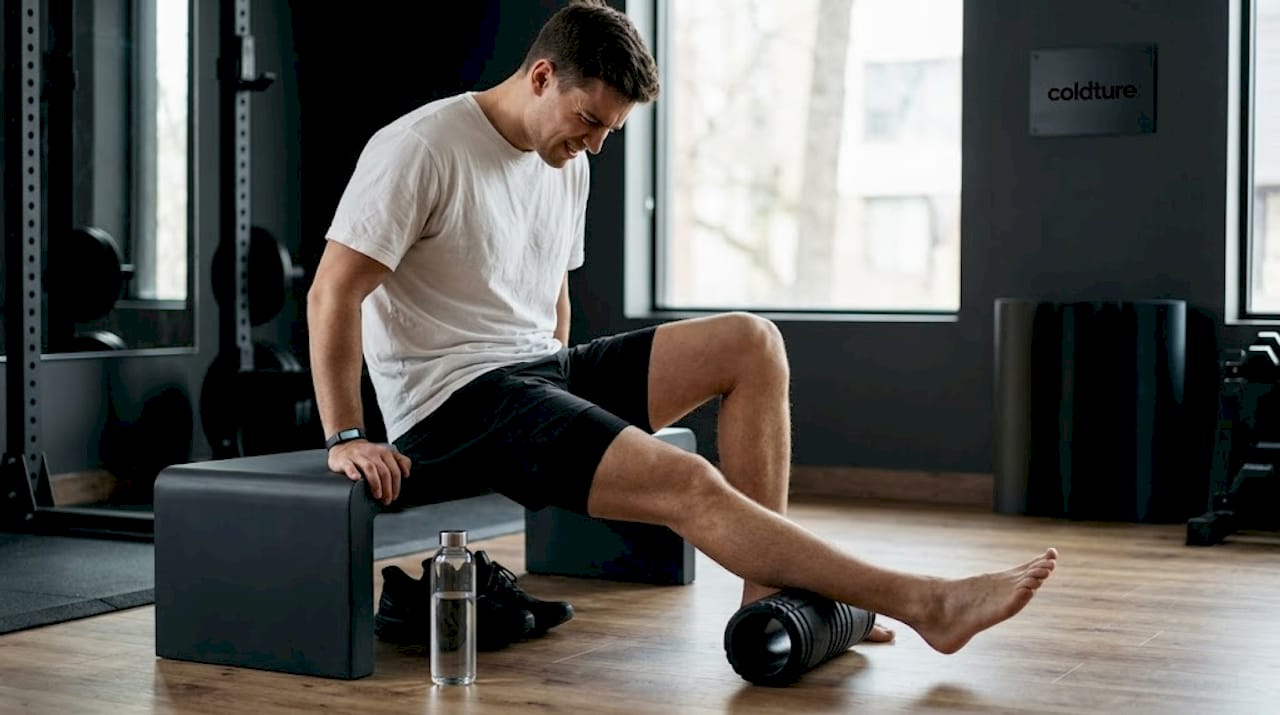
Your Energy Recovery Checklist for Peak Performance

Breathwork for Cold Exposure: Optimize Every Plunge

What Is Cold Adaptation: Science and Practice Guide
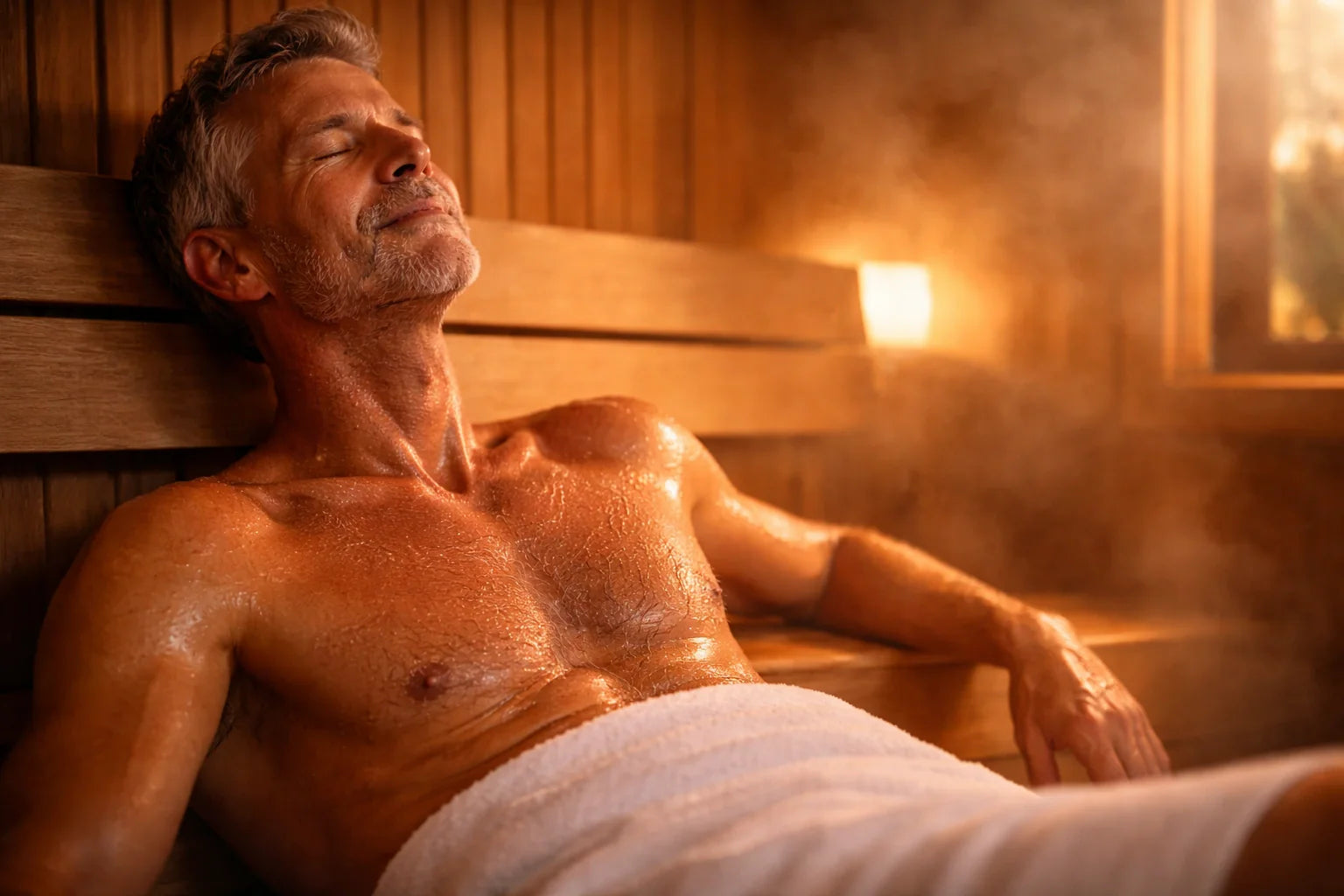
Benefits of heat exposure: A guide for recovery and wellness