

learn
explore wellness, recovery, and the habits that help you feel better for longer.

The Good News in Longevity Science That Almost No One Is Talking About
Beneath the doom-laden health headlines, 2025 and 2026 delivered a run of genuinely good longevity news, and most of it is accessible and affordable. From a common vitamin that may slow biological aging to the quiet power of walking, Blue Zones, and connection, here are five hopeful findings worth knowing.
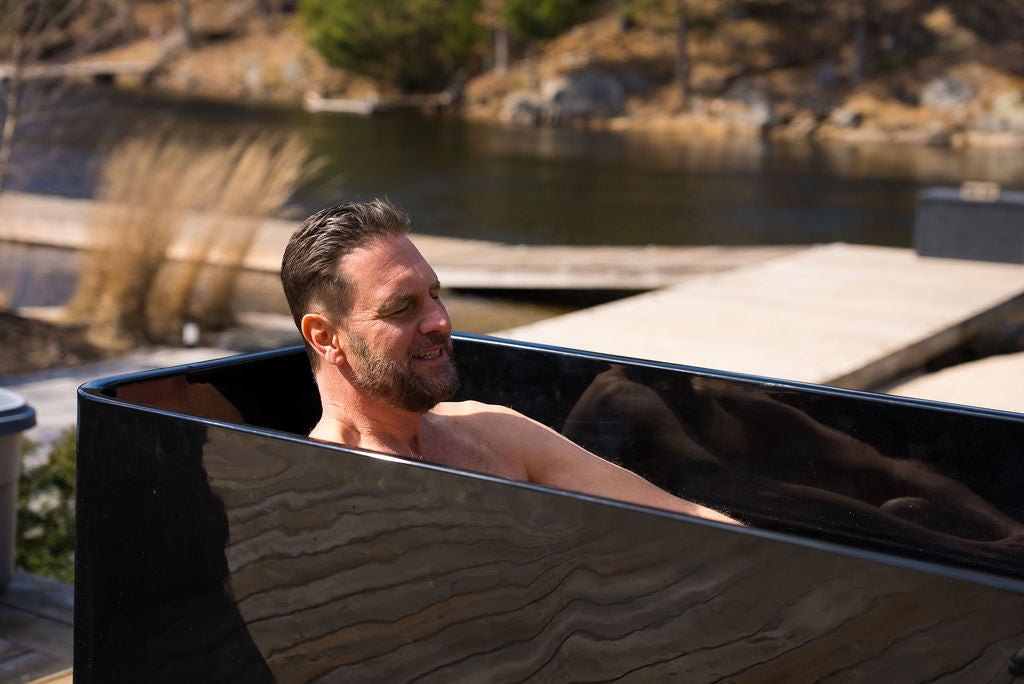
Cold Plunge FAQ: The 5 Questions Everyone Asks, Answered With Research
What is a cold plunge, what are the real benefits, how long and how cold should it be, is it safe, and how does it compare to an ice bath or cryotherapy? Here are clear, research-backed answers to the five most asked cold plunge questions, including an honest look at where the evidence is strong and where it's still mixed.
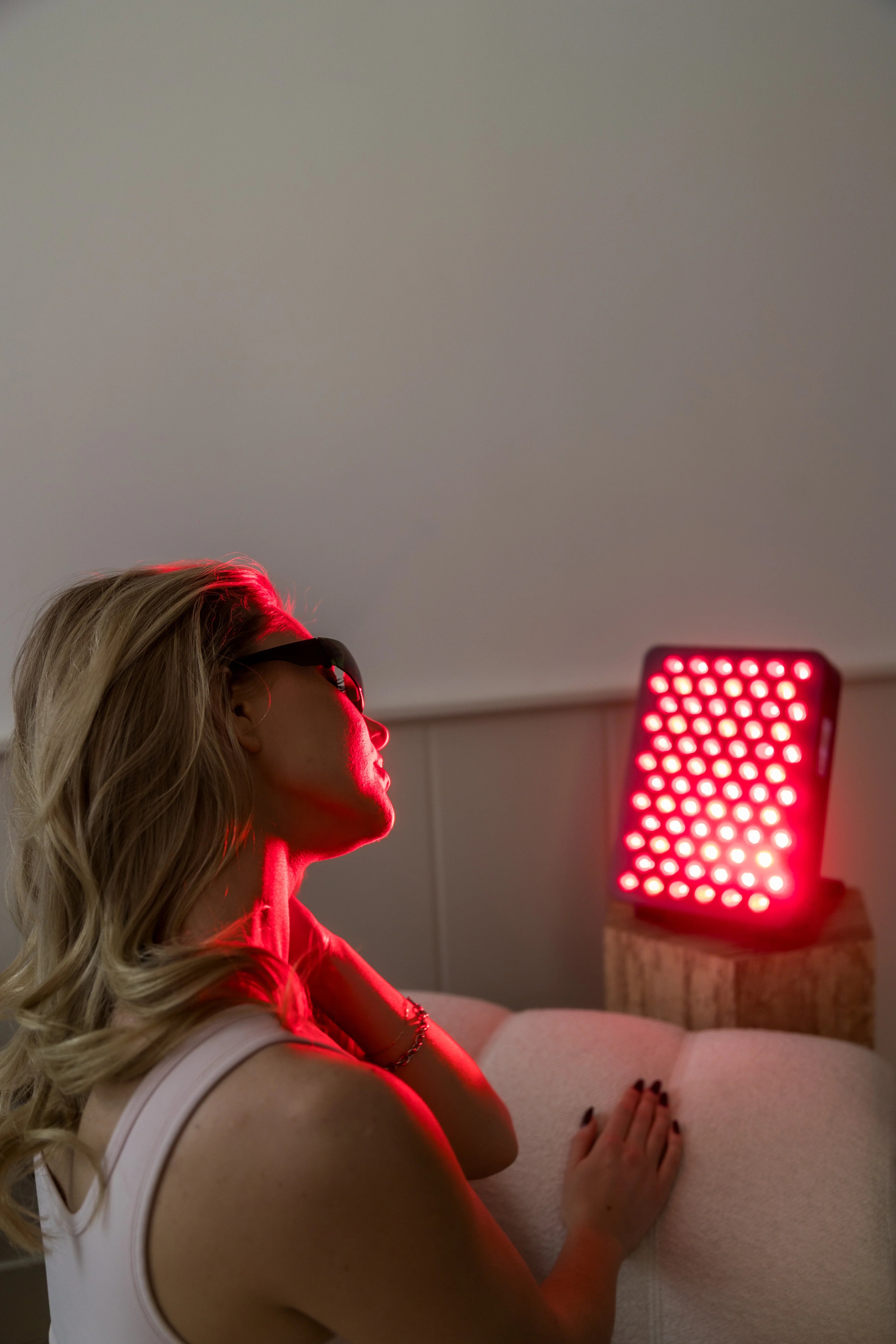
Red Light Therapy FAQ: The 5 Questions Everyone Asks, Answered With Research
What is red light therapy, what is it actually good for, how often should you use it, is it safe, and how long until you see results? Here are clear, research-backed answers to the five most asked red light therapy questions, with the evidence behind each and how to get real results.
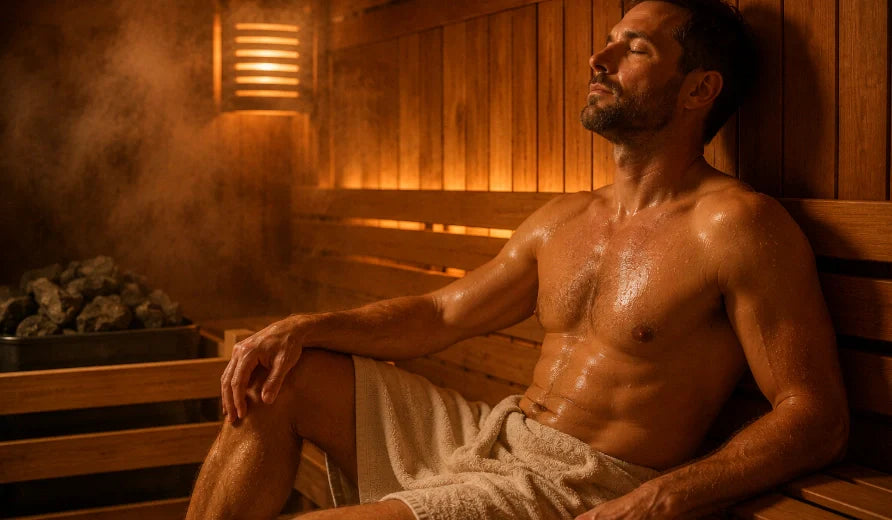
Sauna FAQ: The 5 Questions Everyone Asks, Answered With Research
How often should you use a sauna? How long should you stay in? What are the real benefits, and who should avoid them? Here are clear, research-backed answers to the five most asked sauna questions, covering frequency, duration, health benefits, infrared vs. traditional, and safety.
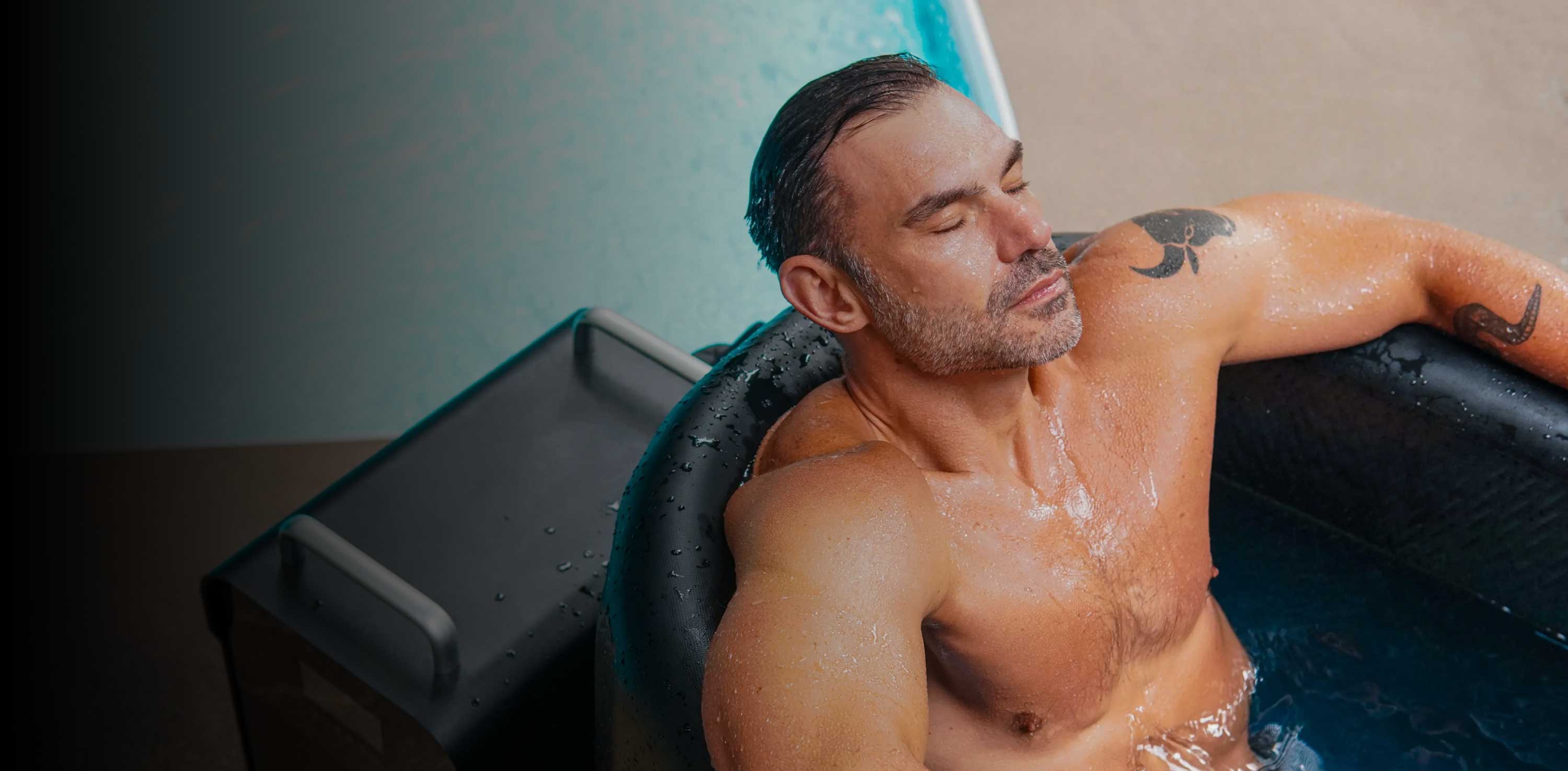
Cold Exposure and Brown Fat: The Metabolism Science Explained
Cold exposure activates brown fat, a metabolically active tissue that burns energy to produce heat. Regular cold may even build more of it over time. Here's the science on cold plunges and brown fat, what it means for metabolism, and what it doesn't.
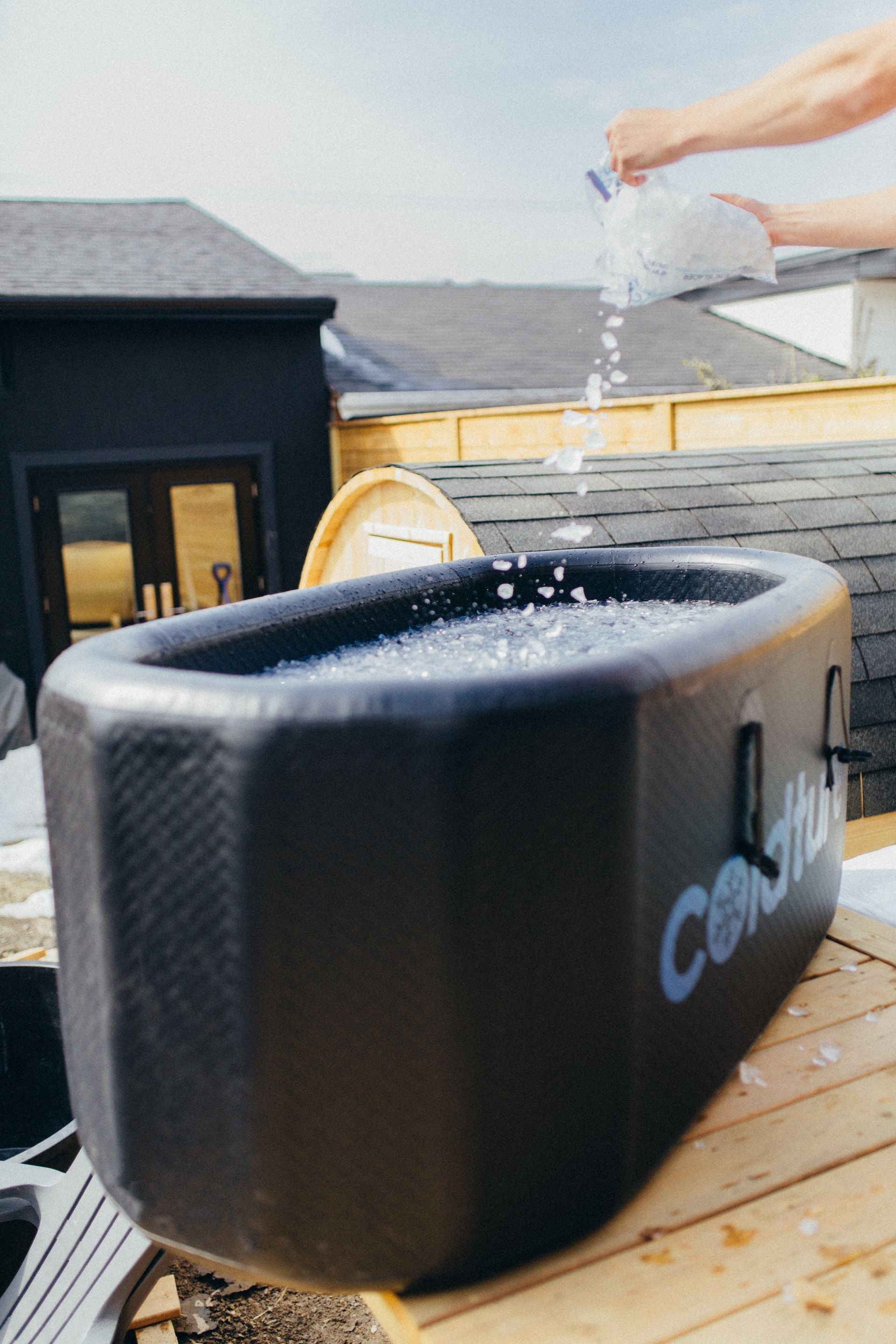
How Much Ice Do You Need for an Ice Bath?
How much ice do you need for an ice bath? It depends on your water temperature and target, but expect roughly 10 to 20 kg. Here's a practical method to estimate it, plus an honest look at why most committed cold plungers eventually ditch ice for a chiller.

What Is the Best Time to Cold Plunge? Morning, Post-Workout, or Night
There's no single best time to cold plunge, but timing changes what you get from it. Morning for alertness, post-workout for recovery, evening with care. Here's how to match your cold plunge timing to your goal, and why consistency beats the clock.
Calories Burned in a Sauna: What the Science Really Says
How many calories does a sauna burn? Fewer than the internet claims, and the weight you lose is water, not fat. Here's the honest science on saunas, calories, and weight, and why the real benefits have nothing to do with either.

Cold Plunges for Runners: What the Science Says About Recovery and Performance
Runners were early adopters of cold water immersion, and the endurance recovery research backs them up. But there's a timing nuance that matters for runners specifically. Here's what the science says about cold plunges, recovery, and when to use them.
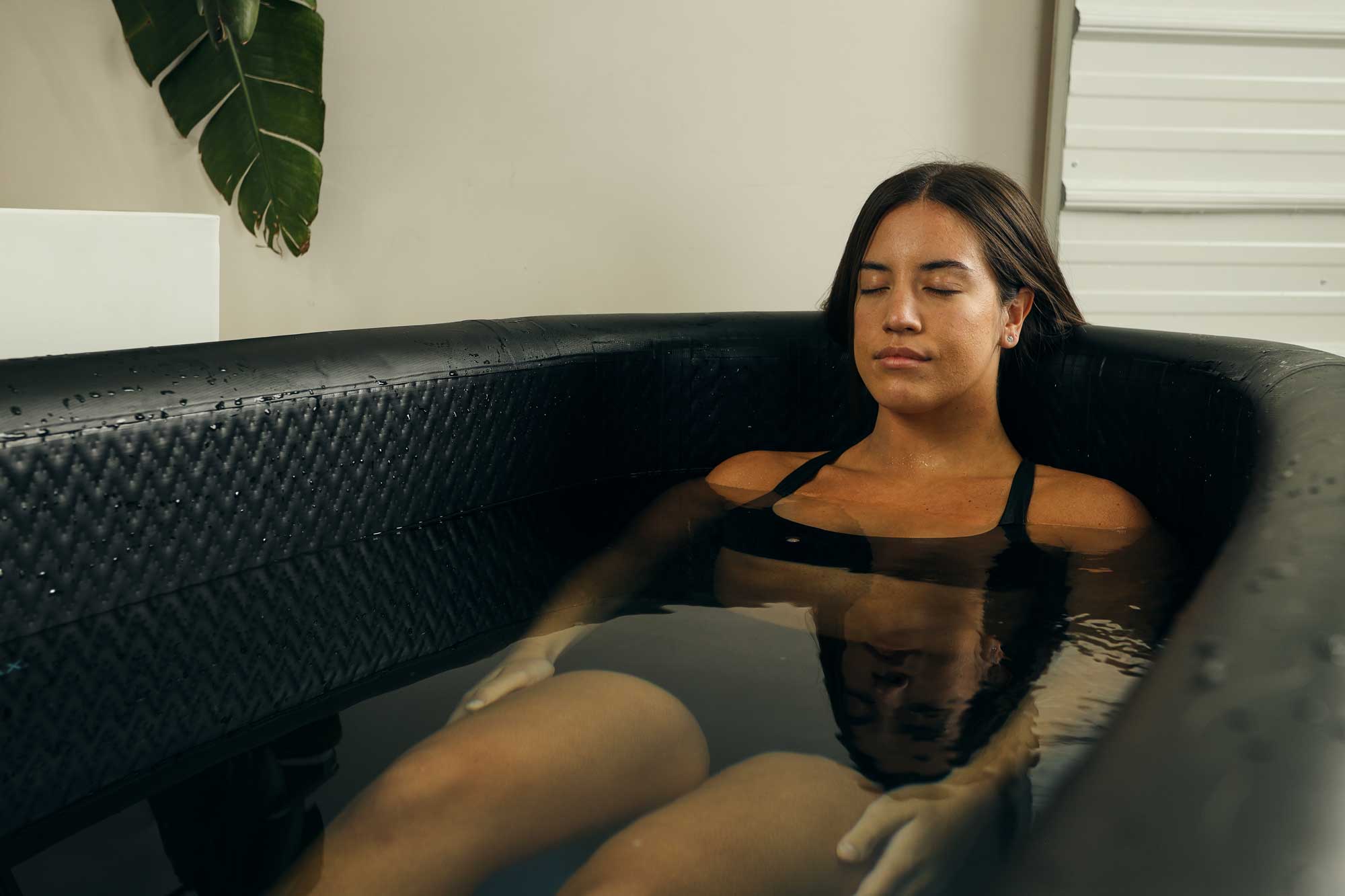
Cold Plunging During Pregnancy: What the Evidence Says
Can you cold plunge while pregnant? The honest answer is that safety data is limited, and this is a conversation for your OB or midwife first. Here's what is and isn't known about cold water immersion during pregnancy, and why caution is the right default.
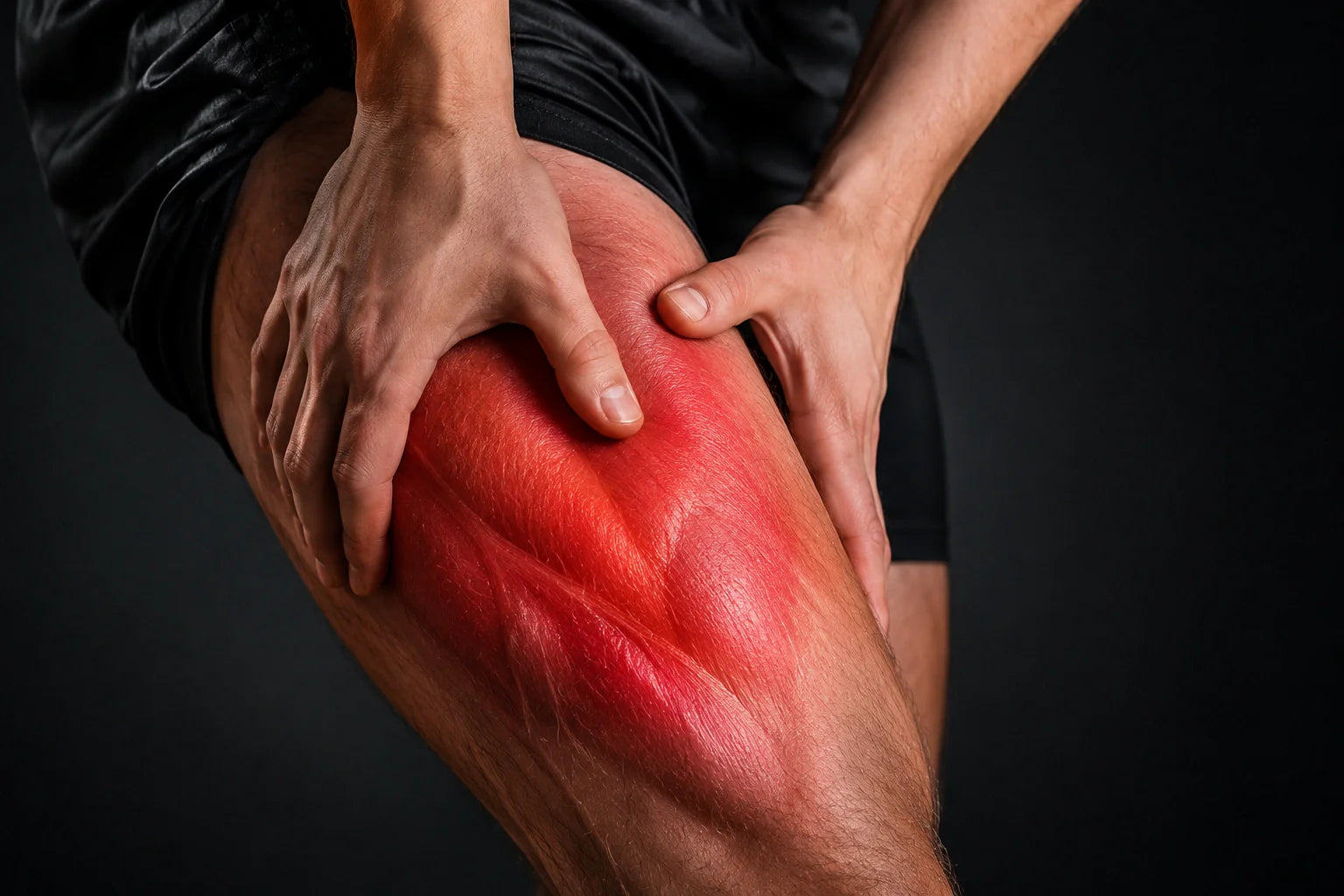
The Science of Ice Bath Temperature and Muscle Soreness
For muscle recovery, ice bath temperature matters. Research clusters around 10 to 15°C, and there's an important timing nuance most people miss about cold immersion and strength gains. Here's the science on the ideal ice bath temperature for recovery.
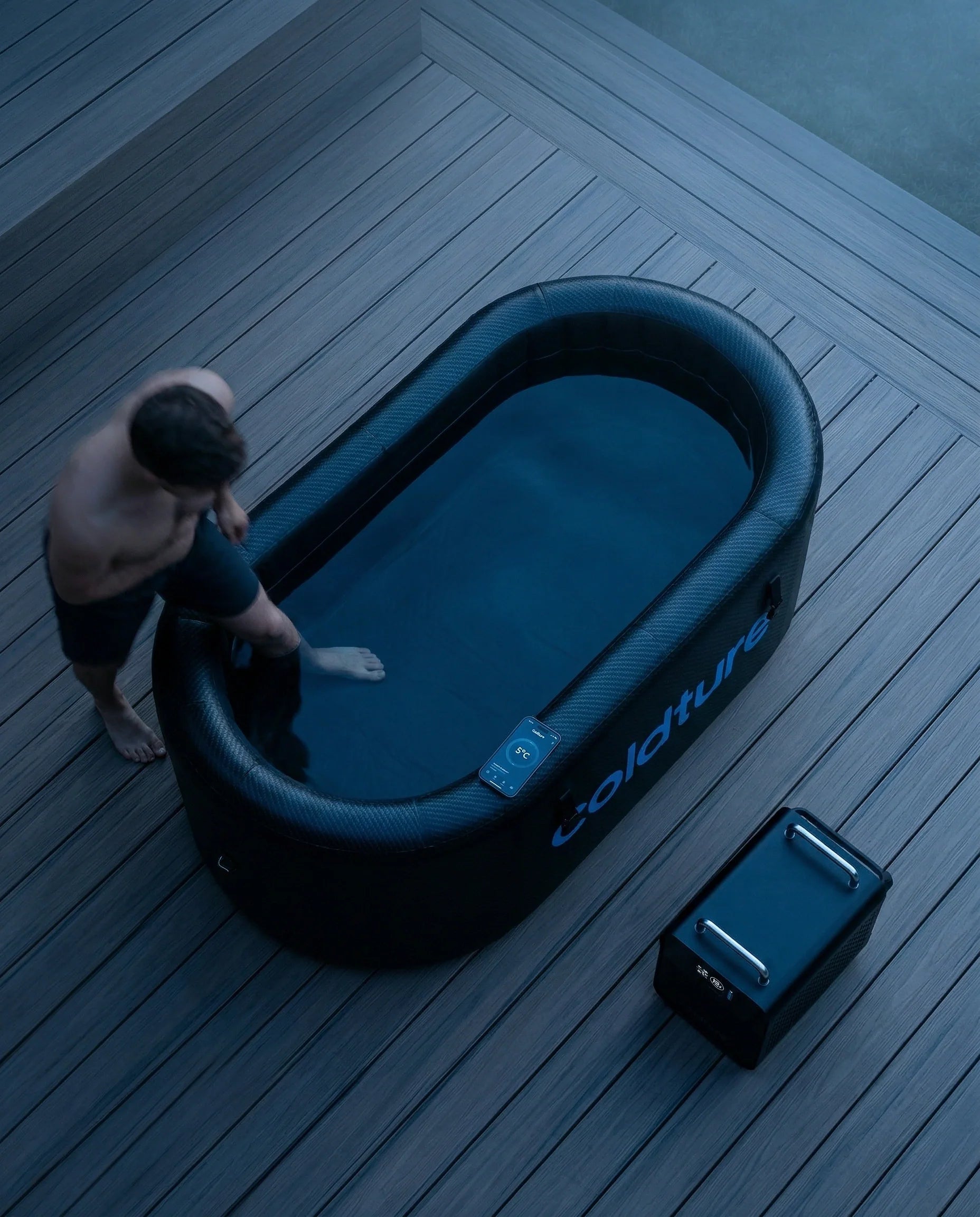
Should You Cold Plunge When You're Sick?
Should you cold plunge when you're feeling under the weather? The answer depends on your symptoms. Above-the-neck and mild may be lower risk; fever and systemic illness are a hard stop. Here's what the research and basic physiology say about plunging while sick.

Cold Plunge Temperature, Time, and Frequency: A Complete Guide
How cold should a cold plunge be, and how long should you stay in? Research points to 10 to 15°C for a few minutes at a time, several times a week, with consistency as the real driver. This complete, science-backed guide covers cold plunge temperature, duration, frequency, timing, and safety.
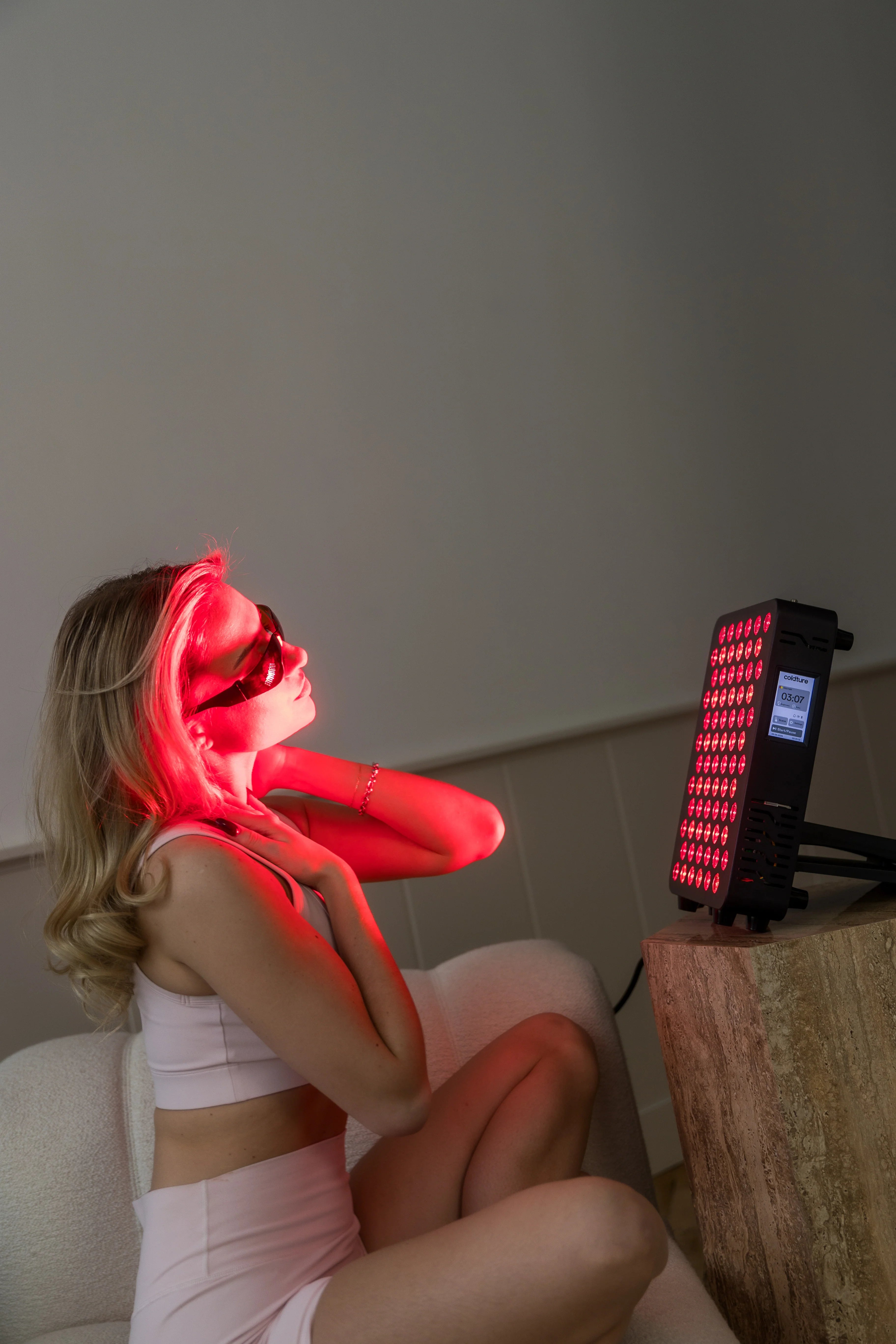
Red Light Therapy Is More Than a Beauty Tool. Here's What the Research Actually Shows.
The beauty world sold red light therapy as an anti-aging secret. But the same wavelengths that smooth skin are being studied across recovery, circulation, inflammation, and even thyroid function. Here is what the research actually shows, where the evidence is strong, where it is still early, and why a red light panel might be better understood as a longevity investment than a beauty gadget.

The Sauna and Your Metabolism: What the Research Really Shows
A sauna session pushes your heart rate into cardio range, keeps your metabolism elevated after you leave, accelerates post-workout recovery, and triggers a significant growth hormone response, all while you sit still. Here is what the research actually supports about saunas, recovery, and body composition, and what it does not.
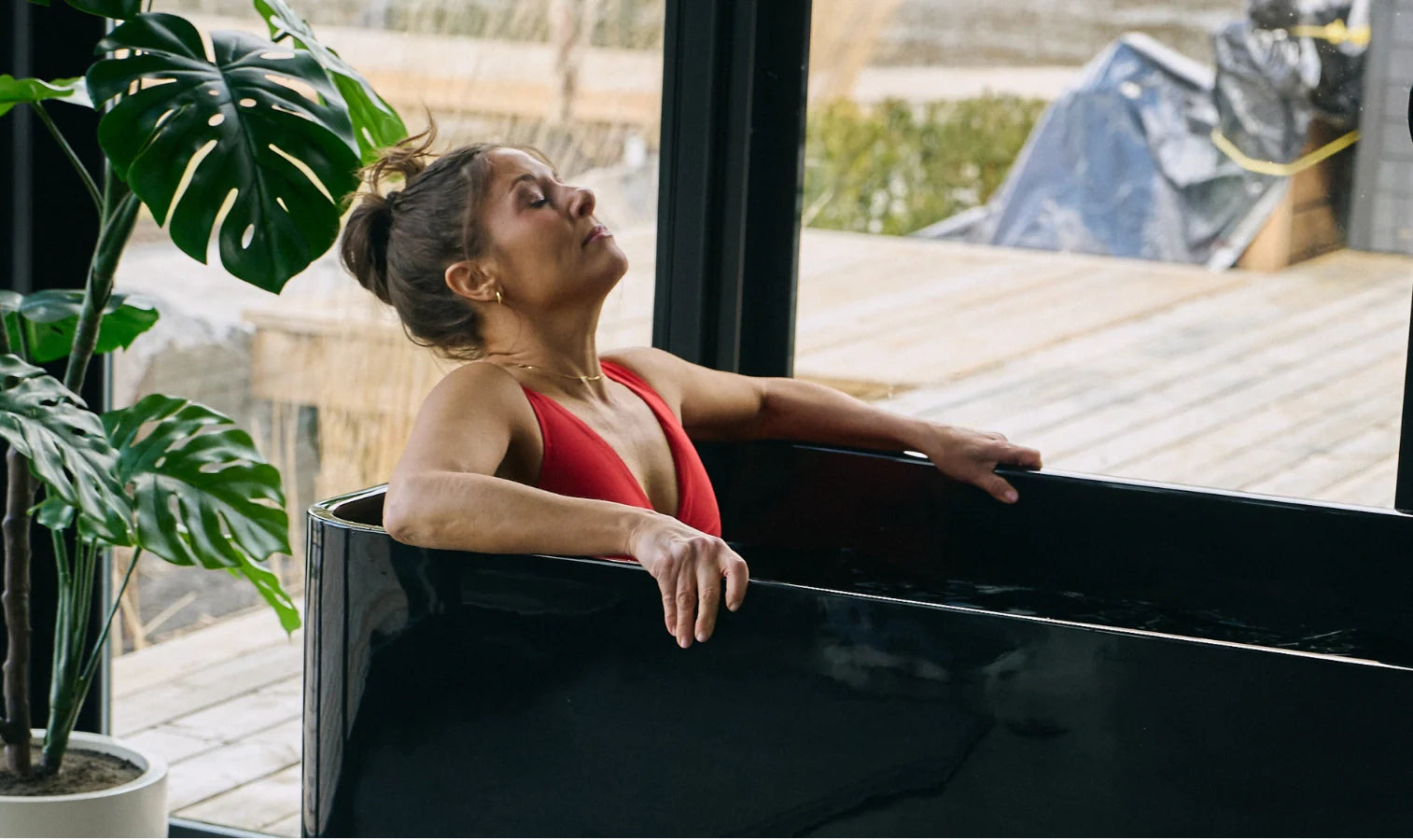
Sleep, Immunity, and Cellular Repair: What the Cold Water Research Actually Shows
A 2025 meta-analysis of 11 trials and 3,177 participants found cold water immersion improved sleep quality and lowered stress for hours after a single session. Separate research links cold exposure to immune function and cellular repair. Here is what cold water does in the hours after you get out, and why consistency is what makes it work.

What Cold Water Immersion Actually Does to Your Brain Chemistry
Researchers immersed subjects in 14°C water and measured their brain chemistry. Dopamine rose 250 percent. Norepinephrine rose 530 percent. And the effect lasted for hours after they got out. Here is what the research found about cold water and the neurotransmitters behind motivation, focus, and mood, and what it does and does not mean.
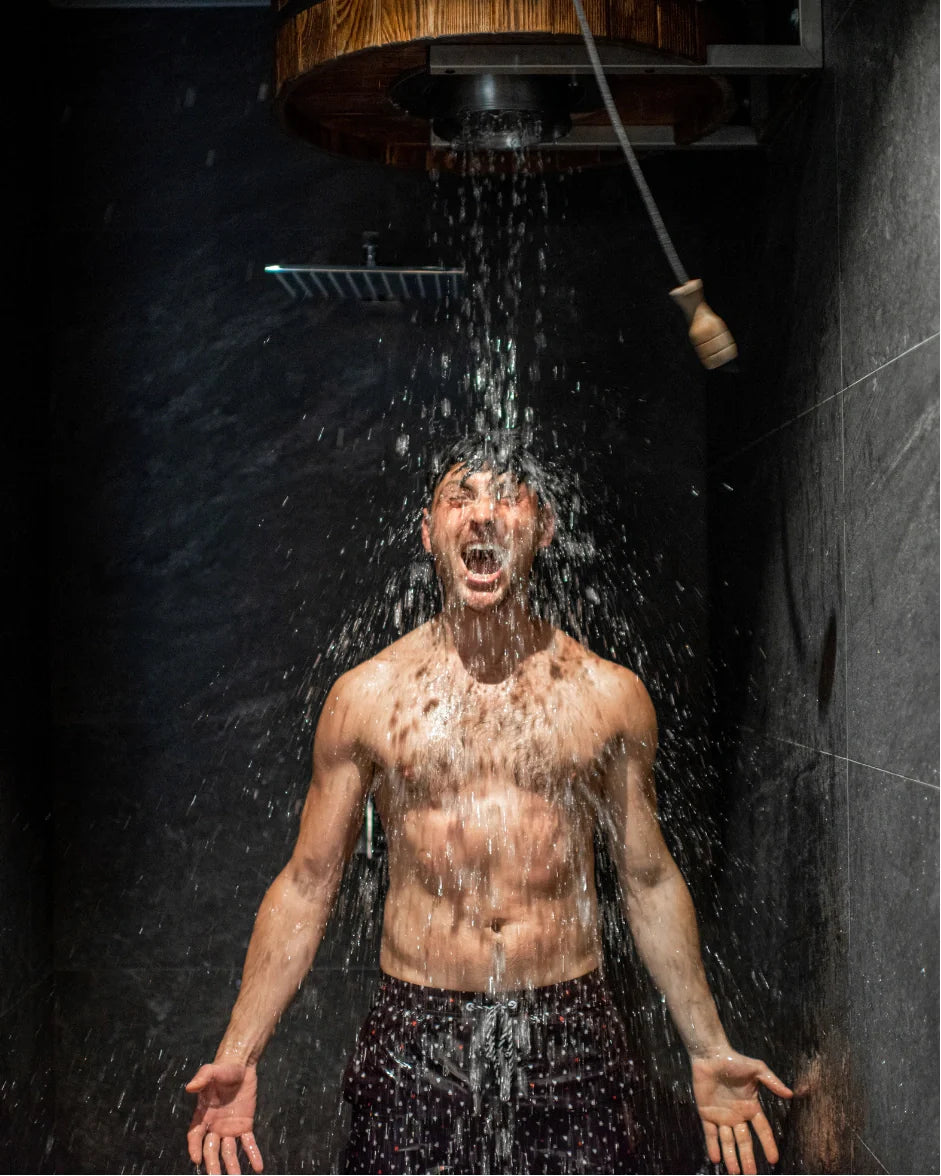
A 30-Day Cold Shower Study With 3,018 People Found Something Surprising
A randomised controlled trial of 3,018 people in the Netherlands found that ending a daily shower with just 30 seconds of cold water reduced work absences by 29 percent over 30 days. The part that surprised researchers: duration did not matter. Here is what the study found, the mechanisms behind it, and how to take the principle further.
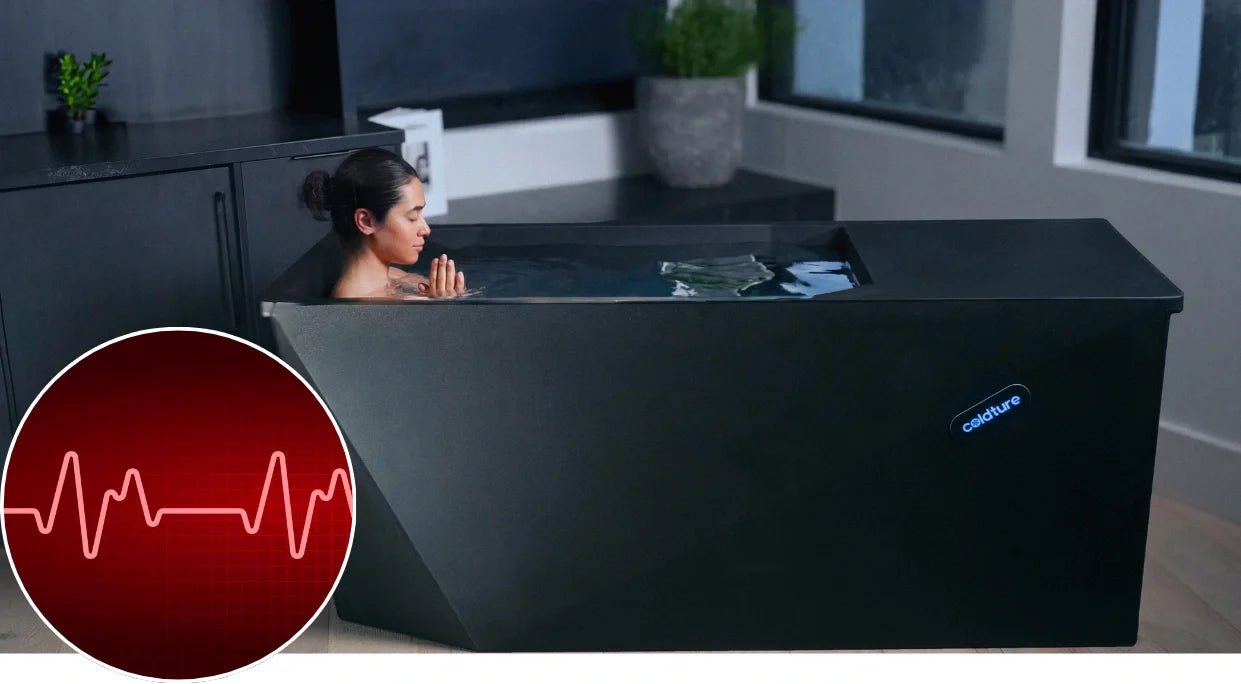
What Cold Water Actually Does to Your Heart Rate in the First 10 Seconds
Within 10 seconds of cold water hitting your chest, your heart rate does something most people would never expect. The calm you feel after a cold plunge is not mental toughness. It is your vagus nerve, the body's main brain-to-heart communication line, activating a hardwired reflex that downregulates stress. Here is the science behind what cold water does to your nervous system, and why it works.
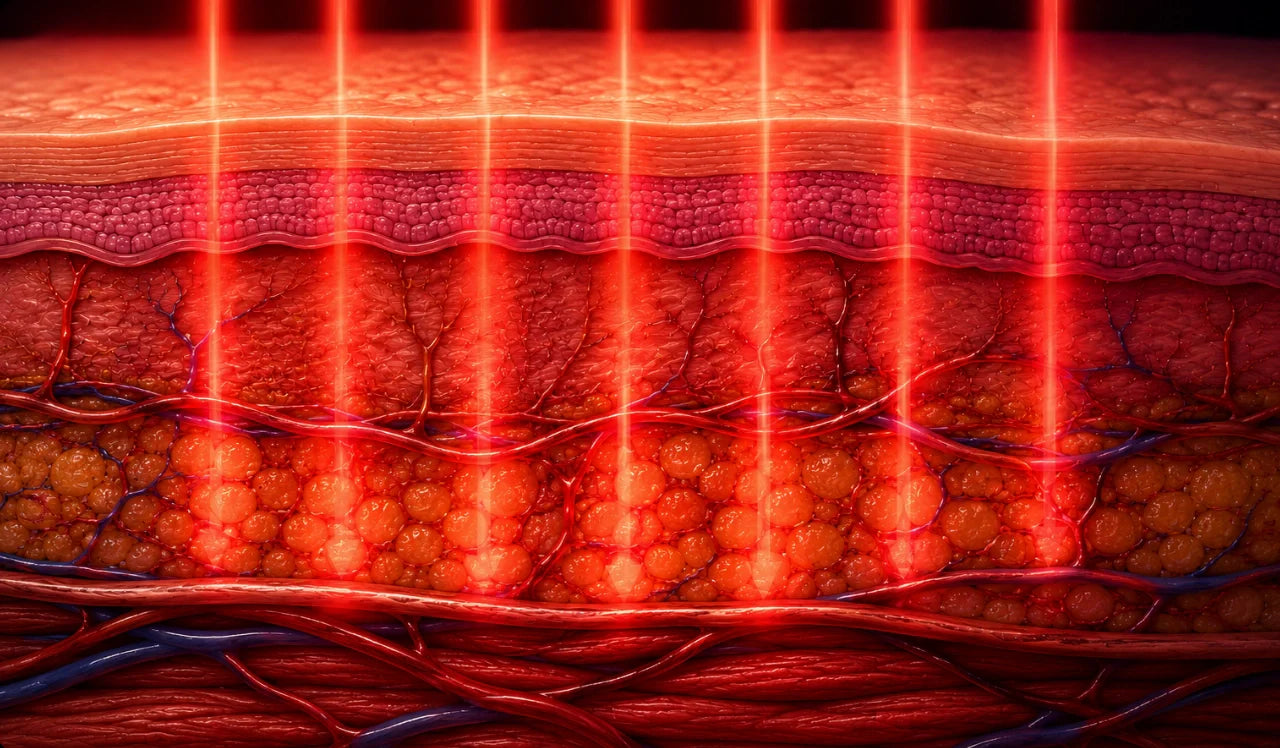
Infrared Light vs. Infrared Sauna: Why They Are Not the Same Thing
Infrared light therapy and infrared saunas share a word but produce completely different biological responses. Light therapy is precise, activating mitochondrial repair in targeted tissue without raising body temperature. An infrared sauna is systemic, driving a whole-body heat stress response. One works like a scalpel, the other like a furnace. Here is what each one does and when to use it.

Hot Tub vs. Sauna: What Researchers Found When They Compared Them Head to Head
Researchers at the University of Oregon compared hot tubs and saunas head to head. The hot tub won the single session, raising core temperature more effectively and producing stronger acute immune responses. But the sauna has something the hot tub does not: 20-plus years of longitudinal data on cardiovascular and cognitive outcomes. Here is what each one does best, and why the real question is what you are optimising for.
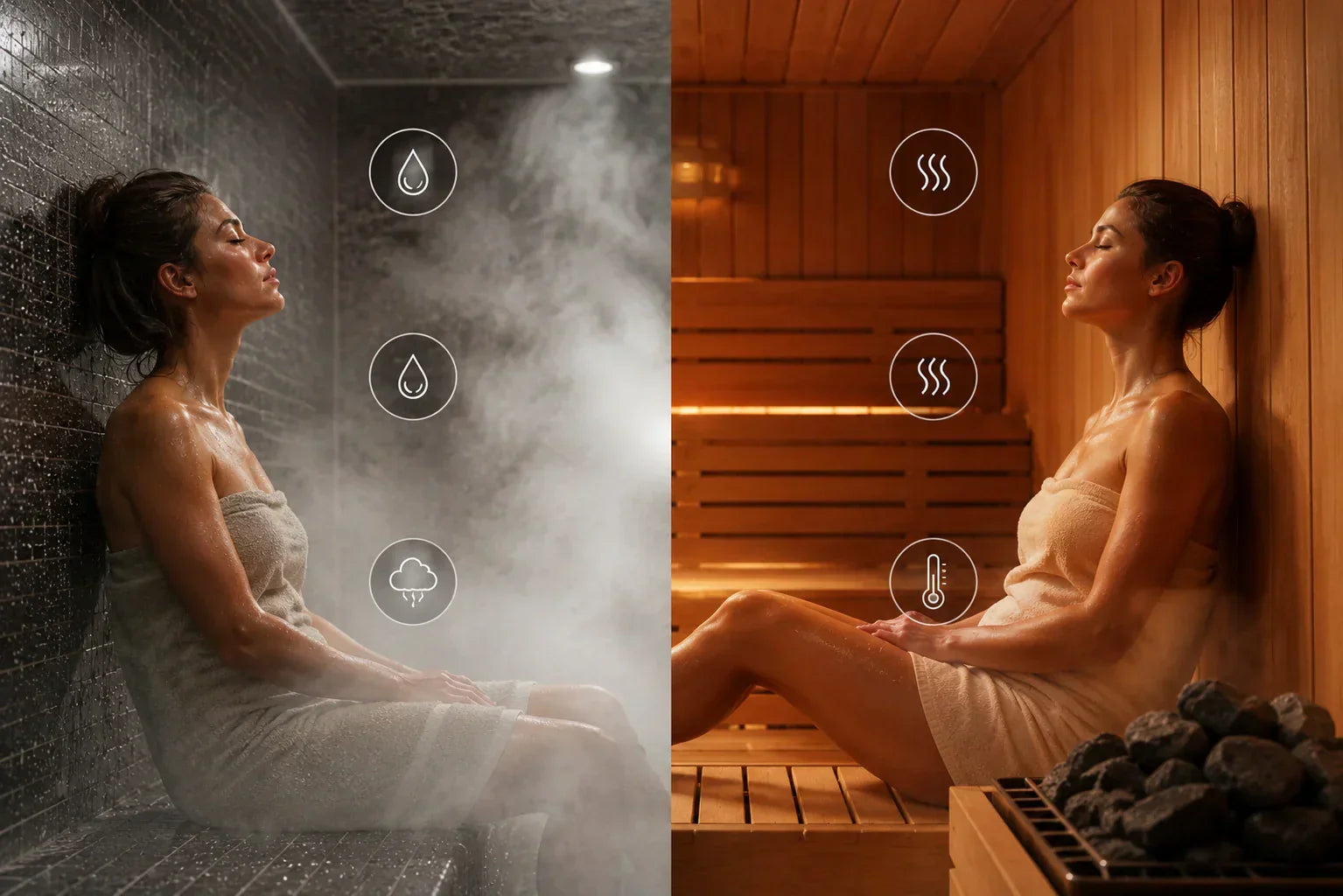
Steam Room vs Sauna: Which Is Better for You
Steam room or sauna? One is wet heat, the other dry. Here is how they compare on feel, research, maintenance, and which makes more sense to own at home.
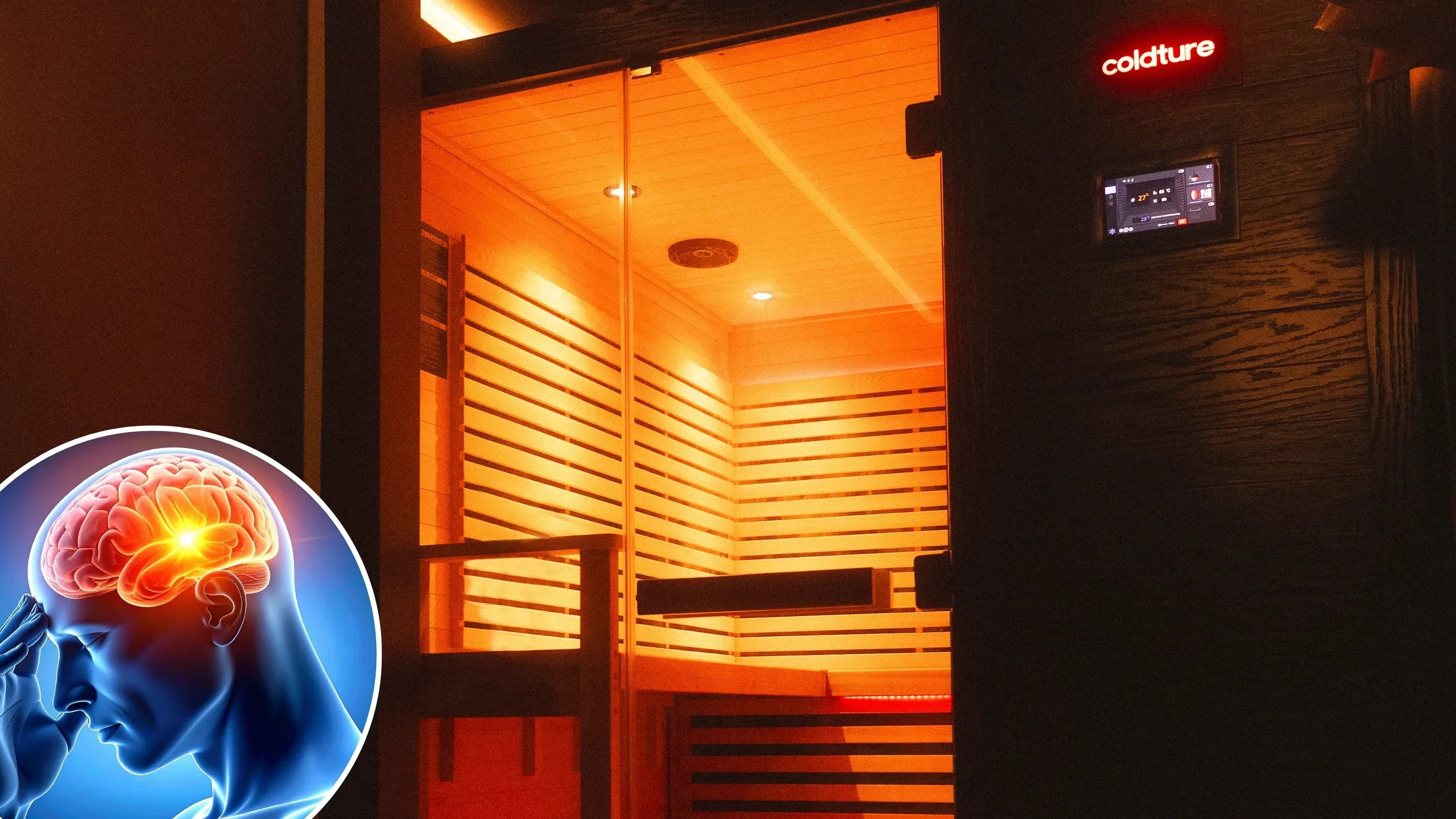
Sauna Use and Dementia Risk: What a 20-Year Study of 2,315 Men Actually Found
The KIHD study out of Finland tracked 2,315 men over 20.7 years and found that sauna frequency was one of the most robust predictors of dementia risk ever recorded in the dataset. Men using a sauna four to seven times per week showed a 66 percent lower risk of dementia compared to men using it once a week. Here is what the research shows, how the mechanisms work, and why frequency matters more than almost anything else.