

Cold Plunge When Sick: What the Research and Common Sense Both Say
Science + Recovery | 6 min read
If you have a cold plunge habit and you wake up feeling run down, the natural question is whether to push through or skip it. The answer depends a lot on what kind of sick you are, and the responsible version of this article is going to be more cautious than a hype piece would be, because this is your health and the evidence here is limited.
The "Above the Neck vs. Below the Neck" Rule of Thumb
A widely used guideline in exercise medicine is the "neck check." Symptoms above the neck, such as a mild runny nose, sneezing, or a scratchy throat without other systemic illness, are generally considered lower risk for light activity. Symptoms below the neck, such as chest congestion, body aches, fever, or fatigue, are a signal to rest. [1]
This guideline was developed for exercise rather than cold immersion specifically, and cold plunging is its own kind of stressor, but the underlying logic transfers: if your body is fighting a systemic illness, adding a significant physical stressor is not helping it recover.
Why Fever Is a Hard Stop
The clearest case against cold plunging while sick is fever. When you have a fever, your body is deliberately raising its core temperature as part of the immune response. [2] Cold water immersion works directly against that by pulling heat out of the body, and it places additional demand on a cardiovascular system that is already under strain from illness.
Plunging with a fever is not a "push through it" situation. It is a skip-it situation. The same applies to any illness involving significant fatigue, body aches, or chest symptoms.
The Cold Exposure and Immunity Picture
There is research suggesting regular cold exposure may support immune function over time. A randomised trial found that routine cold showers were associated with reduced self-reported sick-day absences, and other studies have documented acute increases in certain immune cells after cold immersion. [3][4]
But there is an important distinction between using cold exposure regularly while healthy as a potential long-term immune input, and plunging while you are actively, systemically ill. The first has some supporting evidence. The second does not, and adds stress when your body needs to direct its resources toward recovery. The immunity research is an argument for consistency when well, not for plunging through illness.
The Practical Takeaway
If you have minor above-the-neck symptoms and otherwise feel fine, a shorter, less intense session may be reasonable, listening closely to your body and stopping if anything feels off. If you have any systemic symptoms, fever, body aches, chest congestion, deep fatigue, rest and skip the plunge until you have recovered. When in doubt, skip it. One missed session changes nothing in the long run; pushing through a real illness can set you back.
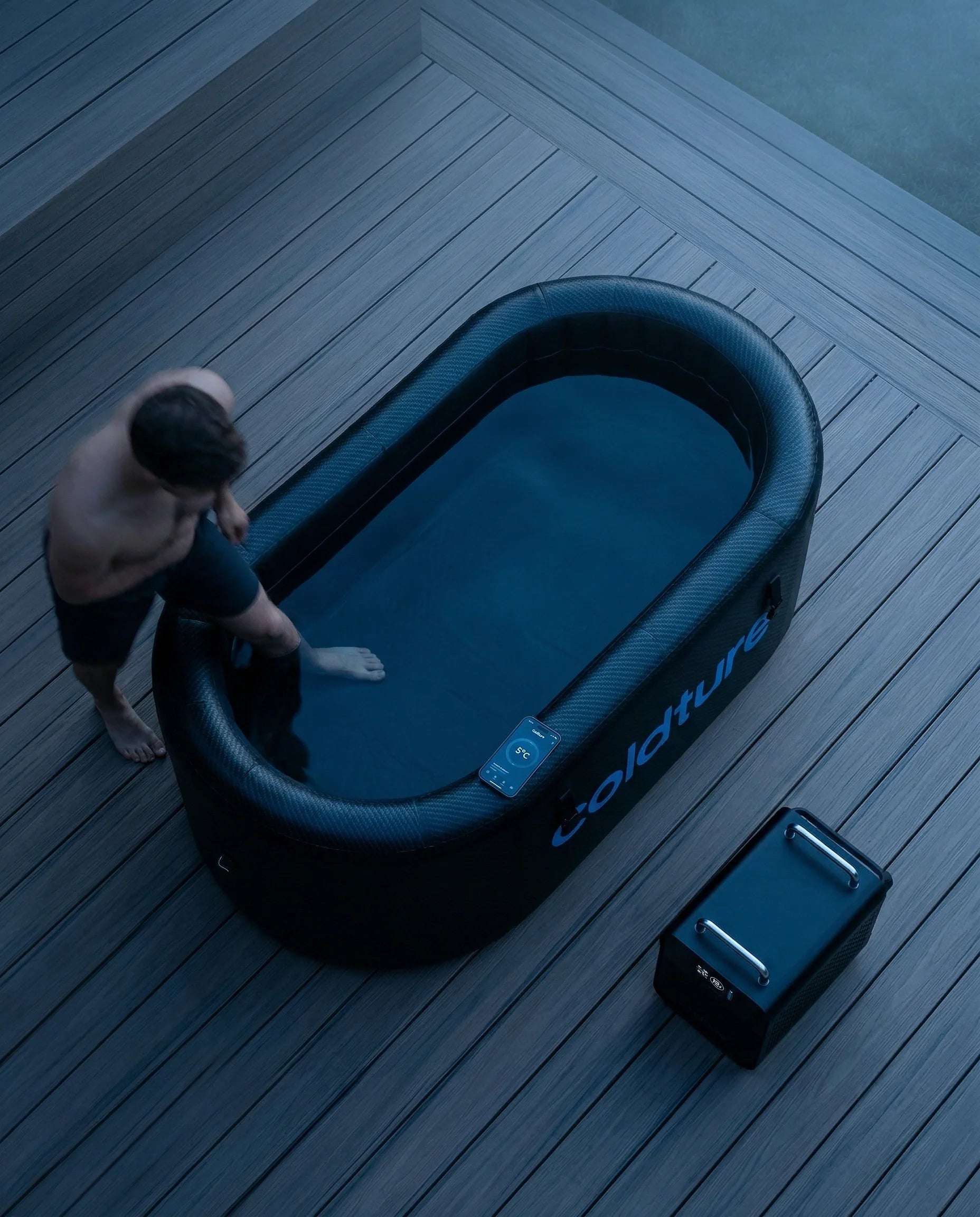
The strongest position is to build a consistent practice while healthy so that the occasional rest day during illness is a minor pause in an established routine. A low-friction, temperature-controlled system makes that consistency easy to maintain. The Coldture Classic Tub + Chiller holds a precise temperature from 3 to 40°C on a standard outlet, and the Barrel Tub + Chiller offers the same in a compact vertical format. Browse the full Coldture cold plunge lineup.
This article is for general wellness information and is not medical advice. Do not use cold water immersion as a treatment for illness. If you are sick, particularly with a fever or systemic symptoms, rest and consult a healthcare professional. Cold immersion carries risks, especially for people with cardiovascular conditions.
References
[1] Eccles R. "Common cold and exercise: the neck check guideline." (Review of activity guidance during upper respiratory infection.) British Journal of Sports Medicine. 2005.
[2] Evans SS, et al. "Fever and the thermal regulation of immunity: the immune system feels the heat." Nature Reviews Immunology. 2015;15(6):335-349. doi.org/10.1038/nri3843
[3] Buijze GA, et al. "The effect of cold showering on health and work: a randomized controlled trial." PLOS ONE. 2016;11(9):e0161749. doi.org/10.1371/journal.pone.0161749
[4] Brenner IK, et al. "Immune changes in humans during cold exposure." Journal of Applied Physiology. 1999;87(2):699-710. doi.org/10.1152/jappl.1999.87.2.699
Share:
This Father's Day, Skip the Gadget. Give Him Something His Body Will Thank You For.
The Science of Ice Bath Temperature and Muscle Soreness