

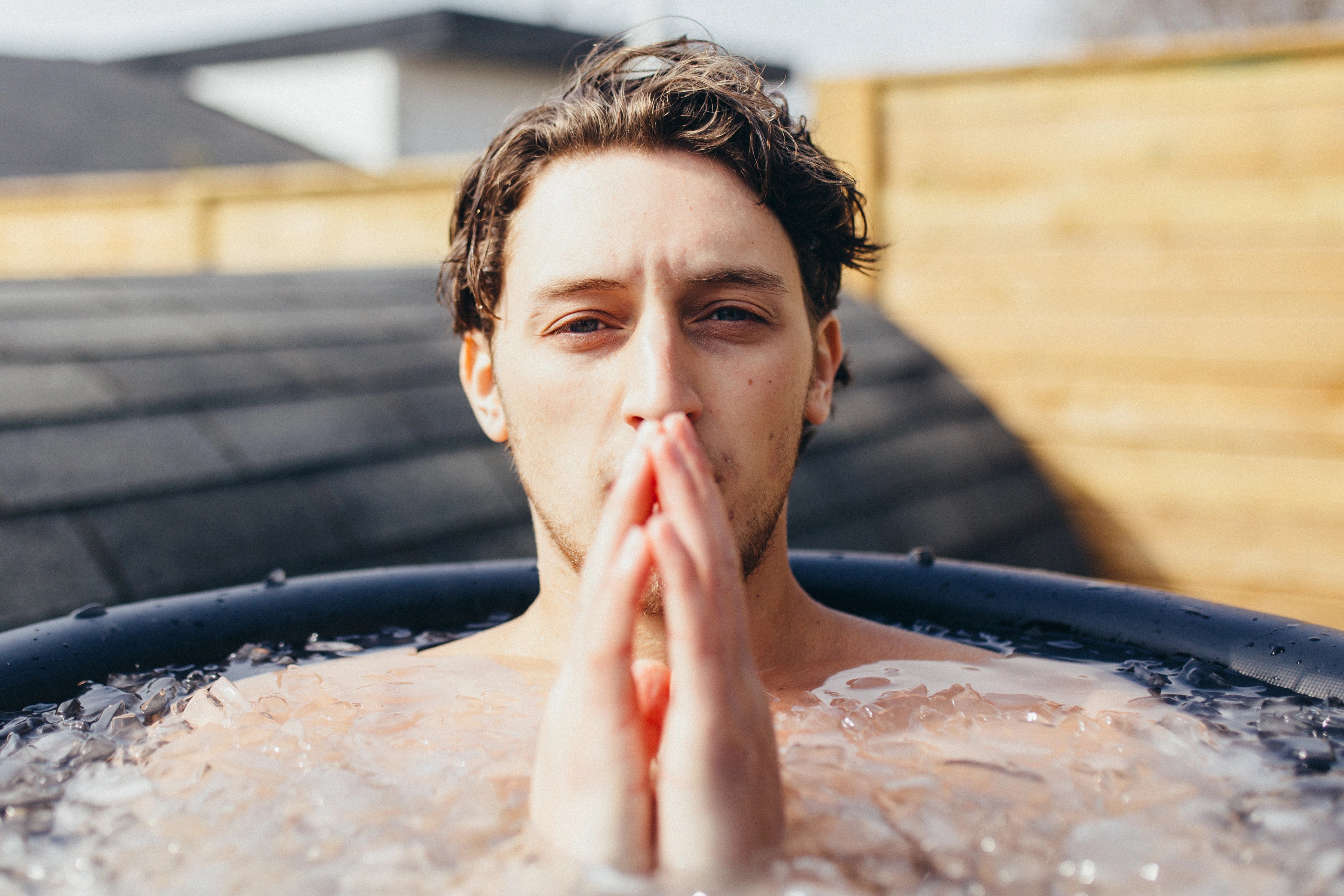
Recovery plateaus and persistent soreness are two of the most frustrating obstacles athletes and wellness seekers face. Cold therapy, which includes cold water immersion, ice baths, and whole-body cryotherapy, offers a science-backed path to faster physical recovery and stronger mental resilience. Whether you’re training five days a week or just starting your wellness journey, this guide covers everything you need: the right tools, proven protocols, safety essentials, and pro tips to get real results. Optimal CWI protocols show that even small adjustments in temperature and duration can dramatically change your outcomes.
Table of Contents
- Understanding cold therapy: Benefits and basic science
- What you need to start cold therapy: Tools, types, and safety essentials
- How to do cold therapy: Step-by-step protocols and pro tips
- Troubleshooting, common mistakes, and when to avoid cold therapy
- Cold therapy for mental resilience and emotional toughness
- Ready to experience cold therapy? Get started with the best equipment
- Frequently asked questions
Key Takeaways
| Point | Details |
|---|---|
| Proven recovery tool | Science-backed protocols can speed up muscle recovery and reduce soreness. |
| Easy to start safely | With the right gear and safety steps, beginners can try cold therapy at home. |
| Mental resilience impact | Regular cold exposure builds emotional toughness as well as physical adaptation. |
| Personalize your protocol | Adjust temperature, time, and frequency based on experience and fitness goals. |
Understanding cold therapy: Benefits and basic science
Cold therapy is the deliberate use of cold temperatures to trigger physiological and psychological adaptations. The main forms include cold water immersion (CWI), ice baths, whole-body cryotherapy (WBC), and cold showers. Each method works through the same core mechanism: reducing tissue temperature to slow inflammation, limit cellular damage, and stimulate recovery hormones.
On the inflammation side, whole-body cryotherapy reduces the pro-inflammatory marker IL-1β while increasing the anti-inflammatory cytokine IL-10, making it especially beneficial for athletes dealing with high training loads. This shift in inflammatory balance is what separates cold therapy from passive rest. Your body isn’t just cooling down; it’s actively recalibrating.
The performance and recovery benefits extend well beyond inflammation control. Regular cold exposure improves neuromuscular recovery, reduces delayed onset muscle soreness (DOMS), and sharpens mental focus. A review of 55 randomized controlled trials found notable reductions in DOMS and improved recovery markers across a wide range of athletes and training styles.
Key benefits of cold therapy include:
- Reduced muscle soreness after intense training sessions
- Faster neuromuscular recovery between workouts
- Lower systemic inflammation over time with consistent use
- Improved mood and mental clarity through neurochemical changes
- Greater stress tolerance and emotional regulation with regular practice
These aren’t marginal gains. For anyone serious about performance or longevity, cold therapy is one of the highest-leverage recovery tools available.
What you need to start cold therapy: Tools, types, and safety essentials
Getting started doesn’t require a commercial setup. At minimum, you need a tub or vessel large enough to submerge your body, ice or a cooling unit, a water thermometer, and a timer. That’s it. From there, you can scale up to dedicated cold plunges with temperature control and filtration systems.
Here’s a comparison of the most common cold therapy types:
| Type | Temperature | Best for | Home use? |
|---|---|---|---|
| Cold water immersion | 50–59°F (10–15°C) | Full-body recovery | Yes |
| Ice packs | Varies | Localized soreness | Yes |
| Whole-body cryotherapy | -166 to -220°F | Elite recovery, inflammation | Clinic only |
| Cold showers | 55–65°F | Daily mental priming | Yes |
For ice bath recovery basics, the most important variables are temperature, duration, and frequency. Beginners should target 55–59°F for 3–5 minutes, 2–3 times per week. Advanced users can work down to 39–45°F for 1–3 minutes, 4–5 times per week. Always monitor how your body responds.
Safety is non-negotiable. Stop your session immediately if you experience any of the following:
- Numbness in extremities that doesn’t resolve quickly
- Shortness of breath or chest tightness
- Dizziness or faintness during or after immersion
- Uncontrollable shivering that persists after exiting
- Skin that turns white or blue (signs of frostnip)
Who should avoid cold therapy without medical clearance: people with cardiovascular disease, Raynaud’s syndrome, open wounds, or active infections. Pregnant individuals should also consult a doctor first.
Safety warning: Never cold plunge alone as a beginner. Always have someone nearby, keep sessions short, and exit immediately if you feel faint, numb, or short of breath. Cold water affects the cardiovascular system fast.
For a deeper look at using ice baths safely and effectively, including gear recommendations and setup tips, we’ve put together a full resource on our blog.
How to do cold therapy: Step-by-step protocols and pro tips
Knowing the right protocol for your specific goal makes a significant difference. A session aimed at reducing DOMS requires different parameters than one focused on mental resilience or acute inflammation control.
Here’s a goal-based protocol comparison:
| Goal | Temperature | Duration | Frequency |
|---|---|---|---|
| Muscle recovery (CK/jump) | 41–50°F (5–10°C) | 10–15 min | 3–4x/week |
| DOMS reduction | 52–59°F (11–15°C) | 10–15 min | 3–4x/week |
| Mental resilience | 55–65°F | 2–5 min | 3–4x/week |
| Pain and swelling | 50–59°F | 10–15 min | As needed |
Research confirms that 10–15 minutes at 5–10°C is optimal for creatine kinase (CK) levels and jump performance, while 11–15°C works best for DOMS reduction. Matching your protocol to your goal isn’t optional; it’s the difference between results and wasted effort.
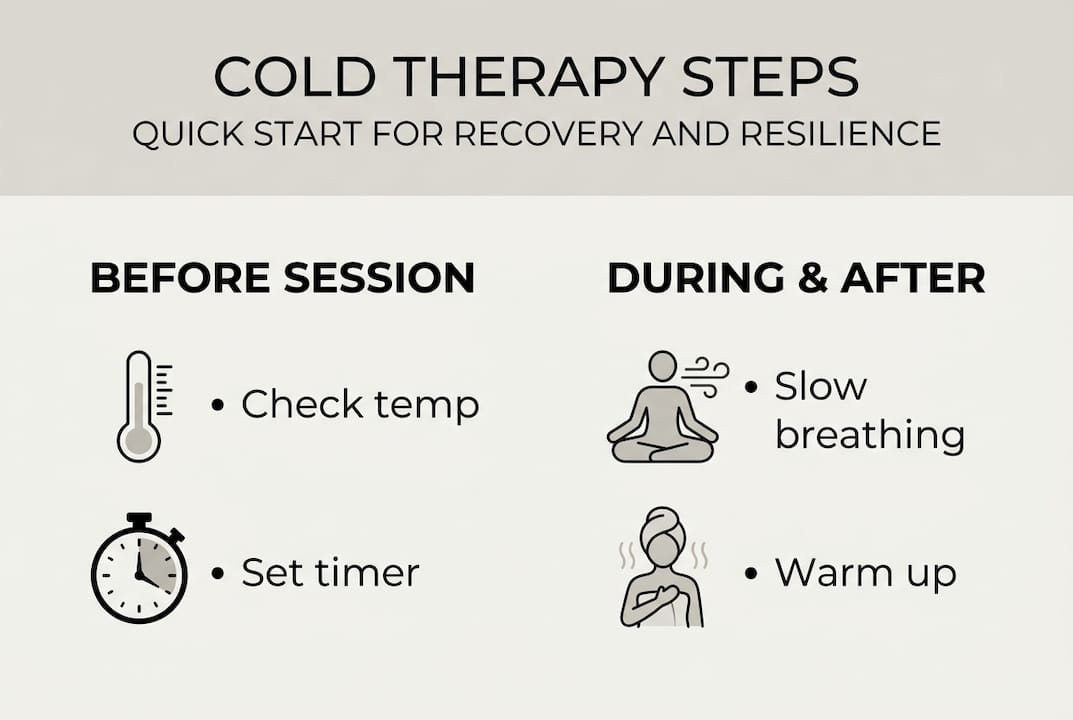
Follow these steps for a safe and effective ice bath session:
- Prepare your setup. Fill the tub, add ice, and confirm temperature with a thermometer before entering.
- Warm up mentally. Take 3–5 slow, deep breaths before getting in. This primes your nervous system.
- Enter slowly. Lower yourself in stages, starting with your legs, then torso. Don’t jump in.
- Control your breathing. The cold shock response will spike your breath rate. Focus on slow exhales to calm it down.
- Stay still. Moving increases heat loss faster than most beginners expect. Stay calm and minimize movement.
- Exit and warm naturally. Get out, dry off, and let your body rewarm on its own. Avoid hot showers immediately after.
- Track your response. Note how you feel 30 minutes and 2 hours post-session to guide future adjustments.
Pro Tip: Pair cold exposure with box breathing (4 counts in, 4 hold, 4 out, 4 hold) during your session. This combination amplifies the mental resilience benefit and makes longer sessions more manageable. Check out our cold plunge routine guide for full weekly programming.
To progress safely, add 30 seconds to your session each week or drop the temperature by 1–2°F every 7–10 days. Never chase discomfort for its own sake. Adaptation is the goal, not suffering.
For additional cryotherapy evidence on outcomes across different populations and training types, the research base continues to grow in favor of structured cold protocols.
Troubleshooting, common mistakes, and when to avoid cold therapy
Even experienced cold therapy users make mistakes that limit results or create unnecessary risk. Knowing what to watch for keeps your practice safe and effective.
The most common errors include:
- Going too cold too soon. Beginners who start at advanced temperatures often quit after one session. Start at 55–59°F and build from there.
- Staying in too long. More time doesn’t mean more benefit. Beyond 15 minutes, the risk of hypothermia rises without added recovery gain.
- Using cold therapy when sick. Cold immersion stresses the immune system. Skip sessions if you have a fever or active infection.
- Plunging right after strength training when hypertrophy is the goal. Cold therapy can blunt the anabolic signaling that drives muscle growth. Time your sessions carefully.
- Skipping aftercare. Rewarming matters. Dress warmly, eat something, and give your body 20–30 minutes to stabilize.
For specific ice bath mistakes to avoid, including timing errors around training blocks, our guide breaks down the most common pitfalls in detail.
If you experience excessive chills or prolonged shivering after a session, shorten your next session by 2 minutes and raise the temperature slightly. Skin redness is normal and temporary. Persistent numbness or tingling that lasts more than 10 minutes post-session is a signal to pause and reassess.
Pro Tip: Your post-session feeling is your best feedback tool. If you feel energized and clear-headed, the session was calibrated well. If you feel wiped out or irritable, you went too hard. Adjust based on that signal, not on what someone else is doing.
On the injury side, updated injury protocols have moved away from the old RICE method. The newer PEACE & LOVE framework advises against routine ice for most injuries, recognizing that inflammation is part of the healing process. Cold therapy still has a role in pain management, but cryotherapy shows only minor benefits on pain (MD -0.77) with low certainty for functional recovery in postoperative settings.
Important: Do not use cold therapy as a first-line treatment on heavy muscle-building days or after acute injury without guidance from a sports medicine professional. The context matters enormously.
Cold therapy for mental resilience and emotional toughness
The physical benefits get most of the attention, but the mental edge cold therapy builds is just as powerful. Every time you choose to enter cold water, you’re practicing deliberate discomfort, which is one of the most transferable skills in sport and life.
On the neurochemical side, cold exposure triggers norepinephrine and dopamine release, two neurotransmitters central to focus, motivation, and stress regulation. Norepinephrine can spike by 200–300% during cold immersion. That’s not a subtle effect.
Practicing cold exposure 3–4 times per week builds what researchers call “stress inoculation,” meaning your nervous system becomes better at handling acute stress without overreacting. This carries over directly to high-pressure training, competition, and daily life. For a deeper look at how this works, our piece on cold plunge for resilience covers the nervous system science in full.
Here are practical ways to build mental toughness through cold therapy:
- Set a clear intention before each session. Decide what you’re training: focus, calm, or grit.
- Use breathwork as your anchor. Slow exhales during the cold shock response teach your nervous system to stay regulated under pressure.
- Resist the urge to exit early. Staying in for the planned duration, even when uncomfortable, is the rep that builds mental strength.
- Reflect after each session. Thirty seconds of quiet reflection on how you handled the discomfort reinforces the psychological adaptation.
- Track your mindset shifts over weeks. Most people notice improved stress tolerance and emotional steadiness within 3–4 weeks of consistent practice.
Elite athletes don’t just use cold therapy for sore muscles. They use it to train their minds to stay sharp when everything in their body is screaming to quit.
Ready to experience cold therapy? Get started with the best equipment
You now have the protocols, the science, and the safety framework. The next step is having the right setup to make cold therapy a consistent part of your routine.
At Coldture, we design cold plunges and recovery systems built for real performance demands, not just occasional use. Whether you’re setting up a home recovery space or outfitting a commercial gym, our portable cold plunge options make it easy to start without a permanent installation. For those ready to invest in a full recovery ecosystem, you can buy a cold plunge with precise temperature control, filtration, and durable construction that holds up to daily use. Pair your cold plunge with one of our sauna and cold therapy bundles to get the full contrast therapy benefit, which research increasingly supports for both physical recovery and mental performance.
Frequently asked questions
How cold should the water be for effective cold therapy?
For muscle recovery, target 50–59°F (10–15°C) for 10–15 minutes per session. Optimal CWI protocols show that colder water (41–50°F) works best for CK levels and jump performance, while slightly warmer ranges target DOMS more effectively.
Is cold therapy safe for everyone?
Most healthy adults can use cold therapy safely with proper protocols. People with cardiovascular conditions, Raynaud’s syndrome, or circulatory disorders should get medical clearance first, as cold plunge safety guidelines make clear.
How often should I do cold therapy for best results?
Beginners should aim for 2–3 sessions per week, while advanced users can increase to 4–5 sessions. Consistency over weeks matters more than session frequency in any single week.
Does cold therapy help mental toughness?
Yes. Regular cold exposure boosts norepinephrine and dopamine significantly, improving focus, stress tolerance, and emotional resilience with consistent practice over 3–4 weeks.
Should I use cold therapy right after an injury?
Not routinely. Updated injury guidelines have replaced RICE with the PEACE & LOVE framework, which advises against routine ice for most injuries. Cold therapy can help manage pain but should not be the default first response to acute injury.
Share:
Why recovery is vital for peak performance in 2026
Top recovery methods to boost wellness and performance