

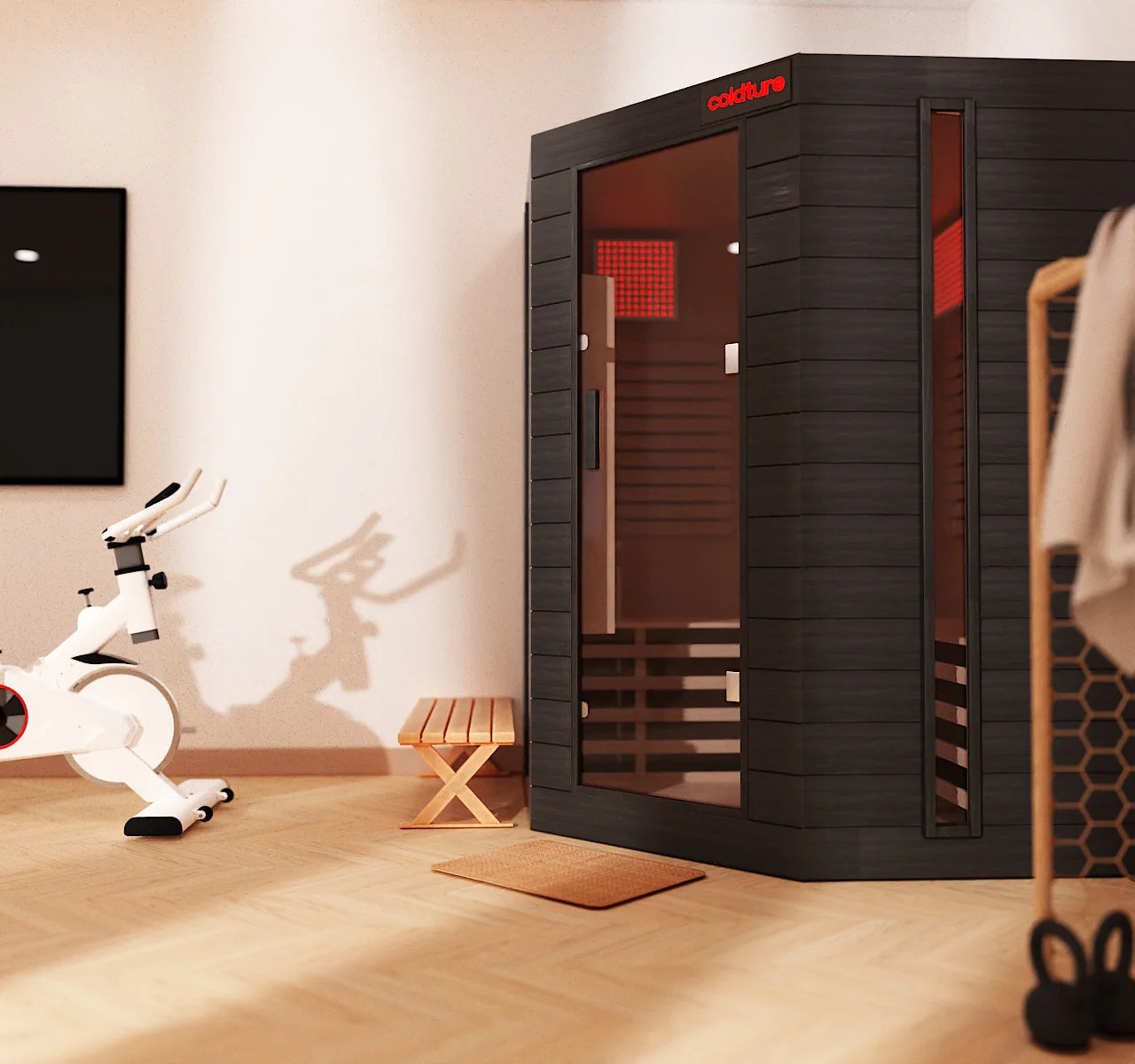
Choosing the right luxury wellness features for your home is genuinely complex. The market has exploded with options ranging from infrared saunas and cold plunges to circadian lighting and biophilic living walls, and the challenge isn’t finding choices. It’s knowing which combinations deliver daily health benefits, complement your home’s design, and hold their value for years. This guide walks through the most impactful luxury wellness amenities available today, compares their costs and benefits, and gives you a clear framework for building a sanctuary that works as hard as you do.
Table of Contents
- Criteria for selecting luxury home wellness amenities
- Essential luxury wellness features: From saunas to circadian lighting
- Contrast therapy: The ultimate recovery experience at home
- Integrating wellness into every room: Biophilic and invisible upgrades
- Wellness features for every scenario: Location, lifestyle, and future trends
- Our perspective: What most luxury wellness plans get wrong
- Create your ultimate home wellness retreat
- Frequently asked questions
Key Takeaways
| Point | Details |
|---|---|
| Wellness boosts home value | Luxury wellness upgrades can add up to 25% in resale value and help homes sell faster. |
| Contrast therapy leads recovery | A dedicated hot-cold-rest suite is the signature amenity for premium home wellness. |
| Invisible upgrades matter most | Air and light purification deliver daily health benefits and retain strong ROI over time. |
| Customization is key | Tailor amenities to climate, lifestyle, and future trends to maximize value and enjoyment. |
Criteria for selecting luxury home wellness amenities
The home wellness market isn’t a niche anymore. The wellness real estate sector was valued at $548.4 billion in 2024, growing at a remarkable 19.5% annually between 2019 and 2024. That kind of momentum reflects a real shift in how affluent buyers think about their homes. A house is no longer just a place to sleep. It’s a performance environment.
Before you start pricing out equipment, get clear on your selection criteria. The best luxury wellness investments share a few consistent traits:
- Design integration: Features that blend with your home’s architecture rather than looking like afterthoughts. A cold plunge that looks like a sculptural tub beats a plastic barrel every time.
- Versatility: Amenities that serve both active recovery and passive relaxation give you more daily use and broader appeal to future buyers.
- Return on investment: Some features add measurable resale value. Others are personal luxuries. Know which is which before you commit.
- Future-proofing: Technology evolves fast. Prioritize systems that can be upgraded or integrated with smart home platforms without a full renovation.
- Climate and location fit: A steam room makes different sense in Arizona than it does in coastal Maine. Your geography shapes what delivers the most value.
Pro Tip: Before finalizing your wellness plan, consult both a wellness architect and a luxury realtor. Architects can help you design for daily usability, while realtors can tell you which features command the strongest premiums in your specific market.
Essential luxury wellness features: From saunas to circadian lighting
Armed with your selection criteria, let’s look at the specific features that consistently deliver luxury, wellness, and long-term value.
The core amenities for a premium home wellness suite include infrared saunas (typically $7,000 to $10,000), cold plunges, steam showers and rooms, red light therapy panels, massage chairs, dedicated home gyms (400 to 800 square feet), air and water purification systems, and circadian lighting. Each serves a distinct purpose in your recovery and relaxation ecosystem.
Stat callout: Luxury homes with wellness features command 5 to 25% higher resale premiums and sell approximately 12 days faster than comparable listings without them.
Here’s a quick comparison of the most popular features by investment level and primary benefit:
| Feature | Estimated cost | Primary benefit | Space required |
|---|---|---|---|
| Infrared sauna | $7,000 to $10,000 | Detox, recovery, stress relief | 4x6 ft minimum |
| Cold plunge | $5,000 to $15,000 | Inflammation reduction, alertness | 6x3 ft minimum |
| Steam room | $3,000 to $8,000 | Respiratory health, relaxation | 4x4 ft minimum |
| Red light therapy | $500 to $5,000 | Cellular recovery, skin health | Wall-mounted |
| Home gym | $20,000 to $100,000+ | Fitness, strength, endurance | 400 to 800 sq ft |
| Air purification | $2,000 to $10,000 | Allergy reduction, sleep quality | Whole-home |
| Circadian lighting | $5,000 to $20,000 | Sleep optimization, mood | Whole-home |
The sauna benefits alone justify the investment for most homeowners. Regular sauna use is linked to improved cardiovascular health, reduced cortisol, and better sleep quality. When you layer in cold plunge access and red light therapy, you’re creating a recovery environment that rivals what elite athletes use in professional facilities.
Biophilic design elements, meaning features that connect your interior environment to nature, can add 5 to 15% to the value of a $2 million home, translating to $100,000 to $300,000 in premium. That’s not a rounding error. It’s a serious financial case for investing in living walls, natural stone finishes, and indoor water features alongside your recovery equipment.
Contrast therapy: The ultimate recovery experience at home
Among the most impactful investments is a dedicated contrast therapy suite. Here’s how you can bring this spa-level routine to your own space.
Contrast therapy alternates between heat and cold exposure in deliberate cycles. A typical protocol uses a sauna at 120 to 195°F for 10 to 25 minutes, followed immediately by a cold plunge at 39 to 60°F for 1 to 5 minutes, repeated 2 to 4 cycles and ending on cold. The physiological effect is powerful. Heat causes vasodilation, expanding blood vessels and driving circulation. Cold causes vasoconstriction, pushing blood back to the core. This pumping action reduces inflammation, clears metabolic waste from muscles, and triggers a significant dopamine and norepinephrine release that leaves you feeling sharp and energized for hours.
Here’s a practical protocol for your home contrast therapy sessions:
- Hydrate first: Drink 16 to 20 ounces of water before starting. You’ll lose fluid quickly in the sauna.
- Sauna, 15 to 20 minutes: Set your infrared sauna to 140 to 160°F or your traditional sauna to 175 to 195°F. Focus on breathing and letting your muscles relax completely.
- Cold plunge, 2 to 3 minutes: Enter the cold plunge at 50 to 55°F. Control your breathing. The first 30 seconds are the hardest.
- Rest, 5 to 10 minutes: Sit or lie down in a neutral-temperature space. Let your body regulate before the next cycle.
- Repeat 2 to 3 more cycles: Each cycle builds on the last. Most people find their third cycle the most mentally clarifying.
- End on cold: This is non-negotiable for recovery purposes. Ending on cold locks in the anti-inflammatory benefits and the norepinephrine boost.
For the design of your contrast suite, proximity is everything. Position your sauna and cold plunge within 10 feet of each other. Every extra step between them reduces the thermal contrast effect and adds friction that will eventually make you skip sessions. Use non-slip natural stone or textured tile flooring throughout, install proper ventilation in the sauna room, and choose natural materials like teak or cedar for benches and surrounds.
| Feature | Sauna | Cold plunge |
|---|---|---|
| Temperature range | 120 to 195°F | 39 to 60°F |
| Session length | 10 to 25 minutes | 1 to 5 minutes |
| Primary benefit | Circulation, relaxation, detox | Inflammation reduction, alertness |
| Space needed | 4x6 ft minimum | 6x3 ft minimum |
| Ideal placement | Adjacent to plunge | Adjacent to sauna |
Learning how to do contrast therapy properly makes a measurable difference in your results. If you’re an athlete or high-performer, pairing your suite with structured cold plunge routines and a sauna health checklist ensures you’re getting maximum benefit from every session. Even those focused on climbing performance routines or other precision sports find contrast therapy accelerates recovery between training days.
Pro Tip: Add a massage chair or a red light therapy panel to your rest phase area. The 5 to 10 minutes between contrast cycles is the perfect window for passive recovery tools to compound the benefits.
Integrating wellness into every room: Biophilic and invisible upgrades
Beyond the core amenities, luxury wellness can become a way-of-life upgrade that flows throughout each area of your home.
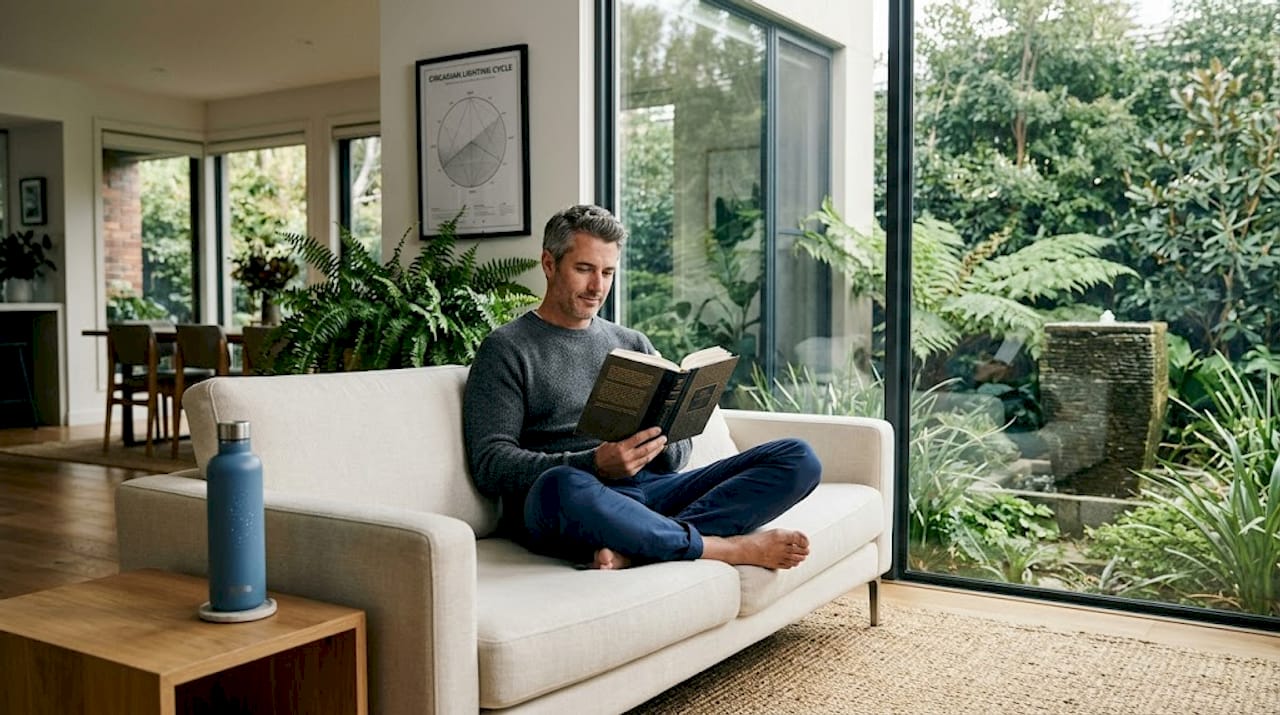
Biophilic design is the practice of incorporating natural elements into your built environment to reduce stress, improve cognitive function, and support overall health. In practical terms, this means living walls with real plants, indoor water features like recirculating stone fountains, natural wood and stone surfaces, and maximizing natural light through strategic window placement and skylights. These aren’t decorative choices. They’re health infrastructure.
The invisible wellness upgrades are often the most impactful on a daily basis. Consider these high-priority integrations:
- Whole-home air purification: HEPA and activated carbon systems that remove particulates, VOCs, and allergens. In cities with high pollen counts or pollution, this is a daily quality-of-life upgrade that guests notice immediately.
- Structured water filtration: Under-sink and whole-home systems that remove chlorine, heavy metals, and microplastics. The difference in taste and skin feel is immediate and noticeable.
- Circadian lighting systems: Tunable LED systems that shift from cool, energizing blue-white light in the morning to warm amber tones in the evening. These systems work with your body’s natural cortisol and melatonin rhythms to improve sleep quality without any effort on your part.
- Smart home automation: Linking your wellness systems through a single platform means your sauna can preheat before you finish your workout, your lighting can shift automatically at sunset, and your air purifier can respond to indoor air quality sensors in real time.
Pro Tip: If you’re prioritizing ROI alongside health benefits, start with air purification and circadian lighting. Air quality systems deliver 60 to 80% ROI and have broad appeal to buyers across all demographics, while circadian lighting upgrades are increasingly expected in premium listings.
Low-VOC paints, natural fiber textiles, and formaldehyde-free cabinetry round out the picture. These choices reduce your home’s chemical load passively, every single day. True luxury wellness isn’t just the equipment you use for 30 minutes. It’s the environment you live in for 24 hours.
Wellness features for every scenario: Location, lifestyle, and future trends
Your luxury wellness experience isn’t static. It’s shaped by your geography, family needs, and awareness of where home design is headed next.
Coastal homeowners face specific challenges. Salt air accelerates corrosion, which means your cold plunge, sauna hardware, and outdoor shower fixtures need to be specified with marine-grade or salt-resistant materials. Frost-proof outdoor showers and UV-resistant finishes are non-negotiable in oceanfront properties. Mountain properties at altitude present a different set of considerations. Oxygen enrichment systems, which supplement indoor oxygen levels to counteract the effects of elevation on sleep and recovery, are gaining traction in high-altitude luxury markets. Urban homeowners working with compact footprints can still build serious wellness suites. Bathtub cold plunge conversions, compact infrared saunas designed for single-occupancy use, and wall-mounted red light therapy panels make high-performance recovery possible even in a 1,500-square-foot penthouse.
Looking ahead, the wellness economy is being driven heavily by millennial and Gen Z affluent buyers who see health optimization as a non-negotiable lifestyle element, not a luxury add-on. This demographic is fueling a $2 trillion wellness economy and actively seeking homes that reflect their values.
Here’s how to think about enduring versus trend-sensitive investments:
- Enduring: Steam showers, air purification, water filtration, circadian lighting, infrared saunas, home gyms. These have broad appeal across buyer demographics and deliver consistent daily value.
- Trend-sensitive but gaining permanence: Cold plunges and red light therapy. Both are moving from early-adopter status to mainstream expectation in the luxury segment.
- Monitor carefully: Biometric tracking integrations and AI-driven wellness systems. The technology is promising but evolving fast enough that over-investing in specific platforms now may require costly updates in three to five years.
Pro Tip: Automate your wellness systems through a unified home management platform. Buyers increasingly expect smart home integration, and systems that operate seamlessly without manual intervention command a meaningful premium at resale.
Our perspective: What most luxury wellness plans get wrong
After walking through all these possibilities, here’s what truly sets apart the most successful home wellness investments.
The most common mistake we see is optimizing for impressiveness rather than livability. A homeowner installs a stunning cold plunge suite with all the premium finishes, then uses it twice because the layout requires walking through three rooms in a wet towel to get there. Or they invest heavily in the latest biometric tracking technology, only to find the software is discontinued two years later. Impressive on a tour. Frustrating in daily life.
The second mistake is neglecting air and light. These are the wellness features that work while you sleep, while you cook, while you sit in a meeting on your laptop. A $3,000 whole-home air purification system will do more for your daily health than a $15,000 massage chair that you use twice a week. Yet most homeowners spend their wellness budget on the visible, photogenic equipment and treat air and light as afterthoughts.
The third mistake is chasing trends without considering resale. Cold plunges are genuinely valuable and here to stay, but a very specific cold plunge model that requires proprietary parts and a dedicated service technician is a liability when you sell. Choose equipment from brands with strong service networks and design that ages well.
The best luxury home wellness plans we’ve seen share a common philosophy: passive health infrastructure first, active recovery equipment second. Get your air, water, and light right. Then build your contrast therapy suite. Then layer in the tools that match your specific recovery and performance goals. That sequencing produces homes that feel genuinely restorative the moment you walk in, not just impressive when you show them off.
Create your ultimate home wellness retreat
Building a luxury wellness sanctuary at home is more achievable than most homeowners realize, especially when you start with the right equipment.
At Coldture, we design recovery and relaxation hardware specifically for homeowners who want professional-grade performance without compromising on aesthetics. Whether you’re building your first contrast therapy suite or upgrading an existing setup, our cold plunge collection offers beautifully engineered options that fit seamlessly into premium home environments. Pair them with our sauna collection for a complete hot-cold experience, and explore our red light therapy solutions to add cellular recovery to your daily routine. Every product is built for durability, ease of use, and the kind of design that belongs in a luxury home.
Frequently asked questions
Are luxury wellness features worth the investment for home value?
Wellness features can boost luxury home resale value by 5 to 25% and reduce time on market by nearly 12 days, making them one of the stronger home improvement investments available.
What is the optimal setup for a home contrast therapy suite?
Position your sauna and cold plunge within 10 feet of each other, use a 9 to 15kW heater for the sauna, and chill your plunge to 39 to 50°F for maximum contrast effect per cycle.
Which wellness features offer the best ROI for luxury homes?
Home gyms deliver 50 to 85% ROI and air purification systems return 60 to 80%, making both strong financial choices alongside their daily health benefits.
How do I future-proof luxury wellness investments against trends?
Prioritize timeless features like air quality systems, circadian lighting, and steam amenities, and avoid overcommitting to proprietary tech platforms that may not be supported in five years.
Share:
How to Improve Recovery: Advanced Techniques for Athletes
Why biohackers use saunas: science-backed benefits explained