

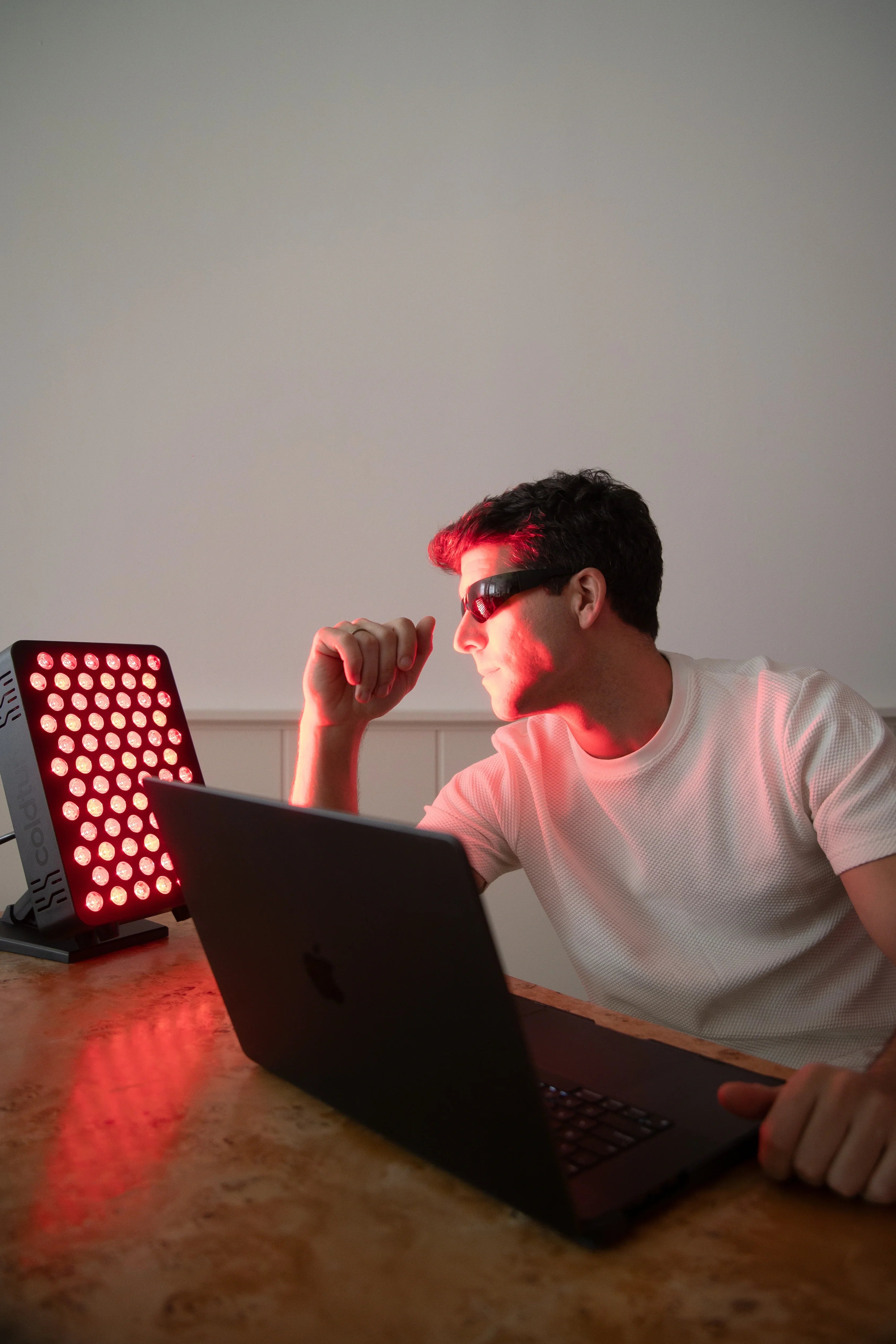
Red light therapy, clinically known as photobiomodulation (PBM), is a treatment that uses specific wavelengths of light between 600 and 940 nanometers to stimulate cellular function and promote healing. The benefits of red light therapy are now backed by a growing body of clinical evidence covering skin rejuvenation, pain relief, muscle recovery, and even neurological protection. A 2026 multidisciplinary consensus panel confirmed PBM as effective and safe for conditions including peripheral neuropathy, androgenic alopecia, and acute radiation dermatitis. This is not fringe wellness. It is a clinically recognized modality with FDA-authorized applications and an expanding research base that serious practitioners, athletes, and everyday people are putting to work.
What are the benefits of red light therapy?
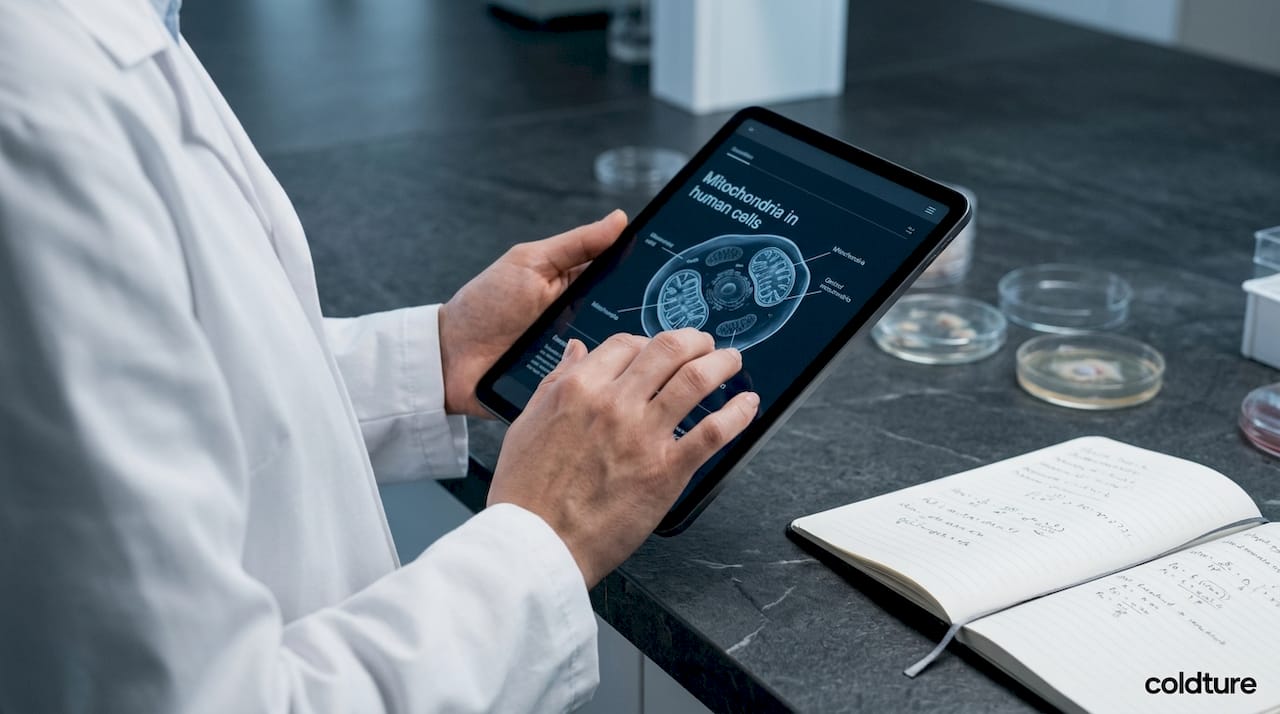
Red light therapy works by delivering photons into skin and underlying tissue, where they trigger a cascade of biological responses at the cellular level. The core mechanism involves cytochrome c oxidase, a protein complex in the mitochondria that absorbs red and near-infrared light and responds by producing more adenosine triphosphate (ATP). ATP is the cell’s primary energy currency, and more of it means faster repair, reduced inflammation, and better overall function.
The downstream effects are what make PBM so broadly applicable. Increased ATP production triggers reduced oxidative stress, improved local blood flow, and lower levels of pro-inflammatory cytokines. These are not cosmetic changes. They represent measurable shifts in how tissue behaves at a biological level. Wavelengths in the 600 to 700 nm range penetrate the skin’s surface and work well for dermatological applications, while 760 to 940 nm near-infrared wavelengths penetrate deeper into muscle, joint, and nerve tissue.
Effect size varies depending on the tissue condition, the device’s irradiance, and the treatment parameters used. A device that delivers insufficient power density will not produce the same cellular response as one calibrated to clinical thresholds. This is why the quality of your equipment matters as much as the consistency of your practice.
Pro Tip: Position your device at the manufacturer-specified distance from the skin. Moving it even a few inches further away can reduce irradiance significantly, cutting the therapeutic dose your cells actually receive.
What are the clinically proven benefits for skin and hair?
The skin and hair evidence for red light therapy is among the most developed in the field. A 2026 dermatology review summarizing multiple randomized controlled trials found consistent improvements in acne inflammation, fine wrinkle reduction from photoaging, and increased terminal hair density with red and near-infrared LED therapy. These are not anecdotal reports. They are controlled trial findings.
Here is what the clinical evidence specifically supports:
- Photoaging and wrinkles: Red light stimulates fibroblast activity, which increases collagen and elastin production. The result is measurable reduction in fine lines and improved skin texture over a course of treatments.
- Acne inflammation: PBM reduces the inflammatory response associated with acne lesions without the side effects of topical antibiotics or retinoids.
- Androgenetic alopecia: Multiple trials show increased terminal hair density in both men and women using red light devices designed for scalp application. The mechanism involves improved follicle circulation and reduced follicular inflammation.
- Wound healing: PBM has plausible biological effects on wound repair, though a 2026 systematic review of 11 RCTs found high heterogeneity in outcomes for venous leg ulcers, meaning results are condition-specific and not universal.
- Safety profile: Red light therapy does not cause DNA damage. For certain skin types, photoprotection is recommended as a precaution, but the overall safety record is strong compared with more aggressive dermatological procedures like laser resurfacing or chemical peels.
For skin treatment, modest but measurable improvements are the realistic expectation. PBM is not a replacement for medical dermatology, but it is a genuinely useful adjunct that carries far less risk than most alternatives.
How does red light therapy support recovery and pain management?
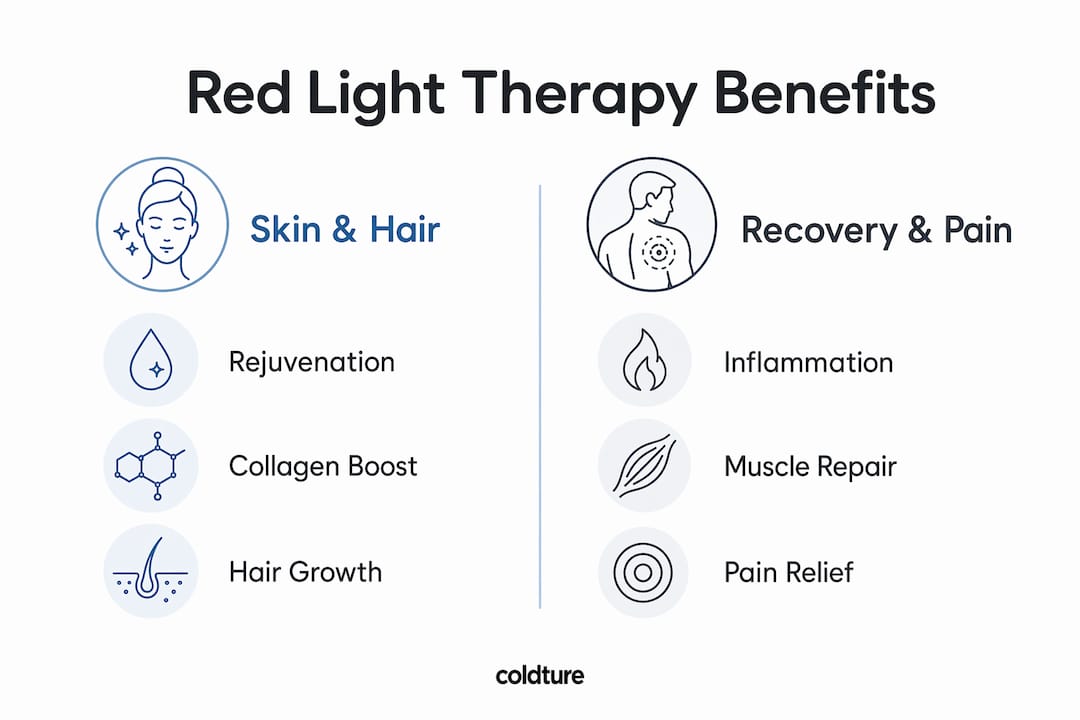
Recovery is where many athletes and active individuals first encounter PBM, and the clinical evidence here is compelling. The 2026 consensus guideline specifically validates PBM for peripheral neuropathy and musculoskeletal pain, two of the most common reasons people seek it out. The anti-inflammatory and ATP-boosting mechanisms translate directly into faster tissue repair and reduced pain signaling.
For structured recovery goals, here is how to think about the evidence:
- Muscle recovery: PBM applied before or after intense exercise reduces markers of muscle damage and speeds return to baseline performance. This is why professional sports organizations and Olympic teams have integrated light therapy into their recovery protocols.
- Pain management: Musculoskeletal and neuropathic pain both respond to PBM through reduced inflammation and improved nerve conduction. The effect is cumulative, meaning consistent sessions produce better results than occasional use.
- Systemic recovery: A 2022 randomized trial in Brazil found that severe COVID-19 patients receiving daily red light therapy left the hospital nearly four days earlier than controls. This points to broader systemic recovery potential beyond localized tissue repair.
- Brain health: Emerging research suggests PBM may protect dopamine neurons and improve aging markers in the brain, though delivering sufficient light through the skull remains a technical challenge that limits current applications.
Pro Tip: For muscle recovery, apply red light therapy within 30 minutes after training. The anti-inflammatory window is widest immediately post-exercise, and early intervention reduces delayed onset muscle soreness more effectively than waiting until the next day.
For athletes looking to go deeper on this topic, Coldture’s athlete recovery guide covers how PBM integrates with broader sports performance protocols.
What types of red light therapy devices are available?
Not all red light therapy units are created equal. The market ranges from clinical-grade panels used by medical professionals to low-irradiance consumer gadgets that may not deliver a therapeutic dose. Understanding the differences protects your investment and your results.
| Device type | Mechanism | Best for | Limitations |
|---|---|---|---|
| LED panels (home use) | Broad-area light delivery via diode arrays | Skin, hair, general recovery | Irradiance varies widely; many lack independent validation |
| Laser PBM devices | Focused coherent light | Targeted tissue repair, clinical settings | Higher cost; requires professional supervision |
| Handheld LED devices | Localized treatment | Spot treatment for joints or skin | Limited coverage area; often underpowered |
| Full-body LED systems | Whole-body simultaneous exposure | Systemic recovery, full-skin treatment | Higher upfront cost; space requirements |
A review of 16 controlled studies found that both LED and laser PBM promote cellular effects for tissue repair, with lasers sometimes showing quantitatively superior outcomes in parameters like collagen deposition and blood vessel density. For home users, high-quality LED panels remain the practical standard because they are accessible, safe, and effective when properly specified.
The critical issue with consumer devices is irradiance. A 2026 Nature report flagged that many at-home devices lack independent validation and may not meet the power density thresholds demonstrated in clinical studies. This means the device’s claimed wavelength and wattage may not reflect what actually reaches your tissue. Look for devices with third-party testing, published irradiance data at specified distances, and wavelengths confirmed to fall within the 630 to 850 nm therapeutic range.
How can you safely and effectively use red light therapy at home?
Getting results from red light therapy comes down to consistency, correct dosing, and smart integration with the rest of your wellness routine. The biology is real, but it requires the right conditions to produce the outcomes you are after.
- Session frequency: Clinical guidelines recommend 3 to 5 sessions per week, with each session lasting 10 to 20 minutes. Skin goals may require longer initial phases of daily use, while recovery applications often respond well to post-training sessions three to four times weekly.
- Device positioning: Follow the manufacturer’s specified distance. Most therapeutic LED panels are calibrated for use between 6 and 12 inches from the skin. Closer is not always better since some devices produce heat at short range.
- Eye protection: Wear appropriate eye protection during sessions. The light is not a laser, but prolonged direct exposure to high-intensity LEDs is not recommended.
- Skin preparation: Clean, dry skin without heavy creams or sunscreen allows maximum light penetration. Some topical products can reflect or absorb light before it reaches the target tissue.
- Contrast therapy pairing: Combining red light therapy with cold plunge or sauna sessions amplifies recovery outcomes. Cold reduces acute inflammation while PBM supports cellular repair. Heat improves circulation and primes tissue for light absorption. The sequence matters: many practitioners use red light before cold exposure to maximize the anti-inflammatory synergy.
- Realistic timelines: Skin improvements typically become visible after 4 to 8 weeks of consistent use. Recovery benefits often appear faster, sometimes within days of regular post-training sessions.
The most common mistake people make is inconsistency. PBM is a cumulative therapy. Missing sessions resets progress more than most users realize.

Key takeaways
Red light therapy produces real, measurable benefits for skin health, pain management, and recovery when delivered at the correct dose with a validated device.
| Point | Details |
|---|---|
| Mechanism is cellular | PBM stimulates mitochondria to produce more ATP, reducing inflammation and accelerating tissue repair. |
| Skin and hair benefits are evidence-based | Clinical trials confirm improvements in photoaging, acne, and hair density with consistent LED therapy. |
| Recovery applications are clinically validated | PBM is guideline-approved for peripheral neuropathy, musculoskeletal pain, and post-exercise recovery. |
| Device quality determines outcomes | Many consumer devices lack independent validation; irradiance and wavelength accuracy are non-negotiable. |
| Consistency drives results | Three to five sessions per week over multiple weeks is the minimum effective protocol for most goals. |
What I’ve learned after building recovery tools from the ground up
When we started Coldture, the focus was cold. Ice baths, breathwork, the discipline of discomfort. Red light therapy was not on the roadmap. Then we started hearing the same thing from the athletes and coaches we work with: they were using PBM alongside cold and heat, and the combination was producing results that none of the three modalities achieved alone.
That got my attention. So we went deep on the research before we ever built a product. What I found was a field with genuinely strong science in specific areas and a lot of noise everywhere else. The honest truth is that red light therapy is not a cure-all. The benefits depend heavily on the condition being treated, the device being used, and whether the person is actually dosing correctly. Most people using cheap consumer panels are not hitting therapeutic thresholds. They are getting some benefit, maybe, but not what the clinical literature actually demonstrates.
What I believe works is this: a quality full-body panel with validated irradiance, used consistently three to five times a week, paired with cold and heat as part of a complete recovery system. The synergy between these modalities is where the real results live. Cold reduces acute inflammation. Sauna drives circulation and heat shock proteins. Red light supports cellular repair at a level the other two cannot reach. Together, they cover the full recovery spectrum.
I am also watching the neurological research closely. The idea that PBM might protect brain health and support cognitive function as we age is one of the most interesting directions in the field right now. It is early, but the mechanism is plausible and the stakes are high enough to pay attention.
My advice: be skeptical of dramatic claims, invest in equipment that has been independently tested, and treat PBM as a long-game practice rather than a quick fix.
— Daniel
Explore Coldture’s red light therapy systems
Coldture built its red light therapy line the same way it built its cold plunge systems: starting with the clinical evidence and working backward to the product. The Coldture red light therapy collection includes full-body panels and targeted systems designed to meet the irradiance and wavelength specifications that clinical research actually supports. For those looking to build a complete recovery ecosystem, Coldture’s recovery bundles combine red light therapy with cold plunge and sauna products. This is the contrast therapy stack that professional athletes and Olympic teams use, now available for home practitioners who want results without compromise.
FAQ
What is red light therapy used for?
Red light therapy is used for skin rejuvenation, hair growth, pain management, and muscle recovery. A 2026 clinical consensus confirmed its effectiveness for peripheral neuropathy, androgenic alopecia, and radiation dermatitis.
How long does it take to see results from red light therapy?
Skin improvements typically appear after 4 to 8 weeks of consistent use. Recovery and pain relief benefits can appear within days when sessions are performed three to five times per week at the correct dose.
Is red light therapy safe for home use?
Red light therapy does not cause DNA damage and has a strong safety record. Home users should wear eye protection, follow device distance guidelines, and choose panels with independent irradiance validation to confirm therapeutic dosing.
What wavelength is most effective for red light therapy?
Wavelengths between 630 and 700 nm are most effective for skin applications, while 760 to 940 nm near-infrared wavelengths penetrate deeper into muscle and nerve tissue for recovery and pain management.
Can red light therapy be combined with cold plunge or sauna?
Yes. Combining PBM with cold exposure and heat therapy creates a contrast recovery protocol that addresses inflammation, circulation, and cellular repair simultaneously. Many practitioners apply red light therapy before or between cold and heat sessions for maximum benefit.
Share:
Cold Plunge Mistakes to Avoid for Better Results
Cold Plunge Temperature, Time, and Frequency: A Complete Guide