

learn
explore wellness, recovery, and the habits that help you feel better for longer.
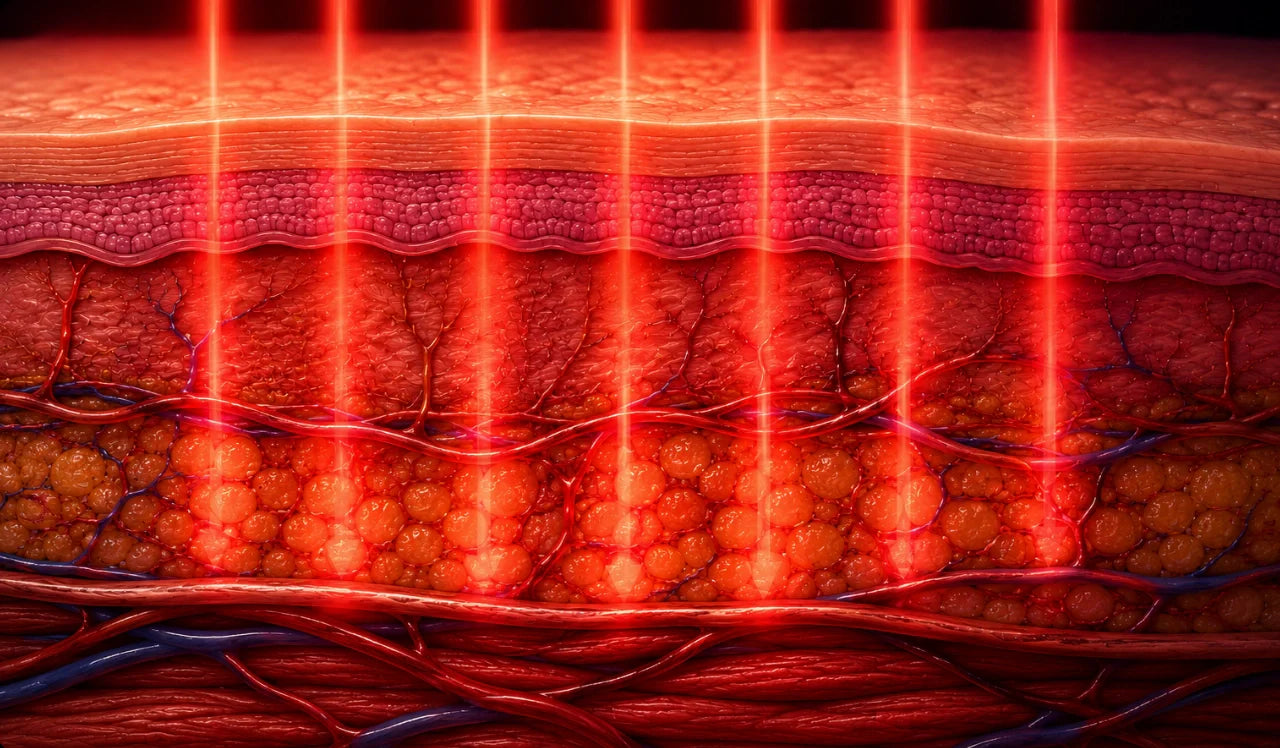
Infrared Light vs. Infrared Sauna: Why They Are Not the Same Thing
Infrared light therapy and infrared saunas share a word but produce completely different biological responses. Light therapy is precise, activating mitochondrial repair in targeted tissue without raising body temperature. An infrared sauna is systemic, driving a whole-body heat stress response. One works like a scalpel, the other like a furnace. Here is what each one does and when to use it.

Hot Tub vs. Sauna: What Researchers Found When They Compared Them Head to Head
Researchers at the University of Oregon compared hot tubs and saunas head to head. The hot tub won the single session, raising core temperature more effectively and producing stronger acute immune responses. But the sauna has something the hot tub does not: 20-plus years of longitudinal data on cardiovascular and cognitive outcomes. Here is what each one does best, and why the real question is what you are optimising for.
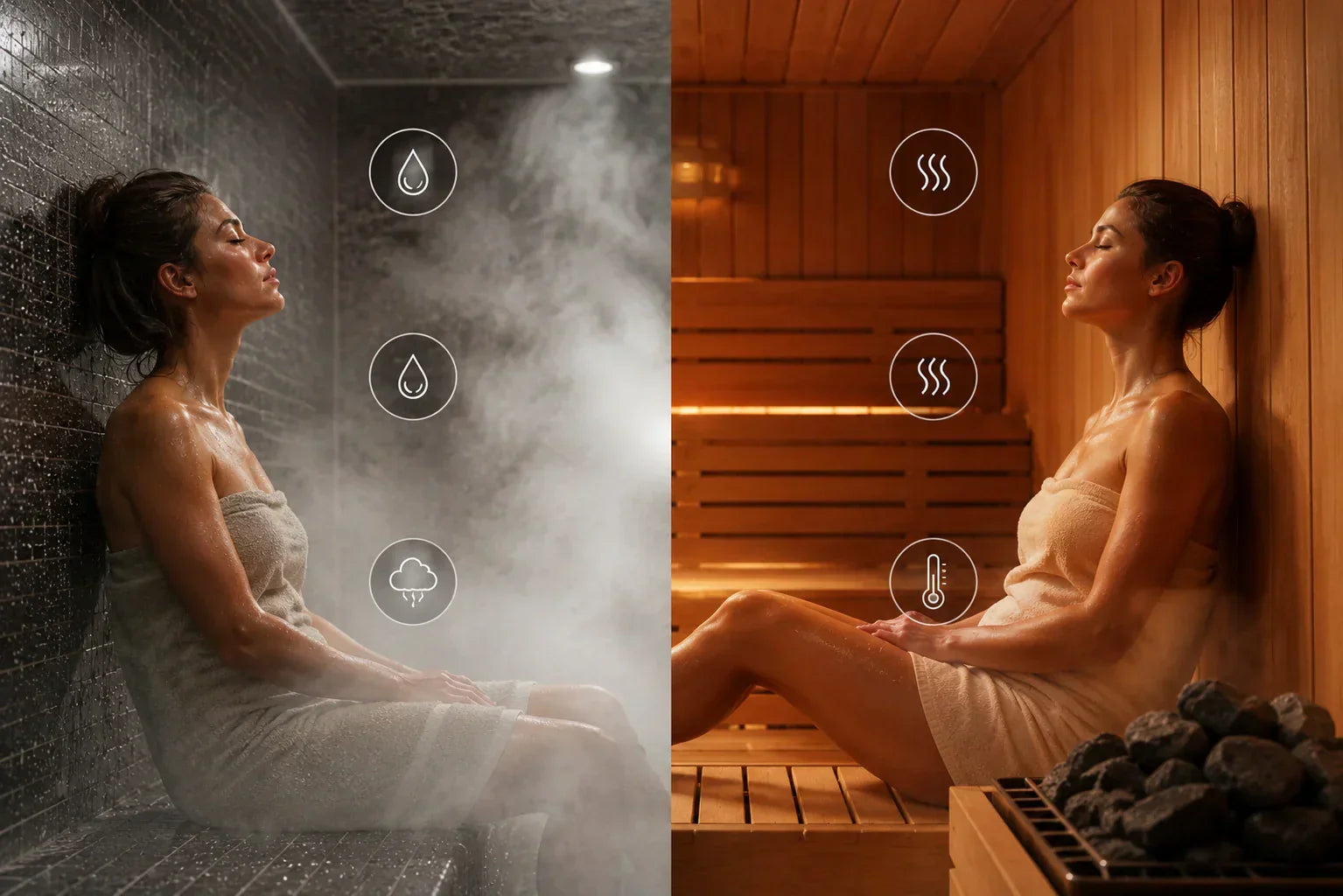
Steam Room vs Sauna: Which Is Better for You
Steam room or sauna? One is wet heat, the other dry. Here is how they compare on feel, research, maintenance, and which makes more sense to own at home.
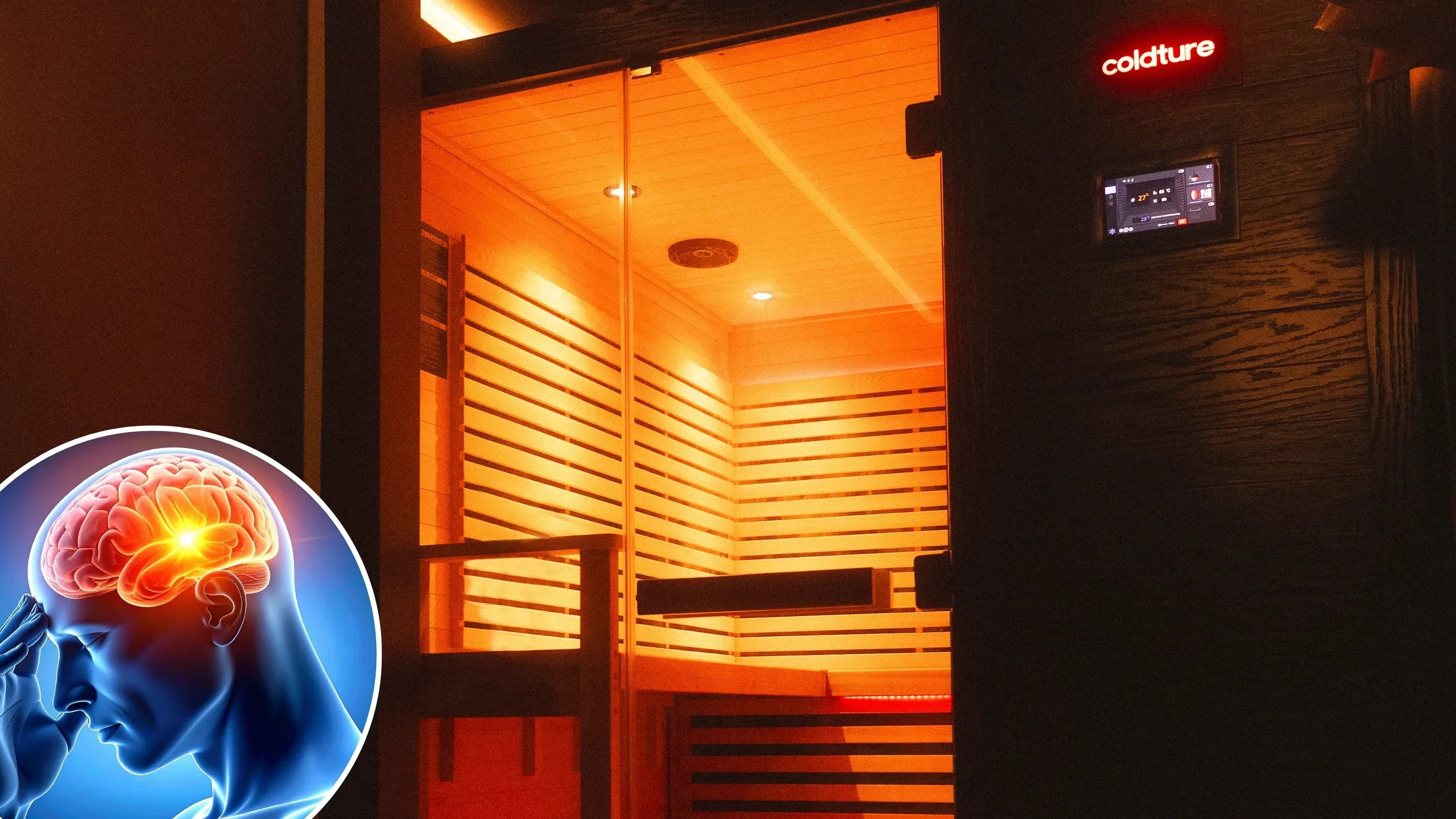
Sauna Use and Dementia Risk: What a 20-Year Study of 2,315 Men Actually Found
The KIHD study out of Finland tracked 2,315 men over 20.7 years and found that sauna frequency was one of the most robust predictors of dementia risk ever recorded in the dataset. Men using a sauna four to seven times per week showed a 66 percent lower risk of dementia compared to men using it once a week. Here is what the research shows, how the mechanisms work, and why frequency matters more than almost anything else.