

learn
explore wellness, recovery, and the habits that help you feel better for longer.

Most Sauna Studies Only Tracked Men. Here Is What Research on Women Shows.
The landmark sauna studies only followed men. When women were included, frequent sauna use was linked to a 61% lower stroke risk, as strongly in women as in men. Here is what research on women has actually found, and what has not been tested yet.

How Often Should You Use a Sauna? What Once a Week vs 4 to 7 Times a Week Is Linked To
Finnish men who used the sauna 4 to 7 times a week had a 63% lower risk of sudden cardiac death, 40% lower all-cause mortality, and 66% lower dementia risk than once-a-week users. Here is the frequency data side by side, and how to build toward most days.

Why Sauna May Be the Most Underrated Longevity Tool
A 21-year Finnish study of 2,315 men found that frequent sauna use was associated with 63% fewer sudden cardiac deaths and roughly 40% lower all-cause mortality. Here is what the research supports, how the mechanism works, and how to build a protocol around it.

Can a Sauna Help You Catch Fewer Colds? What the Research Shows
In a six-month study, regular sauna users caught 33 colds to the control group's 46, but the difference only appeared in the last three months. Here is what the research shows, where it falls short, and why fall is the time to start.

Sauna, Belonging, and Mental Health: The Research Behind the Ritual
A 2026 UK study of 1,907 sauna-goers found that weekly users reported the strongest mental health benefits, and that much of the link ran through belonging. Here is what the research found, where its limits are, and how to build the ritual at home.

What a Sauna Does to Your Brain in One Session, Six Weeks, and 20 Years
A sauna affects your brain on three timelines: the alertness you feel in the session, mood effects that lasted six weeks in one clinical trial, and a 66% lower dementia risk over 20 years in Finnish men. Here is what has been measured, and what has not.

45 Minutes in an Infrared Sauna, Measured Minute by Minute
Researchers tracked 12 people through 45 minutes in a 65°C infrared sauna. Heart rate doubled. Core temperature rose 1.4°C. Sweat hit 1.4 litres per hour. Here is the full sequence, why the timing matters, and what it means for your protocol.

The Longevity Case for Sauna: What the Largest Study Ever Conducted Found
A 21-year Finnish study of 2,315 men found that frequent sauna use was associated with 63% fewer sudden cardiac deaths and roughly 40% lower all-cause mortality. Here is what the research supports, how the mechanism works, and how to build a protocol around it.

Why There Is Red Light in Your Infrared Sauna (and What the Research Supports)
Infrared heat and red light therapy are two separate mechanisms, not one combined treatment. Here is where the evidence is strong, where it is forming, and where it ends.

Three Types of Cedar Used in Saunas, and Why the Differences Matter More Than You Think
Not all cedar is the same species, the same grade, or even the same tree. Western red clear cedar, western red knotty cedar, and eastern white cedar are the three types you'll see most often in sauna construction, and the differences between them affect durability, appearance, aroma, and how the wood performs at sustained high temperatures over years of daily use. Here's what the wood science actually says.

adding 15 minutes of sauna after your workout doubled the cardiovascular gain in an 8-week trial
an 8-week randomized controlled trial split 47 sedentary adults into exercise-only and exercise-plus-sauna groups. same workouts. the sauna group improved VO2 max by 5.6 points versus 2.6. they also dropped systolic blood pressure by an extra 8 mmHg. here's the study, the mechanism, and the protocol.

"sauna eliminates microplastics by 86%." the claim is everywhere right now. it comes from one person, with no control group and no peer review. but the real, published science on what your sweat carries out is arguably more interesting, and it's backed by studies most people haven't seen.

heat exposure triggers 3 changes in your brain chemistry that most people have no idea about
the lightness you feel walking out of a sauna isn't mood. it's neurochemistry. beta-endorphins surge, cortisol recalibrates, and BDNF rises. here's what the peer-reviewed research says about what heat does to your brain, and why the discomfort is the mechanism.

Sauna FAQ: The 5 Questions Everyone Asks, Answered With Research
How often should you use a sauna? How long should you stay in? What are the real benefits, and who should avoid them? Here are clear, research-backed answers to the five most asked sauna questions, covering frequency, duration, health benefits, infrared vs. traditional, and safety.

Calories Burned in a Sauna: What the Science Really Says
How many calories does a sauna burn? Fewer than the internet claims, and the weight you lose is water, not fat. Here's the honest science on saunas, calories, and weight, and why the real benefits have nothing to do with either.

The Sauna and Your Metabolism: What the Research Really Shows
A sauna session pushes your heart rate into cardio range, keeps your metabolism elevated after you leave, accelerates post-workout recovery, and triggers a significant growth hormone response, all while you sit still. Here is what the research actually supports about saunas, recovery, and body composition, and what it does not.
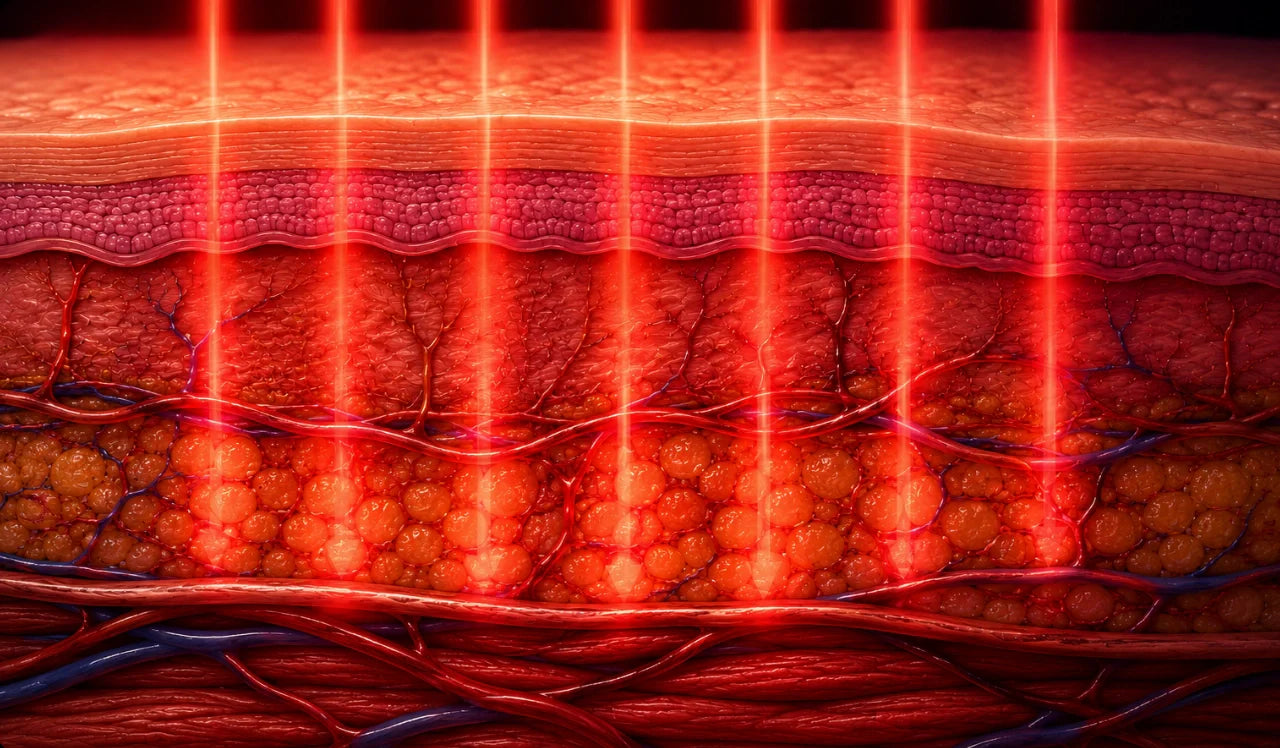
Infrared Light vs. Infrared Sauna: Why They Are Not the Same Thing
Infrared light therapy and infrared saunas share a word but produce completely different biological responses. Light therapy is precise, activating mitochondrial repair in targeted tissue without raising body temperature. An infrared sauna is systemic, driving a whole-body heat stress response. One works like a scalpel, the other like a furnace. Here is what each one does and when to use it.

Hot Tub vs. Sauna: What Researchers Found When They Compared Them Head to Head
Researchers at the University of Oregon compared hot tubs and saunas head to head. The hot tub won the single session, raising core temperature more effectively and producing stronger acute immune responses. But the sauna has something the hot tub does not: 20-plus years of longitudinal data on cardiovascular and cognitive outcomes. Here is what each one does best, and why the real question is what you are optimising for.

Infrared vs Traditional Sauna: Which Is Right for You
Infrared and traditional saunas heat you in completely different ways. Here is how they compare on feel, temperature, research, and cost, and how to choose.
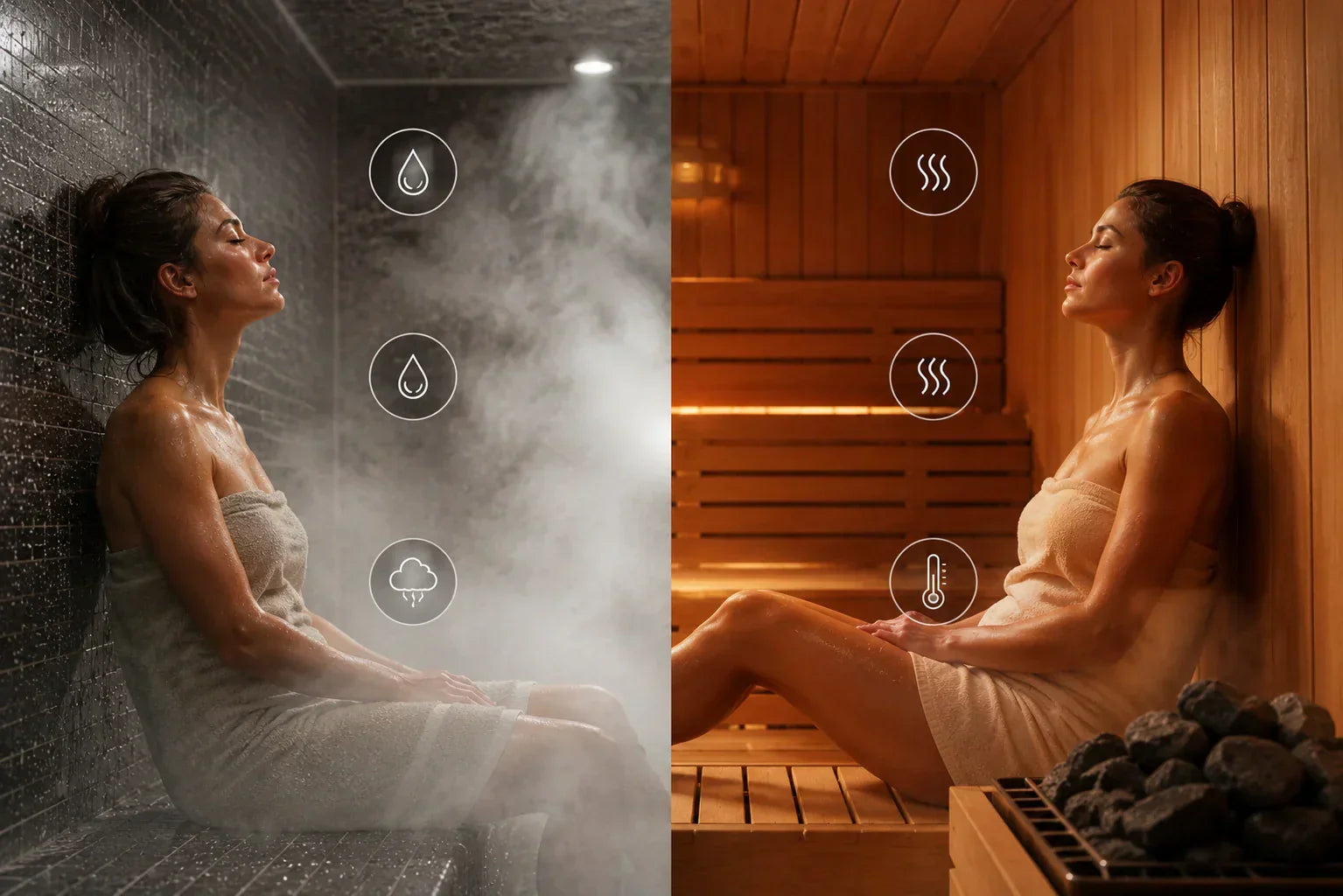
Steam Room vs Sauna: Which Is Better for You
Steam room or sauna? One is wet heat, the other dry. Here is how they compare on feel, research, maintenance, and which makes more sense to own at home.

Sauna Use and Dementia Risk: What a 20-Year Study of 2,315 Men Actually Found
The KIHD study out of Finland tracked 2,315 men over 20.7 years and found that sauna frequency was one of the most robust predictors of dementia risk ever recorded in the dataset. Men using a sauna four to seven times per week showed a 66 percent lower risk of dementia compared to men using it once a week. Here is what the research shows, how the mechanisms work, and why frequency matters more than almost anything else.

The Cedar Inside Your Outdoor Sauna Is the Reason It Lasts (or the Reason It Won't)
A deep look at why the wood inside an outdoor sauna decides whether it lasts 20 years or fails in 5. Clear vs knotty cedar, finger-joint shortcuts, and how Coldture outdoor saunas are built.
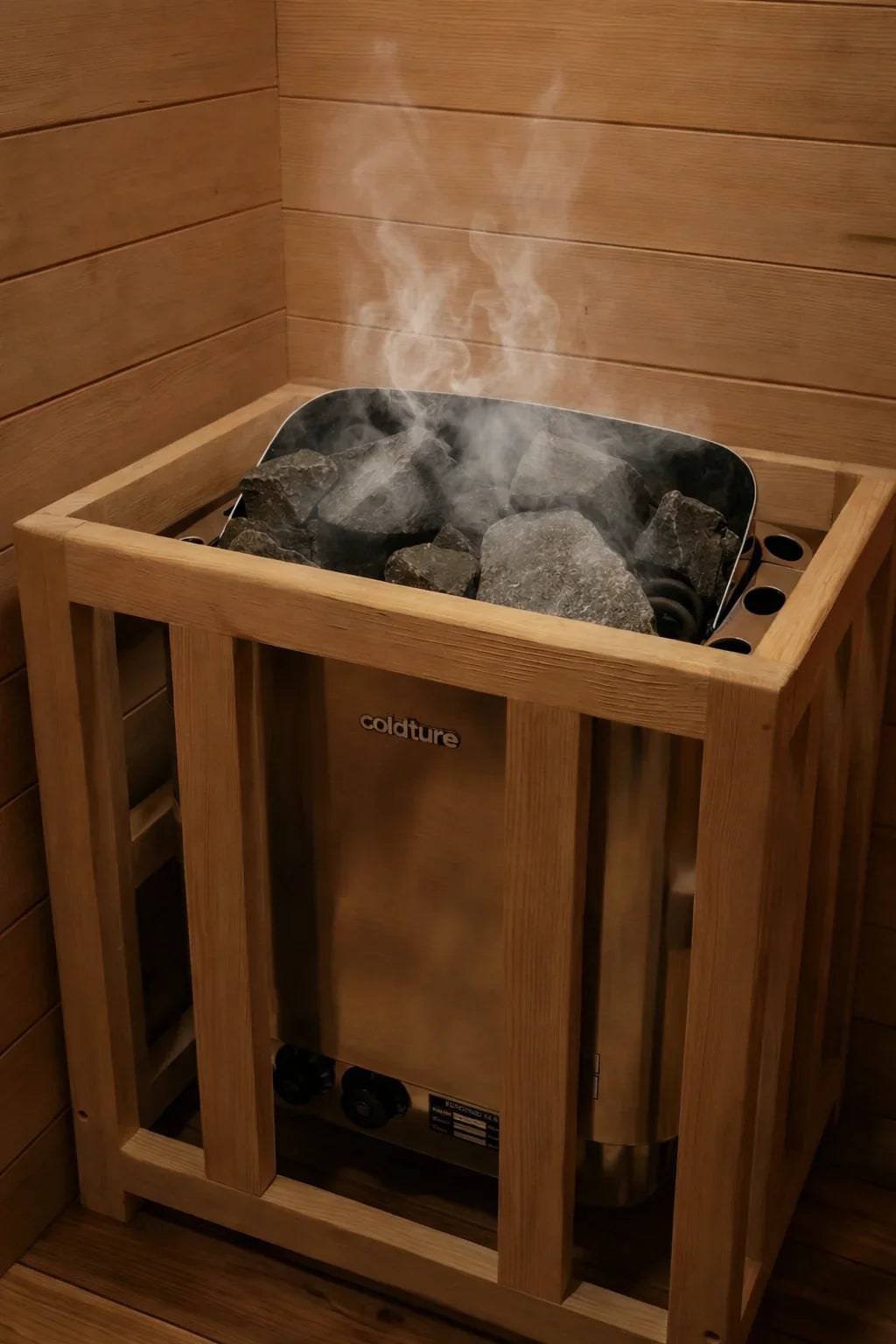
The Role of Heat Exposure in Wellness Explained

Benefits of heat exposure: A guide for recovery and wellness