

learn
explore wellness, recovery, and the habits that help you feel better for longer.
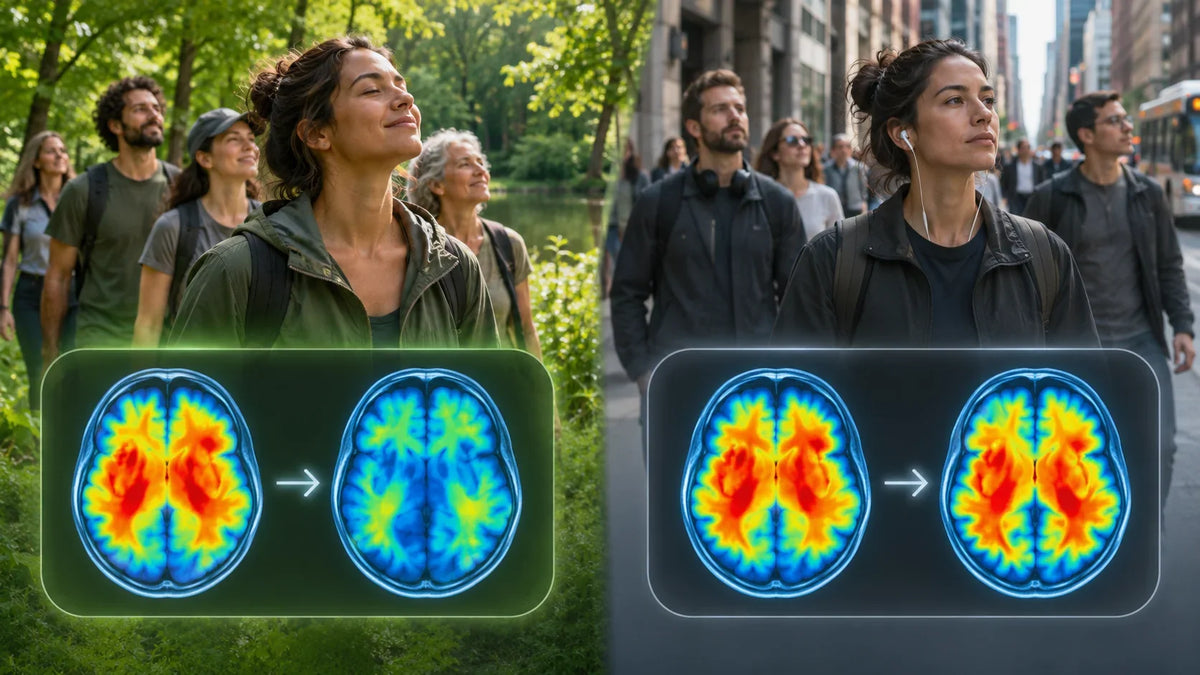
The Simple Habit That Quiets an Overthinking Brain
In a Stanford study, a 90-minute walk in nature lowered rumination and quieted a brain region tied to overthinking. A city walk did not. Here is what the research says about movement and mental health, and where cold and heat fit.

Sauna, Belonging, and Mental Health: The Research Behind the Ritual
A 2026 UK study of 1,907 sauna-goers found that weekly users reported the strongest mental health benefits, and that much of the link ran through belonging. Here is what the research found, where its limits are, and how to build the ritual at home.

What a Sauna Does to Your Brain in One Session, Six Weeks, and 20 Years
A sauna affects your brain on three timelines: the alertness you feel in the session, mood effects that lasted six weeks in one clinical trial, and a 66% lower dementia risk over 20 years in Finnish men. Here is what has been measured, and what has not.
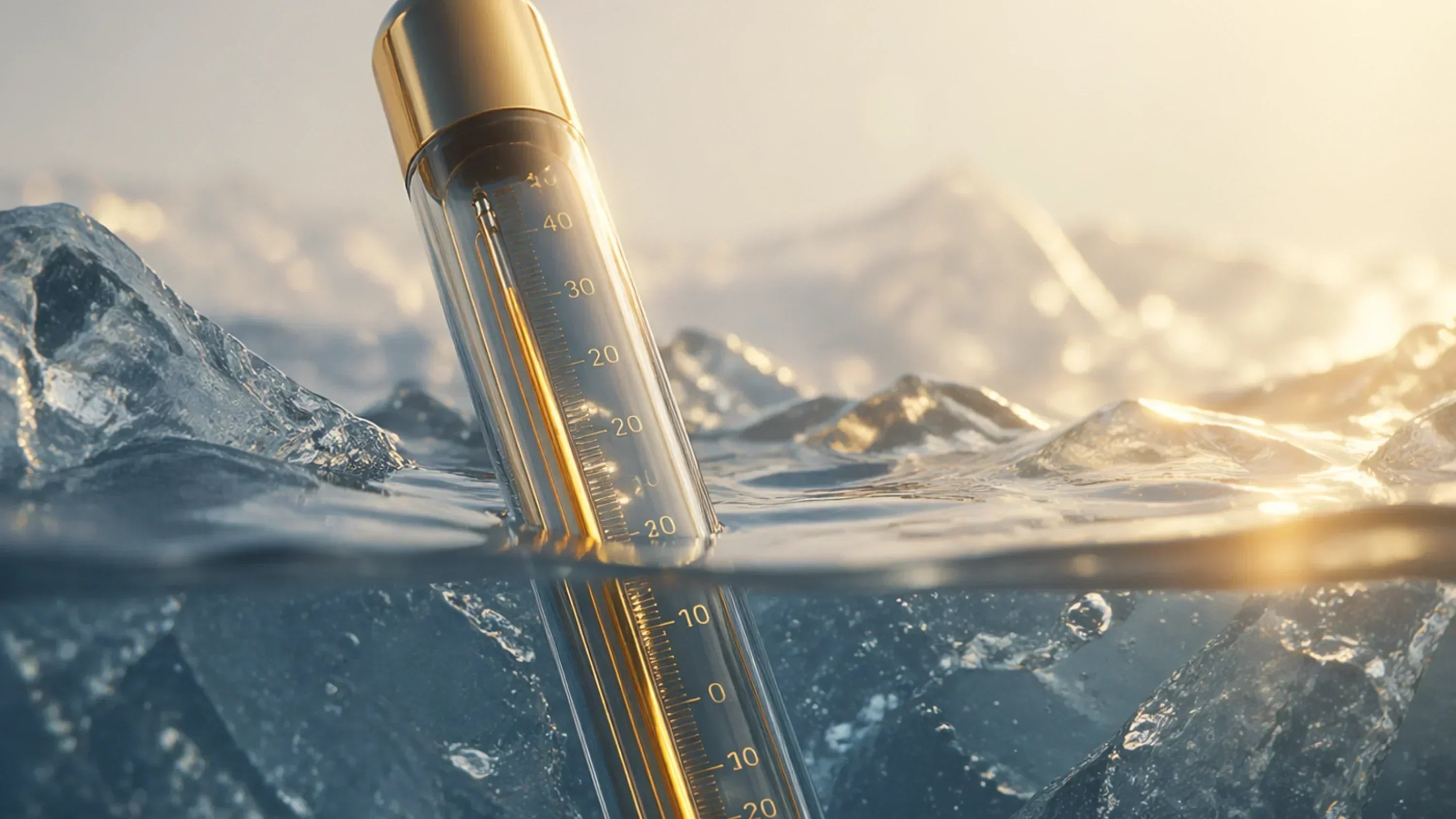
14°C water produced a 530% norepinephrine spike. that's warmer than most people think they need.
most people assume colder is better. the research says otherwise. the foundational cold plunge study used 14°C water, not 2°C. here's what the evidence actually says about the temperature range that works, why going colder adds risk without adding results, and why consistency and total dose matter more than any single number.

heat exposure triggers 3 changes in your brain chemistry that most people have no idea about
the lightness you feel walking out of a sauna isn't mood. it's neurochemistry. beta-endorphins surge, cortisol recalibrates, and BDNF rises. here's what the peer-reviewed research says about what heat does to your brain, and why the discomfort is the mechanism.

Sleep, Immunity, and Cellular Repair: What the Cold Water Research Actually Shows
A 2025 meta-analysis of 11 trials and 3,177 participants found cold water immersion improved sleep quality and lowered stress for hours after a single session. Separate research links cold exposure to immune function and cellular repair. Here is what cold water does in the hours after you get out, and why consistency is what makes it work.
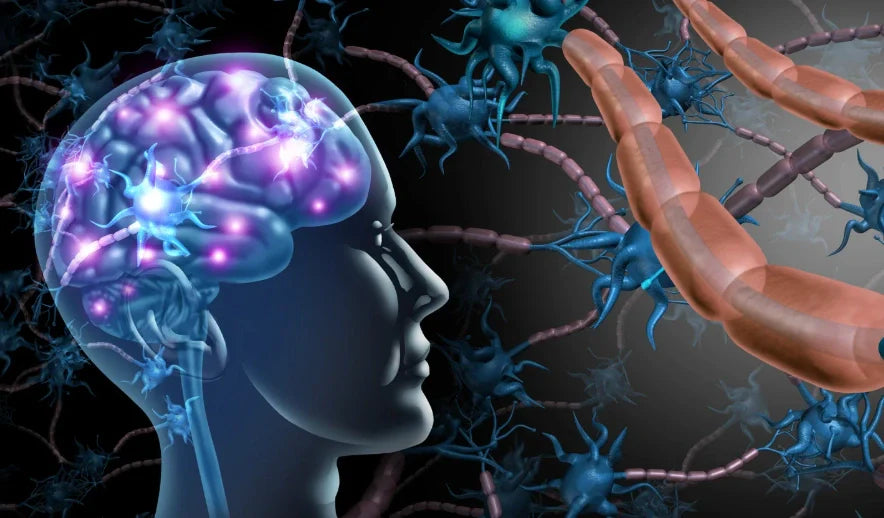
What Cold Water Immersion Actually Does to Your Brain Chemistry
Researchers immersed subjects in 14°C water and measured their brain chemistry. Dopamine rose 250 percent. Norepinephrine rose 530 percent. And the effect lasted for hours after they got out. Here is what the research found about cold water and the neurotransmitters behind motivation, focus, and mood, and what it does and does not mean.
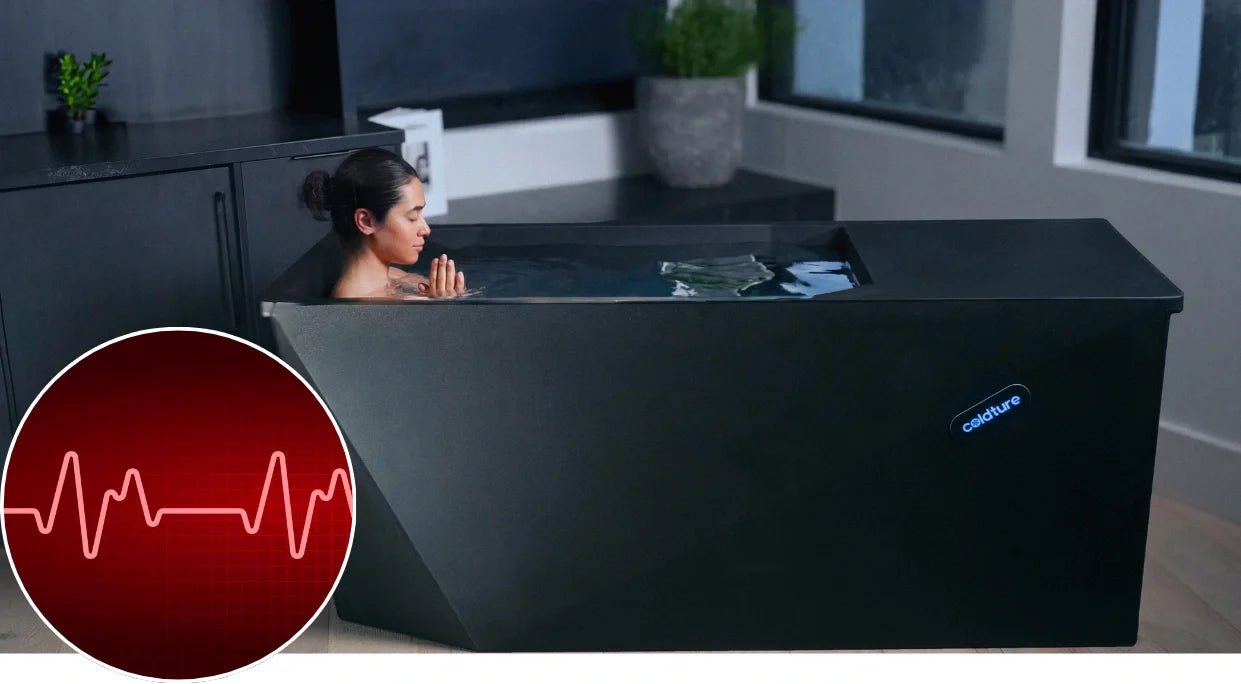
What Cold Water Actually Does to Your Heart Rate in the First 10 Seconds
Within 10 seconds of cold water hitting your chest, your heart rate does something most people would never expect. The calm you feel after a cold plunge is not mental toughness. It is your vagus nerve, the body's main brain-to-heart communication line, activating a hardwired reflex that downregulates stress. Here is the science behind what cold water does to your nervous system, and why it works.
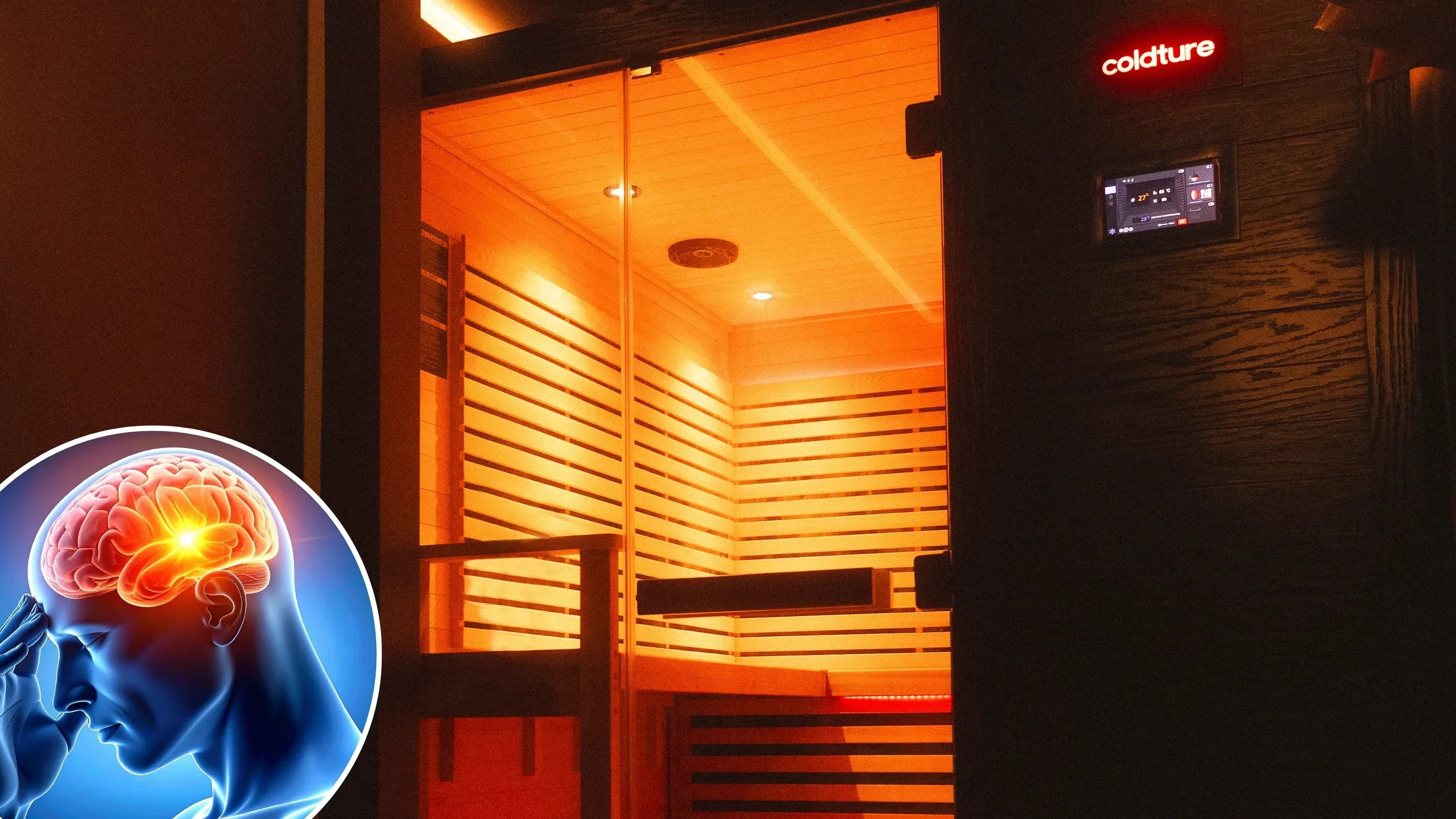
Sauna Use and Dementia Risk: What a 20-Year Study of 2,315 Men Actually Found
The KIHD study out of Finland tracked 2,315 men over 20.7 years and found that sauna frequency was one of the most robust predictors of dementia risk ever recorded in the dataset. Men using a sauna four to seven times per week showed a 66 percent lower risk of dementia compared to men using it once a week. Here is what the research shows, how the mechanisms work, and why frequency matters more than almost anything else.
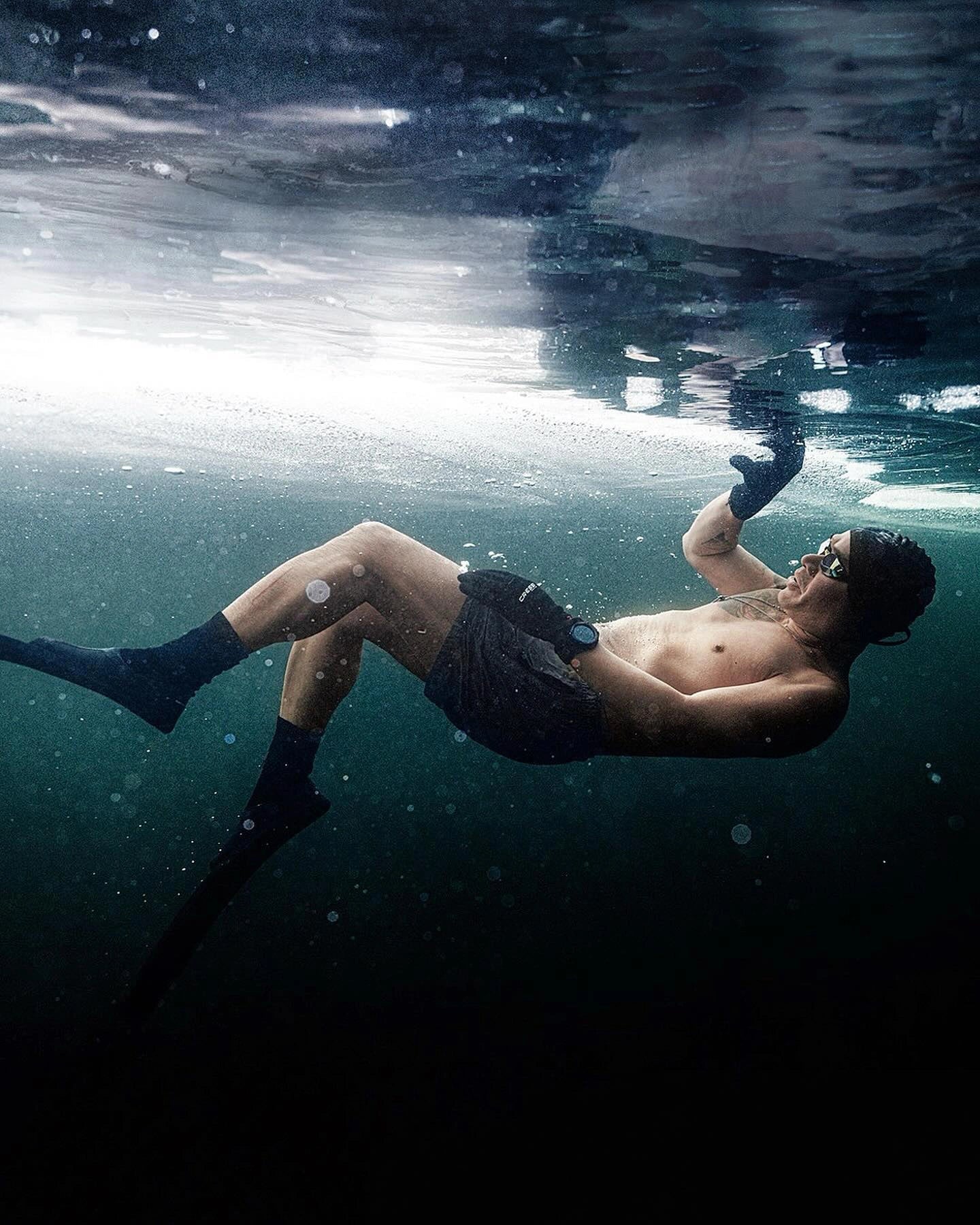
2,000 Days in Cold Water: What Happened to One Toronto Man's Body, Brain, and Life
On November 6, 2020, Ron Bat walked to a lake in Toronto and got in. He had no idea he would do it again the next day, and every single day for the next 2,000 days. This is what happened to his body and mind along the way.
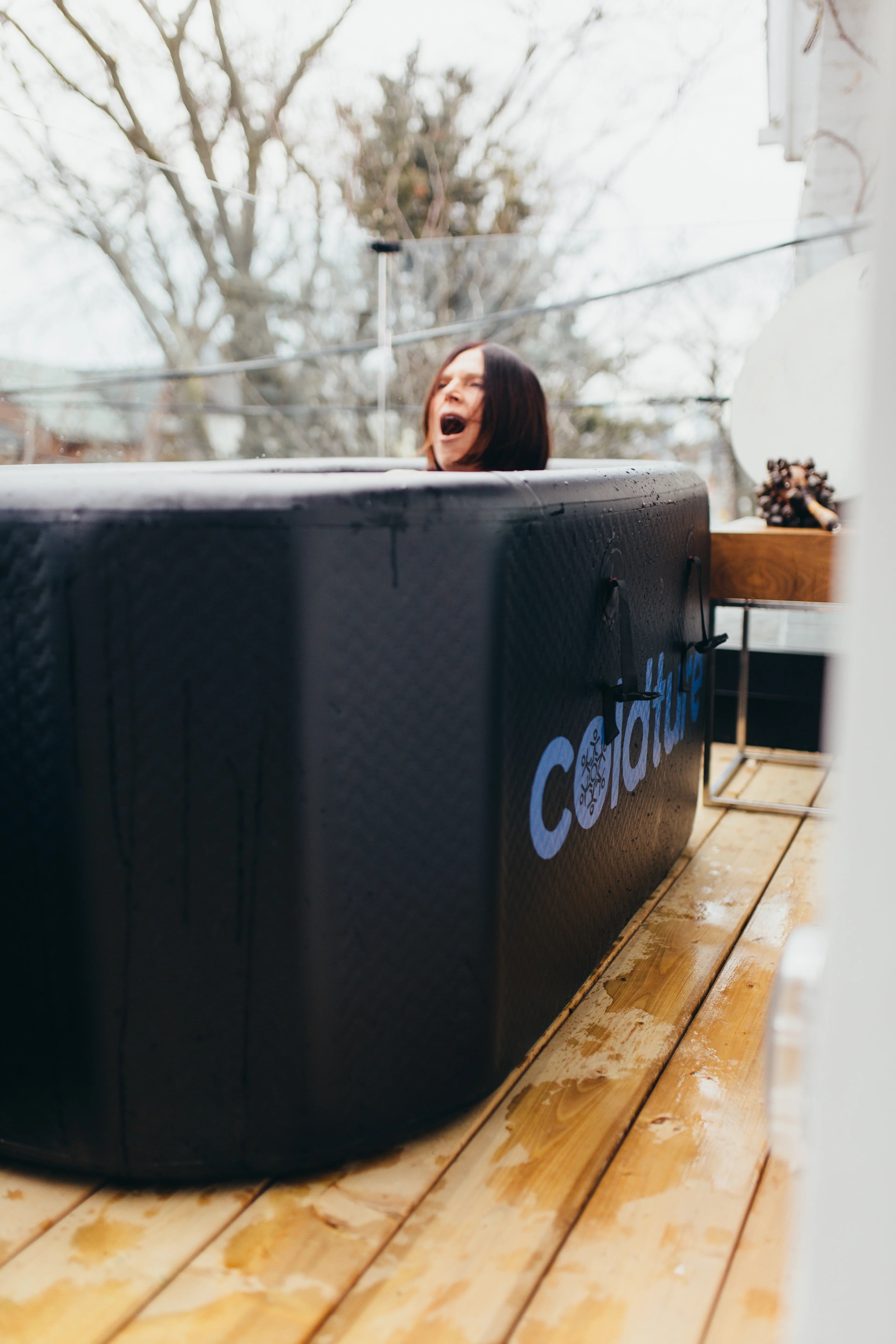
Cold exposure shapes your mindset for lasting resilience
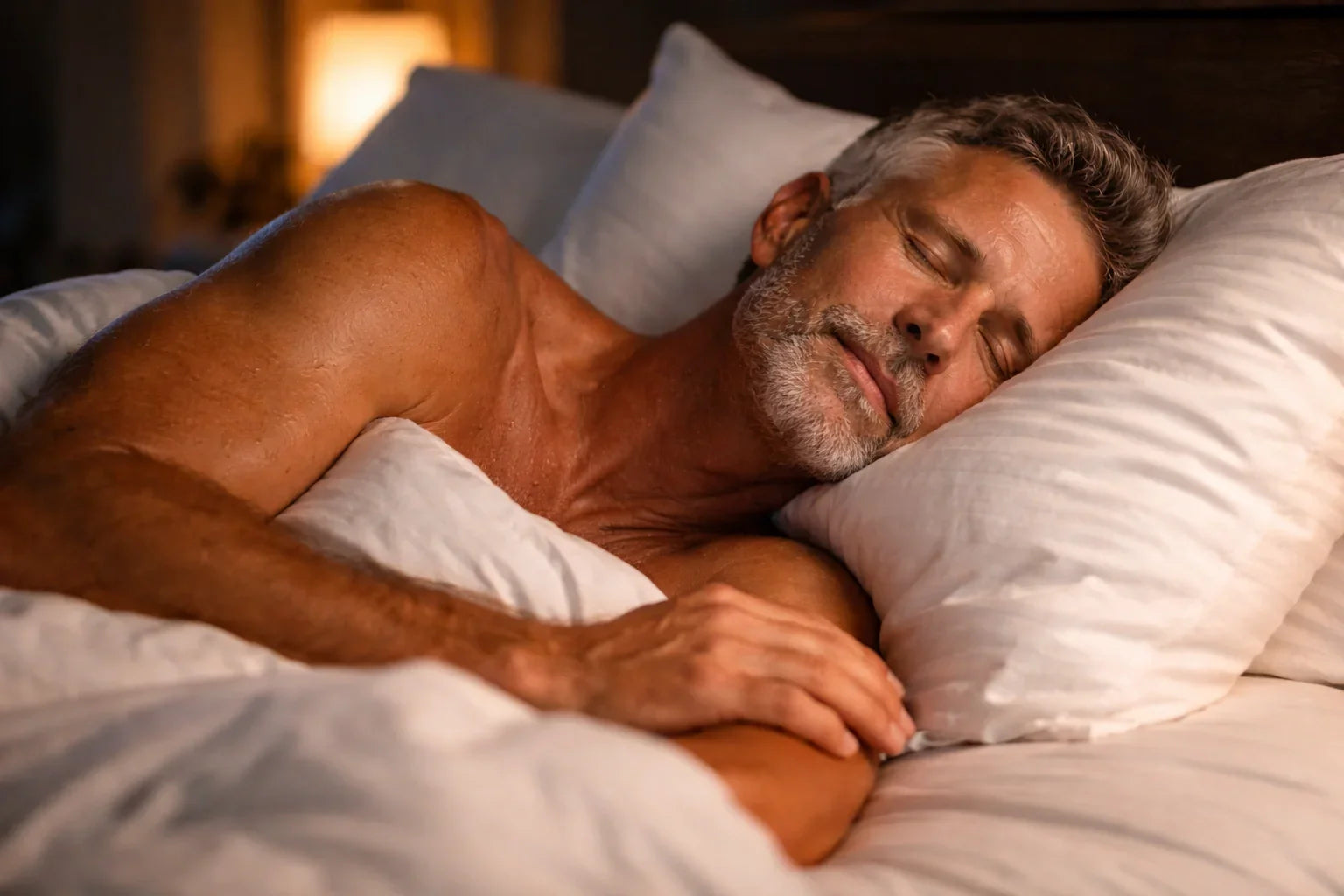
sauna and sleep: what happens when you stop trying to relax and start engineering recovery
within days of consistent evening sauna use, your sleep architecture shifts. growth hormone spikes. your nervous system switches modes. core temperature drops. and deep sleep follows. here's the science behind the best sleep tool most people overlook.

the post-plunge feeling, explained: what's actually happening in your body
that calm, focused, almost untouchable feeling after a cold plunge isn't placebo. it's neurochemistry. here's what the research says about why cold water changes how you feel for hours afterward.

Deliberate cold exposure: Boost recovery and resilience

Build a daily cold therapy routine: recovery & resilience
Cold therapy guide: boost recovery and resilience in 2026

Why recovery is vital for peak performance in 2026
Thermal therapy routine guide to boost recovery

Cold Plunging, Nervous System Regulation, and the Science of Emotional Resilience
Strong relationships are one of the biggest predictors of overall health and life satisfaction. This post explores how cold water exposure can help strengthen emotional regulation, improve nervous system resilience, and create more space between reaction and response. By training the body to stay present under stress, cold plunging can support better communication, healthier conflict resolution, and deeper connection across all relationships, not just romantic ones.

Can’t Sleep? Take the Cold Route to Better Rest and Recovery
Can Cold Plunges Reduce Anxiety?