

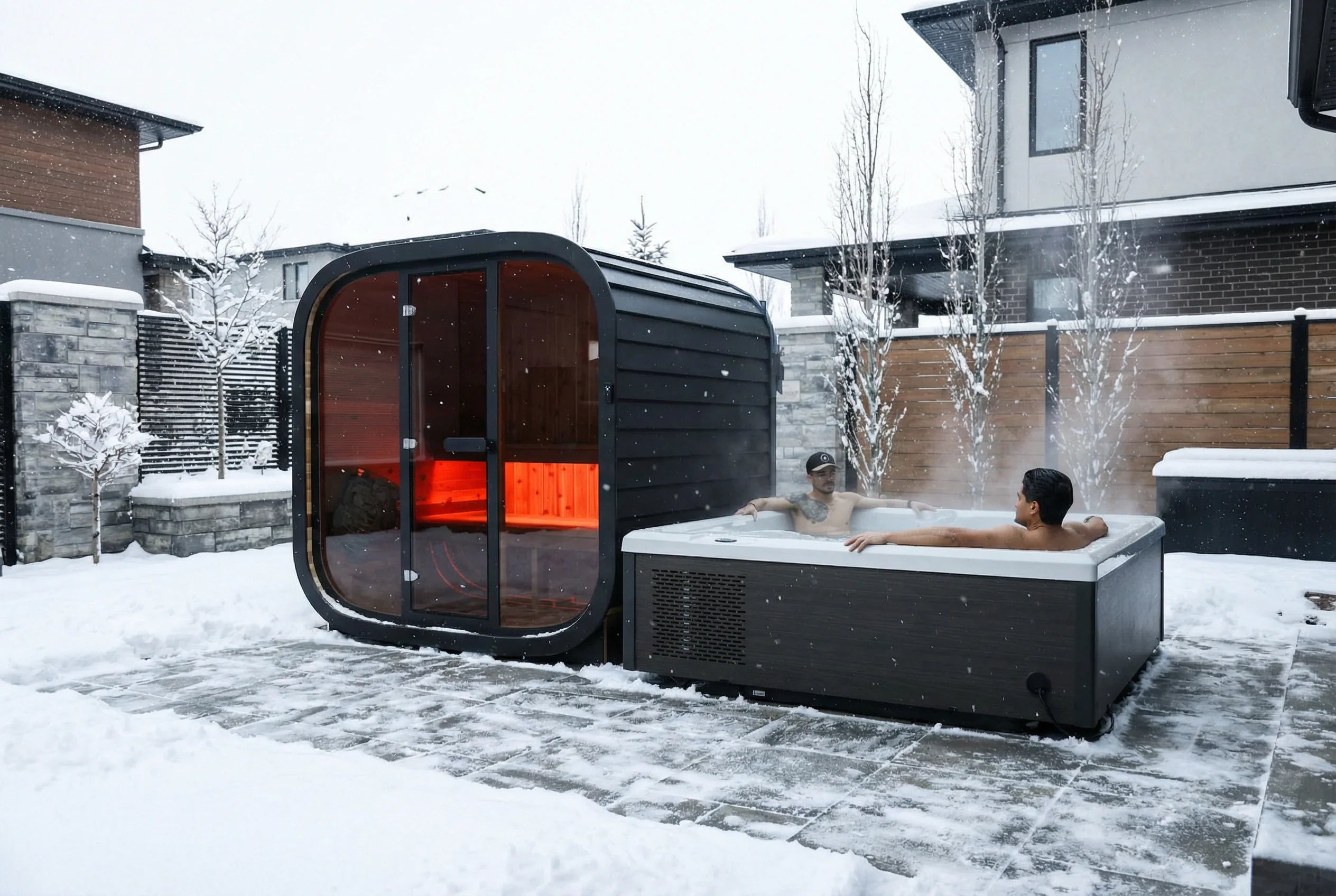
Recovery is one of the most overlooked aspects of performance and wellness. Many enthusiasts push hard in training or work but struggle to optimize how their bodies and minds bounce back. Without a structured approach to recovery, you risk chronic fatigue, lingering soreness, and mental burnout. Thermal therapy offers a proven, accessible solution by combining heat and cold exposure to enhance circulation, reduce inflammation, and build resilience. This guide walks you through creating an effective thermal therapy routine that fits your lifestyle and delivers measurable improvements in how you feel and perform every day.
Table of Contents
- Key takeaways
- Understanding thermal therapy and preparing your routine
- Step-by-step execution of a thermal therapy routine
- Troubleshooting common mistakes and verifying benefits
- Enhance your thermal therapy routine with Coldture wellness products
- FAQ
Key Takeaways
| Point | Details |
|---|---|
| Thermal therapy concept | Alternating heat and cold exposure promotes circulation, reduces inflammation, and builds physical and mental resilience. |
| Prep and safety | Gather heat and cold tools, a timer, water for hydration, and a thermometer if needed, then start with gradual exposure and follow basic safety guidelines. |
| Acclimation plan | Spend the first two weeks acclimating to extremes separately with five minute heat sessions and thirty second cold showers before combining them. |
| Execution cycles | The standard routine uses heat followed by cold for two to three complete cycles to maximize circulation and the pumping effect. |
| Verification of benefits | Track mood, sleep, soreness, and daily performance to verify that the routine delivers measurable improvements. |
Understanding thermal therapy and preparing your routine
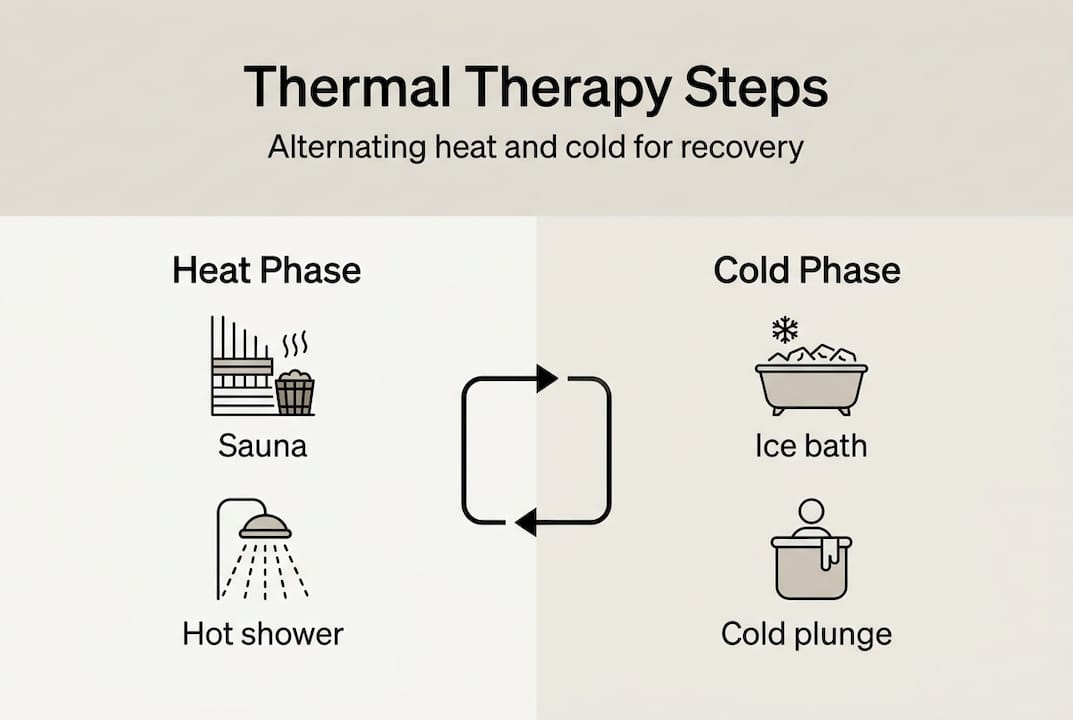
Thermal therapy is the practice of alternating between heat and cold exposure to promote physical recovery and mental resilience. This approach leverages the body’s natural response to temperature extremes. Heat exposure dilates blood vessels, increases circulation, and relaxes muscles. Cold exposure constricts blood vessels, reduces inflammation, and triggers a powerful stress adaptation response. When you alternate between these extremes, you create a pumping effect that flushes metabolic waste, delivers fresh oxygen and nutrients to tissues, and strengthens your cardiovascular system. Combining heat and cold exposure supports physical recovery and mental resilience by activating physiological pathways that improve both body and mind.
The benefits extend beyond physical recovery. Regular thermal therapy enhances mental clarity by stimulating the release of endorphins and norepinephrine, neurotransmitters that improve mood and focus. You also build cold tolerance over time, which translates to greater stress resilience in daily life. Many practitioners report better sleep quality, reduced anxiety, and a heightened sense of well-being. The key is consistency and proper execution, which starts with having the right tools and understanding how to use them safely.
Before starting your routine, gather the essential equipment. You need a heat source such as a sauna, hot tub, or steam room. For cold exposure, options include a cold plunge tub, ice bath, or cold shower. A timer helps you track exposure duration accurately. Keep water nearby for hydration, as thermal therapy increases fluid loss through sweating. Consider a thermometer to monitor water temperature if using an ice bath, aiming for 50-59°F for effective cold exposure.
| Tool | Access | Cost | Ease of Use |
|---|---|---|---|
| Home sauna | High | $2,000-$8,000 | Very easy |
| Gym sauna | Medium | $50-$150/month membership | Easy |
| Cold plunge tub | High | $3,000-$10,000 | Very easy |
| Ice bath (DIY) | High | $50-$200 | Moderate |
| Cold shower | Very high | Included in utilities | Very easy |
| Hot tub | Medium | $3,000-$12,000 | Easy |
Safety and preparation tips ensure you get maximum benefits without risk:
- Start with shorter exposure times and gradually increase as your body adapts
- Never perform thermal therapy alone if you have any medical conditions
- Hydrate before, during, and after sessions to replace fluids lost through sweating
- Avoid alcohol before or during thermal therapy as it impairs temperature regulation
- Listen to your body and exit immediately if you feel dizzy, nauseous, or overly uncomfortable
- Wait at least 2 hours after eating a large meal before starting heat exposure
- Keep sessions moderate in frequency, allowing rest days between intense thermal therapy
Pro Tip: Spend your first two weeks acclimating to temperature extremes separately before combining them. Try 5-minute sauna sessions and 30-second cold showers independently to build tolerance. This gradual approach prevents shock to your system and helps you identify your personal comfort thresholds before attempting full contrast therapy cycles.
Step-by-step execution of a thermal therapy routine
The most effective thermal therapy routine follows a specific sequence that maximizes circulatory benefits and stress adaptation. The standard approach involves heat exposure followed by cold plunge, repeated for 2-3 complete cycles. This pattern creates the pumping effect that drives metabolic waste removal and nutrient delivery. Each cycle builds on the previous one, progressively training your cardiovascular system and nervous system to handle temperature stress more efficiently. Optimizing timing and sequencing of heat and cold exposure enhances physical recovery and wellness outcomes significantly.
Follow these detailed steps for optimal execution:
-
Begin with a 5-minute warm-up consisting of light movement or stretching to prepare your body and raise your baseline temperature slightly. This primes your cardiovascular system for the upcoming temperature changes.
-
Enter the sauna or heat source and sit comfortably for 8-15 minutes. Beginners should start at 8 minutes and gradually work up to 15 as tolerance improves. Focus on deep, controlled breathing to stay relaxed. Your heart rate will increase and you will sweat profusely, which is the desired response.
-
Exit the heat and take 1-2 minutes to transition. Walk slowly, breathe deeply, and mentally prepare for the cold exposure. This brief recovery period prevents dizziness and allows your heart rate to stabilize slightly.
-
Immerse yourself in the cold plunge or ice bath for 1-3 minutes. First-timers should aim for 1 minute and increase duration as cold tolerance develops. Submerge up to your neck if possible, keeping your head above water. Control your breathing by taking slow, deliberate breaths to manage the initial shock.
-
Exit the cold and rest for 5-10 minutes at room temperature. Dry off, move gently, and allow your body to naturally rewarm. Avoid jumping immediately back into heat. This recovery phase is crucial for your nervous system to integrate the stress response.
-
Repeat steps 2-5 for a total of 2-3 complete cycles. Each subsequent cycle becomes slightly easier as your body adapts to the routine.
-
Finish with hydration and light nutrition. Drink 16-24 ounces of water and consider electrolyte replacement if you sweated heavily. A small snack with protein and carbohydrates supports recovery.
Timing matters significantly for results. Heat sessions of 8-15 minutes provide sufficient time for vasodilation and sweating without overheating. Cold plunges of 1-3 minutes trigger the desired vasoconstriction and stress adaptation response without risking hypothermia. The 5-10 minute recovery periods between exposures allow your cardiovascular system to stabilize and prepare for the next cycle. These intervals are not wasted time; they are active recovery phases where your body processes the thermal stress.

Pro Tip: Your body will signal when you have had enough. During heat exposure, exit if you feel lightheaded, nauseous, or if your heart rate becomes uncomfortably rapid. During cold exposure, exit if you experience uncontrollable shivering, numbness in extremities, or difficulty breathing. These signals indicate you have reached your current limit. Honor them and adjust your next session accordingly. Progress comes from consistent practice within your tolerance zone, not from pushing into dangerous territory.
Repetition of the heat-cold cycle amplifies benefits through a phenomenon called hormesis, where repeated mild stressors trigger adaptive responses that make you stronger. Each cycle reinforces circulatory improvements, deepens the anti-inflammatory effect, and trains your nervous system to handle stress more effectively. Over weeks and months, you will notice sustained improvements in energy, recovery speed, and mental clarity that extend far beyond the immediate post-session glow.
Troubleshooting common mistakes and verifying benefits
Even with clear instructions, many people make avoidable mistakes that reduce effectiveness or create safety risks. Understanding these common errors helps you maintain a safe, productive thermal therapy practice. The most frequent mistake is inadequate hydration. Thermal therapy, especially heat exposure, causes significant fluid loss through sweating. Failing to drink enough water before and after sessions leads to dehydration, which impairs recovery and can cause dizziness or cramping. Make hydration a non-negotiable part of your routine.
Overexposure is another critical error. Beginners often push too hard, staying in the sauna too long or enduring cold water beyond their tolerance in an attempt to accelerate results. This approach backfires by overtaxing your nervous system and increasing injury risk. Recovery requires balance, not extremes. Start conservatively and increase exposure gradually over weeks. Improper sequencing also diminishes benefits. Always follow heat with cold, not the reverse. Starting with cold exposure before heat does not create the same circulatory pumping effect and may leave you uncomfortably cold throughout the session.
Safety warnings you must observe:
- Avoid thermal therapy if you have uncontrolled high blood pressure, heart disease, or are pregnant without medical clearance
- Never use thermal therapy while under the influence of alcohol or drugs that impair judgment
- Do not perform intense thermal therapy on days you are already feeling unwell or feverish
- Exit immediately if you experience chest pain, severe dizziness, or difficulty breathing
- Keep sessions moderate in duration; more is not always better when it comes to temperature stress
“Your body provides constant feedback during thermal therapy. Mild discomfort is normal and part of the adaptation process, but sharp pain, extreme dizziness, or mental confusion are red flags. Always prioritize safety over performance. The goal is long-term resilience, not short-term heroics.” – Wellness practitioners emphasize that sauna and ice bath use enhance athletic wellness but require attention to safety signals.
Recognizing the signs of an effective routine keeps you motivated and helps you make informed adjustments. Improved sleep quality is one of the earliest and most reliable indicators. Many people report falling asleep faster and experiencing deeper, more restorative sleep within the first week of consistent thermal therapy. Faster muscle recovery is another key sign. You will notice reduced soreness after workouts and quicker return to peak performance. Enhanced mood and mental resilience manifest as better stress management, increased emotional stability, and greater mental clarity throughout the day.
Physical markers include reduced inflammation, which you may observe as less joint stiffness or puffiness. Your skin often improves due to increased circulation and detoxification through sweating. Energy levels tend to stabilize, with fewer mid-afternoon crashes and more consistent vitality. Track these changes in a simple journal or notes app to identify patterns and optimize your routine based on what works best for your body.
Gradual adjustments based on observed benefits ensure continued progress. If you notice plateaus in improvement, consider increasing cycle repetitions from 2 to 3, extending heat exposure by 2-3 minutes, or adding an extra session per week. Conversely, if you feel overly fatigued or notice declining performance, scale back slightly and prioritize recovery. Thermal therapy is a tool for enhancement, not a source of additional stress. Fine-tuning your approach based on honest self-assessment creates a sustainable practice that delivers compounding benefits over months and years.
Enhance your thermal therapy routine with Coldture wellness products
Building an effective thermal therapy routine at home requires reliable, high-quality equipment designed for consistent performance and safety. Coldture offers premium cold plunges engineered specifically for daily use, featuring precise temperature control, durable construction, and thoughtful design that fits seamlessly into your wellness space. Whether you are a serious athlete or a wellness enthusiast, having a dedicated cold plunge eliminates barriers and makes it easy to maintain your routine year-round.
For heat exposure, explore Coldture’s collection of outdoor saunas that bring professional-grade heat therapy to your backyard. These saunas combine aesthetic appeal with functional excellence, offering the consistent heat you need for effective thermal therapy cycles. Complement your routine with red light therapy panels that support cellular recovery, reduce inflammation, and enhance skin health. Together, these tools create a complete home wellness system that supports your recovery and resilience goals with minimal hassle and maximum results.
FAQ
What is the ideal duration for cold plunges in a thermal therapy routine?
Cold plunges typically last between 1 to 3 minutes depending on your tolerance and experience level. Beginners should start with 1 minute and gradually increase to 2-3 minutes as their cold tolerance improves over several weeks. The goal is to trigger the beneficial stress response without causing excessive discomfort or risking hypothermia.
Are there any health conditions that contraindicate thermal therapy?
People with cardiovascular issues, uncontrolled hypertension, pregnancy, or certain chronic conditions should consult a healthcare professional before starting thermal therapy. These temperature extremes place significant demands on your cardiovascular system and may not be appropriate for everyone. Safety first ensures you gain benefits without risking harm to your health.
How often should I perform a thermal therapy routine to see benefits?
Performing thermal therapy 2-4 times per week balances benefits without overloading your body. This frequency allows adequate recovery between sessions while providing consistent stimulus for adaptation. Consistency over intensity yields the best results for building resilience, so focus on maintaining a regular schedule rather than pushing for daily sessions.
Can thermal therapy be combined with other recovery methods like red light therapy?
Yes, combining thermal therapy with red light therapy can enhance healing and recovery through complementary mechanisms. Red light therapy supports cellular energy production and reduces inflammation at a different level than temperature therapy. Incorporate red light sessions before or after your thermal routine for synergistic effects that accelerate recovery and improve overall wellness outcomes.
Share:
Calories burned in sauna: what science really says
Why recovery is vital for peak performance in 2026