

Athletes who recover well don’t just feel better the next day, they build more strength, reduce injury risk, and outperform competitors who train just as hard but neglect what happens after the gym. The gap between plateauing and progressing is almost always recovery. Modern recovery science has moved far beyond “get some sleep and drink water.” It’s a deliberate, layered system that respects your body’s biology. This guide walks you through every level, from the non-negotiables you must master first, to advanced modalities that actually work, to how you personalize the whole system for your specific body, sport, and training schedule.
Table of Contents
- Master the essentials: Sleep, nutrition, hydration
- Step-by-step: Active vs. passive recovery routines
- Unlock advanced modalities: Cold water, massage, and more
- Fine-tuning: Individualization, monitoring, and synergy
- Why recovery ‘hacks’ miss the real secret
- Ready to elevate your recovery? Explore premium solutions
- Frequently asked questions
Key Takeaways
| Point | Details |
|---|---|
| Essentials first | Nutrition, sleep, and hydration create the strongest recovery foundation for any athlete. |
| Tailor to your needs | Choose recovery methods that match your workout type and individual fatigue for the best results. |
| Science matters | Advanced tools like cold water immersion and massage are evidence-backed but should be used judiciously. |
| Consistency beats trends | Regular, intentional recovery habits outperform sporadic use of new gadgets or fads. |
Master the essentials: Sleep, nutrition, hydration
Before you even think about cold plunges or red light therapy, you need to be honest about your foundation. Advanced tools add maybe 10 to 15 percent on top of what your basics are already delivering. If your basics are broken, no gadget will save you.
Sleep is the cornerstone. Aim for 7 to 9 hours per night, every night. During deep sleep, your body releases growth hormone, repairs damaged muscle fibers, and consolidates motor patterns you trained that day. Miss sleep consistently and every other recovery strategy loses effectiveness. It’s non-negotiable.
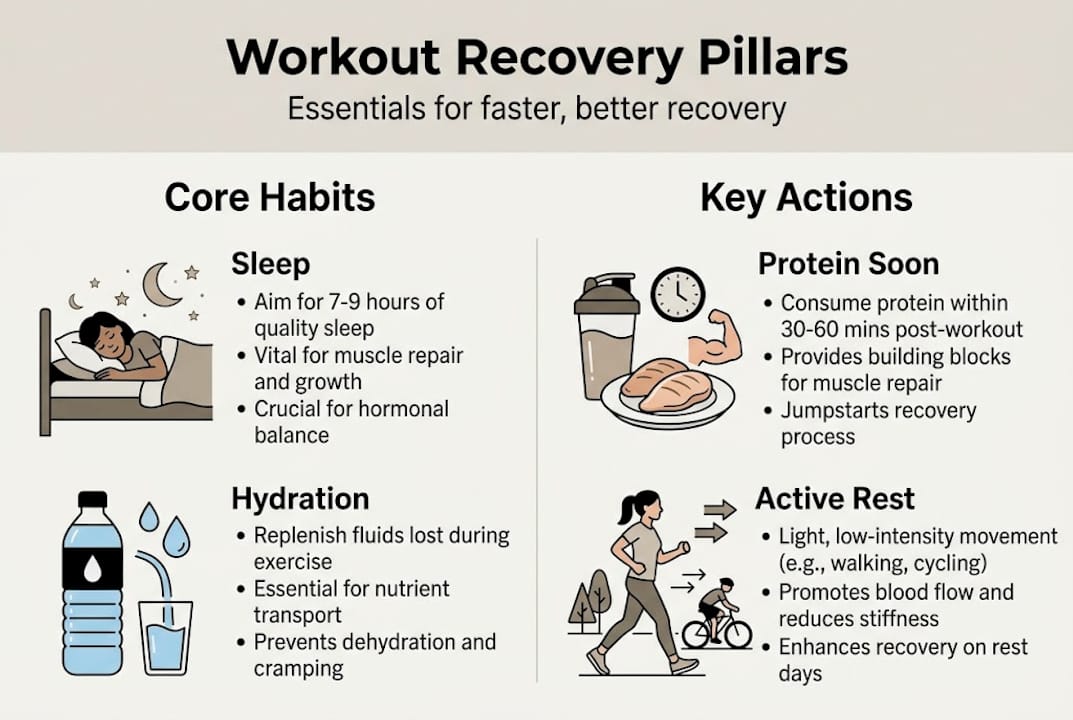
Post-workout nutrition is equally critical. A comprehensive recovery approach always prioritizes what you eat and when. Research confirms that immediate protein and carbs — specifically 0.25 to 0.4 grams of protein per kilogram of body weight — taken right after exercise accelerates muscle repair and replenishes glycogen faster than delayed intake. That means a 180-pound (82 kg) athlete needs roughly 20 to 33 grams of protein within 30 to 45 minutes post-training. Pair that with fast-digesting carbs to spike insulin and shuttle nutrients into cells.
Hydration drives everything else. Dehydration slows nutrient delivery, reduces blood volume, and impairs the cellular repair process. Aim to replace at least 150 percent of fluids lost during training, and consider sodium to retain that fluid effectively.
Here’s a quick-reference table to see where you stand:
| Recovery pillar | Minimum standard | Elite target |
|---|---|---|
| Sleep | 7 hours/night | 8 to 9 hours/night |
| Post-workout protein | 0.25g/kg immediately | 0.4g/kg within 30 min |
| Hydration | Replace sweat lost | 150% of sweat loss |
| Carbohydrate intake | Within 2 hours | Immediately post-training |
Before layering in advanced methods from our roundup of top recovery methods, check yourself against every row in that table. Missing even one column limits what everything else can do.
Your foundational checklist:
- Are you sleeping 7 to 9 hours, not just on weekends?
- Are you eating protein and carbs within 45 minutes post-workout?
- Are you starting every session well-hydrated?
- Are you tracking energy and soreness across training weeks?
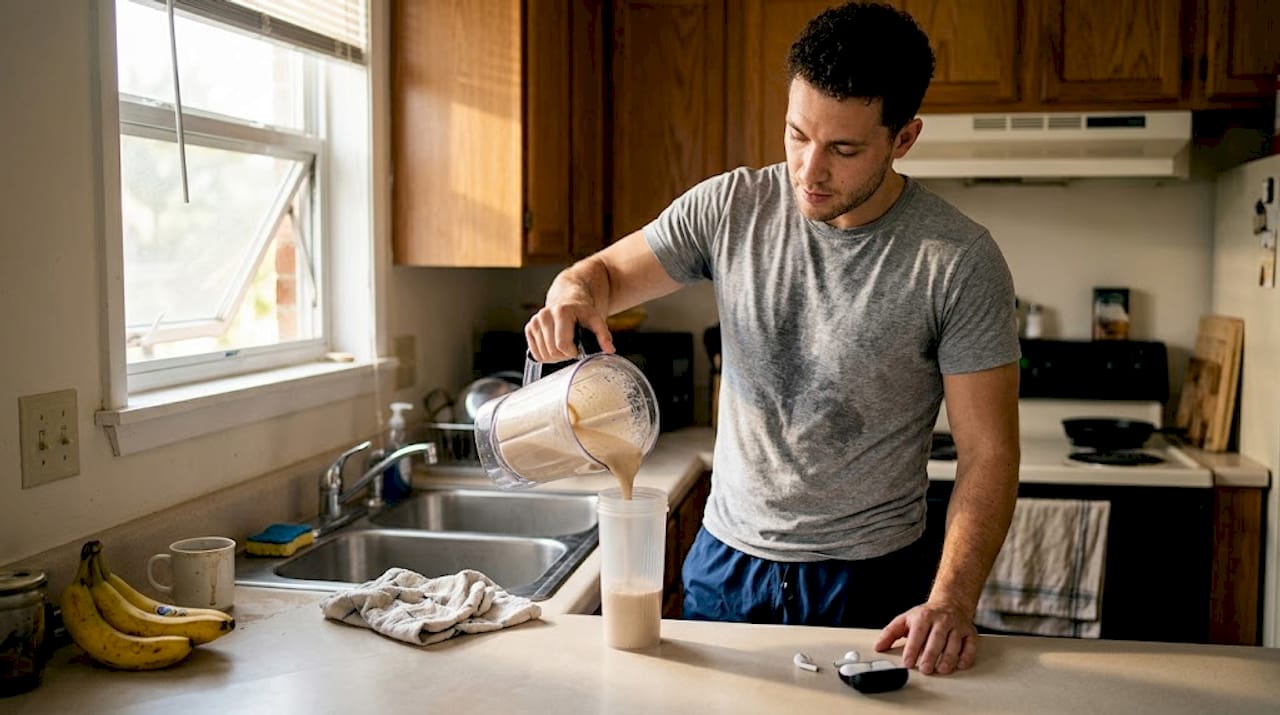
Pro Tip: Keep a protein shake and a banana in your gym bag. Hitting the nutrition window gets much easier when you remove the friction of having to find food after training.
Step-by-step: Active vs. passive recovery routines
Not every rest day looks the same, and choosing the wrong recovery type for your fatigue level can actually slow you down. The key is matching the method to what your body needs that specific day.
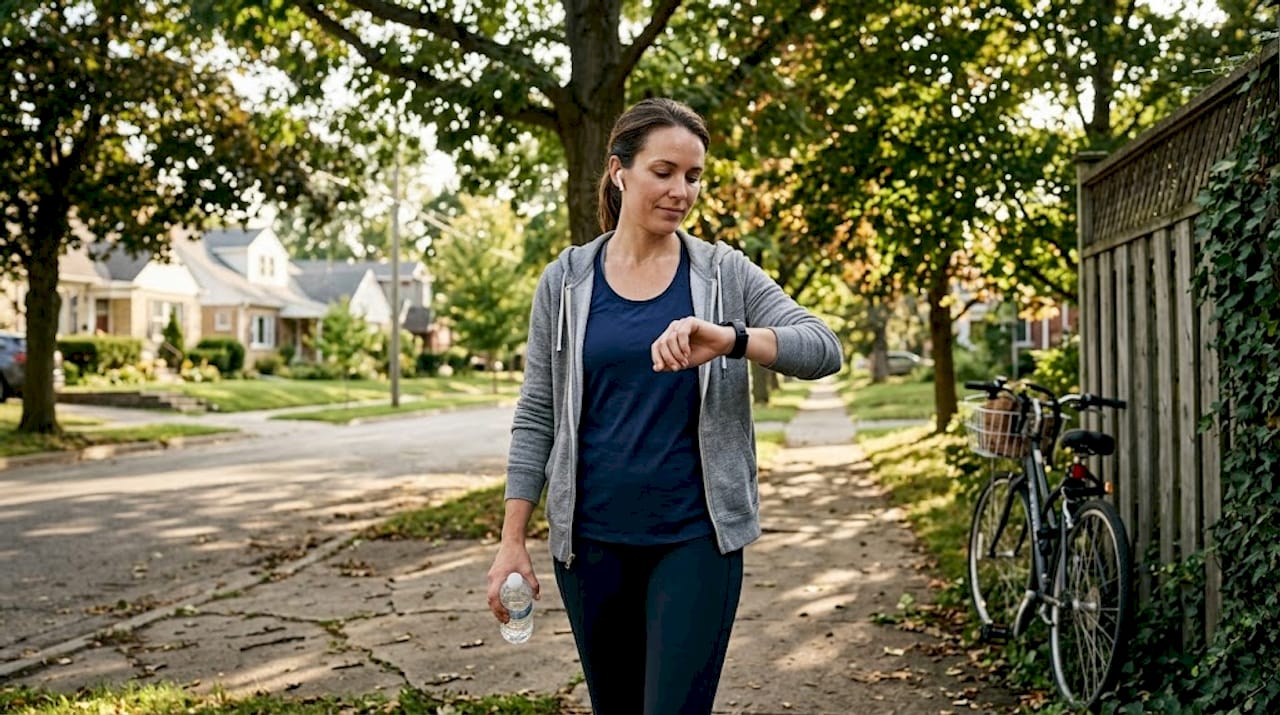
Active recovery involves low-intensity movement - walking, light cycling, yoga, swimming — that stimulates blood flow without taxing your system. Active recovery outperforms complete rest for clearing metabolic waste and enhancing circulation after metabolic fatigue (like after a long run or high-rep workout). It’s especially effective 24 to 48 hours after training.
Passive recovery means complete rest, full sleep, or gentle static stretching. This approach is most appropriate after neurological fatigue, meaning your nervous system is fried from maximal strength work, heavy competition, or high emotional stress. Pushing yourself to move when your nervous system is depleted makes things worse, not better.
Here’s how to choose:
| Fatigue type | Signs | Best recovery |
|---|---|---|
| Metabolic | Muscle burn, soreness, stiffness | Active recovery |
| Neuromuscular | Coordination issues, slow reaction time | Passive rest |
| Mixed | Heavy legs, general fatigue | Light active + extra sleep |
For your effective recovery routines, try this 10-minute active recovery sequence on your lighter days:
- 3 minutes of brisk walking or light cycling to increase circulation
- 2 minutes of hip circles, leg swings, and arm rolls to loosen joints
- 3 minutes of light yoga flows — cat-cow, child’s pose, pigeon
- 2 minutes of slow breathing to downregulate your nervous system
For passive recovery, prioritize an earlier bedtime over supplements or gadgets. Add foam rolling if you’re too sore to stretch comfortably. That combination is often all you need between harder sessions.
Pro Tip: Rate your fatigue on a 1 to 10 scale each morning. A score of 7 or higher usually means you should lean passive that day. Scores of 4 to 6 are your green light for active recovery.
Explore the full breakdown of top recovery methods to see where each modality fits in a full weekly plan.
Unlock advanced modalities: Cold water, massage, and more
Now we get into the tools that separate good recovery from elite recovery. The key word is tools. They work best when layered on top of a solid foundation, and each one has clear use cases.
Cold water immersion (CWI) has strong evidence behind it for the right athletes. CWI reduces IL-6 and soreness effectively in the short term, making it highly valuable for team sport athletes and endurance athletes who need to compete or train again in 24 to 72 hours. However, it may blunt long-term strength adaptations if used too frequently by resistance-focused athletes. Timing matters: plunge 1 to 6 hours post-training, not immediately before strength sessions.
For a deep look at how cold plunges affect inflammation, the research is compelling for recovery contexts outside of pure hypertrophy programs.
Massage, vibration therapy, and functional electrical stimulation (FES) are all evidence-supported. Massage increases GABA, reduces creatine kinase (a marker of muscle damage), and supports central nervous system recovery. Vibration therapy accelerates neuromuscular recovery. FES has been shown to improve explosive power when used consistently.
Here’s a practical overview:
- CWI: Best for team/endurance sports, 10 to 15 minutes at 50 to 59°F, use 2 to 3 times per week
- Massage: 30 to 60 minutes within 24 hours of hard training; targets both physical and neural recovery
- Vibration therapy: 15 to 30 minutes targeting sore muscle groups; low barrier to entry
- Red light therapy: 10 to 20 minutes on fatigued muscle groups; supports mitochondrial function and tissue repair
- Saunas: 15 to 20 minutes post-session; promotes cardiovascular flushing and relaxes connective tissue
Before chasing the newest recovery gadget, ask yourself: is there peer-reviewed evidence for this tool in my sport, at my training intensity? If not, your money and time belong elsewhere.
For a structured plan for building a cold plunge routine, start with two sessions per week and track your recovery quality scores over four weeks.
Pro Tip: Don’t stack every modality at once. Pick one or two advanced tools, run them consistently for a month, and measure the actual effect on your performance before adding more.
Fine-tuning: Individualization, monitoring, and synergy
The most overlooked recovery skill is honest self-monitoring. Most athletes guess how recovered they are. The best athletes measure it.
What to track daily:
- Perceived soreness (rate 1 to 10)
- Morning mood and motivation
- Sleep duration and quality (wearables help here)
- Resting heart rate or heart rate variability (HRV)
- Next session performance output
These inputs tell you whether your current recovery system is working. Drops in HRV paired with poor mood and high soreness signal under-recovery. Improvements across all five metrics over weeks signal the system is working.
Trained athletes recover faster than beginners due to physiological adaptations, which means your recovery needs to scale with your training age. A recreational athlete may need 72 hours between hard sessions. A competitive soccer player might recover in 36 hours using structured protocols.
Periodize your recovery like your training. During base-building phases, lean into active recovery and nutrition optimization. During competition blocks, increase passive rest, CWI, and massage frequency. Off-season is the time to experiment with new modalities and build habits.
Combined recovery strategies — pairing nutrition timing with CWI, or adding red light therapy after massage — likely produce superior results compared to single-method approaches, though more large-scale research is still building.
| Phase | Priority recovery tool | Secondary tool |
|---|---|---|
| Base building | Nutrition + sleep | Active recovery |
| Competition block | CWI + massage | Extra sleep |
| Off-season | Sauna + red light | Mobility work |
For elite reference: top-tier soccer clubs use GPS tracking, HRV monitoring, sleep pods, and nutrition timing to manage each player’s daily recovery load. You can replicate the approach at any scale. Start with a free HRV app, track daily, and review weekly. Pair your data with insights from our guide on best recovery methods to keep your strategy current.
Why recovery ‘hacks’ miss the real secret
Here’s the opinion most recovery content won’t give you: the majority of athletes who are obsessing over ice bath protocols and biometric wearables have not mastered sleeping 8 hours or eating protein within 30 minutes of training. The uncomfortable truth is that no advanced tool will save a broken foundation.
We see this constantly. Athletes invest in premium gear, download every app, and still plateau because they’re sleeping 6 hours and eating whatever is convenient. The time-tested recovery methods — sleep, nutrition, hydration, and honest monitoring — account for the vast majority of your recovery capacity.
Advanced tools are finishing touches. They’re real, they work, and at Coldture we build them because the evidence supports them. But they amplify a strong foundation. They don’t replace one. Build your recovery pyramid from the bottom up, stay consistent longer than feels necessary, and only then add the sophistication. That’s what the best athletes actually do.
Ready to elevate your recovery? Explore premium solutions
You now have a clear, sequenced recovery plan built on real evidence. The next step is putting the right tools in your hands.
Coldture designs professional-grade cold plunges built for athletes who take recovery seriously, alongside red light therapy systems that support tissue repair and cellular energy, and indoor and outdoor saunas for deep cardiovascular flushing and connective tissue recovery. Every product is engineered to integrate seamlessly into the routines this guide outlines, whether you’re recovering between competitions or optimizing your daily training response. Browse the full Coldture recovery lineup and take the guesswork out of building your next-level recovery setup.
Frequently asked questions
What is the quickest way to recover after an intense workout?
The quickest recovery combines immediate protein and carb intake to jump-start muscle repair and glycogen refuelling, followed by hydration and light movement like a short walk or gentle yoga within the next hour.
Is cold water immersion suitable for all athletes?
CWI reduces inflammation and soreness effectively for team sport and endurance athletes, but regular use may blunt strength adaptation for resistance-focused athletes and should be used selectively in hypertrophy programs.
How can I tell if my recovery plan is working?
Track daily changes in soreness, mood, sleep quality, and training performance — if all four trend upward over two to three weeks, your plan is working. Monitoring wellness markers is the most reliable way to verify recovery quality.
Do I need tech gadgets to recover better?
Most athletes don’t need recovery gadgets to make significant progress — consistent sleep, smart nutrition, and proper hydration deliver the largest gains, with advanced tools adding incremental benefit on top of that foundation.
Share:
Build a daily cold therapy routine: recovery & resilience
A Recovery Routine for Athletes: How to Recover Around Hard Training