

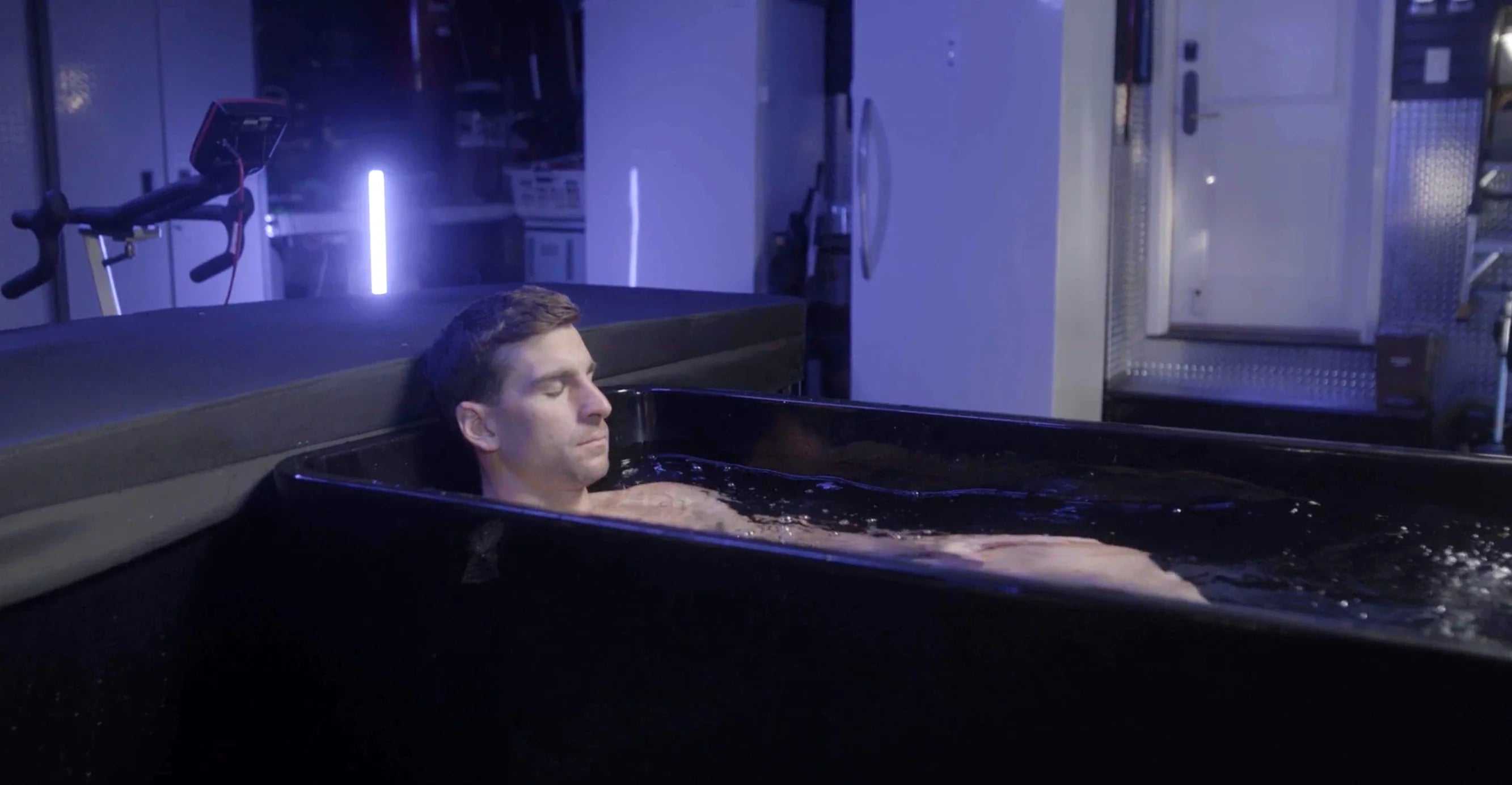
You train hard, stay consistent, and push your limits, yet somehow you’re still showing up to your next session with heavy legs, lingering soreness, and less than your best power output. The problem usually isn’t your training. It’s your recovery. Most athletes either skip structured recovery entirely or follow generic protocols that don’t match their sport, goals, or physiology. This guide gives you a clear, research-backed framework you can personalize and actually stick with, covering the tools you need, the exact sequence to follow, the mistakes to avoid, and how to measure whether your protocol is working.
Table of Contents
- Understanding recovery: Core concepts and outcomes
- What you need: Essential tools, products, and environment
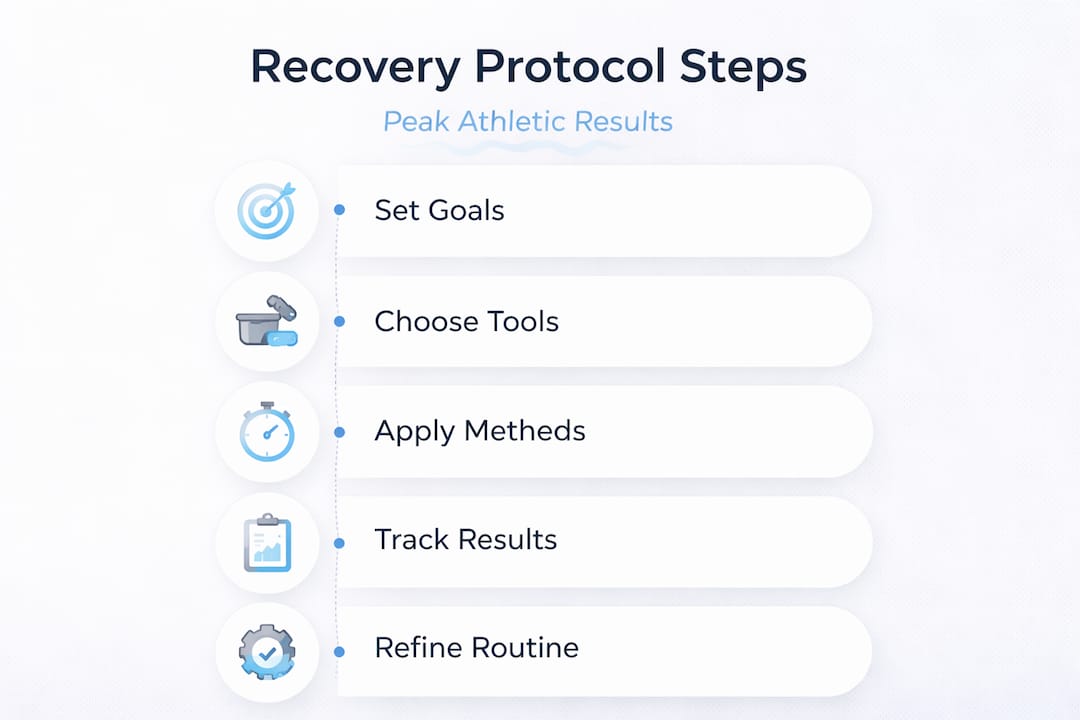
- Step-by-step recovery protocol: Execution and timing
- Troubleshooting and common mistakes: What to avoid and adjust
- Verifying progress: How to measure, adapt, and improve your recovery
- The uncomfortable truth: Why your recovery protocol isn’t a magic bullet
- Enhance your recovery routine with high-performance wellness tools
- Frequently asked questions
Key Takeaways
| Point | Details |
|---|---|
| Personalize your protocol | Match recovery tools to your sport, goals, and soreness type for best results. |
| Timing is critical | Begin recovery steps within 10-30 minutes post-activity for top effectiveness. |
| Use the right modality | Cold immersion is best for soreness; mobility and foam rolling boost overall wellness. |
| Track and adapt | Measure progress and adjust routines frequently for ongoing improvement. |
| No universal solution | Customize your recovery; no single protocol fits every athlete or goal. |
Understanding recovery: Core concepts and outcomes
Recovery is not simply resting after hard work. In athletic and wellness contexts, recovery means the full restoration of physical, neuromuscular, and psychological function following any significant training or competitive stress. That includes muscle fiber repair, rebalancing of the nervous system, reduction of inflammation, and returning your mental readiness to a baseline where you can perform again at a high level.
Why recovery matters becomes obvious when you break down the outcomes you’re actually chasing:
- Reduced muscle soreness (DOMS): The delayed onset muscle soreness that peaks 24 to 72 hours post-session
- Lower muscle damage markers: Creatine kinase (CK) and other biomarkers signal how much structural damage occurred
- Restored neuromuscular function: Jump height, sprint speed, and force production need to return to baseline before your next session
- Psychological readiness: Focus, motivation, and perceived wellness are often the first things to drop and the last to return
- Injury prevention: Carrying unresolved fatigue into training is one of the biggest contributors to overuse injuries, and solid injury prevention strategies address recovery as a foundational pillar
Here’s the key insight most athletes miss: not every modality works equally well for every outcome. A 2026 network meta-analysis confirmed that different modalities may be most effective for different recovery targets, such as soreness versus muscle damage markers versus neuromuscular function. That means you can’t just pick one method and expect it to cover all your bases.
Pro Tip: Before building your protocol, write down your top two recovery goals. Soreness reduction? Power restoration? Mental clarity? Your goals should drive your tool selection, not the other way around.
Psychological factors and adherence are just as critical as the tools themselves. A perfect protocol you follow twice a week beats a theoretical gold standard you abandon after day three.
What you need: Essential tools, products, and environment
Knowing your goals is step one. Knowing what tools actually serve those goals is step two. The recovery modality market is loud and crowded, so let’s cut through the noise with a practical comparison.
| Modality | Primary target | Cost range | Space needed | Key benefit |
|---|---|---|---|---|
| Foam roller | Soreness, mobility | Low | Minimal | Accessible, immediate effect |
| Cold plunge (CWI) | DOMS, CK reduction | Mid to high | Moderate | Strong evidence for soreness and damage markers |
| Far-infrared (FIR) therapy | Jump restoration, power | Mid to high | Moderate | Top ranked for neuromuscular recovery |
| Sauna (heat therapy) | Cardiovascular, relaxation | High | Large | Systemic recovery, sleep quality |
| Compression devices | Soreness, circulation | Mid | Minimal | Portable, easy to layer with other methods |
| Active recovery (mobility/light cardio) | Neuromuscular, wellness | Free | Minimal | Effective when timed correctly post-session |
The research here is sharp. A 2026 network meta-analysis found that far-infrared therapy ranked highest for jump restoration, cold compression was best for soreness, and cold-water immersion led for DOMS and muscle damage markers. That gives you a clear hierarchy depending on what you’re prioritizing that day.
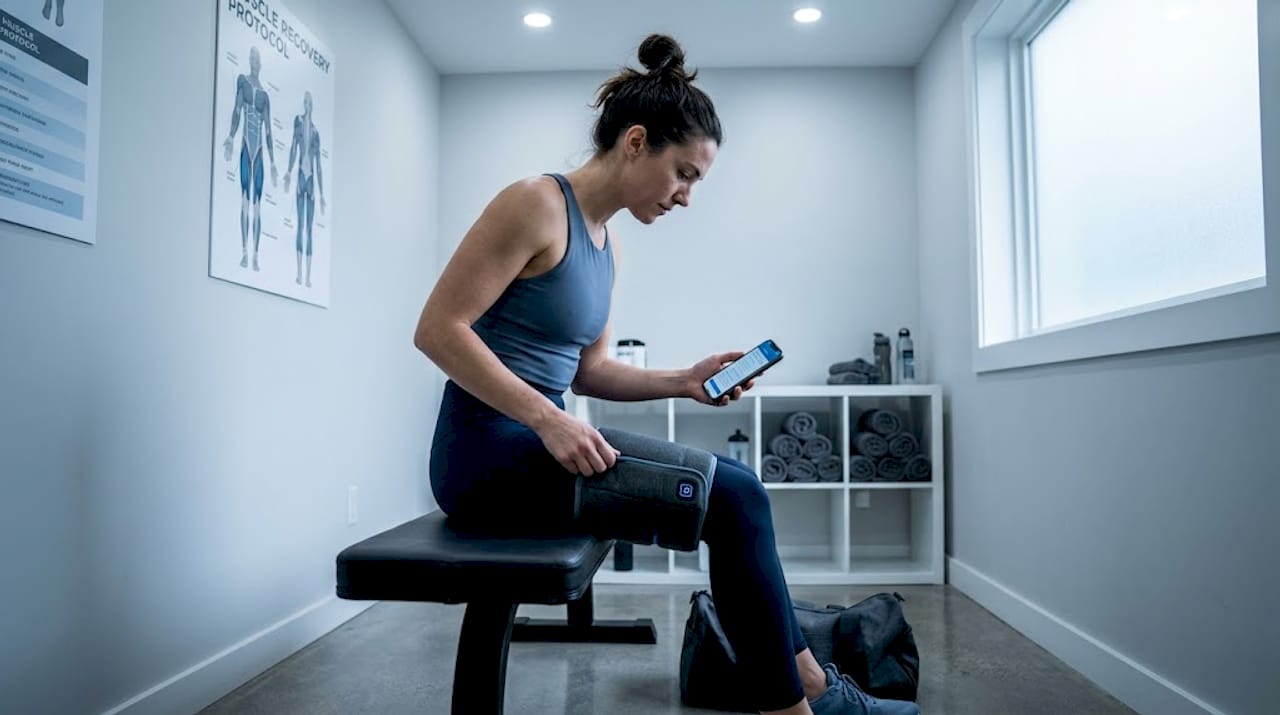
Explore the top recovery methods based on your sport and training cycle so you’re not guessing.
Beyond the hardware, your environment matters more than most people realize. You need:
- A quiet, low-distraction space to fully shift your nervous system into recovery mode
- A timer for cold exposure and active recovery intervals
- Reliable water access for cold plunges, hydration, and cooldowns
- Enough floor space for mobility work and foam rolling
- Consistent temperature control if you’re pairing heat and cold modalities
Pro Tip: Start with accessible modalities like foam rolling and active recovery before investing in hardware. Once you understand your body’s response patterns, you’ll spend money in the right places instead of buying gear that collects dust.
Step-by-step recovery protocol: Execution and timing
This is where the protocol actually lives. The sequence below is built around evidence and designed for post-training use. Customize it based on the tools you have available.
- Cooldown (5 to 10 minutes): Never stop abruptly. Walk, cycle at low intensity, or perform light dynamic movement to begin clearing metabolic waste and reducing heart rate gradually.
- Foam rolling and soft tissue work (5 to 10 minutes): Target the muscle groups you trained. Spend 45 to 60 seconds on each area. This primes tissue for the modalities that follow and addresses immediate soreness signals. Research shows that active recovery and foam rolling improve immediate and short-term markers, especially when performed within 5 to 10 minutes post-exertion.
- Cold-water immersion (10 to 15 minutes at 50 to 59°F): Enter within 30 minutes of finishing training for the strongest soreness and DOMS response. A 2025 trial on CWI and active recovery in athletes found that cold-water immersion showed advantages for reducing soreness and creatine kinase versus both active and passive recovery.
- Static stretching and mobility work (10 to 15 minutes): After cold exposure, return to room temperature and focus on lengthening tight muscle groups. This is more effective at this stage because the initial inflammatory response has been modulated.
- Nutrition and hydration window (within 30 to 60 minutes): Prioritize protein (20 to 40g) and carbohydrates, especially after strength or power sessions. Rehydrate with electrolytes, not just plain water.
- FIR or compression therapy (20 to 30 minutes, optional): For athletes focused on restoring power and jump performance, adding a far-infrared session later in the day (or the following morning) addresses neuromuscular recovery separately from the acute soreness response.
- Sleep and passive rest: This is non-negotiable. All your other interventions amplify or diminish depending on sleep quality and duration.
| Intervention | Optimal timing | Duration | Priority level |
|---|---|---|---|
| Active recovery/cooldown | Immediately post-session | 5 to 10 min | High |
| Foam rolling | Within 10 min post-session | 5 to 10 min | High |
| Cold-water immersion | Within 30 min post-session | 10 to 15 min | High for soreness |
| Stretching/mobility | After CWI | 10 to 15 min | Medium |
| Nutrition window | Within 30 to 60 min | Ongoing | High |
| FIR therapy | 2 to 6 hours post or next AM | 20 to 30 min | High for power |
Check out real recovery routine examples from athletes to see how this structure adapts across different sports and training schedules.
Pro Tip: For the best DOMS and soreness reduction, prioritize your cold plunge execution within 30 minutes post-exercise. This is the window where cold exposure has the strongest anti-inflammatory effect on muscle tissue.
Troubleshooting and common mistakes: What to avoid and adjust
Even athletes who understand the science make predictable errors when applying recovery protocols in real life. Here are the ones that cause the most performance drag:
- Inconsistency: Doing your full protocol after hard sessions but nothing after moderate ones leaves your body in a partial recovery state going into each week.
- Over-relying on one method: Cold plunges are effective, but they can’t address every recovery target. Using only one tool limits your outcomes, especially for neuromuscular restoration.
- Ignoring readiness signals: Training through unresolved fatigue because the schedule says so is one of the fastest paths to overuse injury. Soreness that persists beyond 72 hours is a signal, not a badge of effort.
- Skipping the mental side: Stress, poor sleep, and low motivation all degrade recovery quality. Addressing only the physical while ignoring psychological load is a common gap in athlete recovery plans.
- Poor sequencing: Doing static stretching before cold exposure, or eating a full meal immediately before a plunge session, reduces effectiveness and comfort.
“Benchmarks should be approached cautiously: protocol differences and indirect metrics abound.” A 2018 review of recovery protocols emphasized that many studies use indirect markers and variable protocols, making universal recommendations difficult. Context and personal response should guide your choices.
Understanding the science behind ice baths helps you avoid applying cold therapy at the wrong time or for the wrong reason, such as using it immediately post-strength session when you’re actively trying to maximize hypertrophy, since cold can blunt anabolic signaling in that context.
The fundamentals of athlete conditioning also remind us that recovery protocols work within a larger system. Fitness and recovery are inseparable.
Pro Tip: Track your recovery response in a simple journal or app. Note soreness levels, sleep quality, and subjective energy before each session. Over four to six weeks, patterns will tell you which interventions actually move the needle for your body.
Verifying progress: How to measure, adapt, and improve your recovery
A recovery protocol without measurement is just a routine. To know whether it’s working, you need consistent checkpoints. Here’s what to track:
- Daily soreness log (1 to 10 scale): Rate soreness by muscle group. Patterns reveal which sessions create the most damage and whether your protocol is reducing recovery time.
- Sleep duration and quality: Use a wearable or a simple sleep diary. Poor sleep consistently undercuts every other recovery effort.
- Mood and energy before training: A 1 to 5 subjective readiness rating is fast, practical, and surprisingly predictive of actual performance output.
- Jump testing: Countermovement jump height is one of the most reliable field measures of neuromuscular fatigue. If jump height is down more than 5% from your baseline, you need more recovery time.
- Sport-specific readiness benchmarks: Sprint time, grip strength, or lifting performance relative to recent averages all signal whether recovery has been sufficient.
Adapt based on what the data shows. More soreness than expected? Add CWI the morning after or extend foam rolling time. Jump height dropping mid-week? Consider adding a FIR session between training days. These aren’t random adjustments, they’re targeted responses to measurable signals.
Reviewing effective recovery routines used by high-performing athletes gives you a reference point for how your metrics compare and what adjustments others have found effective.
Pro Tip: Consistent application and small, data-driven tweaks outperform chasing the latest recovery trend every time. Research confirms that psychological and adherence factors significantly impact whether athletes follow recovery routines consistently enough to see real outcomes.
The uncomfortable truth: Why your recovery protocol isn’t a magic bullet
Here’s what the influencer content won’t tell you: even the most research-backed protocol in the world can fail if it doesn’t fit your actual life. The meta-analyses are built on controlled conditions, standardized populations, and indirect markers. Your life is messier than that.
We’ve seen athletes obsess over optimizing their CWI temperature to the exact degree while sleeping six hours a night and skipping nutrition windows. That’s working on the edges while ignoring the foundation. The 2018 review is worth repeating here: protocol differences and indirect metrics abound, meaning even the science has significant noise in it.
The winning recovery routines, the ones that actually produce consistent performance improvement over a full season, are the ones athletes can realistically follow week after week. Not the theoretically optimal ones. The practical ones. Reviewing what works across athlete recovery examples reinforces this point. The athletes who improve the most are not necessarily using the most expensive tools. They’re using tools they understand, enjoy enough to repeat, and apply consistently.
Recovery goals also shift. Early in a training block, you might prioritize DOMS reduction to keep training quality high. Deep in a competition cycle, neuromuscular restoration and psychological readiness take over. Your protocol needs to flex with your phase, not stay frozen in the version you built in week one. Expect to rethink your approach every four to six weeks, especially when your training load, sport demands, or wellness goals shift meaningfully.
Enhance your recovery routine with high-performance wellness tools
The protocol only works as well as the tools behind it. Whether you’re focused on acute soreness after a brutal training block or restoring jump power between competitions, having the right equipment at home or in your facility makes the difference between following your protocol and skipping it.
Coldture’s line of cold plunges brings professional-grade cold-water immersion into your home or gym, with precise temperature control, durable construction, and a design that makes daily use realistic, not a hassle. For neuromuscular restoration and jump recovery, Coldture’s red light therapy systems deliver targeted far-infrared and red light wavelengths shown to support tissue repair and power restoration. Pair them together and you have the foundation for a multi-modal recovery protocol that addresses both soreness and performance. Browse the full collection and find the combination that matches your goals, budget, and space.
Frequently asked questions
What is the most science-backed recovery method for muscle soreness?
Cold-water immersion and cold compression therapies show the strongest evidence for reducing post-exercise muscle soreness. Research confirms that CWI reduces DOMS and muscle soreness more effectively than active or passive recovery alone.
How soon should you start a recovery protocol after intense activity?
Begin recovery steps within 10 to 30 minutes post-session for the best effect, starting with light active recovery followed by your chosen modalities. Studies show that recovery modalities are most effective when begun within 10 to 30 minutes post-exercise.
Can one recovery protocol address all athlete needs?
No single method is best for everything; protocols should be tailored to your sport, performance goals, and recovery focus. A 2026 meta-analysis confirmed that different modalities are effective for different outcomes, and individualization is critical.
How do I know if my recovery protocol is working?
Monitor soreness, performance, mood, and sleep over time. Consistent improvement across those markers over four to six weeks means your approach is delivering results.
Does cold therapy improve sprint performance?
Research does not consistently show sprint improvement from any recovery modality, including cold therapy. A 2026 network meta-analysis found that no recovery intervention consistently improved 20-meter sprint performance in elite athletes.
Share:
2,000 Days in Cold Water: What Happened to One Toronto Man's Body, Brain, and Life
Designing a home spa: transform your space for wellness