

TL;DR:
- Active recovery involves low-intensity movement to promote blood flow and muscle repair.
- It is more effective than passive rest for speeding recovery and reducing soreness.
- Use active recovery on regular rest days, but avoid it when injured, sick, or extremely fatigued.
Most people assume recovery means doing nothing. Lie on the couch, skip the gym, and let your body sort itself out. But active recovery is low-intensity physical activity performed after strenuous exercise or on rest days to promote recovery, and research consistently backs its advantages over complete inactivity. Whether you’re an athlete pushing hard six days a week or someone who just crushed a tough workout, understanding active recovery could be the missing piece between feeling beat up and bouncing back faster. This article breaks down what it is, how it works, the best methods to use, and when to skip it entirely.
Table of Contents
- What is active recovery?
- How does active recovery work?
- Key methods and examples of active recovery
- When and when not to use active recovery
- Why most people misuse recovery—and how to do it better
- Experience enhanced recovery with Coldture Wellness
- Frequently asked questions
Key Takeaways
| Point | Details |
|---|---|
| Active recovery defined | Gentle movement after workouts boosts recovery better than full rest in most cases. |
| Backed by science | Research shows active recovery helps clear waste, reduce soreness, and speed up muscle repair. |
| Practical techniques | Options like walking, yoga, and light swimming are ideal for effective active recovery. |
| Individualized approach | Everyone should tailor active recovery based on their body’s cues and needs for best results. |
What is active recovery?
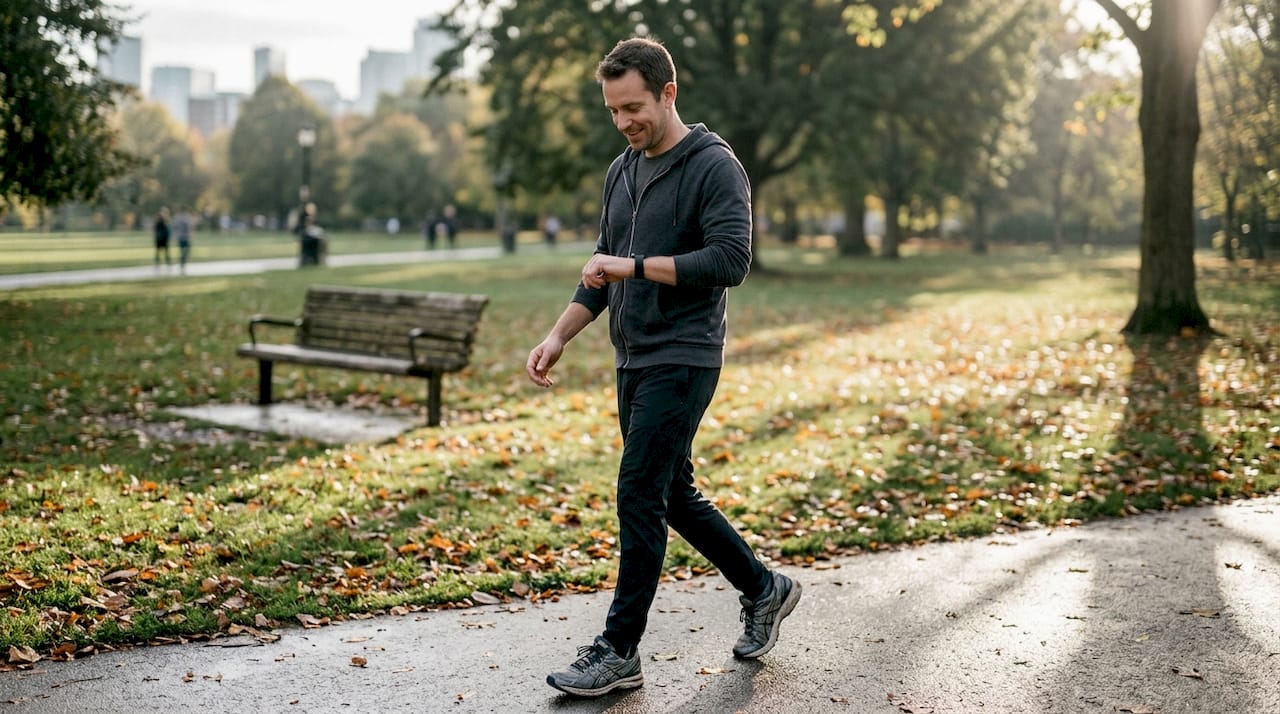
Active recovery is purposeful, low-intensity movement built into your rest periods. It’s not a light workout disguised as recovery. It’s deliberate, controlled activity designed to support your body’s repair process without adding meaningful stress. Think of it as the difference between sitting completely still and taking a slow, easy walk around the block. Both feel restful. One actively helps your body recover.
Low-intensity activity like walking, yoga, or swimming performed after workouts qualifies as active recovery. The defining factor is intensity. You should be able to hold a full conversation without gasping. Heart rate stays in the 30 to 60 percent of maximum range. If you’re breathing hard, you’ve crossed out of recovery territory.
Active recovery fits into your routine in three main ways:
- Post-workout cooldowns: A 10 to 20 minute easy walk or stretch session immediately after training
- Designated recovery days: Full sessions of yoga, swimming, or easy cycling on non-training days
- Between sets or intervals: Short movement breaks during a workout to maintain blood flow without full rest
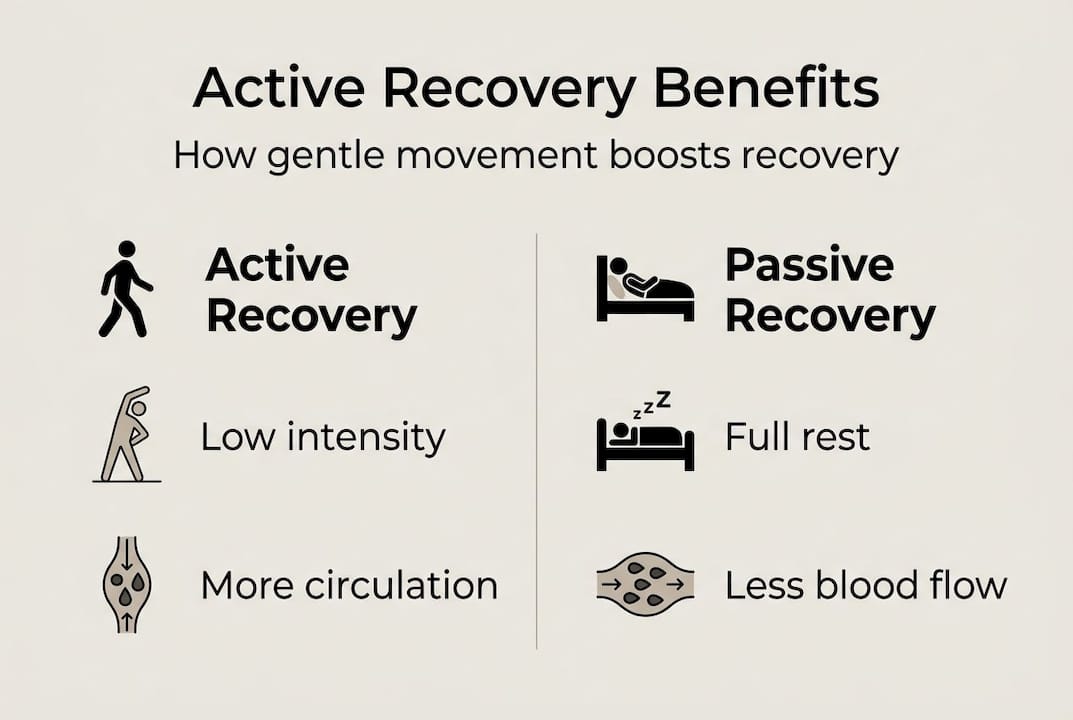
The contrast with passive recovery matters. Passive recovery means complete rest, no movement, no structured activity. It has its place, but it isn’t always the superior choice. Building effective recovery routines means knowing when each approach fits. For most people on most days, gentle movement beats the couch.
Active recovery vs. passive recovery at a glance:
| Factor | Active recovery | Passive recovery |
|---|---|---|
| Movement | Low-intensity | None |
| Blood flow | Increased | Baseline |
| Best use | Post-workout, rest days | Illness, injury, burnout |
| Recovery speed | Faster for most cases | Slower but necessary sometimes |
The key takeaway: active recovery is not a replacement for rest. It’s a smarter version of it for the right situations.
How does active recovery work?
The science behind active recovery comes down to circulation. When you move, even gently, your heart pumps more blood to working muscles. That increased blood flow carries two critical things: oxygen and nutrients needed for repair, and a faster exit route for metabolic waste products that build up during hard training.
Active recovery increases blood flow, removes metabolic waste like lactic acid, and reduces DOMS (delayed-onset muscle soreness), which is the stiffness and aching you feel 24 to 72 hours after intense exercise. DOMS is partly caused by micro-tears in muscle fibers and the inflammatory response that follows. Better circulation means faster delivery of repair materials and quicker clearance of inflammation-driving compounds.
Here’s a practical way to think about it. Your muscles after a hard session are like a construction site after a storm. Debris everywhere, supply trucks stuck in traffic. Active recovery is like clearing the roads so those trucks can get in and out faster. Complete rest leaves the roads blocked.
“Movement is medicine for the recovering body. The right dose at the right time accelerates repair. The wrong dose delays it.”
Physiological effects of active recovery:
| Effect | Mechanism | Benefit |
|---|---|---|
| Increased circulation | Elevated heart rate | Faster nutrient delivery |
| Lactic acid clearance | Enhanced blood flow | Reduced muscle fatigue |
| Reduced DOMS | Improved waste removal | Quicker return to training |
| Lower inflammation | Better nutrient/waste exchange | Less soreness and stiffness |
Exploring top recovery methods alongside active movement can amplify these effects significantly. Cold therapy, for example, works through a different but complementary mechanism, making the two a powerful combination for serious recovery goals.
Key methods and examples of active recovery
Knowing the theory is useful. Having a practical plan is better. Active recovery methods range from beginner-friendly to more structured options for experienced athletes. The best choice depends on your current fitness level, what you trained the day before, and how your body feels.
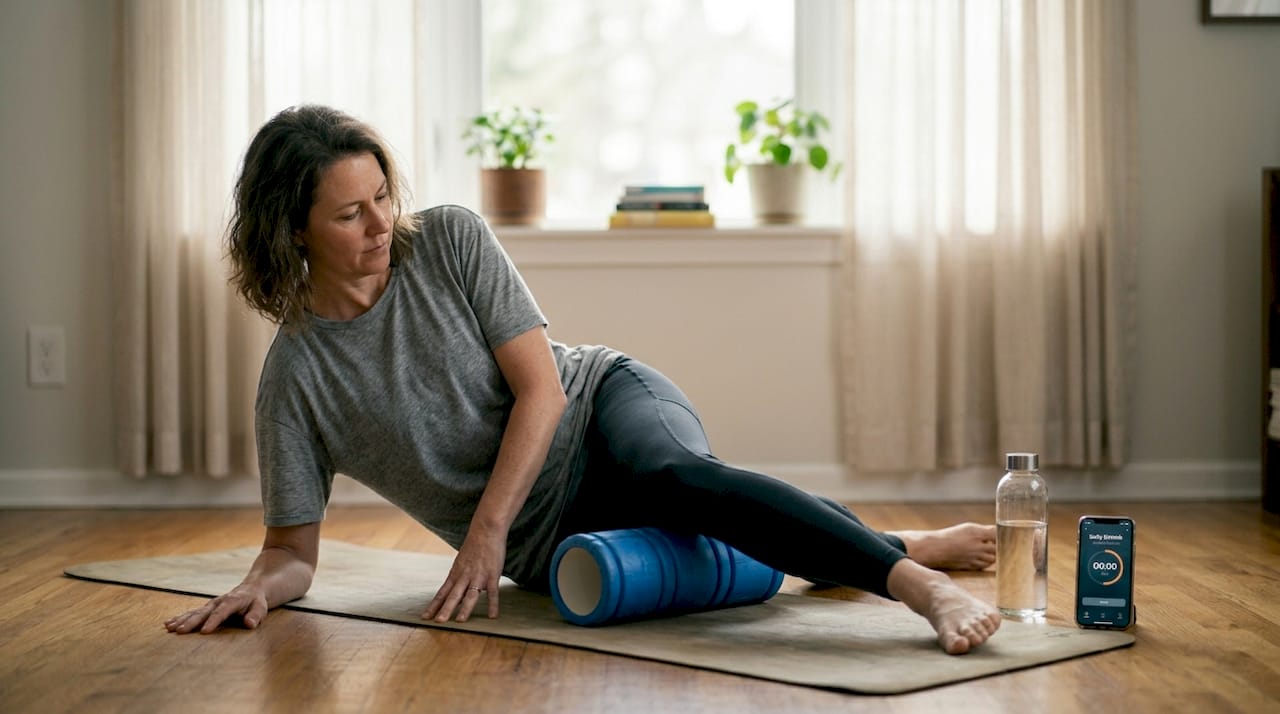
Common methods include low-impact cardio, stretching, yoga, foam rolling, and bodyweight circuits. Each serves a slightly different purpose and suits different recovery needs.
Popular active recovery options compared:
| Activity | Duration | Intensity (RPE 1-10) | Best timing |
|---|---|---|---|
| Walking | 20 to 40 min | 2 to 3 | Any recovery day |
| Yoga | 30 to 45 min | 2 to 4 | Morning or evening |
| Easy cycling | 20 to 30 min | 3 to 4 | Day after leg training |
| Foam rolling | 10 to 20 min | 1 to 2 | Pre or post any session |
| Light swimming | 20 to 30 min | 2 to 4 | Full body recovery days |
For beginners, a simple session template works well:
- Start with 5 minutes of slow walking to ease into movement
- Continue at a comfortable pace for 20 to 40 minutes total
- Keep RPE (rate of perceived exertion) between 2 and 4 out of 10
- Finish with 5 to 10 minutes of gentle stretching
- Aim for 1 to 2 sessions per week on non-training days
Athletes with higher training volumes can add light swimming, easy rec cycling, or low-load bodyweight circuits. The goal stays the same: stimulate blood flow without taxing the nervous system or muscle tissue further.
Pro Tip: If you’re unsure whether your active recovery session is too intense, use the talk test. If you can’t speak a full sentence comfortably, slow down immediately. This keeps you in the recovery zone instead of accidentally adding training stress.
Pairing active recovery with a structured cold plunge routine or incorporating it into broader performance recovery rituals takes results to another level, especially for athletes training multiple days in a row.
When and when not to use active recovery
Active recovery is a powerful tool, but it’s not always the right one. Knowing when to use it and when to step back is just as important as the methods themselves.
Best times to use active recovery:
- The day after a high-intensity training session or competition
- On lighter training days when volume is low
- During deload weeks to maintain movement without adding load
- As a cooldown immediately following a tough workout
- Between hard training blocks to maintain momentum without overloading
But there are real situations where active recovery is the wrong call. Passive recovery is superior in cases of illness, acute injuries, or extreme fatigue. If you’re fighting a cold, dealing with a sprain, or running on empty after weeks of high-volume training, complete rest is not laziness. It’s the smart, necessary choice.
Active recovery also isn’t ideal during hypertrophy-focused training cycles where muscle tissue needs maximum repair time. Adding even low-intensity movement on days when your muscles are still rebuilding can slow that process.
Pro Tip: Keep a simple daily rating system. Each morning, score your energy, soreness, and mood on a scale of 1 to 5. If you consistently score 2 or below across all three, take a full passive rest day. This removes guesswork and keeps you honest about what your body actually needs.
Understanding why recovery matters at a deeper level helps you make these calls with confidence rather than guilt. Recovery is not optional. It’s where adaptation actually happens.
Quick reference guide:
| Who you are | Recommended approach |
|---|---|
| Beginner | 1 active recovery day per week, focus on walking or yoga |
| Recreational athlete | 1 to 2 active recovery days, mix methods based on feel |
| Competitive athlete | 2 to 3 structured active recovery sessions, monitor closely |
| Injured or sick | Full passive rest until cleared by a professional |
Why most people misuse recovery—and how to do it better
Here’s something the fitness industry doesn’t say enough: the obsession with doing something on rest days has become its own problem. Scroll through any training community and you’ll find people debating whether their “easy” run was easy enough, or stacking active recovery on top of already high training loads. That’s not recovery. That’s avoidance of rest dressed up in athletic language.
Active recovery works for routine use but is not a universal solution, and context always comes first. The athletes who recover best aren’t the ones who never sit still. They’re the ones who read their body accurately and respond to what it’s actually asking for.
We’ve seen people use active recovery as a psychological crutch, unable to justify a full rest day without movement attached to it. That mindset leads to accumulated fatigue, stalled progress, and eventually burnout. The best recovery methods are the ones matched to your real state, not your ideal self-image.
Build a habit of honest self-assessment. Some days, a 30-minute walk is exactly right. Other days, the most productive thing you can do is nothing at all. Both are valid. Both are part of a complete recovery strategy.
Experience enhanced recovery with Coldture Wellness
If active recovery has you thinking seriously about your overall recovery strategy, Coldture Wellness has the tools to match your ambition.
Our cold plunges are built for athletes and wellness enthusiasts who want professional-grade cold therapy at home, accelerating the same circulatory and inflammatory benefits that make active recovery so effective. Pair that with time in one of our outdoor saunas for contrast therapy that serious performers swear by. Whether you’re building a home recovery setup or upgrading a commercial space, Coldture products are designed to make every recovery session count. Browse the full range and find what fits your routine.
Frequently asked questions
What counts as active recovery?
Active recovery includes low-intensity movement like walking, yoga, or easy cycling performed after exercise to support your body’s natural repair process without adding training stress.
How does active recovery differ from passive recovery?
Passive recovery is complete rest with no movement, while active recovery uses gentle movement to increase blood flow and speed up muscle repair, making it more effective for routine post-workout days.
When should I avoid active recovery?
Skip active recovery when you’re sick, injured, or severely fatigued. Passive rest is superior in those cases and gives your body the complete downtime it needs to heal.
How often should I do active recovery?
Most people benefit from 1 to 2 active recovery days per week, but your ideal frequency depends on your training volume, fitness level, and how your body responds from week to week.
Share:
How cold therapy impacts longevity: evidence and insights
How to combine heat and cold therapy for faster recovery