

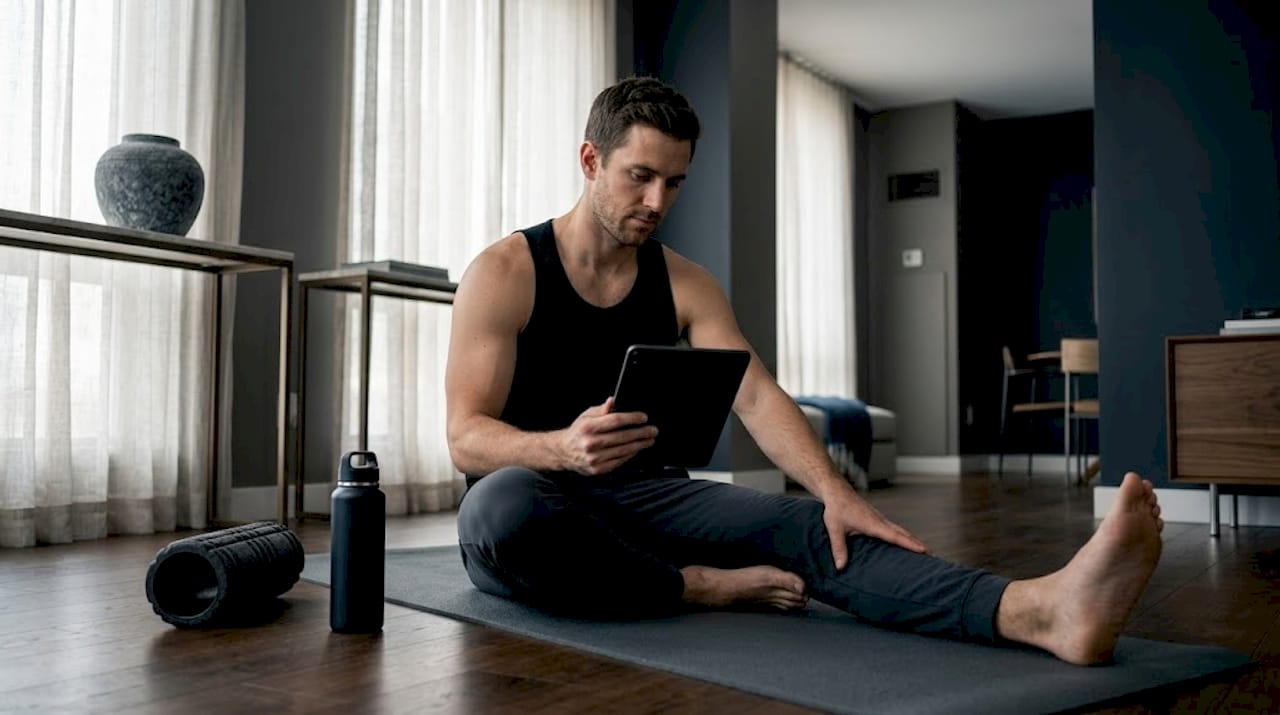
Most athletes train hard. Fewer recover well. That gap is exactly where performance gains are won or lost. If you’ve ever felt like your training isn’t translating to results, or you keep hitting the same nagging injuries, the issue probably isn’t your effort. It’s your recovery. These recovery optimization steps give you a structured, evidence-based protocol that addresses every phase, from the minutes after you finish training to the weeks it takes to rebuild stronger tissue. You’ll leave with a clear system you can start using immediately.
Key takeaways
| Point | Details |
|---|---|
| Cold immersion timing matters | Submerge within 2 hours post-exertion at 10–15°C for 10–15 minutes to maximize acute recovery benefits. |
| Protein windows are non-negotiable | Consume 30–40g of protein within 60–90 minutes after training to drive muscle repair effectively. |
| Heat therapy comes later | Infrared sauna is most effective 8–12 hours post-exertion, not immediately after training. |
| Address root causes first | Biomechanical assessment before you start any recovery program prevents recurring injuries from being masked instead of fixed. |
| Track objective markers | Heart rate variability and sleep quality data give you real feedback to adjust your protocol, not just guesswork. |
Recovery optimization steps: what you need in place first
Before you sequence any protocol, you need a foundation. Skipping this step is why most recovery routines fail within weeks.
Start with a baseline physical assessment. A proper biomechanical evaluation identifies movement compensations, muscle imbalances, and structural vulnerabilities that a generic program won’t catch. Root cause correction matters more than symptom management. If a tight hip flexor is driving your lower back pain, ice and foam rolling won’t fix it. You need to know what you’re actually dealing with.
Nutrition is the next pillar. Here’s what your baseline should cover:
- Protein: 1.6–2.2g per kilogram of bodyweight per day to support muscle tissue repair
- Hydration: At minimum 35ml per kilogram of bodyweight daily, more on training days
- Omega-3 fatty acids and Vitamin A: Support cellular membrane fluidity and reduce systemic oxidative stress
- Micronutrients: Magnesium, zinc, and Vitamin D are the most commonly deficient in hard-training athletes
Your environment matters just as much as what you eat. Sleep quality, ambient temperature during rest, and access to the right recovery tools all determine your ceiling. Here’s a quick overview of the primary recovery modalities and when they apply:
| Modality | Primary benefit | Best timing |
|---|---|---|
| Cold plunge | Reduces acute inflammation, speeds waste clearance | Immediately post-exertion |
| Infrared sauna | Promotes circulation, clears inflammatory byproducts | 8–12 hours post-exertion |
| Red light therapy | Accelerates cellular repair | Any time, consistent daily use |
| Compression gear | Reduces swelling, improves venous return | During and after training |
| Vibration platform | Reduces DOMS, improves lymphatic flow | Sub-acute phase onward |
Pro Tip: Before investing in any recovery tool, spend one week logging your sleep, soreness levels, and perceived energy each morning. That baseline data makes it much easier to measure what’s actually working later.
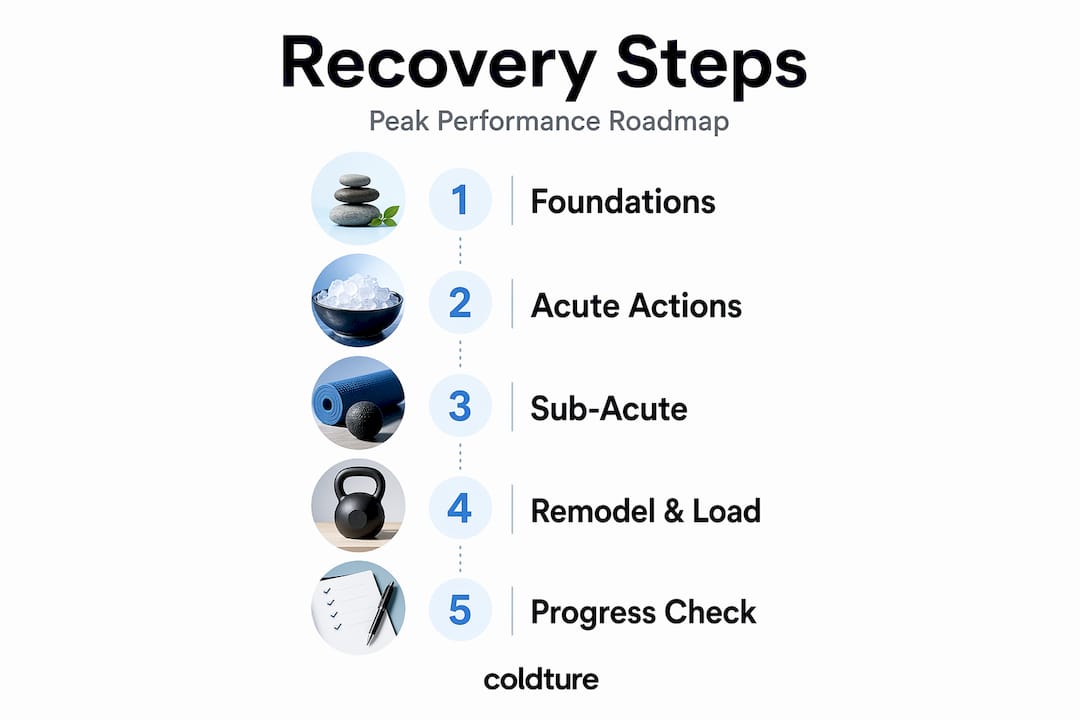
Step-by-step recovery execution
This is where most athletes either win or lose the adaptation game. Sequence matters. The right intervention at the wrong time can set you back.
Immediately post-exertion (0–2 hours)
Get your cold immersion in first. 10–15 minutes at 10–15°C is the evidence-backed protocol. Don’t go colder thinking more is better. The goal is controlled vasoconstriction and metabolic waste clearance, not shock. Within that same window, hit your nutrition.
- Cold plunge within 2 hours post-exertion. The greatest recovery benefits from cold immersion come when you act fast. The window closes quickly.
- Consume 30–40g protein within 60–90 minutes. Whey protein or a whole food equivalent. The post-exertion protein window is real and worth protecting.
- Add fast-digesting carbohydrates to replenish glycogen if your session exceeded 60 minutes of moderate-to-high intensity work.
- Hydrate aggressively with electrolytes, not just water. Sodium and potassium rebalancing accelerates fluid retention in muscle tissue.
Sub-acute phase (2–24 hours)
This is where heat therapy earns its place. Infrared sauna used 8–12 hours after intense training penetrates tissue deeper than a surface-level steam session, clearing inflammatory byproduct buildup without disrupting the acute inflammatory signaling your body needs. Pair it with light movement: a 20-minute walk, gentle mobility work, or an easy swim.
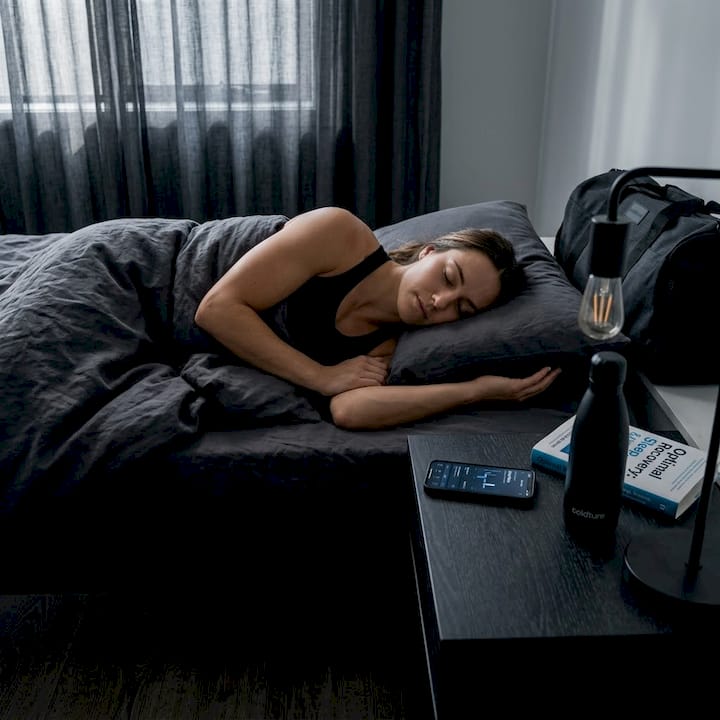
Sleep is the most underrated tool in any recovery process improvement plan. Growth hormone release during deep sleep is the primary driver of muscle and connective tissue repair. No supplement stack replaces a consistent 8 to 9 hours of quality sleep. Protect your circadian rhythm: consistent sleep and wake times matter as much as duration.
Remodeling and return-to-performance phase (days 3–14+)
This phase is where athletes get impatient and make mistakes. Progressive loading is the principle here: gradually increase mechanical stress on recovering tissue before introducing sport-specific demands.
Add collagen peptides with vitamin C, specifically 10–15g consumed 30–60 minutes before light movement or stretching, to drive connective tissue synthesis. This is especially critical if you’re recovering from a tendon or ligament strain.
Pro Tip: In the remodeling phase, include balance drills and sport-specific movement patterns, not just strength work. Tissue needs functional preparation, not just mass. A structured recovery protocol accounts for both.
| Phase | Focus | Key intervention |
|---|---|---|
| Acute (0–48 hrs) | Reduce inflammation, restore fuel | Cold immersion, protein, sleep |
| Sub-acute (2–7 days) | Restore mobility, light loading | Heat therapy, active recovery, collagen |
| Remodeling (1–4 weeks) | Progressive loading, tissue prep | Sport-specific drills, strength progression |
Common recovery mistakes athletes make
Even athletes who understand recovery theory make the same errors in practice. Here are the ones that cost the most.
- Using heat too early. Applying a sauna or hot bath immediately post-exertion feels soothing but blunts the acute inflammatory response your body needs to initiate repair. Wait. Eight to twelve hours is the minimum.
- Treating symptoms instead of causes. If you keep reinjuring the same hip, knee, or shoulder, there’s a biomechanical driver you haven’t addressed. Foam rolling the symptom site and hoping for the best is not a plan.
- Skipping protein between training days. Many athletes nail their post-workout nutrition but drift toward lower protein intake on rest days. Muscle protein synthesis remains elevated for 24–48 hours after training. Keep your protein consistent.
- Routine NSAID use. NSAIDs blunt inflammatory signaling that drives tissue adaptation. Using ibuprofen to train through pain chronically is trading short-term comfort for long-term regression. Reserve NSAIDs for genuine acute pain, not soreness management.
- Treating rest days as recovery days without structure. Rest and active recovery are different. A completely sedentary rest day with poor sleep, poor nutrition, and no movement does less for you than a 30-minute easy walk, a 20-minute sauna session, and a solid meal.
Pro Tip: If you’ve been dealing with a nagging injury that won’t resolve, get a biomechanical assessment before adding more recovery tools. Layering protocols on top of a structural problem you haven’t identified just delays the inevitable.
“Setting realistic expectations and treating recovery as a process, not a product, leads to better adherence and more consistent performance gains over time.” — Top Non-Surgical Men’s Health Clinics in Dallas
How to measure your recovery progress
Knowing which steps for recovery optimization are working requires actual data. Intuition isn’t enough when you’re trying to improve.
Here’s a practical tracking system you can implement immediately:
- Morning soreness and fatigue score. Rate both on a 1–10 scale each morning. Three or more consecutive days above 7 is a signal to reduce training load, not push harder.
- Heart rate variability (HRV). HRV is the most sensitive objective marker available without lab testing. A consistent downward trend over 5–7 days signals accumulated stress your body hasn’t absorbed yet.
- Sleep quality tracking. Track total sleep time, time to fall asleep, and how rested you feel upon waking. Even without a wearable, a basic log reveals patterns.
- Strength benchmarks. Test a key compound movement, such as a squat or pull-up, every two weeks under standardized conditions. Strength maintenance during high training volume confirms your recovery is keeping pace.
- Tissue response during loading. If pain, swelling, or sharp discomfort appears during progressive loading phases, that’s your body telling you to reduce intensity before advancing.
| Marker | Tracking method | Action threshold |
|---|---|---|
| Soreness and fatigue | Daily 1–10 self-rating | Reduce load if 7+ for 3+ consecutive days |
| HRV | Wearable or app | Downward trend over 5–7 days = reduce load |
| Sleep quality | Wearable or manual log | Below 7 hours or poor quality for 3+ nights = prioritize sleep |
| Strength output | Bi-weekly lift testing | Drop greater than 10% = volume or intensity too high |
Personalized guidance from a coach or recovery navigator accelerates this process. You’ll spot patterns in your data faster with an experienced eye reviewing it alongside you.
What I’ve learned from years inside recovery
When I was rehabbing my knee injury, I tried every product I could find. None of them were built to the standard I needed. What I learned through that process was that the tools matter far less than the protocol around them. Cold water was genuinely transformative for me, but not because of the gear. It was because I started respecting the timing, the temperature, and the sequence.
The biggest shift in my thinking was accepting that recovery is an active process, not passive rest. Every choice you make between sessions either compounds or erodes the work you put in during them. I’ve seen athletes with elite-level training discipline fall apart in the recovery phase because they treated it like downtime.
I’ll be honest: I’m skeptical of quick-fix claims in recovery, and you should be too. Anyone promising recovery in hours from a single device or supplement hasn’t spent enough time with real athletes in real conditions. What actually works is the combination of optimizing recovery strategies you can apply consistently, over months, not days.
The protocol I’ve outlined here isn’t complicated. But it does require you to treat recovery with the same seriousness you bring to training. When you do that, the results compound in ways that feel almost unfair.
— Daniel
Build your recovery setup with Coldture
If you’re ready to move from protocol to practice, the right equipment makes the difference between intentions and results.
Coldture builds recovery systems used by NHL organizations, Olympic teams, and ATP Tour athletes because the products are designed around real performance demands, not wellness aesthetics. The Elite Recovery Bundle combines a cold plunge, hybrid sauna, and red light therapy into one system that covers every phase of the protocol above. For those starting out, the Recovery Starter Bundle gives you the foundational tools at a price that makes sense. Every product is built to integrate into a structured protocol, not sit in a corner looking expensive. Explore Coldture’s recovery bundles and find the setup that fits your training life.
FAQ
How long should a cold plunge last for recovery?
Cold water immersion is most effective at 10–15 minutes at 10–15°C, performed within 2 hours of finishing training.
When is the best time to use an infrared sauna after training?
Use infrared sauna 8–12 hours post-exertion, not immediately after training, to avoid disrupting the acute inflammatory phase your body needs for tissue repair.
What does a complete set of recovery optimization steps include?
A full recovery optimization protocol covers cold immersion, protein and carbohydrate timing, sleep quality, progressive loading phases, heat therapy, and consistent progress tracking through HRV and soreness scores.
Should I take NSAIDs regularly to manage training soreness?
No. Routine NSAID use blunts the inflammatory signaling needed for tissue adaptation. Reserve them for acute pain events and prioritize structured recovery protocols instead.
How do I know if my recovery is actually working?
Track morning HRV, soreness scores, sleep quality, and bi-weekly strength benchmarks. Consistent improvement across those four markers confirms your recovery process improvement is keeping pace with your training load.
Share:
The Role of Red Light in Recovery: What Actually Works
Sauna Use and Dementia Risk: What a 20-Year Study of 2,315 Men Actually Found