


TL;DR:
- Evaluate recovery methods based on scientific evidence, recovery type, experience quality, and personal context.
- Cold water immersion reduces soreness when used strategically but may hinder muscle gains with daily use.
- Combining evidence-backed tools like compression garments, sauna, vibration, and hyperbaric oxygen enhances recovery effectively.
Choosing the right recovery therapy feels like standing in front of a wall of supplements at a health store. Everything promises results, nothing comes with a clear roadmap, and the stakes feel high when your performance and wellbeing are on the line. The recovery space has exploded with options ranging from cold plunges to hyperbaric chambers, and separating genuine science from clever marketing takes real effort. This guide cuts through the noise by breaking down the leading recovery therapies, comparing their evidence, and helping you build a smarter, more personalized approach to recovery that actually fits your life and goals.
Table of Contents
- How to evaluate recovery therapies: What matters most
- Cold water immersion: Soothe soreness, reset faster
- Compression therapy: The science of faster recovery
- Vibration and oxygen therapies: Next-level recovery options
- Our perspective: What actually works for recovery in the real world
- Upgrade your recovery experience with Coldture
- Frequently asked questions
Key Takeaways
| Point | Details |
|---|---|
| Prioritize acute strategies | Cold water immersion and compression therapies work best after intense workouts. |
| Evidence over trends | Choose therapies with solid scientific backing for results that last. |
| Stack smart, personalize | Blend therapies based on activity level and listen to your body’s feedback. |
| Luxury isn’t always better | Advanced therapies add value, but basics remain highly effective when used correctly. |
How to evaluate recovery therapies: What matters most
Before spending money or time on any recovery method, you need a clear set of criteria. Not all therapies are created equal, and what works brilliantly for an elite endurance athlete may do almost nothing for someone focused on strength training or stress relief.
Here are the four factors that matter most when evaluating any recovery option:
- Scientific evidence: Is there peer-reviewed research backing the claims, or is it mostly anecdote and influencer endorsement?
- Type of recovery: Active recovery involves movement like light cycling or walking, while passive recovery uses external tools like cold water or compression. Passive strategies like compression garments are effective post-exercise, though active approaches may outperform passive for lactate clearance depending on context.
- Luxury experience: Recovery is not just physical. The mental reset that comes from a beautifully designed sauna or a premium cold plunge matters for consistency and long-term adherence.
- Context of use: Timing, training phase, and individual physiology all shape whether a therapy delivers results or wastes your time.
Setting clear personal wellness goals before investing in therapies is non-negotiable. Are you chasing faster muscle repair? Better sleep? Mental clarity? Each goal points to a different solution. Studying expert recovery routines from athletes can give you a practical framework before you commit. You can also explore top recovery methods to get a broader picture of what is available.
Pro Tip: Instead of locking into one therapy, consider stacking or rotating methods based on your weekly training schedule. Heavy leg day? Cold water immersion. Active rest day? Light vibration therapy or a sauna session. Periodizing your recovery the same way you periodize your training is a game-changer.
Cold water immersion: Soothe soreness, reset faster
Cold water immersion, or CWI, is one of the most researched passive recovery tools available. The core mechanism is straightforward: exposing your body to cold water triggers vasoconstriction, which reduces blood flow to muscles and limits the inflammatory response that causes soreness and swelling after intense exercise.
The evidence is solid for acute use. CWI at 10 to 15°C for 10 to 15 minutes reduces muscle soreness and inflammation and accelerates recovery when used strategically. That is the sweet spot most practitioners and researchers agree on.
Key benefits of cold water immersion:
- Reduces delayed onset muscle soreness (DOMS) after high-intensity sessions
- Lowers perceived exertion and helps you feel ready to train again sooner
- Supports nervous system recovery and mental clarity post-workout
- Can improve sleep quality when used a few hours before bed
“Cold water immersion is one of the few passive recovery tools with consistent evidence behind it, but timing and frequency are everything. Use it smart, not just often.”
Here is the important caveat most people skip: chronic, daily CWI can blunt long-term muscle adaptation by interfering with the inflammatory signals your body needs to build strength. If you are in a hypertrophy or strength-building phase, daily cold plunges may actually slow your progress.
Pro Tip: Schedule CWI after your highest-intensity sessions and competition days, but pull back during dedicated strength-building blocks. Think of it as a tool you deploy strategically, not a daily ritual that runs on autopilot. Building a solid cold plunge routine for athletes means knowing when to use it and when to hold off. You can also learn more about cold therapy for performance to sharpen your approach.
Compression therapy: The science of faster recovery
Compression therapy works by applying mechanical pressure to muscles and limbs, which improves circulation, reduces fluid buildup, and helps clear metabolic waste products from fatigued tissue. It is one of the most accessible and portable recovery tools available, which makes it a staple for traveling athletes and busy professionals alike.
There are two main categories:
- Compression garments: Socks, sleeves, and tights that apply consistent static pressure. These are worn during or after exercise.
- Pneumatic compression devices: Inflatable boots or sleeves that cycle through pressure waves to actively push fluid through the limbs.
Compression therapy improves circulation and reduces swelling, with garments showing more convincing results than pneumatic devices in most research. That said, pneumatic devices are increasingly popular in professional sports settings and luxury wellness centers. For additional context, chiropractic recovery strategies often incorporate compression as part of a broader rehabilitation approach.

| Recovery tool | Evidence strength | Best use case | Cost range |
|---|---|---|---|
| Compression garments | Strong | Post-exercise, travel | Low |
| Pneumatic devices | Moderate | Intensive recovery, clinics | High |
| Cold water immersion | Strong | Acute soreness, high-intensity days | Medium to high |
For most people, starting with high-quality compression garments is the smarter move. They are evidence-backed, easy to use, and fit seamlessly into daily life. If you want to explore how compression fits into a broader protocol, expert advice on compression from experienced athletes can help you integrate it effectively.
Vibration and oxygen therapies: Next-level recovery options
For those who want to push recovery further, vibration therapy and hyperbaric oxygen therapy represent two of the most talked-about advanced options in the luxury wellness space.
Vibration therapy uses mechanical vibrations, delivered through platforms or handheld devices, to stimulate muscle fibers and improve local circulation. The effect is similar to a light warm-up: muscles activate, blood flow increases, and tissue tension decreases. Vibration therapy improves recovery via muscle activation and circulation, with partial-body applications showing particularly convincing results. It is fast, accessible, and easy to integrate into a pre or post-workout window.
Hyperbaric oxygen therapy (HBOT) takes a completely different approach. You breathe pure oxygen inside a pressurized chamber, which increases the amount of oxygen dissolved in your blood and delivered to tissues. HBOT enhances oxygen delivery for recovery with convincing evidence, making it a serious option for intensive recovery needs, injury rehabilitation, and high-demand performance schedules.
| Therapy | Evidence strength | Experience | Cost | Accessibility |
|---|---|---|---|---|
| Vibration therapy | Convincing (partial body) | Quick, energizing | Low to medium | High |
| Hyperbaric oxygen | Convincing | Immersive, clinical | Very high | Low to medium |
Best use cases:
- Vibration therapy: Quick resets between training sessions, warm-up activation, or travel recovery
- Hyperbaric oxygen: Post-surgery recovery, extreme training blocks, or when standard methods are not delivering results
To see how these fit into a complete recovery system, explore boost wellness and performance strategies that combine multiple modalities.
Our perspective: What actually works for recovery in the real world
Here is the uncomfortable truth we have seen play out repeatedly: most people over-invest in a single trendy therapy and under-invest in the basics. They buy the most expensive pneumatic boots on the market while sleeping six hours a night and skipping nutrition. The gadget becomes a substitute for the fundamentals, not a complement to them.
The athletes and wellness enthusiasts who get the best results are not the ones chasing the newest device. They are the ones who stack evidence-backed methods intelligently, listen to their bodies, and adjust based on how their training is actually going. Cold water immersion on hard days. Sauna for parasympathetic recovery and sleep. Compression during travel. Vibration for quick resets. Each tool in its right place.
Luxurious does not automatically mean effective. A premium experience absolutely matters for consistency and enjoyment, but it should be layered on top of a sound scientific foundation, not used as a replacement for one. Study expert routines and you will notice a pattern: simplicity, consistency, and smart periodization beat novelty every time.
Pro Tip: Periodize your recovery methods the same way you periodize your training. Match your recovery intensity to your training intensity, and your body will thank you.
Upgrade your recovery experience with Coldture
You now have the framework to choose recovery therapies that actually match your goals. The next step is having the right tools at home or in your facility to make it happen consistently.
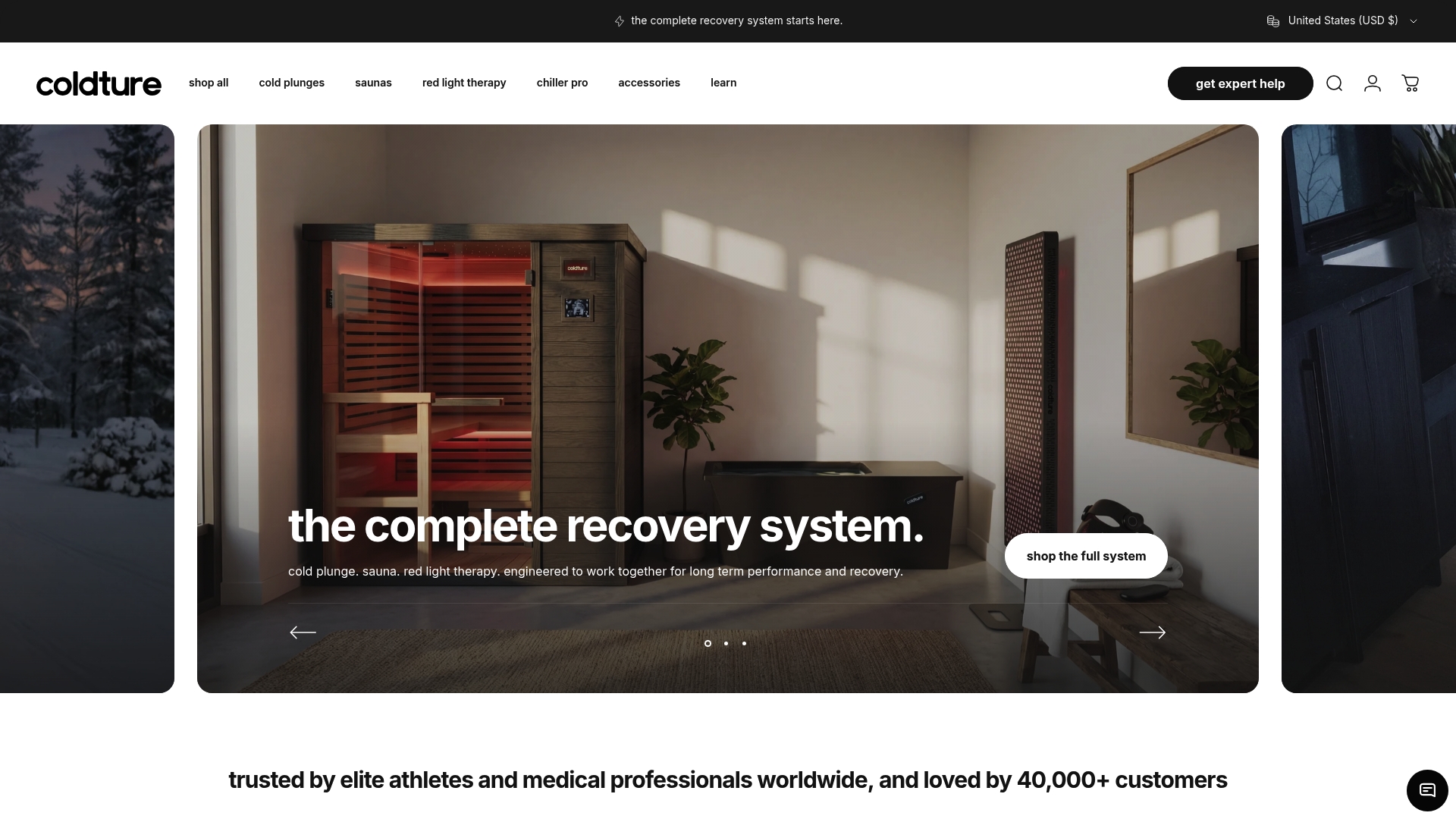
Coldture designs premium cold plunges, indoor and outdoor saunas, and red light therapy systems that bring professional-grade recovery into your everyday life. Every product is built for performance, designed for beauty, and engineered for durability. Whether you are building a home recovery setup or outfitting a commercial wellness space, Coldture gives you the science-backed tools to recover harder, perform better, and feel your best every single day.
Frequently asked questions
What is the difference between active and passive recovery therapies?
Active recovery involves movement like light exercise to clear metabolic waste, while passive recovery uses external tools like cold plunges or compression to aid the process. Active outperforms passive for lactate clearance in some contexts, but the best choice depends on your training phase and goals.
How often should I use cold water immersion for recovery?
CWI works best when used acutely after intense sessions rather than as a daily habit. Chronic cold water immersion may blunt adaptations, so scale back frequency during strength or hypertrophy-focused training blocks.
Which type of compression therapy is most effective?
Compression garments show more convincing recovery benefits than pneumatic devices in most research, making them the smarter starting point for most athletes and active individuals.
Are luxury recovery therapies worth the investment?
They can be, provided you choose therapies with genuine scientific backing and match them to your specific needs. Hyperbaric oxygen therapy shows convincing evidence for recovery, but results always depend on how and when you use it.
Recommended
- Effective Recovery Routines: Expert Examples for Athletes – Coldture Wellness
- Top recovery methods to boost wellness and performance – Coldture Wellness
- Unlock performance with recovery rituals in 2026 – Coldture Wellness
Share:
How to combine heat and cold therapy for faster recovery
red light therapy, explained: what it actually does and what to look for